


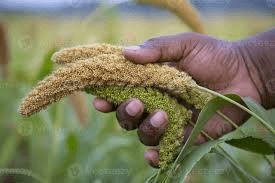
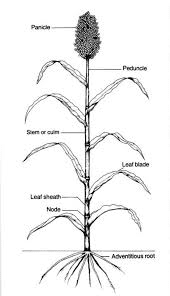
The millet peduncle is an integral part of the plant's inflorescence, serving as the main stalk that supports the entire panicle. This structure is critical for the plant’s reproductive success and overall yield, as it connects the inflorescence to the main stem and ensures the proper display and support of the spikelets.
In millet plants, the peduncle is the stem that emerges from the main plant body and extends to hold the panicle. It acts as the primary support structure for the panicle, which contains the spikelets, the units that house the flowers and eventually the seeds. The robustness and health of the peduncle are crucial because it must support the weight of the panicle and ensure that the spikelets are optimally positioned for pollination and seed development.
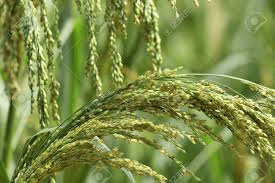
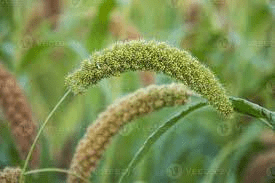
The peduncle’s length and strength can vary among different millet species and cultivars. For instance, in pearl millet (Pennisetum glaucum), the peduncle is typically sturdy and capable of supporting the dense, cylindrical panicle characteristic of this species. In contrast, in finger millet (Eleusine coracana), the peduncle may be shorter but still needs to be strong enough to support the compact and densely packed panicles.
The development of the peduncle is influenced by genetic factors, environmental conditions, and agricultural practices. Adequate nutrient supply, particularly of elements like nitrogen and potassium, is essential for the growth of a strong peduncle. Environmental conditions such as temperature, light, and water availability also play significant roles. For example, drought stress can negatively impact peduncle development, leading to weaker structures that may not support the panicle adequately.
A well-developed peduncle is crucial for the efficient transport of nutrients and water from the main stem to the panicle. This transport is vital for the growth and maturation of the spikelets and seeds. Any damage or weakness in the peduncle can hinder this process, potentially reducing the plant’s yield.
The peduncle also plays a role in the plant’s overall stability and ability to withstand environmental stresses such as wind and rain. A strong peduncle helps prevent lodging, which is when the plant falls over due to weak structural support. Lodging can severely impact yield by making it difficult to harvest the grain and reducing the number of seeds that mature properly.
🌿 Go Organic on Your Farm: Instead of harmful chemical pesticides and fertilisers, try our organic farming products — including neem oil spray, bio-pesticides, natural plant treatments, organic seeds and seedlings, suckers, and many more organic products that are safe for your health, your family, your soil and your harvest. Shop Now →
The millet peduncle is the main stalk that supports the panicle and connects it to the main stem. Its development and strength are crucial for the plant’s reproductive success, nutrient transport, and overall stability. Understanding the characteristics and factors influencing the peduncle's development is essential for improving millet cultivation practices and enhancing crop yield.
The Economic Importance and Uses of Millet Peduncle
1. Structural Support: The peduncle is the stalk that supports the millet inflorescence, providing structural integrity and ensuring the proper display of flowers for pollination.
2. Grain Harvesting: The peduncle holds the grain-bearing part of the plant, making it easier to harvest the millet seeds.
3. Livestock Feed: After harvesting, the peduncle can be used as roughage in livestock feed, providing fiber and some nutrients.
🔧 Free Farm Tool Available: Use our free Agric4Profits Farm Tools to calculate your farm profits, formulate feeds, identify pests and diseases on both your crops and animal farms, plan your planting and harvesting season, including many more farm tasks to get free expert advice and recommendations — completely free, no registration required. Access Free Tools →
4. Mulching Material: The peduncle can be used as mulch to help retain soil moisture, suppress weeds, and regulate soil temperature.
5. Compost Ingredient: Millet peduncles can be added to compost piles, where they decompose and contribute to nutrient-rich compost.
6. Biofuel Production: The peduncle can be processed into biofuel, such as ethanol, contributing to renewable energy sources.
7. Erosion Control: Used in erosion control practices, millet peduncles help stabilize soil and prevent erosion by forming a protective layer on the soil surface.
8. Craft Materials: The peduncle can be used in crafting, including making natural decorations, woven items, or other ornamental products.
💬 Have a Farming Question? Join thousands of farmers across Africa on the Agric4Profits Community — ask questions, share experiences and connect with agricultural experts. It is completely free. Ask Your Question Now →
9. Soil Amendment: Decomposed millet peduncles add organic matter and improve soil health, enhancing soil fertility and structure.
10. Animal Bedding: Dried millet peduncles can be used as bedding material for livestock, providing a comfortable and absorbent surface.
11. Carbon Sequestration: Millet peduncles contribute to carbon sequestration when used as biomass or incorporated into soil, helping mitigate climate change.
12. Biomass Energy: Millet peduncles can be used as biomass for energy production, providing a renewable source of heat and electricity.
13. Traditional Medicine: In some cultures, millet peduncles are used in traditional medicine for their purported health benefits.
14. Green Manure: The peduncles can be used as green manure, adding organic matter and nutrients to the soil when decomposed.
15. Packaging Material: Millet peduncles can be used as biodegradable packaging material, offering an eco-friendly alternative to plastic.
16. Soil Fertility Improvement: The decomposition of millet peduncles adds valuable nutrients to the soil, enhancing its fertility and promoting healthy plant growth.
17. Educational Uses: Millet peduncles can be used in educational settings to teach about plant anatomy, seed formation, and agricultural practices.
📖 Want to Go Deeper on This Topic?
Our expert agricultural ebooks cover poultry, fish farming, different crops production, snail farming, organic farming, mushrooms, sheep, cattle, flowers, pig farming, goat farming, agribusiness, etc. in practical step-by-step detail — written by agricultural professionals for African farmers.
Browse All Farming Ebooks →18. Feed Supplement: Millet peduncles can be included in feed mixes, providing additional fiber and nutrients to livestock diets.
Read Also: 17 Medicinal Health Benefits Of Bitter Leaf (Vernonia amygdalina)
The Products and By-products That Can Be Derived From Millet Peduncle
1. Livestock Feed: After removing the grain, millet peduncles can be used as roughage in animal feed, providing fiber and nutrients.
2. Mulch: Chopped millet peduncles are used as mulch to help retain soil moisture, suppress weeds, and regulate soil temperature.
3. Compost: Peduncles are added to compost piles, where they decompose and contribute to nutrient-rich compost.
4. Biofuel: Millet peduncles can be processed into biofuel, such as ethanol, contributing to renewable energy sources.
5. Craft Materials: The peduncles can be used in crafting for natural decorations, woven items, and other ornamental products.
6. Soil Amendment: Decomposed millet peduncles improve soil health by adding organic matter and enhancing soil structure and fertility.
7. Animal Bedding: Dried peduncles are used as bedding material for livestock, providing a comfortable and absorbent surface.
8. Traditional Medicine: In some cultures, millet peduncles are used in traditional medicine for their potential health benefits.
9. Erosion Control: Millet peduncles help stabilize soil in erosion control practices by forming a protective layer.
10. Carbon Sequestration: Peduncles contribute to carbon sequestration when used as biomass or incorporated into soil.
11. Biomass Energy: Millet peduncles are used as biomass for energy production, providing a renewable source of heat and electricity.
12. Green Manure: Peduncles can be used as green manure to enrich the soil with organic matter and nutrients.
13. Packaging Material: Millet peduncles can be used as biodegradable packaging material, offering an eco-friendly alternative to plastic.
14. Soil Fertility: The decomposition of peduncles adds valuable nutrients to the soil, enhancing its fertility.
15. Educational Purposes: Millet peduncles can be used in educational settings to demonstrate plant anatomy and agricultural practices.
16. Feed Supplement: The peduncles can be included in feed mixes to provide additional fiber and nutrients to livestock diets.
17. Biochar Production: Millet peduncles can be converted into biochar, which improves soil health and retains soil moisture.
Read Also: Reclamation and Management of Alkaline and Saline Soils
Frequently Asked Questions (FAQ’s) About Millet Peduncle
1. What is a millet peduncle?
The millet peduncle is the stalk that supports the millet inflorescence, holding the grain-bearing part of the plant.
2. How does the peduncle affect grain harvesting?
The peduncle holds the grain-bearing part, making it easier to harvest the millet seeds.
3. Can millet peduncles be used in animal feed?
Yes, after the grain is separated, the remaining peduncles can be used as roughage in livestock feed.
4. How are peduncles used in mulching?
Millet peduncles can be chopped and used as mulch to help retain soil moisture, suppress weeds, and regulate soil temperature.
5. Are millet peduncles suitable for composting?
Yes, millet peduncles can be added to compost piles, where they decompose and contribute to nutrient-rich compost.
6. Can peduncles be used for biofuel production?
Yes, millet peduncles can be processed into biofuel, such as ethanol, contributing to renewable energy sources.
7. What role do millet peduncles play in erosion control?
Peduncles help stabilize soil in erosion control practices by forming a protective layer on the soil surface.
8. Can millet peduncles be used in crafting?
Yes, millet peduncles can be used in crafting for making natural decorations, woven items, and other ornamental products.
9. How do millet peduncles benefit soil health?
Decomposed millet peduncles add organic matter to the soil, improving soil fertility and structure.
10. Are millet peduncles used in traditional medicine?
In some cultures, millet peduncles are used in traditional medicine for their potential health benefits.
Read Also: Recommended Ways for Disposing Textile Wastes
🌱 Take Your Farming Further With Agric4Profits
Based on what you just read, here are free resources and products from Agric4Profits that can help your farm right now:
- 🛒 Visit Our Marketplace — Organic neem oil, bio-pesticides, seeds and farming products
- 📚 Read Premium Content — Advanced guides for serious and profitable farming
- 🎓 Join Our Free Academy — Structured free training for farmers across Africa
- 🔧 Use Our Free Farm Tools — Profit calculators, feed formulation, pest identifier and more
- 💬 Join Our Farming Community — Connect with farmers across all 54 African countries
- ❓ Ask a Farming Question — Get answers from experienced farmers and agricultural experts
Please cite this content in academic work, research, or publications.