


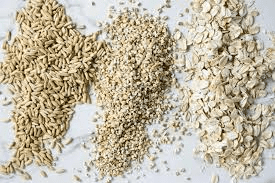
Oat groats are the whole, unprocessed grains of the oat plant (Avena sativa) that retain their bran, germ, and endosperm. These are the most intact and unrefined form of oats, preserving the maximum nutritional benefits. Known for their nutty flavor and chewy texture, oat groats are highly valued for their health benefits and versatility in cooking.
Structurally, an oat groat consists of several key components: the bran, the germ, and the endosperm. The bran is the outer layer, rich in dietary fiber, vitamins, and minerals. It provides bulk and aids in digestive health. The germ is the reproductive part of the seed that can grow into a new plant. It contains healthy fats, vitamins, and antioxidants. The endosperm, the largest part of the groat, is packed with carbohydrates and proteins, serving as the primary energy source.
Oat groats are incredibly nutritious. They are an excellent source of dietary fiber, especially soluble fiber known as beta-glucan. Beta-glucan is beneficial for heart health as it helps lower cholesterol levels. It forms a gel-like substance in the digestive tract that binds to cholesterol-rich bile acids, removing them from the body. This process helps reduce total and LDL cholesterol levels, contributing to cardiovascular health.
In addition to fiber, oat groats are rich in protein and contain a higher proportion of essential amino acids compared to other cereals. They are also abundant in vitamins and minerals, such as vitamin B1 (thiamine), magnesium, phosphorus, and iron. These nutrients play critical roles in energy production, bone health, and the functioning of the immune system.
Oat groats can be used in various culinary applications due to their versatility. They can be cooked and eaten as a hearty breakfast cereal, similar to oatmeal. The cooking process for oat groats is longer compared to more processed oat products like rolled or instant oats, typically taking around 30 to 45 minutes. However, the resulting dish is a chewy and satisfying meal. Soaking oat groats overnight can reduce the cooking time.
Oat groats can also be used as a substitute for rice or other grains in savory dishes. They can be added to soups, stews, and salads, providing a nutritious and texturally interesting component. Additionally, they can be ground into oat flour, which can be used in baking to make bread, muffins, and other baked goods. Oat flour is a gluten-free alternative, making it suitable for individuals with gluten sensitivities or celiac disease, provided it is sourced from gluten-free oats.
🌿 Go Organic on Your Farm: Instead of harmful chemical pesticides and fertilisers, try our organic farming products — including neem oil spray, bio-pesticides, natural plant treatments, organic seeds and seedlings, suckers, and many more organic products that are safe for your health, your family, your soil and your harvest. Shop Now →
Beyond their culinary uses, oat groats have applications in various industries. They are used in the production of oat milk, a popular plant-based milk alternative. Oat milk is made by blending soaked oat groats with water and straining the mixture to remove the solids. The result is a creamy, nutritious beverage that can be used in coffee, smoothies, and cooking.
Oat groats are also used in animal feed, particularly for horses and livestock. They provide essential nutrients and energy, supporting the health and growth of animals.
In conclusion, oat groats are the whole, unprocessed form of oats that retain all the nutritional benefits of the grain. Rich in fiber, protein, vitamins, and minerals, they offer numerous health benefits, including cholesterol reduction and improved digestive health. Their versatility in cooking and applications in various industries make them a valuable food source. Whether consumed as a breakfast cereal, used in savory dishes, or processed into oat milk and flour, oat groats are a nutritious and essential part of a healthy diet.
The Economic Importance and Uses of Oat Groats

1. Human Consumption: Oat groats are consumed as a whole grain, cooked similarly to rice or used in pilafs and salads.
🔧 Free Farm Tool Available: Use our free Agric4Profits Farm Tools to calculate your farm profits, formulate feeds, identify pests and diseases on both your crops and animal farms, plan your planting and harvesting season, including many more farm tasks to get free expert advice and recommendations — completely free, no registration required. Access Free Tools →
2. Breakfast Cereal: Oat groats are processed into breakfast cereals like steel-cut oats, providing a hearty and nutritious breakfast option.
3. Baking: Oat groats are ground into oat flour for baking bread, cookies, and other baked goods.
4. Porridge: Oat groats are boiled to make oatmeal porridge, a traditional breakfast dish.
5. Snack Foods: Roasted oat groats are used in snack mixes and energy bars for their crunchy texture and nutritional value.
6. Animal Feed: Oat groats are a nutritious component of animal feed for livestock and poultry.
💬 Have a Farming Question? Join thousands of farmers across Africa on the Agric4Profits Community — ask questions, share experiences and connect with agricultural experts. It is completely free. Ask Your Question Now →
7. Brewing: Oat groats are used in brewing beer, adding flavor, body, and nutritional benefits.
8. Culinary Uses: Oat groats are used in savory dishes like soups, stews, and stuffing for their texture and nutritional content.
9. Infant Food: Ground oat groats are used in infant cereals and baby food due to their mild flavor and digestibility.
10. Pet Food: Oat groats are included in pet food formulations for their nutritional benefits and digestibility.
11. Dietary Supplements: Oat groats are processed into dietary supplements for their fiber content and health benefits.
12. Cosmetic Industry: Oat groats and extracts are used in skincare products for their soothing and moisturizing properties.
13. Pharmaceutical Industry: Oat groats derivatives are used in pharmaceutical products for their health-promoting properties, such as cholesterol management.
14. Biofuel Production: Oat groats and their by-products can be used in biofuel production, contributing to renewable energy sources.
15. Environmental Remediation: Oat groats can be used in environmental remediation projects to absorb pollutants from soil and water.
📖 Want to Go Deeper on This Topic?
Our expert agricultural ebooks cover poultry, fish farming, different crops production, snail farming, organic farming, mushrooms, sheep, cattle, flowers, pig farming, goat farming, agribusiness, etc. in practical step-by-step detail — written by agricultural professionals for African farmers.
Browse All Farming Ebooks →16. Paper Industry: Oat groat fibers are used in the paper industry to produce specialty papers and packaging materials.
17. Textile Industry: Oat groat fibers are used in the textile industry for producing sustainable fabrics and materials.
18. Horticulture: Oat groats are used in horticulture as mulch or soil amendment to improve soil health and moisture retention.
Read Also: Recommended Volume of Water for Fish Farming on a Concrete Pond
The Products and By-products That Can Be Derived From Oat Groats

1. Steel-Cut Oats: Oat groats are cut into smaller pieces to create steel-cut oats, used in breakfast cereals and cooking.
2. Rolled Oats: Oat groats are steamed and flattened to produce rolled oats, commonly used in oatmeal and baking.
3. Oat Flour: Oat groats are ground into flour, used in baking bread, cookies, and other baked goods.
4. Oat Bran: The outer layer of oat groats is processed into oat bran, used as a dietary fiber supplement in food products.
5. Oat Milk: Oat groats are blended with water and strained to produce oat milk, a dairy-free alternative.
6. Oat Oil: Oat groats are pressed to extract oat oil, used in cosmetics and personal care products.
7. Oat Bran Cereal: Oat groats are processed into oat bran cereal, providing a nutritious breakfast option rich in fiber.
8. Oat Protein: Oat groats are processed to extract oat protein, used in protein supplements and food products.
9. Instant Oats: Oat groats are pre-cooked and dried to produce instant oats, which cook quickly.
10. Granola: Oat groats are mixed with honey, nuts, and dried fruits to make granola, a popular snack.
11. Oat-Based Snack Bars: Oat groats are used in the production of snack bars, providing a convenient and nutritious snack option.
12. Oatmeal Cookies: Oat groats are used in cookie recipes to create chewy oatmeal cookies with added texture and nutrition.
13. Oat Flour Pancakes: Oat groats are ground into flour and used in pancake mixes for a wholesome breakfast option.
14. Oat Bread: Oat groats are added to bread recipes to create whole-grain loaves with added fiber and nutrients.
15. Oat-Based Cosmetics: Oat groats and extracts are used in skincare products for their soothing and moisturizing properties.
16. Oat-Based Pharmaceuticals: Oat groats derivatives are used in pharmaceutical formulations for their health benefits, such as cholesterol management.
17. Oat-Based Animal Feed: Oat groats are included in animal feed formulations for their nutritional benefits and digestibility.
Read Also: Concrete Pond Management: Steps to take before introducing the Fish in the Water
Frequently Asked Questions (FAQ’s) About Oat Groats

1. What are oat groats?
Oat groats are the whole oat kernels with the hull removed, containing the bran, germ, and endosperm.
2. How are oat groats used in cooking?
Oat groats are used to make oatmeal porridge, steel-cut oats, and in savory dishes like soups and stews.
3. Are oat groats gluten-free?
Pure oat groats are naturally gluten-free, but cross-contamination can occur during processing, so certified gluten-free sources should be sought for those with gluten sensitivity.
4. What are the health benefits of oat groats?
Oat groats are rich in fiber, vitamins, and minerals, known for their cholesterol-lowering effects, digestive health benefits, and role in weight management.
5. Can oat groats be used in skincare products?
Yes, oat groats and extracts are used in skincare products for their soothing and moisturizing properties, suitable for sensitive skin.
6. How are oat groats beneficial in animal nutrition?
Oat groats are used in animal feed for their nutritional benefits, providing essential nutrients and supporting digestive health in livestock and poultry.
7. What environmental benefits are associated with oat groats?
Oat groats contribute to sustainable practices through their use in biodegradable packaging, biofuel production, and soil remediation, reducing environmental impact.
8. Are there any industrial applications for oat groats?
Oat groat fibers are used in the paper and textile industries to produce eco-friendly products and materials, supporting sustainable manufacturing practices.
9. How do oat groats contribute to biofuel production?
Oat groats and their by-products can be fermented to produce bioethanol, contributing to renewable energy sources and reducing dependence on fossil fuels.
10. Can oat groats be used in pharmaceutical products?
Yes, oat groats derivatives are used in pharmaceutical formulations for their health benefits, particularly in managing cholesterol levels and promoting overall wellness.
Read Also: Adaptive Means of Animals Coping with the Environment
🌱 Take Your Farming Further With Agric4Profits
Based on what you just read, here are free resources and products from Agric4Profits that can help your farm right now:
- 🛒 Visit Our Marketplace — Organic neem oil, bio-pesticides, seeds and farming products
- 📚 Read Premium Content — Advanced guides for serious and profitable farming
- 🎓 Join Our Free Academy — Structured free training for farmers across Africa
- 🔧 Use Our Free Farm Tools — Profit calculators, feed formulation, pest identifier and more
- 💬 Join Our Farming Community — Connect with farmers across all 54 African countries
- ❓ Ask a Farming Question — Get answers from experienced farmers and agricultural experts
Please cite this content in academic work, research, or publications.