


Orange inflorescence refers to the arrangement and presentation of flowers on an orange tree (Citrus sinensis). This aspect of the orange tree's reproductive biology plays a crucial role in its lifecycle, influencing pollination, fruit development, and overall plant health. The inflorescence of an orange tree is characterized by its specific structure, the type of flowers it bears, and the processes involved in flowering and fruit setting.
Orange trees typically bear their flowers in clusters known as racemes. A raceme is an unbranched, indeterminate type of inflorescence where flowers are borne along the central axis. Each flower in the raceme has a short stalk, or pedicel, connecting it to the main stem. This arrangement allows for multiple flowers to develop and bloom sequentially from the bottom upwards, optimizing the chances for successful pollination over an extended period.
The flowers of the orange tree are generally white, aromatic, and hermaphroditic, meaning they possess both male and female reproductive organs. This dual-gendered nature facilitates self-pollination, although cross-pollination by insects such as bees can enhance fruit set and quality. The central part of each flower contains the pistil (the female reproductive organ), which comprises the ovary, style, and stigma. Surrounding the pistil are numerous stamens (the male reproductive organs), each consisting of a filament topped by an anther that produces pollen.
Flowering in orange trees is influenced by several environmental factors, including temperature, light, and water availability. Typically, orange trees bloom in the spring, although this can vary depending on the specific variety and local climatic conditions. The process begins with the differentiation of flower buds from vegetative buds. This differentiation is triggered by cooler temperatures and shorter daylight hours experienced during winter. As temperatures rise and daylight increases in the spring, these buds develop into fully formed flowers.
Pollination is a critical step following flowering. It involves the transfer of pollen from the anthers to the stigma, where it germinates and grows down the style to fertilize the ovules in the ovary. Successful pollination and fertilization lead to the development of fruit. In orange trees, this process is facilitated by pollinators such as bees, which are attracted to the flowers by their strong fragrance and nectar. The presence of bees and other pollinators in the orchard can significantly improve fruit set and yield.
Once pollination occurs, the ovary begins to develop into a fruit, while the other flower parts wither and fall away. The developing fruit goes through several stages, initially being small and green, gradually increasing in size, and eventually turning orange as it matures. The entire process from flowering to fruit maturity can take several months, depending on the variety of orange and growing conditions.
🌿 Go Organic on Your Farm: Instead of harmful chemical pesticides and fertilisers, try our organic farming products — including neem oil spray, bio-pesticides, natural plant treatments, organic seeds and seedlings, suckers, and many more organic products that are safe for your health, your family, your soil and your harvest. Shop Now →
The quality and quantity of the orange crop can be influenced by the health and vigor of the inflorescence. Factors such as nutrient availability, water supply, and pest and disease management play crucial roles in ensuring robust flower development and successful fruit set. Proper orchard management practices, including regular pruning, fertilization, and pest control, are essential to maintain healthy inflorescences and maximize fruit production.
The inflorescence of the orange tree is a vital component of its reproductive system. The raceme structure, with its sequentially blooming flowers, enhances the likelihood of successful pollination. Environmental factors and orchard management practices significantly influence the health and productivity of the inflorescence, ultimately affecting the quality and yield of the orange crop. Understanding these aspects of orange inflorescence can help in developing better cultivation techniques and improving fruit production.
The Economic Importance and Uses of Orange Inflorescence
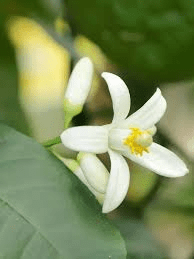
1. Ornamental Value: Orange inflorescence is highly valued in landscaping and gardening for its vibrant color, which adds aesthetic appeal to gardens, parks, and urban spaces.
2. Cut Flowers: The clusters are used in floral arrangements and bouquets, making them popular in the flower industry.
🔧 Free Farm Tool Available: Use our free Agric4Profits Farm Tools to calculate your farm profits, formulate feeds, identify pests and diseases on both your crops and animal farms, plan your planting and harvesting season, including many more farm tasks to get free expert advice and recommendations — completely free, no registration required. Access Free Tools →
3. Essential Oils: Some orange flowers, like those from the Neroli tree, are used to extract essential oils, which are valuable in the perfume and aromatherapy industries.
4. Medicinal Uses: Certain orange flowers are used in traditional medicine. For example, marigold inflorescences are used for their anti-inflammatory and healing properties.
5. Culinary Uses: Orange flowers, such as saffron crocus, are used as spices and flavoring agents in culinary dishes.
6. Dye Production: The petals of some orange flowers can be used to produce natural dyes for fabrics and cosmetics.
7. Cultural Significance: Orange inflorescence is used in cultural and religious ceremonies, adding to their social and economic value.
💬 Have a Farming Question? Join thousands of farmers across Africa on the Agric4Profits Community — ask questions, share experiences and connect with agricultural experts. It is completely free. Ask Your Question Now →
8. Eco-Tourism: Flowering plants with orange inflorescence attract tourists to botanical gardens and nature reserves, boosting local economies.
9. Pollinator Attraction: These flowers attract pollinators like bees and butterflies, which are crucial for the pollination of many crops.
10. Pharmaceutical Industry: Extracts from orange flowers are used in the production of various pharmaceuticals.
11. Cosmetic Industry: Orange flower extracts are used in skincare and haircare products for their soothing and aromatic properties.
12. Beekeeping: Orange blossoms are a source of nectar for honey production, particularly orange blossom honey.
13. Pest Control: Some orange flowers, like marigolds, are used in companion planting to repel pests naturally.
14. Biofuel Production: Certain plants with orange inflorescence are researched for their potential in biofuel production.
15. Environmental Benefits: Planting these flowers can help in soil erosion control and improve soil health.
16. Livelihood Support: The cultivation and sale of orange flowers support the livelihoods of farmers and vendors.
📖 Want to Go Deeper on This Topic?
Our expert agricultural ebooks cover poultry, fish farming, different crops production, snail farming, organic farming, mushrooms, sheep, cattle, flowers, pig farming, goat farming, agribusiness, etc. in practical step-by-step detail — written by agricultural professionals for African farmers.
Browse All Farming Ebooks →17. Mental Health Benefits: The vibrant color and fragrance of orange flowers can have a positive impact on mental health, reducing stress and anxiety.
18. Genetic Research: Orange flowers are used in botanical and genetic research to study plant traits and improve crop varieties.
Read Also: Agricultural Tillage Practices
The Products and By-products That Can Be Derived From Orange Inflorescence
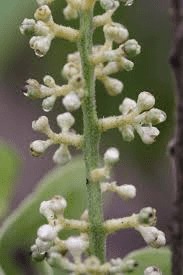
1. Essential Oils: Extracted through steam distillation, orange flower essential oils are used in perfumes and aromatherapy.
2. Floral Water: A by-product of essential oil extraction, floral water (hydrosol) is used in skincare products.
3. Dried Flowers: Orange inflorescences are dried and used in potpourri and decorative crafts.
4. Natural Dyes: Petals are boiled to extract dyes for coloring fabrics and cosmetics.
5. Herbal Teas: Dried orange flowers are used to make herbal teas with health benefits.
6. Culinary Spices: Saffron, derived from the orange stigmas of crocus flowers, is used as a spice.
7. Honey: Orange blossom honey is produced from the nectar of orange flowers.
8. Skincare Products: Extracts are used in creams, lotions, and soaps for their soothing properties.
9. Haircare Products: Orange flower extracts are incorporated into shampoos and conditioners.
10. Pharmaceuticals: Active compounds from orange flowers are used in medicines.
11. Perfumes: Essential oils from orange flowers are key ingredients in high-end perfumes.
12. Aromatherapy Products: Orange flower oils are used in diffusers and massage oils.
13. Natural Insecticides: Marigold inflorescence extracts are used in organic farming as insect repellents.
14. Biofuel: Research is ongoing to convert biomass from orange flower plants into biofuels.
15. Compost: Flower residues are composted to create nutrient-rich soil amendments.
16. Eco-friendly Packaging: Dried flowers are used to create sustainable packaging materials.
17. Decorative Items: Orange flowers are used in making wreaths, garlands, and other decorative items.
Read Also: Maggot Feeding: Can You Feed Fishes with Maggots?
Frequently Asked Questions (FAQ’s) About Orange Inflorescence
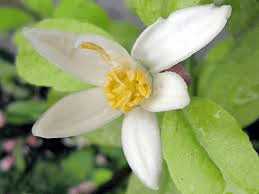
1. What is orange inflorescence?
Orange inflorescence refers to the cluster of orange-colored flowers found on certain plants.
2. What plants have orange inflorescence?
Plants like marigolds, saffron crocus, and some species of lilies have orange inflorescence.
3. How is orange inflorescence used in landscaping?
It is used to add vibrant color and aesthetic appeal to gardens and urban spaces.
4. Can orange inflorescence be used in cooking?
Yes, flowers like saffron crocus are used as spices and flavoring agents.
5. What are the medicinal uses of orange inflorescence?
They are used for their anti-inflammatory, healing, and soothing properties.
6. How is essential oil extracted from orange flowers?
Through a process called steam distillation.
7. What is orange blossom honey?
It is honey produced from the nectar of orange flowers.
8. Are there any environmental benefits of orange inflorescence?
Yes, they help in soil erosion control and improve soil health.
9. How do orange flowers attract pollinators?
Their vibrant color and nectar attract bees and butterflies, aiding in pollination.
10. What role do orange flowers play in cultural ceremonies?
They are used for decoration and symbolic purposes in various cultural and religious events.
Read Also: Measurement and Definition of the term water yield
🌱 Take Your Farming Further With Agric4Profits
Based on what you just read, here are free resources and products from Agric4Profits that can help your farm right now:
- 🛒 Visit Our Marketplace — Organic neem oil, bio-pesticides, seeds and farming products
- 📚 Read Premium Content — Advanced guides for serious and profitable farming
- 🎓 Join Our Free Academy — Structured free training for farmers across Africa
- 🔧 Use Our Free Farm Tools — Profit calculators, feed formulation, pest identifier and more
- 💬 Join Our Farming Community — Connect with farmers across all 54 African countries
- ❓ Ask a Farming Question — Get answers from experienced farmers and agricultural experts
Please cite this content in academic work, research, or publications.