


Orange zest is the outermost, colorful layer of the peel of an orange. It is prized for its intense citrus aroma and flavor, making it a versatile ingredient in both culinary and non-culinary applications.
Scientifically, orange zest consists of the outer part of the orange peel, which contains the essential oils responsible for its strong fragrance and taste. These oils are housed in specialized glands within the peel, known as oil glands or oil sacs, which release their aromatic compounds when the peel is grated or peeled.
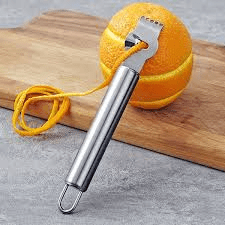
The process of obtaining orange zest involves carefully removing the colored outer layer of the orange peel while avoiding the bitter white pith underneath. This can be done using a fine grater, zester, or peeler. The zest itself is characterized by its bright orange color and fine, thread-like texture.
Culinarily, orange zest is prized for its ability to impart a concentrated citrus flavor to dishes without adding excess liquid. It is commonly used in both sweet and savory recipes, such as baked goods, desserts, marinades, sauces, and dressings. The zest adds a burst of freshness and complexity to dishes, complementing other flavors and enhancing the overall taste experience.
Beyond its culinary uses, orange zest is also valued in non-culinary applications. It is a popular ingredient in natural cleaning products and cosmetics due to its pleasant scent and potential antimicrobial properties. The essential oils in orange zest are often extracted for use in perfumes, aromatherapy, and flavorings.
Nutritionally, orange zest contains higher concentrations of certain vitamins and antioxidants compared to the flesh of the fruit. It is particularly rich in vitamin C, which supports immune health and collagen production, as well as flavonoids and other phytochemicals that contribute to overall well-being.
🌿 Go Organic on Your Farm: Instead of harmful chemical pesticides and fertilisers, try our organic farming products — including neem oil spray, bio-pesticides, natural plant treatments, organic seeds and seedlings, suckers, and many more organic products that are safe for your health, your family, your soil and your harvest. Shop Now →
Orange zest is a versatile and aromatic component of the orange fruit, prized for its intense citrus flavor and aroma. Whether used to enhance culinary dishes, create natural scents, or provide nutritional benefits, orange zest remains a valuable and beloved part of both culinary and non-culinary applications worldwide.
The Economic Importance and Uses of Orange Zest
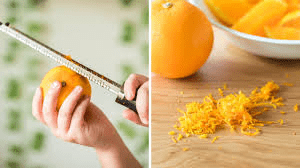
1. Flavoring Agent: Orange zest adds a vibrant, citrusy flavor to a variety of dishes and beverages, enhancing culinary creations.
2. Baking Industry: Used in cakes, cookies, and pastries to impart a fresh, citrus flavor.
3. Beverage Industry: Incorporated into cocktails, teas, and infused waters for added flavor.
🔧 Free Farm Tool Available: Use our free Agric4Profits Farm Tools to calculate your farm profits, formulate feeds, identify pests and diseases on both your crops and animal farms, plan your planting and harvesting season, including many more farm tasks to get free expert advice and recommendations — completely free, no registration required. Access Free Tools →
4. Confectionery: Used in candies, chocolates, and other sweets to provide a natural citrus taste.
5. Culinary Uses: Orange zest is a key ingredient in marinades, sauces, and dressings, adding complexity to savory dishes.
6. Perfume Industry: Essential oils extracted from orange zest are used in perfumes and fragrances for their fresh scent.
7. Skincare Products: Orange zest is used in scrubs, masks, and lotions for its exfoliating and brightening properties.
8. Household Cleaners: The oils in orange zest are used in natural cleaning products for their antibacterial and pleasant-smelling properties.
💬 Have a Farming Question? Join thousands of farmers across Africa on the Agric4Profits Community — ask questions, share experiences and connect with agricultural experts. It is completely free. Ask Your Question Now →
9. Aromatherapy: The scent of orange zest is used in aromatherapy to uplift mood and reduce stress.
10. Natural Colorant: The vibrant color of orange zest is used as a natural dye in food and cosmetics.
11. Food Preservation: Orange zest has natural preservative properties and is used to extend the shelf life of certain foods.
12. Nutritional Supplements: Orange zest is rich in vitamins and antioxidants, used in dietary supplements for its health benefits.
13. Eco-Friendly Pesticides: Extracts from orange zest are used in organic pesticides to protect plants.
14. Tea Blends: Added to tea blends for a citrusy aroma and flavor.
15. Craft and Decoration: Dried orange zest is used in potpourri, wreaths, and other decorative items.
16. Health and Wellness: Consuming orange zest supports immune health and provides antioxidants.
17. Candles and Soaps: Orange zest is used in making scented candles and soaps for its pleasant fragrance.
📖 Want to Go Deeper on This Topic?
Our expert agricultural ebooks cover poultry, fish farming, different crops production, snail farming, organic farming, mushrooms, sheep, cattle, flowers, pig farming, goat farming, agribusiness, etc. in practical step-by-step detail — written by agricultural professionals for African farmers.
Browse All Farming Ebooks →18. Environmental Benefits: Utilizing orange zest reduces waste and promotes sustainable practices in the citrus industry.
Read Also: Prevention and Methods of Controlling Coccidiosis Among Chickens
The Products and By-products That Can Be Derived From Orange Zest

1. Orange Zest Powder: Dried and ground zest used as a spice in cooking and baking.
2. Orange Extract: The essential oils extracted from zest used for flavoring and aromatherapy.
3. Candied Orange Peel: Orange zest is boiled in sugar syrup and dried to make a sweet treat.
4. Orange Infused Oil: Zest is infused in oil to create a flavorful cooking ingredient.
5. Citrus Cleaning Spray: Essential oils from zest are mixed with vinegar and water to create a natural cleaner.
6. Scented Candles: Orange zest is used in candle-making for a refreshing citrus scent.
7. Citrus Soap: Zest is incorporated into soap for its fragrance and exfoliating properties.
8. Essential Oils: Extracted from zest for use in perfumes, skincare, and aromatherapy.
9. Zest Tea: Dried zest is added to tea blends for flavor and aroma.
10. Orange Zest Sugar: Zest is mixed with sugar to create a flavorful sweetener for baking and beverages.
11. Marinades and Dressings: Fresh zest is used in making marinades and salad dressings for added flavor.
12. Citrus Scrubs: Ground zest is mixed with sugar or salt to make exfoliating body scrubs.
13. Potpourri: Dried zest is used in potpourri mixes for its fragrance and decorative appeal.
14. Citrus Vinegar: Zest is infused in vinegar for use in cooking and cleaning.
15. Preserved Citrus: Zest is used in preserving lemons and other citrus fruits.
16. Decorative Crafts: Dried zest is used in crafts and decorations, like garlands and wreaths.
17. Nutritional Supplements: Zest is processed into supplements for its high vitamin C content and antioxidant properties.
Read Also: Time and Methods of Fertilizer Application on Crops
Frequently Asked Questions (FAQ’s) About Orange Zest
1. What is orange zest?
Orange zest is the outer peel of an orange, containing essential oils and rich in flavor.
2. How do you zest an orange?
Use a fine grater, microplane, or zester to remove the outer peel of the orange, avoiding the bitter white pith.
3. Can orange zest be used in baking?
Yes, orange zest adds a bright, citrus flavor to cakes, cookies, and other baked goods.
4. Is orange zest safe to eat?
Yes, orange zest is safe to eat and adds nutritional value to dishes.
5. How should I store orange zest?
Fresh orange zest can be stored in an airtight container in the refrigerator for up to a week, or dried and stored in a spice jar.
6. Can orange zest be used in drinks?
Yes, orange zest is used to flavor cocktails, teas, and infused waters.
7. What are the health benefits of orange zest?
Orange zest is rich in vitamin C and antioxidants, supporting immune health and providing anti-inflammatory benefits.
8. Can I use dried orange zest instead of fresh?
Yes, dried orange zest can be used as a substitute for fresh zest in recipes, though the flavor may be slightly different.
9. How is orange zest used in skincare?
Orange zest is used in exfoliating scrubs, masks, and lotions for its brightening and anti-aging properties.
10. Is orange zest used in aromatherapy?
Yes, the essential oils in orange zest are used in aromatherapy to uplift mood and reduce stress.
Read Also: Measurement and Definition of the term water yield
🌱 Take Your Farming Further With Agric4Profits
Based on what you just read, here are free resources and products from Agric4Profits that can help your farm right now:
- 🛒 Visit Our Marketplace — Organic neem oil, bio-pesticides, seeds and farming products
- 📚 Read Premium Content — Advanced guides for serious and profitable farming
- 🎓 Join Our Free Academy — Structured free training for farmers across Africa
- 🔧 Use Our Free Farm Tools — Profit calculators, feed formulation, pest identifier and more
- 💬 Join Our Farming Community — Connect with farmers across all 54 African countries
- ❓ Ask a Farming Question — Get answers from experienced farmers and agricultural experts
Please cite this content in academic work, research, or publications.