


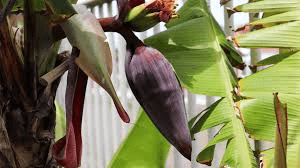
Plantain Flowers, also known as inflorescences, are the reproductive structures of the plantain plant (Musa spp.). These flowers play a crucial role in the plant’s life cycle by facilitating pollination and seed formation. Here’s a detailed description of Plantain Flowers:
Plantain Flowers emerge from the top of the pseudostem, usually in clusters called inflorescences. Each inflorescence consists of a central axis with multiple flower clusters arranged in a spiral pattern. The flowers themselves are small and tubular, with petals fused into a cup-like structure that surrounds the reproductive organs.
The inflorescence of Plantain Flowers is typically enclosed within large, colorful bracts known as spathe. These bracts are leaf-like structures that protect the developing flowers and inflorescence. The spathe unfolds as the flowers mature, revealing the delicate arrangement of male and female flowers within.
Plantain Flowers exhibit a unique reproductive strategy known as parthenocarpy, where fruits can develop without fertilization. However, pollination by insects, particularly bees and beetles, enhances fruit quality and seed production. Male flowers produce pollen-rich stamens, while female flowers contain ovules within the ovary. Pollen from the male flowers is transferred to the stigma of the female flowers, initiating fertilization and fruit development.
The fruits that develop from Plantain Flowers are technically berries, elongated and filled with seeds. These fruits are typically green when young and ripen to yellow or brown, depending on the variety. Each fruit contains numerous seeds embedded in a soft, starchy pulp that is consumed when ripe.
Culturally and economically, Plantain Flowers are significant in agriculture and cuisine. In many tropical regions, the flowers and young fruits are harvested for culinary purposes. They are often cooked or used in traditional dishes, contributing a unique flavor and texture to various recipes. In some cultures, the flowers are also used in herbal medicine for their purported medicinal properties.
Beyond their agricultural importance, Plantain Flowers play a role in cultural symbolism and traditions. They are sometimes used decoratively or ceremonially, reflecting their cultural significance in certain societies.
Plantain Flowers are essential structures in the plantain plant’s reproductive cycle. Their development and pollination contribute to the production of fruits that are valuable for food, medicine, and cultural practices. Understanding the anatomy and function of Plantain Flowers enhances our appreciation of their role in agriculture and their cultural significance in diverse communities worldwide.
The Economic Importance and Uses of Plantain Flowers

1. Culinary Use: Plantain flowers, also known as banana hearts, are edible and used in various cuisines for their unique flavor and texture.
2. Traditional Medicine: Extracts from plantain flowers are used in traditional medicine for their medicinal properties, treating ailments such as menstrual disorders and digestive issues.
3. Culinary Innovation: Used creatively in gastronomy for developing new dishes, salads, and culinary trends.
4. Ornamental Plants: Grown in gardens and landscapes for their decorative and aesthetic appeal.
5. Livestock Feed: Plantain flowers are used as fodder for livestock, providing a nutritious supplement to their diet.
6. Agricultural Practices: Flowers are used in agroforestry and permaculture systems to support biodiversity and soil improvement.
7. Environmental Conservation: Plantain flowers contribute to environmental conservation efforts by promoting sustainable agricultural practices.
8. Culinary Delicacy: In some cultures, plantain flowers are considered a delicacy and prepared in special dishes.
9. Herbal Remedies: Used in herbal remedies and natural treatments for various health conditions.
10. Biochemical Research: Studied for their biochemical properties and potential pharmaceutical uses.
11. Cultural Significance: Plantain flowers hold cultural significance in rituals, ceremonies, and traditional practices in various cultures worldwide.
12. Pharmaceutical Industry: Active compounds from plantain flowers are used in pharmaceuticals for their therapeutic benefits.
13. Horticultural Purposes: Used in nurseries for propagation and ornamental gardening.
14. Environmental Benefits: Supports pollinators such as bees and butterflies, enhancing biodiversity.
15. Nutritional Supplement: Flowers are rich in nutrients and vitamins, making them a valuable dietary supplement.
16. Waste Management: Used in composting and organic waste management to improve soil fertility.
17. Culinary Ingredients: Used in salads, soups, curries, and other culinary preparations for their nutritional value and flavor.
18. Agroforestry Practices: Integrated into agroforestry systems for sustainable agriculture and ecosystem services.
Read Also: How to know the Best Specie of Fish to Raise
The Products and By-products That Can Be Derived From Plantain Flowers

1. Food Ingredient: Edible plantain flowers used in culinary dishes and salads.
2. Medicinal Extracts: Active compounds extracted for use in herbal medicine and pharmaceuticals.
3. Livestock Feed: Used as fodder and supplementary feed for livestock and poultry.
4. Agroforestry: Planted in agroforestry systems for biodiversity support and soil improvement.
5. Ornamental Plants: Grown in gardens and landscapes for decorative purposes.
6. Culinary Delicacy: Considered a delicacy in some cultures and used in special dishes.
7. Herbal Remedies: Used in herbal treatments and natural remedies for health benefits.
8. Cultural Practices: Used symbolically in rituals and ceremonies.
9. Pharmaceutical Uses: Active compounds used in pharmaceutical products.
10. Horticulture: Used in nurseries for propagation and ornamental gardening.
11. Environmental Benefits: Supports pollinators and enhances biodiversity.
12. Nutritional Supplement: Rich in nutrients and vitamins.
13. Waste Management: Used in composting and organic waste recycling.
14. Culinary Applications: Used in various culinary preparations for flavor and nutrition.
15. Agroforestry Practices: Integrated into agroforestry systems for sustainable agriculture.
16. Biomass Energy: Potential use in biomass energy production.
17. Biochemical Research: Studied for biochemical properties and potential uses.
18. Environmental Conservation: Contributes to sustainable agricultural practices and ecosystem services.
Read Also: The Most Lucrative between Production of Fish Fingerlings or Raising them to Table Size
Frequently Asked Questions (FAQ’s) About Plantain Flowers

1. What are plantain flowers?
Plantain flowers, also known as banana hearts, are the edible flowers of the plantain plant, used in various culinary and medicinal applications.
2. How are plantain flowers used in cooking?
Plantain flowers are used in culinary dishes such as salads, soups, curries, and stir-fries for their unique flavor and texture.
3. Are plantain flowers edible?
Yes, plantain flowers are edible and considered a delicacy in many cultures, prepared in special dishes and salads.
4. What are the health benefits of plantain flowers?
Plantain flowers are used in traditional medicine for treating menstrual disorders, digestive issues, and other health conditions due to their medicinal properties.
5. How do plantain flowers contribute to agriculture?
Plantain flowers support sustainable agricultural practices by promoting biodiversity, enhancing soil fertility, and providing nutritional supplements for livestock.
6. Can plantain flowers be grown ornamentally?
Yes, plantain flowers are grown ornamentally in gardens and landscapes for their decorative and aesthetic appeal.
7. What cultural significance do plantain flowers have?
Plantain flowers hold cultural significance in rituals, ceremonies, and traditional practices in various cultures worldwide, symbolizing fertility and prosperity.
8. How are plantain flowers used in herbal medicine?
Extracts from plantain flowers are used in herbal remedies and natural treatments for their therapeutic benefits and medicinal properties.
9. Are plantain flowers environmentally friendly?
Yes, plantain flowers contribute to environmental conservation efforts by supporting sustainable agricultural practices and enhancing biodiversity.
10. Can plantain flowers be used in pharmaceuticals?
Yes, active compounds from plantain flowers are studied for their pharmaceutical uses and potential applications in medicine and healthcare.
Read Also: Succulent Plants: A Guide to Growing and Caring for These Unique Plants