


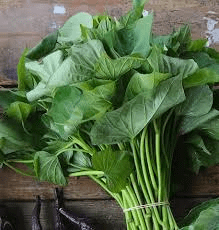
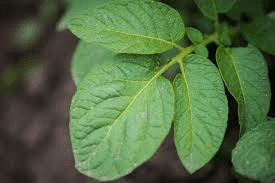
Potato leaves are an essential part of the potato plant (Solanum tuberosum), playing key roles in photosynthesis, water regulation, and overall plant health. These broad, lobed leaves emerge from the stems and branches of the potato plant and are integral to its growth and development.
The leaves of the potato plant are typically large, with a distinctive lobed shape that helps maximize surface area for capturing sunlight. Sunlight is crucial for photosynthesis, the process by which plants convert light energy into chemical energy in the form of glucose. Potato leaves contain chlorophyll, a pigment that absorbs sunlight and initiates the photosynthetic process. This process is essential for producing carbohydrates, such as glucose, which serve as energy sources for the plant's growth and development, including the formation of tubers.
In addition to photosynthesis, potato leaves play a role in regulating water balance within the plant. Through small openings on the underside of the leaves called stomata, water vapor is released into the atmosphere during transpiration. This process helps cool the plant and maintains its internal water pressure, facilitating nutrient transport from the roots to the leaves and other parts of the plant.
Potato leaves also contribute to plant defense mechanisms. They produce secondary metabolites and chemicals that deter herbivores and pathogens, helping to protect the plant from damage and disease. These defense mechanisms can include the production of alkaloids, terpenoids, and phenolic compounds, which have antimicrobial and antioxidant properties.
The health and appearance of potato leaves can provide valuable insights into the overall condition of the plant. Healthy potato leaves are typically green and turgid, indicating sufficient water and nutrient uptake. Yellowing or browning of leaves may indicate nutrient deficiencies, water stress, or pest infestations. Monitoring leaf health throughout the growing season allows farmers and gardeners to identify potential issues early and take appropriate measures to maintain plant vigor.
Environmental factors such as temperature, light, and humidity can influence the growth and development of potato leaves. Potatoes thrive in cooler climates with moderate temperatures, generally between 60°F and 70°F (15°C and 21°C). Excessive heat or prolonged exposure to direct sunlight can stress potato plants, affecting leaf health and overall growth. Adequate soil moisture and well-drained soil are essential for supporting healthy leaf development and overall plant productivity.
🌿 Go Organic on Your Farm: Instead of harmful chemical pesticides and fertilisers, try our organic farming products — including neem oil spray, bio-pesticides, natural plant treatments, organic seeds and seedlings, suckers, and many more organic products that are safe for your health, your family, your soil and your harvest. Shop Now →
In agricultural practices, managing leaf health is crucial for maximizing potato yields. Proper crop rotation, irrigation management, and pest control measures help maintain leaf health and minimize disease outbreaks. Integrated pest management strategies, including the use of resistant potato varieties and natural predators, can effectively manage pests such as aphids, potato beetles, and fungal pathogens that can damage leaves and reduce crop yields.
In summary, potato leaves are vital organs that support the growth, photosynthesis, and defense mechanisms of the potato plant. Their ability to capture sunlight, regulate water balance, and produce protective chemicals contributes to the overall health and productivity of potato crops. Understanding the role of leaves in potato cultivation allows farmers to implement practices that promote leaf health, optimize photosynthesis, and sustainably increase crop yields.
The Economic Importance and Uses of Potato Leaves
1. Pest Control: Potato leaves produce natural compounds that can deter certain pests, reducing the need for chemical pesticides.
2. Crop Rotation: Potato leaves add organic matter to the soil when they decompose, benefiting subsequent crops in a rotation system.
🔧 Free Farm Tool Available: Use our free Agric4Profits Farm Tools to calculate your farm profits, formulate feeds, identify pests and diseases on both your crops and animal farms, plan your planting and harvesting season, including many more farm tasks to get free expert advice and recommendations — completely free, no registration required. Access Free Tools →
3. Green Manure: Incorporating potato leaves into the soil as green manure improves soil fertility and structure.
4. Animal Feed: Potato leaves can be used as feed for livestock, providing an additional source of nutrition.
5. Composting: Potato leaves are a valuable component of compost, contributing to the creation of nutrient-rich soil amendments.
6. Organic Farming: Potato leaves can be used in organic farming practices to enhance soil health and reduce reliance on synthetic inputs.
7. Soil Erosion Control: The dense foliage of potato leaves helps protect the soil from erosion by providing ground cover.
💬 Have a Farming Question? Join thousands of farmers across Africa on the Agric4Profits Community — ask questions, share experiences and connect with agricultural experts. It is completely free. Ask Your Question Now →
8. Mulching: Potato leaves can be used as mulch to retain soil moisture, suppress weeds, and improve soil fertility.
9. Biofertilizers: Extracts from potato leaves can be used to produce biofertilizers that promote plant growth and soil health.
10. Insect Repellents: Compounds extracted from potato leaves can be used to develop natural insect repellents.
11. Nutrient Cycling: Potato leaves contribute to nutrient cycling within the soil, enhancing its fertility and productivity.
12. Biodiversity: Potato leaves provide habitat and food for various beneficial insects and microorganisms, supporting biodiversity.
13. Research and Development: Potato leaves are used in scientific research to study plant physiology, disease resistance, and genetic traits.
14. Disease Resistance: Research on potato leaves helps in developing disease-resistant potato varieties, improving crop resilience.
15. Educational Purposes: Potato leaves are used in educational settings to teach students about plant biology, photosynthesis, and crop production.
16. Medicinal Uses: Some traditional medicines utilize potato leaves for their potential medicinal properties, though this is less common.
📖 Want to Go Deeper on This Topic?
Our expert agricultural ebooks cover poultry, fish farming, different crops production, snail farming, organic farming, mushrooms, sheep, cattle, flowers, pig farming, goat farming, agribusiness, etc. in practical step-by-step detail — written by agricultural professionals for African farmers.
Browse All Farming Ebooks →17. Agroforestry: Potato leaves can be used in agroforestry systems to improve soil health and provide additional organic matter.
18. Rural Economy: Utilization of potato leaves supports the rural economy by providing additional resources for farmers and reducing waste.
Read Also: How often you need to Change Water in your Fish Farm
The Products and By-products That Can Be Derived From Potato Leaves
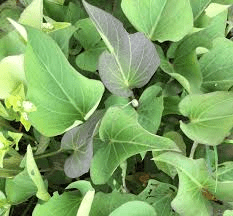
1. Compost: Potato leaves can be composted to create nutrient-rich compost for gardens and farms.
2. Animal Feed: Dried or fresh potato leaves can be used as a supplementary feed for livestock.
3. Green Manure: Potato leaves can be plowed back into the soil as green manure to enhance soil fertility.
4. Biofertilizers: Extracts from potato leaves can be used to produce biofertilizers that improve plant growth and soil health.
5. Mulch: Potato leaves can be used as mulch to retain soil moisture, suppress weeds, and improve soil structure.
6. Insect Repellents: Natural compounds from potato leaves can be extracted to create insect repellents.
7. Plant Growth Promoters: Extracts from potato leaves can be used as natural plant growth promoters in agriculture.
8. Organic Matter: Decomposing potato leaves add organic matter to the soil, improving its fertility and structure.
9. Soil Conditioners: Potato leaf residues can be used as soil conditioners to enhance soil health and productivity.
10. Biogas Production: Potato leaf residues can be used in anaerobic digestion to produce biogas, a renewable energy source.
11. Biochar: Potato leaves can be converted into biochar, a form of charcoal that enhances soil fertility and sequesters carbon.
12. Medicinal Extracts: Compounds from potato leaves can be used in traditional medicine for their potential health benefits.
13. Phytoremediation Agents: Potato leaves can be used in phytoremediation to help clean contaminated soils.
14. Vermicompost: Potato leaves can be used in vermicomposting to produce high-quality compost using earthworms.
15. Soil Microbial Inoculants: Potato leaves can be used to cultivate beneficial soil microorganisms for use as soil inoculants.
16. Agroforestry Applications: Potato leaves can be used in agroforestry systems to improve soil health and provide organic matter.
17. Carbon-Rich Soil Additives: Potato leaves can be used to create carbon-rich soil additives that enhance soil fertility and productivity.
Read Also: 14 Medicinal Health Benefits of Ghost Pepper (Capsicum Chinese)
Frequently Asked Questions (FAQ’s) About Potato Leaves
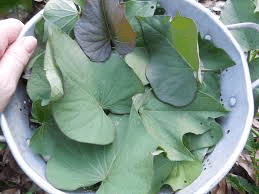
1. What are potato leaves?
Potato leaves are the green, above-ground parts of the potato plant that perform photosynthesis to provide energy for the plant.
2. Are potato leaves edible?
No, potato leaves contain solanine, a toxic compound, and should not be consumed.
3. How do potato leaves benefit the soil?
Potato leaves improve soil health by adding organic matter, enhancing soil structure, and contributing to nutrient cycling.
4. Can potato leaves be used as animal feed?
Yes, potato leaves can be used as animal feed, but they should be dried or processed properly to avoid potential toxicity.
5. How do potato leaves help in pest control?
Potato leaves produce natural compounds that can deter certain pests, reducing the need for chemical pesticides.
6. What role do potato leaves play in composting?
Potato leaves decompose and add valuable nutrients to compost, enhancing its quality and effectiveness.
7. Can potato leaves be used as mulch?
Yes, potato leaves can be used as mulch to retain soil moisture, suppress weeds, and improve soil fertility.
8. How are potato leaves used in organic farming?
Potato leaves are used in organic farming to improve soil health, reduce reliance on synthetic inputs, and support sustainable practices.
9. Are there any medicinal uses for potato leaves?
Some traditional medicines utilize potato leaves for their potential medicinal properties, though this is less common and should be approached with caution.
10. How do potato leaves contribute to biodiversity?
Potato leaves provide habitat and food for various beneficial insects and microorganisms, supporting biodiversity in agricultural ecosystems.
Read Also: The Effect of Heat Stress on Animal Productivity
🌱 Take Your Farming Further With Agric4Profits
Based on what you just read, here are free resources and products from Agric4Profits that can help your farm right now:
- 🛒 Visit Our Marketplace — Organic neem oil, bio-pesticides, seeds and farming products
- 📚 Read Premium Content — Advanced guides for serious and profitable farming
- 🎓 Join Our Free Academy — Structured free training for farmers across Africa
- 🔧 Use Our Free Farm Tools — Profit calculators, feed formulation, pest identifier and more
- 💬 Join Our Farming Community — Connect with farmers across all 54 African countries
- ❓ Ask a Farming Question — Get answers from experienced farmers and agricultural experts
Please cite this content in academic work, research, or publications.