


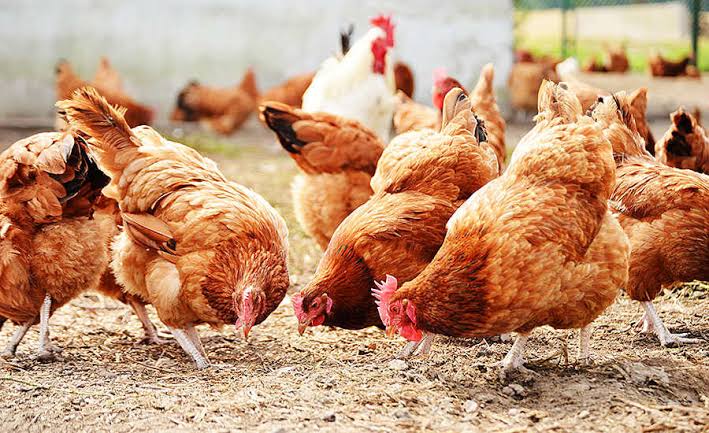
Chicken farming involves raising chickens for various purposes such as eggs, meat, and even as pets. It’s a practice that has been around for centuries, evolving from small backyard setups to large commercial operations.
When it comes to starting a chicken farm, one of the first things to consider is the purpose: egg production or meat production. Each requires different breeds, housing, and feeding methods.
For egg production, breeds like Leghorns and Rhode Island Reds are popular due to their high egg-laying capabilities. Meanwhile, breeds like Cornish Cross and Plymouth Rocks are often chosen for meat production due to their rapid growth and good meat quality.
Housing is essential in chicken farming. Coops or chicken houses should provide enough space for the birds to move around comfortably while protecting them from predators and extreme weather conditions. Cleanliness is crucial to prevent diseases, so regular cleaning of the coop is a must. Adequate ventilation and lighting are also necessary for the chickens’ health and productivity.
Feeding the chickens a balanced diet is vital for their growth and overall health. A combination of grains, seeds, greens, and protein sources like insects or commercial feed ensures they receive proper nutrition. Fresh water should always be available to keep them hydrated.
Managing the health of the flock is an ongoing task. Regular health checks, vaccination schedules, and prompt treatment of any illnesses or injuries are essential to prevent the spread of diseases among the chickens. This includes keeping an eye out for common issues like parasites or respiratory infections.
Chicken farming requires dedication and patience. It’s not just about raising chickens; it’s about ensuring their well-being, maximizing productivity, and maintaining a sustainable operation. As with any farming endeavor, there are challenges, but with proper knowledge, care, and management, it can be a rewarding and profitable venture.
Additionally, understanding the lifecycle of chickens is crucial. From hatching to maturity, each stage requires specific care and attention. Incubating eggs or purchasing chicks marks the beginning of the cycle. Providing warmth, proper bedding, and a balanced diet from the start are essential for healthy growth.
As the chickens grow, monitoring their development becomes important. This includes observing their behavior, ensuring they have enough space, and adjusting their diet according to their changing nutritional needs. Proper lighting schedules also influence their growth rate and egg production for laying hens.
In the case of egg-laying chickens, collecting eggs regularly and creating a suitable nesting environment encourages consistent laying. For meat production, monitoring the birds’ weight gain and providing adequate space for movement are critical factors in achieving optimal results.
One of the benefits of chicken farming is its versatility. It can be scaled up or down based on available resources and goals. Small-scale backyard operations can supply a family with fresh eggs, while larger commercial farms contribute to the food industry on a larger scale.
Moreover, chicken farming has its environmental benefits when managed sustainably. Chickens can consume kitchen scraps and agricultural byproducts, reducing waste and contributing to a more circular economy. Additionally, their manure serves as a valuable organic fertilizer for crops.
The industry continues to evolve with technological advancements, such as automated feeding systems and climate-controlled housing, improving efficiency and reducing labor costs. However, it’s essential to balance technology with ethical considerations, ensuring the well-being of the chickens remains a top priority.
Chicken farming is a multifaceted endeavor that requires knowledge, commitment, and a deep understanding of the birds’ needs. Whether for personal consumption or commercial purposes, maintaining a healthy and productive flock involves continuous learning, adaptability, and a genuine care for the welfare of the chickens.
Read Also: Thicket sedge (Carex abscondita) Uses, Growing and Care Guide
A. Importance of Chicken Farming
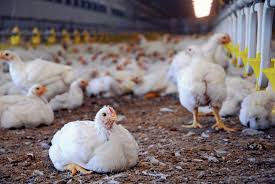
Chicken farming holds significant importance in various aspects of our lives and society. Here are some key reasons why it’s considered crucial:
1. Food Production: Chicken farming is a major source of food production worldwide. It provides a reliable source of protein through both meat and eggs, contributing to global food security. Chicken meat is lean, versatile, and relatively affordable, making it a staple in many diets.
2. Economic Contribution: Commercial poultry farming plays a substantial role in the economy. It creates employment opportunities in various sectors, from farm workers to processing plants and distribution networks. Additionally, it contributes to international trade, allowing countries to import and export poultry products.
3. Sustainable Agriculture: Integrating chicken farming into agricultural practices can promote sustainability. Chickens efficiently convert food scraps and agricultural waste into valuable resources like eggs, meat, and fertilizer. This helps in reducing waste and creating a more sustainable farming ecosystem.
4. Nutritional Value: Eggs are a highly nutritious food source, containing essential vitamins, minerals, and high-quality protein. Incorporating eggs into diets, especially in areas where access to diverse nutritional sources is limited, can significantly improve overall health.
5. Livelihoods and Small-Scale Farming: Chicken farming isn’t solely a large-scale industry; it’s accessible to small-scale and backyard farmers. For many rural communities, raising chickens can provide a supplementary income and a source of nutrition for their families. It empowers individuals to participate in agriculture without extensive resources.
6. Research and Development: Continuous advancements in chicken farming techniques and technology contribute to agricultural research and development. This includes breeding for disease resistance, improving feed efficiency, and developing sustainable farming practices, which can benefit broader agricultural systems.
7. Environmental Impact: Sustainable chicken farming practices, such as using chicken manure as fertilizer or integrating chickens into crop rotation, can positively impact the environment. It reduces waste, promotes soil health, and creates more efficient and circular agricultural systems.
Overall, the importance of chicken farming extends beyond just producing poultry products. It touches upon various aspects of our lives, from nutrition and economy to sustainability and community development. Balancing efficient production with ethical and sustainable practices is crucial to ensuring its continued significance in our world.
B. The Process of Chicken Farming
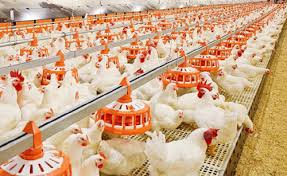
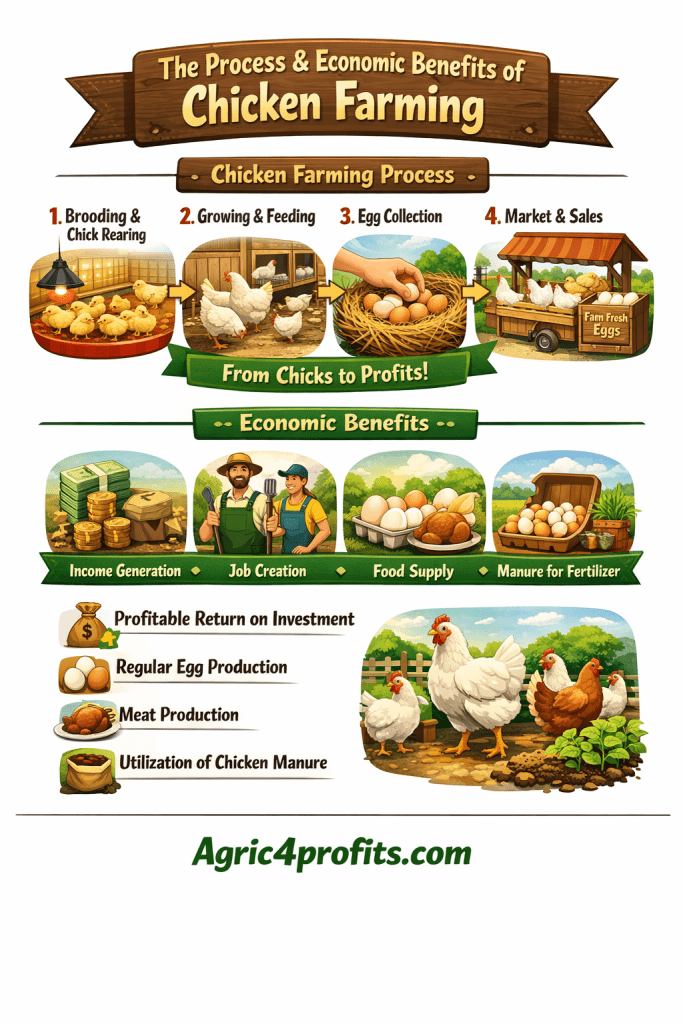
The process of chicken farming involves several key stages:
1. Planning and Preparation: Before starting a chicken farm, planning is crucial. This involves deciding on the type of farming (egg production, meat production, or both), selecting the appropriate chicken breeds, and setting up a suitable location for the farm.
2. Housing and Infrastructure: Constructing the right housing or coops is essential. The design should ensure adequate space, ventilation, and protection from predators and harsh weather conditions. Proper bedding and nesting areas should also be provided.
3. Acquiring Chickens: Depending on the purpose of the farm, acquiring either day-old chicks or mature chickens is the next step. These can be obtained from hatcheries, breeders, or through hatching eggs using an incubator.
4. Feeding and Watering: Providing a balanced diet is crucial for the health and growth of chickens. A mix of grains, seeds, greens, and protein sources, either commercial feed or natural, should be offered. Clean and fresh water should always be available.
5. Health Care and Management: Regular health checks, vaccination schedules, and preventive measures against common diseases and parasites are vital. Proper waste management and sanitation help maintain a healthy environment for the chickens.
6. Monitoring and Growth: Monitoring the chickens’ growth and behavior is essential. This involves observing their eating habits, ensuring proper growth rates, and adjusting diets accordingly. For egg-laying chickens, creating a suitable nesting environment encourages consistent egg production.
7. Egg Collection or Meat Production: For egg-laying farms, regular egg collection is necessary to prevent breakage and encourage continuous laying. For meat production, monitoring weight gain and ensuring the birds are ready for processing according to market standards are crucial.
8. Market or Consumption: Depending on the farm’s purpose, eggs and meat can be sold to markets, restaurants, or directly to consumers. In the case of backyard farming, the products may be for personal consumption.
9. Continuous Maintenance and Improvement: Ongoing maintenance of the farm, including regular cleaning, equipment maintenance, and adapting to new technologies or methods for efficiency, is vital for the farm’s success.
Throughout these processes, it’s essential to prioritize the welfare of the chickens, maintain hygiene standards, and continually educate oneself about best practices in chicken farming for optimal results.
Read Also: How To Grow, Use and Care For Thickspike Wheatgrass (Elymus lanceolatus)
C. Economic Benefits of Chicken Farming
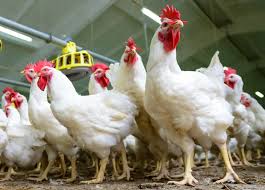
Chicken farming offers various economic benefits:
1. Income Generation: It serves as a source of income for farmers. Both small-scale and large-scale chicken farming can generate revenue through the sale of eggs, meat, or both. This can significantly contribute to the livelihoods of farmers and their families.
2. Employment Opportunities: Commercial chicken farming creates job opportunities in different sectors of the economy. From farm workers involved in daily care to processing, packaging, transportation, and marketing, it supports employment on various levels, especially in rural areas.
3. Contribution to GDP: The poultry industry contributes significantly to a country’s Gross Domestic Product (GDP) through production, sales, and exports of poultry products. It plays a crucial role in the overall economic growth of a nation.
4. Value Addition: Chicken farming adds value to agricultural byproducts and waste. Chickens efficiently convert kitchen scraps, agricultural residues, and insects into valuable protein sources, eggs, and meat, contributing to resource optimization and reducing waste.
5. Support for Ancillary Industries: The poultry industry supports several ancillary industries. Feed manufacturers, equipment suppliers, veterinary services, and transportation are just a few examples. The demand from chicken farming drives growth in these sectors.
6. Market Stability and Accessibility: Chicken products, such as eggs and meat, are relatively affordable and accessible to a wide range of consumers. This stability in pricing and availability provides a consistent food source for populations, contributing to food security.
7. Rural Development: Chicken farming can foster rural development by empowering small-scale farmers. It allows them to participate in agriculture without extensive resources, thereby improving economic conditions in rural areas.
8. International Trade: Poultry products are often traded internationally, contributing to a country’s export earnings. This opens up opportunities for trade agreements and foreign exchange inflow, strengthening economic ties globally.
Summary on The Process and Economic Benefits of Chicken Farming
| Aspect | Details |
|---|---|
| Definition | Chicken farming (poultry farming) is a branch of animal husbandry involving the raising of domestic chickens for the production of meat, eggs, feathers, and manure |
| Production Types | Broiler farming (meat), Layer farming (eggs), Dual-purpose farming (both meat and eggs) |
| Farming Systems | Intensive/Commercial (battery cages, deep litter, controlled environment); Semi-intensive; Free-range; Backyard/Village flocks |
| Key Breeds — Broilers | Cobb, Hubbard, Ross, Hybro, Arboracres — fast-growing, reach market weight (~2 kg) in 6–8 weeks |
| Key Breeds — Layers | Hy-Line, Lohmann, ISA Brown, Bovan’s Brown, Shaver — commercial hens produce 280–320 eggs/year |
| Broiler Production Cycle | Hatch → Brooding (0–2 weeks) → Growing (2–6 weeks) → Finishing (6–8 weeks) → Slaughter; up to 5–6 batches/year |
| Layer Production Cycle | Hatch → Brooding/Rearing (0–16 weeks) → Point of lay (16–21 weeks) → Peak production → Depletion at ~72 weeks |
| Essential Farm Inputs | Day-old chicks, balanced feed (protein, vitamins, minerals), clean water, housing/equipment, vaccines, medications, litter material |
| Housing Requirements | Proper ventilation, temperature control, biosecurity, adequate space (broilers: ~0.1 m²/bird; layers: varies by system), nest boxes, feeders, and drinkers |
| Feed & Nutrition | Feed constitutes 60–70% of total production cost; diet adjusted by stage — starter, grower, finisher (broilers); chick mash, grower mash, layer mash (layers); supplemented with vitamins, minerals, and grit |
| Water Requirements | Chickens drink 2× their feed intake in water; clean, fresh water is critical — inadequate water reduces production significantly |
| Health Management | Vaccination program (Newcastle, IBD, IB, Marek’s, Fowlpox); biosecurity; deworming; monitoring for disease outbreaks; proper litter and waste management |
| Revenue Streams | Meat sales, egg sales, spent hen sales, manure/litter sales, feathers, hatching eggs, and value-added products (bone broth, smoked poultry) |
| Profitability (Broilers) | Short production cycle enables rapid capital turnover; profit per bird varies by region, feed cost, and market price |
| Profitability (Layers) | Steady daily income from egg sales; 100 hens at peak production yield ~80 eggs/day (560 eggs/week) |
| Low Capital Entry | Relatively low start-up costs compared to other livestock ventures; land requirements are minimal; government subsidies and grants often available |
| Employment Creation | Creates direct jobs (farm workers, veterinarians, feed technicians) and indirect jobs (feed mills, hatcheries, processors, transporters, retailers) |
| Food Security Role | Major source of affordable animal protein — chicken is the world’s most consumed meat; eggs are the most affordable protein for low-income households |
| Manure / Organic Fertilizer | Poultry manure is a high-nitrogen organic fertilizer; can be sold or used on-farm to improve soil fertility and crop yield |
| Women Empowerment | Backyard and small-scale chicken farming is a primary income source for rural women in Africa, Asia, and Latin America |
| Integration Benefits | Chickens can be integrated with crop farming — manure fertilizes soil, birds control pests and weeds, reducing input costs |
| Key Challenges | Disease outbreaks, high feed costs, price volatility, inconsistent chick supply, limited access to credit, poor market infrastructure |
| Global Market Outlook | Poultry is the fastest-growing meat sector globally; demand driven by population growth, urbanisation, and dietary shifts toward white meat |
Frequently Asked Questions About Chicken Farming
1. How much capital do I need to start a chicken farm?
Start-up costs vary by scale and system. A small backyard flock of 50–100 birds requires minimal investment, while a commercial broiler or layer unit of 1,000+ birds requires significant capital for housing, equipment, chicks, and feed. Many governments offer subsidies, grants, and agricultural loans to reduce the financial barrier.
2. Which is more profitable — broiler farming or layer farming?
Both are profitable but differ in cash flow patterns. Broiler farming offers faster returns (6–8 weeks per cycle, up to 5–6 batches per year) with quick capital turnover. Layer farming provides steady daily income from egg sales but requires a longer investment period (16–21 weeks) before returns begin. The best choice depends on your capital, market access, and management capacity.
3. How many eggs does a commercial laying hen produce per year?
High-producing commercial layer breeds such as Hy-Line, Lohmann, and ISA Brown can produce 280–320 eggs per year under optimal conditions. Egg production begins at 16–21 weeks of age and peaks around 25–30 weeks. Production declines significantly after 72 weeks, at which point hens are typically replaced.
4. What do chickens eat and how much does feed cost?
Chickens are omnivores fed on balanced compound feeds formulated by production stage — starter (0–3 weeks), grower (3–6 weeks), and finisher (6–8 weeks) for broilers; chick mash, grower mash, and layer mash for layers. Feed accounts for 60–70% of total production costs, making feed management critical to profitability.
5. How do I prevent diseases on my chicken farm?
Disease prevention relies on strict biosecurity (controlling farm access, disinfecting equipment and vehicles, separating age groups), a structured vaccination program (Newcastle Disease, IBD, Infectious Bronchitis, Marek’s Disease, Fowlpox), clean housing, proper litter management, good ventilation, and regular health monitoring. Early detection and prompt treatment of sick birds are essential.
6. How long does it take to raise broiler chickens to market weight?
Under modern commercial management, broiler chickens reach a market weight of approximately 2–2.5 kg in 6–8 weeks. With good feeding, housing, and health management, up to 5–6 batches can be completed per year per house.
7. Can chicken farming be done on a small piece of land?
Yes. Chickens have one of the lowest land requirements among farm animals. A deep litter or battery cage system can house hundreds to thousands of birds per hectare. Even a backyard flock of 20–50 birds can be raised on a very small plot, making chicken farming accessible to smallholder farmers and urban/peri-urban producers.
8. What are the main by-products of chicken farming and can they generate income?
Key by-products include poultry manure (sold as organic fertilizer), feathers (used in feed meal, cushions, and insulation), spent hens (sold for meat), eggshells (calcium supplement for livestock or gardens), and slaughterhouse offal (processed into bone meal or pet food). These by-products can meaningfully supplement farm income.
9. How do I market my chicken products?
Marketing channels include local open markets, restaurants and hotels, supermarkets and retail chains, direct-to-consumer sales, food processors, and online platforms. Value-added products such as dressed/processed chicken, smoked poultry, and packaged eggs command higher prices. Building relationships with consistent buyers and joining farmer cooperatives can stabilize income and reduce price volatility.
10. What are the biggest risks in chicken farming and how can I manage them?
The main risks are disease outbreaks (managed through vaccination and biosecurity), high and volatile feed costs (mitigated by bulk purchasing or on-farm feed mixing), chick quality issues (addressed by sourcing from reputable hatcheries), market price fluctuations (reduced through contract farming or diversified markets), and environmental conditions (managed through proper housing design and climate control). Maintaining an emergency fund and keeping accurate farm records are critical risk management tools.
Do you have any questions, suggestions, or contributions? If so, please feel free to use the comment box below to share your thoughts. We also encourage you to kindly share this information with others who might benefit from it. Since we can’t reach everyone at once, we truly appreciate your help in spreading the word. Thank you very much for your support and for sharing!
Read Also: Low-carb Desserts