


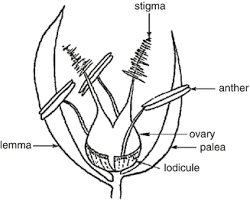
The sorghum ovary is a vital component of the sorghum plant's reproductive system. As part of the flower's female reproductive organs, the ovary plays a central role in the process of seed development and overall plant reproduction.
In sorghum (Sorghum bicolor), the ovary is located at the base of the flower and is responsible for housing the ovules, which are the potential seeds. The structure of the ovary is typically a small, rounded or oval-shaped chamber. Its primary function is to protect and support the developing ovules until they are fertilized.
The ovary consists of several key parts. It is connected to the style, a slender tube that extends from the base of the ovary to the stigma, which is the part of the flower where pollen is received. The stigma is positioned at the top of the style and is designed to capture pollen from the male reproductive structures, or anthers, which are located on the same or adjacent flowers. Once pollen lands on the stigma, it travels down the style to the ovary, where fertilization occurs.
The ovary's internal structure includes the ovules, which are the precursors to seeds. Each ovule contains an embryo sac, which houses the egg cell. During fertilization, pollen grains germinate and form a pollen tube that grows down the style and into the ovary. Sperm cells travel through this tube to reach the egg cell within the ovule. Successful fertilization results in the formation of a zygote, which develops into a seed.
The ovary also contains a protective layer called the ovary wall, which helps safeguard the ovules and developing seeds. After fertilization, the ovary matures and transforms into a fruiting structure known as a grain or seed. This process involves the ovary enlarging and the surrounding tissues hardening to form the seed coat, which protects the developing seed until it is ready to be dispersed and germinate into a new plant.
In agricultural practices and breeding programs, understanding the structure and function of the sorghum ovary is crucial. For instance, breeders may select for traits related to ovary development to improve seed yield and quality. This includes traits that enhance the ovary's ability to produce and support a higher number of ovules, which ultimately leads to increased seed production.
🌿 Go Organic on Your Farm: Instead of harmful chemical pesticides and fertilisers, try our organic farming products — including neem oil spray, bio-pesticides, natural plant treatments, organic seeds and seedlings, suckers, and many more organic products that are safe for your health, your family, your soil and your harvest. Shop Now →
Overall, the sorghum ovary is a key structure in the plant's reproductive system, playing a fundamental role in seed development and crop yield. Its efficient functioning and interaction with other floral parts ensure the successful reproduction of sorghum plants, which is essential for sustaining this important cereal crop.
The Economic Importance and Uses of Sorghum Ovary
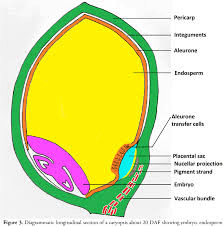
1. Crop Breeding: The sorghum ovary is crucial for breeding programs aimed at developing sorghum varieties with improved yield and quality.
2. Seed Development: The ovary is essential for the formation of seeds, which are vital for the propagation of sorghum plants.
3. Genetic Research: Studying the sorghum ovary helps in understanding plant reproduction and genetics, contributing to better sorghum varieties.
🔧 Free Farm Tool Available: Use our free Agric4Profits Farm Tools to calculate your farm profits, formulate feeds, identify pests and diseases on both your crops and animal farms, plan your planting and harvesting season, including many more farm tasks to get free expert advice and recommendations — completely free, no registration required. Access Free Tools →
4. Pollination Studies: Research on the ovary assists in understanding pollination mechanisms and improving pollination efficiency.
5. Fertility Improvement: Knowledge of the sorghum ovary aids in enhancing plant fertility and seed production.
6. Disease Resistance: The ovary's role in plant reproduction helps in breeding sorghum varieties that are resistant to diseases.
7. Crop Management: Understanding the ovary contributes to better crop management practices for optimal growth and yield.
8. Sustainable Agriculture: Improved knowledge of the ovary supports sustainable agricultural practices by developing resilient sorghum varieties.
💬 Have a Farming Question? Join thousands of farmers across Africa on the Agric4Profits Community — ask questions, share experiences and connect with agricultural experts. It is completely free. Ask Your Question Now →
9. Educational Resources: The study of sorghum ovary provides educational materials for farmers, researchers, and students.
10. Agricultural Innovation: Research on the ovary leads to innovations in sorghum cultivation and breeding technologies.
11. Environmental Adaptation: Knowledge of the sorghum ovary helps in developing varieties that can adapt to various environmental conditions.
12. Food Security: Enhanced seed production through ovary research supports food security by increasing sorghum yield.
13. Soil Health: Understanding ovary-related processes contributes to practices that improve soil health and fertility.
14. Biofuel Research: Sorghum varieties with optimized ovary function are studied for their potential in biofuel production.
15. Crop Diversity: Research on the sorghum ovary helps in maintaining and enhancing crop diversity.
16. Nutritional Studies: Sorghum varieties developed through ovary research contribute to improved nutritional quality of the crops.
17. Economic Development: Better sorghum varieties and improved crop management practices support economic development in sorghum-growing regions.
📖 Want to Go Deeper on This Topic?
Our expert agricultural ebooks cover poultry, fish farming, different crops production, snail farming, organic farming, mushrooms, sheep, cattle, flowers, pig farming, goat farming, agribusiness, etc. in practical step-by-step detail — written by agricultural professionals for African farmers.
Browse All Farming Ebooks →18. Scientific Research: The sorghum ovary is an important subject in scientific research focused on plant reproduction and genetics.
Read Also: Prevention and Methods of Controlling Coccidiosis Among Chickens
The Products and By-products That Can Be Derived From Sorghum Ovary
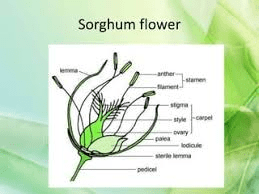
1. Improved Sorghum Varieties: Developed through breeding programs focused on the ovary to enhance yield and quality.
2. High-Quality Seeds: Produced from well-developed ovaries, essential for planting and propagation.
3. Disease-Resistant Varieties: Sorghum varieties bred for resistance to diseases, influenced by ovary research.
4. Fertility Enhancement Practices: Techniques developed to improve plant fertility and seed production.
5. Educational Materials: Resources and training materials for farmers and researchers based on ovary research.
6. Sustainable Agriculture Practices: Practices developed from understanding ovary function to support sustainable farming.
7. Biofuel Crops: Sorghum varieties optimized for biofuel production through ovary-related research.
8. Crop Management Technologies: Innovations in crop management developed from ovary studies.
9. Environmental Adaptation Strategies: Methods for adapting sorghum to various environmental conditions based on ovary research.
10. Soil Health Practices: Practices to improve soil health developed from ovary-related studies.
11. Nutritional Supplements: Improved sorghum varieties with enhanced nutritional quality for use in supplements.
12. Scientific Publications: Research papers and articles on sorghum ovary and related topics.
13. Agricultural Technologies: Technologies and tools for better sorghum cultivation and breeding.
14. Crop Diversity Initiatives: Programs to maintain and enhance sorghum crop diversity.
15. Food Security Solutions: Strategies to improve food security through better sorghum varieties and practices.
16. Economic Development Programs: Programs to support economic development in sorghum-growing regions.
17. Breeding Techniques: Techniques for developing high-quality sorghum varieties based on ovary research.
18. Training Programs: Educational programs for farmers and researchers focused on sorghum ovary and its applications.
Read Also: Time and Methods of Fertilizer Application on Crops
Frequently Asked Questions (FAQ’s) About Sorghum Ovary
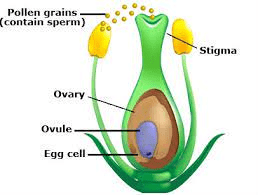
1. What is a sorghum ovary?
The sorghum ovary is the part of the sorghum flower that contains the ovules and is essential for seed development.
2. Why is the sorghum ovary important for crop breeding?
It plays a crucial role in the development of seeds, which are necessary for breeding new and improved sorghum varieties.
3. How does the sorghum ovary affect seed production?
A healthy ovary is essential for successful seed formation and production.
4. What role does the sorghum ovary play in genetic research?
It helps researchers understand plant reproduction and genetics, contributing to the development of better sorghum varieties.
5. Can research on the sorghum ovary improve disease resistance?
Yes, by studying the ovary, researchers can breed sorghum varieties with improved disease resistance.
6. How does knowledge of the sorghum ovary contribute to sustainable agriculture?
It supports the development of resilient and high-yielding sorghum varieties that promote sustainable farming practices.
7. What are some products derived from research on sorghum ovaries?
Products include improved sorghum varieties, high-quality seeds, and biofuel crops.
8. How does understanding the sorghum ovary aid in crop management?
It helps develop better management practices for optimal growth and yield.
9. How is the sorghum ovary studied in scientific research?
It is studied to understand plant reproduction, genetics, and to develop improved sorghum varieties.
10. What impact does sorghum ovary research have on economic development?
It supports economic growth in sorghum-growing regions by enhancing productivity and sustainability.
Read Also: Measurement and Definition of the term water yield
🌱 Take Your Farming Further With Agric4Profits
Based on what you just read, here are free resources and products from Agric4Profits that can help your farm right now:
- 🛒 Visit Our Marketplace — Organic neem oil, bio-pesticides, seeds and farming products
- 📚 Read Premium Content — Advanced guides for serious and profitable farming
- 🎓 Join Our Free Academy — Structured free training for farmers across Africa
- 🔧 Use Our Free Farm Tools — Profit calculators, feed formulation, pest identifier and more
- 💬 Join Our Farming Community — Connect with farmers across all 54 African countries
- ❓ Ask a Farming Question — Get answers from experienced farmers and agricultural experts
Please cite this content in academic work, research, or publications.