


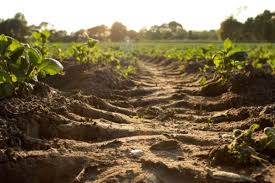
Soil is the uppermost part of the earth’s crust that supports plant growth. It serves as a medium from which plants absorb nutrients necessary for growth and development, and it also houses microorganisms that contribute significantly to ecosystem balance.
Given the vital role of soil in agriculture and the ecosystem, protecting it from degradation is essential. This article addresses the concept of soil erosion, a major threat to soil integrity when left unmanaged.
Definition of Soil Erosion in Agricultural Context
Soil erosion is the gradual removal of the top layer of soil by agents such as water, wind, ice, and glaciers. These agents transport soil particles across distances, leading to a reduction in soil fertility. In arid regions, wind is the predominant agent, while in humid regions, water is the major cause.
Read Also: 14 Medicinal Health Benefits of Epimedium grandiflorum (Horny Goat Weed)
Types of Soil Erosion Affecting Agriculture
🌿 Go Organic on Your Farm: Instead of harmful chemical pesticides and fertilisers, try our organic farming products — including neem oil spray, bio-pesticides, natural plant treatments, organic seeds and seedlings, suckers, and many more organic products that are safe for your health, your family, your soil and your harvest. Shop Now →

There are five (5) major types of soil erosion:
1. Splash Soil Erosion – Occurs when raindrops hit bare soil, detaching particles and making them susceptible to further erosion.
2. Sheet Soil Erosion – The even removal of a thin layer of topsoil from a large area, especially land with sparse or no vegetation.
🔧 Free Farm Tool Available: Use our free Agric4Profits Farm Tools to calculate your farm profits, formulate feeds, identify pests and diseases on both your crops and animal farms, plan your planting and harvesting season, including many more farm tasks to get free expert advice and recommendations — completely free, no registration required. Access Free Tools →
3. Rill or Finger Soil Erosion – Develops as small channels form from running water, which may later expand into gullies.
4. Gully Soil Erosion – A more advanced stage of erosion that creates deep channels in the land, often rendering farmland uncultivable.
5. Wind Soil Erosion – Common in arid and semi-arid zones, where wind carries soil particles away, leading to the formation of sand dunes and loss of fertile soil.
Detailed Explanation of Soil Erosion Types
1. Sheet Soil Erosion in Farmland: Sheet erosion wears away the topsoil on land with minimal vegetation. This results in the exposure of infertile subsoil, causing nutrient loss. It becomes noticeable when plant roots or subsoil are exposed.
💬 Have a Farming Question? Join thousands of farmers across Africa on the Agric4Profits Community — ask questions, share experiences and connect with agricultural experts. It is completely free. Ask Your Question Now →
2. Rill or Finger Soil Erosion and Its Impact: Rill erosion begins with small water channels, often formed during surface runoff. These channels resemble fingers on the soil surface and may evolve into gully erosion if not controlled. It is among the most damaging forms of soil degradation in farming.
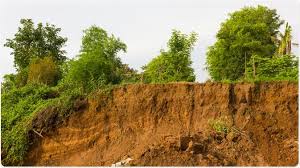
3. Gully Soil Erosion and Farmland Destruction: Gully erosion is an advanced form of rill and sheet erosion. Unchecked water flow deepens the channels, cutting through soil layers. Large gullies can destroy farmlands and make cultivation impossible.
4. Splash Soil Erosion from Rainfall: Splash erosion begins with rainfall hitting bare soil, dislodging particles. These loose particles are then easily washed away, leading to further erosion such as sheet and wind erosion.
5. Wind Soil Erosion in Dry Areas: This type of erosion is prominent in dry zones with little vegetation. Strong winds lift and transport loose soil particles, reducing soil fertility and forming sand drifts.
Factors Influencing Soil Erosion in Agriculture
The severity of soil erosion in a region is influenced by several factors:
1. Soil structure and composition: Poorly structured soils are more prone to erosion.
2. Vegetation cover: Sparse vegetation allows erosion agents to affect soil directly.
3. Topography of the land: Steep slopes accelerate surface runoff and soil loss.
📖 Want to Go Deeper on This Topic?
Our expert agricultural ebooks cover poultry, fish farming, different crops production, snail farming, organic farming, mushrooms, sheep, cattle, flowers, pig farming, goat farming, agribusiness, etc. in practical step-by-step detail — written by agricultural professionals for African farmers.
Browse All Farming Ebooks →4. Agricultural practices: Poor farming methods expose soil to erosion.
5. Deforestation: Removing trees destabilizes soil and encourages erosion.
6. Road construction and urbanization: These activities disturb the land and cause runoff.
7. Climate changes (global warming): Altered rainfall patterns intensify erosion risks.
8. Bush burning: Destroys protective plant cover, making soil more vulnerable.
Effects of Soil Erosion on Agricultural Land
1. Land degradation: Reduces soil fertility and structure.
2. Sedimentation of aquatic ecosystems: Runoff carries soil into water bodies.
3. Water pollution: Eroded soil contaminates water sources.
4. Air pollution (dust): Wind erosion spreads dust in the air.
5. Leaching of soil nutrients: Nutrients are washed beyond reach of crops.
6. Reduced size of farmland: Erosion limits the usable land area.
7. Reduction in crop yield: Less fertile soil leads to lower productivity.
Control Measures for Soil Erosion in Agriculture
Effective soil erosion control involves strategies to minimize soil loss due to runoff, tillage, wind, and human activities. These include:
1. Terracing for Slope Management: Terracing combines contouring and land shaping. Earth embankments intercept and channel water safely, decreasing slope length and gradient. This slows runoff and prevents soil loss.
2. Contouring for Erosion Control: All farming activities, including tillage and planting, are done across slopes. This slows water movement, allowing moisture infiltration and reducing erosion risk.
3. Cover Cropping for Soil Protection: Cover crops spread across the soil surface, shielding it from raindrops and wind. They also improve soil structure and fertility, especially when leguminous plants are used.
4. Tillage Practices to Reduce Erosion: Improper tillage exposes soil. Suitable tillage methods, sometimes involving zero tillage, leave soil rough and protected with crop residues, enhancing infiltration and minimizing runoff.
5. Strip Cropping for Land Conservation: Two or more crops are planted in alternating strips across slopes. Soil-conserving crops trap particles detached from row crops, reducing runoff and wind effects.
6. Mulching for Surface Protection: Applying mulch such as straw, compost, or plastic reduces evaporation, suppresses weeds, and protects soil from raindrop impact and wind, allowing seedlings to establish safely.
7. Vegetated Waterways to Reduce Runoff Velocity: Grassed channels reduce water flow speed and absorb energy that causes erosion. Hardy, perennial grasses are used to stabilize these channels and guide runoff safely.
8. Conservation Tillage for Organic Matter: Leaving crop residues after harvest enhances soil structure and reduces particle detachment. This practice is especially effective on slopes cultivated with annual crops.
9. Wind Breaks for Wind Erosion Control: Planting rows of trees across wind direction reduces wind speed. These trees trap airborne particles, create microclimates, and support biodiversity while protecting soil.
Soil erosion is a destructive force in agriculture, threatening not only crop yield but also infrastructure like roads and buildings. Its impact extends to water systems and air quality.
Implementing effective erosion control measures is crucial to preserving soil health and ensuring sustainable agricultural productivity.
Frequently Asked Questions
We will update this section soon.
🌱 Take Your Farming Further With Agric4Profits
Based on what you just read, here are free resources and products from Agric4Profits that can help your farm right now:
- 🛒 Visit Our Marketplace — Organic neem oil, bio-pesticides, seeds and farming products
- 📚 Read Premium Content — Advanced guides for serious and profitable farming
- 🎓 Join Our Free Academy — Structured free training for farmers across Africa
- 🔧 Use Our Free Farm Tools — Profit calculators, feed formulation, pest identifier and more
- 💬 Join Our Farming Community — Connect with farmers across all 54 African countries
- ❓ Ask a Farming Question — Get answers from experienced farmers and agricultural experts
Please cite this content in academic work, research, or publications.