


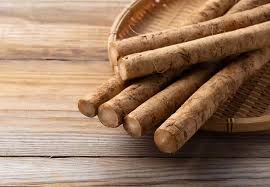
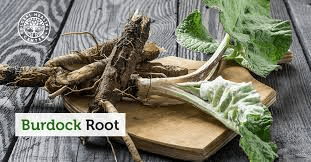
Burdock (Arctium lappa) is a biennial plant in the daisy family (Asteraceae), native to northern Asia and Europe but now widely grown in the United States and other regions. The long, deep taproot—brown or nearly black on the outside—is the primary medicinal and edible part used for centuries in traditional medicine systems, including Traditional Chinese Medicine (TCM), European herbalism, and North American folk remedies.
Traditionally valued as a diuretic and digestive aid, burdock root is now recognized for its rich content of health-promoting antioxidants such as quercetin, luteolin, and various phenolic acids. It is consumed as fresh root, dried powder, tea, extracts, or oil to support detoxification, circulation, lymphatic health, blood sugar balance, and skin conditions like acne, eczema, and psoriasis. Modern research also explores its potential against cancer, arthritis, and other chronic conditions.
Read Also: Arrowroot: Importance and Health Benefits
Key Active Compounds and Traditional Uses
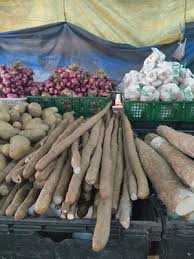
In TCM and global herbal traditions, burdock root is prized for “detoxifying” the blood, promoting circulation to the skin, and improving skin quality while treating conditions like eczema. The root is rich in antioxidants and anti-diabetic compounds. Burdock seeds show anti-inflammatory and tumor-inhibitory effects (e.g., against pancreatic carcinoma), while leaf extracts demonstrate antimicrobial activity against oral microorganisms.
Burdock has been investigated for managing chronic diseases such as cancer, diabetes, and even AIDS support in traditional contexts, though more clinical evidence is needed.
Health Benefits of Burdock Root
1. Powerhouse of Antioxidants
Burdock root contains multiple powerful antioxidants, including quercetin, luteolin, and phenolic acids. These compounds protect cells from free radical damage, reduce inflammation, and may help prevent or manage various health conditions. A 2014 study showed burdock root reduced inflammatory markers in patients with osteoarthritis.
2. Removes Toxins from the Blood
One of burdock’s most classic traditional uses is blood purification. Research supports this: a 2011 study found burdock root effectively detoxified the bloodstream and promoted better circulation.
3. May Inhibit Certain Types of Cancer
Burdock seeds exhibit potent inhibitory effects on tumor growth, particularly in pancreatic carcinoma (2011 study). Additional research from 2016 showed burdock root interfered significantly with cancer cell proliferation. While promising, further human studies are required.
4. Potential Aphrodisiac Effects
Traditionally used to enhance libido, a 2012 animal study found burdock root extract improved sexual function and increased sexual behavior in male rats. Anecdotal reports support this in humans, but more research is needed.
5. Helps Treat Skin Issues
Burdock root’s anti-inflammatory and antibacterial properties make it valuable for acne, eczema, psoriasis, and other inflammatory skin conditions when applied topically. A 2014 study provided evidence that burdock may aid in healing topical burns.
Read Also: Ways of Preparing Plantain Suckers for Planting
Potential Risks and Side Effects
Burdock root is generally considered safe when consumed in food amounts from reputable sources, but caution is advised:
- Avoid wild-harvesting—burdock closely resembles toxic belladonna nightshade plants.
- Start with small doses if using supplements; quality and purity vary as they are not FDA-regulated.
- As a natural diuretic, avoid if dehydrated or taking other diuretics (risk of excessive fluid loss).
- People allergic to chrysanthemums, daisies, or ragweed may experience reactions.
- Not recommended for pregnant or breastfeeding women, or those trying to conceive.
- Safety in children has not been established—avoid unless supervised by a doctor.
- Possible contact dermatitis or allergic/inflammatory responses in sensitive individuals.
Forms and Doses
Burdock root is available in several forms:
- Burdock tea (1 cup per day is commonly considered safe)
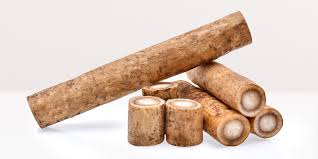
- Fresh burdock root (peel, then boil, fry, or sauté)
- Dried root powder
- Burdock oil or liquid extract
Fresh root incorporated into meals is generally the safest and most nutritious option. Follow product instructions or consult a healthcare provider for therapeutic doses, especially with supplements.
Do you have any questions, suggestions, or contributions? Feel free to use the comment box below to share your thoughts. We also encourage you to share this information with others who might benefit. Thank you for your support!
Scientific Evidence and Case Studies on Burdock Root (Arctium lappa)
1. Antioxidant and Anti-Inflammatory Effects: Multiple studies confirm high levels of quercetin, luteolin, and phenolic acids; 2014 research showed reduced inflammatory markers in osteoarthritis patients.
2. Blood Detoxification and Circulation: A 2011 study demonstrated burdock root’s ability to remove toxins from blood and enhance circulation, aligning with traditional “blood-purifying” claims.
3. Anticancer Potential: 2011 findings revealed potent tumor growth inhibition (especially pancreatic carcinoma) by burdock seed compounds; 2016 research showed interference with cancer cell proliferation.
4. Skin Healing and Anti-Acne Activity: Topical application supports treatment of eczema, psoriasis, acne, and burns (2014 study); antibacterial and anti-inflammatory actions contribute to skin health.
5. Aphrodisiac and Other Effects: Animal studies (2012) indicate improved sexual function; additional evidence supports anti-diabetic, diuretic, and digestive benefits in traditional and preliminary research.
Summary of Burdock Root (Arctium lappa): Amazing Medicinal Values
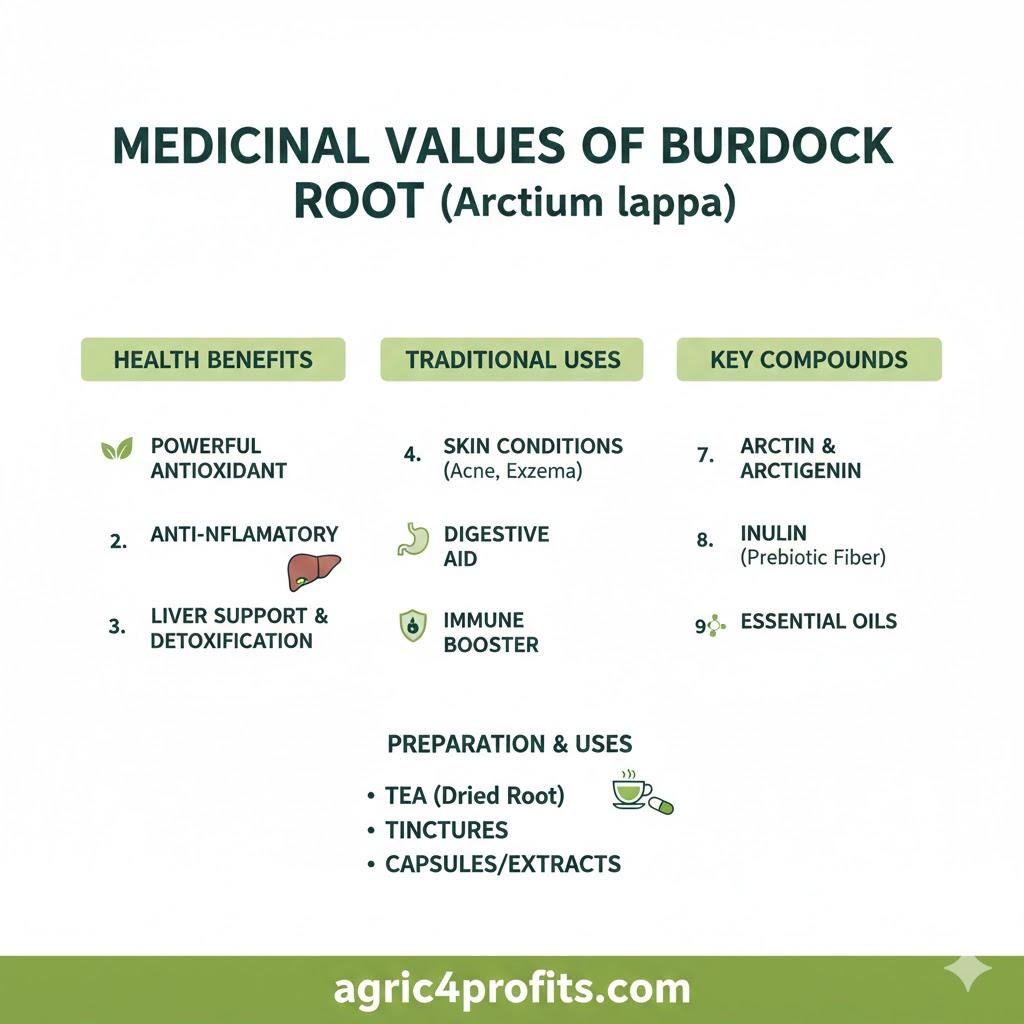
| Aspect | Key Points |
|---|---|
| What is Burdock Root? | Arctium lappa; biennial daisy-family plant; long brown/black root used medicinally and as food. |
| Active Compounds | Quercetin, luteolin, phenolic acids, antioxidants; anti-inflammatory, antibacterial, and anti-diabetic agents. |
| Main Health Benefits | Powerful antioxidant protection; blood detoxification; potential cancer inhibition; skin healing (acne, eczema, psoriasis, burns); anti-inflammatory for arthritis; possible aphrodisiac effects. |
| Traditional Uses | Blood purifier, diuretic, digestive aid; TCM for skin quality, detoxification, and circulation. |
| Modern Research | Supports reduced inflammation, toxin removal, tumor inhibition, skin repair; promising but more human trials needed. |
| Forms of Use | Tea (1 cup/day), fresh root (cooked), dried powder, oil/extracts. |
| Safety Considerations | Avoid wild harvest (toxic lookalikes); caution in pregnancy, allergies, dehydration, or diuretic use; consult doctor for supplements. |
| Overall Value | Versatile, nutrient-rich root with strong traditional backing and emerging scientific support for detoxification, skin, inflammation, and chronic disease management. |
Frequently Asked Questions
1. What is burdock root scientifically called?
Burdock root comes from the plant Arctium lappa, a member of the daisy family.
2. Why is burdock root considered a blood purifier?
It promotes detoxification by helping remove toxins from the bloodstream and improving circulation, as shown in a 2011 study.
3. Can burdock root help with skin conditions?
Yes, its anti-inflammatory and antibacterial properties support treatment of acne, eczema, psoriasis, and burns when used topically.
4. Does burdock root have anticancer potential?
Studies show burdock seeds and root compounds inhibit tumor growth (e.g., pancreatic cancer) and interfere with cancer cell proliferation, though more research is needed.
5. Is burdock root good for inflammation and arthritis?
Yes, its antioxidants reduce inflammatory markers, with evidence from studies on osteoarthritis patients.
6. Can burdock root act as an aphrodisiac?
Animal studies suggest it enhances sexual function; anecdotal human reports exist, but more evidence is required.
7. How should burdock root be consumed safely?
Use fresh root in cooking, drink 1 cup of tea daily, or follow supplement guidelines; buy from reputable sources only.
8. Are there any risks or side effects?
Possible allergic reactions (especially if allergic to daisies), dehydration (diuretic effect), or confusion with toxic plants if wild-harvested; avoid in pregnancy or with certain medications.
9. Is burdock root safe for children?
Safety has not been established in children—avoid unless under medical supervision.
10. What makes burdock root nutritious?
It is rich in powerful antioxidants (quercetin, luteolin, phenolic acids) that protect cells, reduce inflammation, and support overall health.
Do you have any questions, suggestions, or contributions? If so, please feel free to use the comment box below to share your thoughts. We also encourage you to kindly share this information with others who might benefit from it. Since we can’t reach everyone at once, we truly appreciate your help in spreading the word. Thank you very much for your support and for sharing!
Disclaimer: This article is for educational and informational purposes only. The health benefits described are based on scientific research and traditional knowledge. They ayre not a substitute for professional medical advice, diagnosis, or treatment. Always consult a healthcare professional before using any herb or natural remedy for medical purposes.
Read Also: Why Term Insurance Could Be the Right Choice for You