


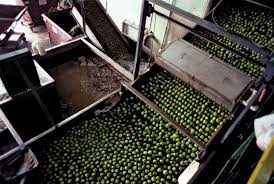
Due to the increase in world population and consumer awareness of the health benefits of consuming fruits and vegetables, the demand for fruits and vegetables has increased considerably. In many cases, raw fruits and vegetables are not consumed directly by humans but undergo processing to separate the desired value product from other constituents of the plant.
Fruits and vegetables are processed into fruit drinks, fruit nectars, preserves, pickles, canned fruits and vegetables, and other products. During the processing of fruits and vegetables, large quantities of solid and liquid wastes are generated.
This article explores various ways these by-products can be utilized. The previous article discussed the definition of food by-products, points along the food supply chain where food by-products and wastes are generated, the importance of food by-product and waste utilization, typical wastes encountered in the food processing sector, food processing operations, associated waste, and utilization of food wastes/by-products.
Read Also : Heat Detection Methods and Signs in Farm Animals
Utilization of By-Products from Pineapple Processing

The pineapple (Ananas comosus) is one of the most important fruits in the world and is the leading edible member of the family Bromeliaceae. Its juice is the third most preferred worldwide after orange and apple juices.
Pineapple by-products are mainly residual pulp, peels, stem, and leaves. Peel is the major bio-waste generated during pineapple processing. Other wastes include the core and bagasse. Pineapple waste can be used for:
1. Biofuel Production: Sugars present in large quantities in pineapple peel can be used as nutrients in fermentation processes for the production of biofuel. The peel can be used as a potential substrate for methane, ethanol, and hydrogen generation. Pineapple peels have been found to be promising feed for biogas generation, since they are rich in carbohydrates and proteins.
2. Production of Beverages: The core, the second major bio-waste, can be used for the production of pineapple juice concentrates, alcoholic and nonalcoholic beverages, or vinegar. Pineapple wastes like peels and core are used as flavoring agents in beverage production, for example, in zobo drink.
3. Enzyme Extraction: Bromelain, a commercially available enzyme, is often derived from the pineapple stem. Due to its strong proteolytic activity, this enzyme has been used in numerous industrial applications such as a meat tenderizer, bread dough improver, fruit anti-browning agent, beer clarifier, tooth whitening agent, animal feed, cosmetic substance, and in the textile industry. Bromelain can be extracted from different wastes of pineapple, including the stem.
4. Value-Added Foods: Pineapple by-products contain significant amounts of dietary fiber, especially insoluble dietary fiber. Fibers from pineapple by-products are considered high quality due to the physiological effects associated with both soluble and insoluble fibers and may be used in the development of food reduced in calories and dietary fiber-enriched food products.
5. Special Products: Pineapple waste has been used for the production of lactic and citric acids through submerged and solid-state fermentation. The increase in demand for natural flavors has triggered research into the production of natural vanillin from natural raw material through microbial biotransformation. Pineapple peel waste contains ferulic acid, a precursor for vanillic acid. Therefore, vanillin can be synthesized from pineapple peels through a series of biochemical reactions.
6. Water Treatment: Pineapple peel wastes can also be used as a potential low-cost alternative adsorbent for wastewater treatment.
Utilization of By-Products from Mango Processing
1. Dietary Fiber: Mango peels are rich in dietary fiber, comprising both soluble and insoluble dietary fiber. The soluble dietary fiber content in both raw and ripe mango peels exceeds 35% of total dietary fiber. Insoluble dietary fiber relates to water absorption and intestinal regulation, whereas soluble dietary fiber is associated with the reduction of cholesterol in blood.
2. Polyunsaturated Fatty Acids (PUFA): Mango seed kernel oil has been reported to be a good source of polyunsaturated fatty acids such as oleic and linoleic acids, which offer health benefits, for example, reduction of cholesterol and improvement of mental health.
Read Also: Worm infection among Poultry Birds: Types, Causes and Treatment
Utilization of By-Products from Citrus Fruit Processing
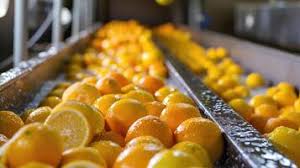
Citrus fruits are highly consumed worldwide as fresh produce or juice, and most often, the peel is discarded as waste, which contains a wide variety of secondary components with substantial antioxidant activity compared to other parts of the fruit.
The peel is subdivided into the epicarp or flavedo (colored peripheral surface) and mesocarp or albedo (white soft middle layer). Other by-products include seeds and bagasse. Citrus fruits include oranges, lemon, lime, tangerine, and grapefruit.
1. Source of Antioxidant-Rich Compounds: Citrus peel contains several bioactive compounds, such as flavanones, polymethoxylated flavones, flavonols, and phenolic acids; these compounds have numerous uses as natural antioxidants for pharmaceutical, biotechnological, and food industries.
2. Flavor Enhancers: Lime and lemon peel oils are widely used as aroma flavor enhancers for soft and alcoholic beverages and food. In pharmaceutical industries, they are used as flavoring agents to mask unpleasant tastes of drugs. In perfumery, they form the base of many compositions.
3. Antimicrobial Agents: Lemon extracts have been used in food preservation as antimicrobial agents.
4. Pectin Extraction: Pectin is a good thickening and gelling agent that is very important in jam production. It can also be used as a texturizing agent, emulsifier, and stabilizer.
Utilization of By-Products from Banana Processing
Bananas are one of the most popular fruits; the peel is the main by-product, representing approximately 30% of the whole fruit.
1. Source of Antioxidants: Peels are rich in health-promoting phytochemical compounds with high antioxidant capacity, such as phenolic compounds (gallocatechin), anthocyanin, carotenoids, catecholamines, sterols, and triterpenes.
2. Dietary Fiber: Banana peels can be incorporated into products like bread, biscuits, noodles, and pastas to enrich their dietary fiber levels.
3. Water Treatment: Peels have been reported to have heavy metal sorption capacity for removing chromium (III) and chromium (IV) from water.
Utilization of By-Products from Potato and Carrot Processing
1. Utilization of By-Products from Potato Processing
A large amount of potato peel is generated as potatoes are a widely consumed vegetable worldwide. Potato peel is rich in fibers. Fibers play an important role in human health and help in the prevention of diseases. The benefits of potato peels are listed below:
i. Preservation of Vegetable Oil: The addition of potato peel extract into vegetable oils can improve the hydrolytic stability of vegetable oil, slow thermal deterioration, and stabilize the vegetable oil. The addition of up to 200 ppm of potato peel extract has comparable stabilization efficiency with synthetic antioxidants.
ii. Functional Ingredient: Peels have been used in making cookies, wheat bread, and bakery goods to improve the nutritional properties and health benefits of the products.
2. Utilization of By-Products from Carrot Processing
Due to low yields associated with carrot juice production, up to 50% of the raw material remains as pomace. This pomace, a solid waste, is a rich source of carotenoids, fibers, and phenolic compounds. Carrot pomace can be utilized in the following ways:
i. Value-Added Foods: Carrot pomace can be added to foods such as bread, cake, dressings, pickles, fortified wheat bread, preparation of high-fiber biscuits, and production of functional drinks. Carrot pomace has been used for the production of carrot-based condensed milk products.
ii. Dietary Fiber: The powder can be prepared by vacuum drying and used as a good fiber source in many bakery and other food products.
Food by-products that are normally discarded can be transformed into value-added products. Pineapple peels and bagasse can be used for the production of important enzymes, vinegar, and are good sources of dietary fiber.
Citrus by-products are excellent sources of antioxidants and pectin, a valuable gelling agent in jams extracted from the peels. Potato peels are rich in antioxidants that can be used to preserve vegetable oils, while carrot pomace contains high levels of dietary fiber for the production of value-added products like biscuits, bread, and other items.
Do you have any questions, suggestions, or contributions? If so, please feel free to use the comment box below to share your thoughts. We also encourage you to kindly share this information with others who might benefit from it. Since we can’t reach everyone at once, we truly appreciate your help in spreading the word. Thank you so much for your support and for sharing!