


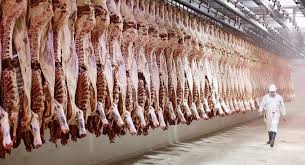
The food processing industry is divided into plant food processing and animal food processing. The previous article explored the utilization of by-products from plant product processing, highlighting that by-products from pineapple, mango, citrus fruits, banana, potato, and carrot can be used for producing high-fiber foods, antioxidants, flavor enhancers, and pectin, as well as special products like enzymes and vinegar.
This article focuses on the utilization of by-products from the animal products processing industry, with an emphasis on the meat processing sector.
Overview of Animal By-Products Utilization
The animal product industry encompasses products such as meat, poultry, and milk, generating numerous by-products during processing, including blood, bones, and skin. This article emphasizes the utilization of by-products in the meat processing industry.
Read Also: Sheep gene insights could help farmers breed healthier animals
Utilization of Blood in Meat Processing
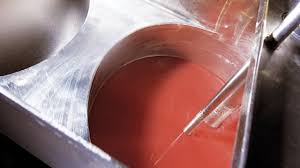
Meat by-products are produced by slaughterhouses, meat processors, wholesalers, and rendering plants. Slaughterhouse waste consists of portions of a slaughtered animal that cannot be sold as meat or used in meat products, including bones, tendons, skin, contents of the gastrointestinal tract, blood, and internal organs. Animal blood can be utilized in several ways:
1. Value-Added Foods: Animal blood is a high-protein, heme-iron-rich edible by-product. It has long been used to produce blood sausages, blood pudding, biscuits, and bread due to its high protein content (17.0%) and reasonably balanced amino acids.
2. Egg Replacer: Blood plasma has excellent foaming capacity and can serve as a substitute for egg whites in the baking industry.
3. Animal Feed: Blood is used in livestock feed as blood meal, serving as a protein supplement, milk substitute, lysine supplement, or vitamin stabilizer, and providing an excellent source of trace minerals.
4. Medicine and Pharmaceuticals: Blood can be separated into fractions with therapeutic properties. In laboratories, blood products are used as nutrients for tissue culture media, ingredients in blood agar, and peptones for microbial use. Components such as fibrinogen, fibrinolysin, serotonin, kallikreins, immunoglobulins, and plasminogen are isolated for chemical or medical purposes. Purified bovine albumin is used in testing for the Rh factor in humans and as a stabilizer for vaccines and antibiotic sensitivity tests.
Utilization of Hides, Skins, and Bones
1. Leather Production: Hides from cattle are used to manufacture leather products, such as shoes and bags.
2. Gelatin Production: Both hides and bones contain large quantities of collagen, which is used to produce gelatin. Gelatin is widely used in the food and pharmaceutical industries, particularly in jellied desserts due to its “melt-in-the-mouth” properties. It is also added to meat products like meat pies, and serves as a stabilizer for ice cream, yogurt, and cream pies.
Gelatin acts as an emulsifier and stabilizing agent for emulsions and foams, and is used in cosmetic products and printing processes (e.g., silk screen and photogravure printing).
3. Livestock Feed: Bone meal is used as a source of calcium and phosphorus in livestock feed.
Utilization of Glands and Organs
1. Food Applications: Glands and organs, including the brain, heart, kidneys, liver, lungs, spleen, tongue, bovine pancreas, udder, stomach, uterus, rumen, reticulum, omasum, abomasum, testes, and thymus of sheep and pigs, are highly prized as food in many parts of the world, including Nigeria.
In Nigeria, these organs are used to prepare a delicacy called pepper soup. Animal organs and glands offer a variety of flavors and textures and often have high nutritional value.
2. Sausage Casings: Animal intestines are used to make sausage casings. The intestines are removed from the abdomen, separated from ruffle fat, and stripped of feces to prepare them for casing production.
Read Also: 17 Medicinal Health Benefits Of Mucuna pruriens (Monkey Tamarind)
Utilization of Animal Fat
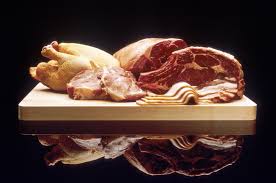
Animal fats are a significant by-product of the meat packing industry. The primary edible animal fats are lard (from pigs) and tallow (from sheep or cattle). Lard is rendered from the clean tissues of healthy pigs, while tallow is hard fat rendered from the fatty tissues of cattle or sheep.
1. Food Applications: Traditionally, tallow and lard were used for deep frying (Weiss, 1983). However, their use in the fast-food industry is declining due to consumer health concerns related to cholesterol content, which has been implicated in various health risks.
2. Biodiesel Production: Biodiesel fuel, derived from the oils and fats of meat and fish, serves as a substitute for or additive to petroleum-based diesel fuel.
Utilization of Poultry By-Products
Poultry by-products, including animal excreta, mortalities, hair, feathers, and processing wastes, can be converted into useful resources.
1. Biofuel Production: Anaerobic digestion of animal manure produces methane, an energy source for cooking, house heating, and other applications.
2. Animal Feed: Blood and discarded internal organs can be processed into meals for feed supplementation.
Major by-products from meat and poultry processing include blood, hides, skins, and animal fats. These by-products can be utilized for feed, food, value-added products, and biofuels.
This article has explored various by-products from the animal product processing industry, particularly meat processing, demonstrating that materials like blood, hides, skins, and animal fats need not be discarded but can be converted into valuable products for food, feed, and other applications.
Do you have any questions, suggestions, or contributions? If so, please feel free to use the comment box below to share your thoughts. We also encourage you to kindly share this information with others who might benefit from it. Since we can’t reach everyone at once, we truly appreciate your help in spreading the word. Thank you so much for your support and for sharing!