


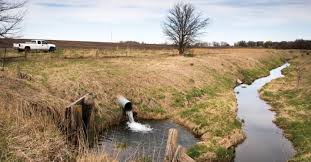
Water pollution is any chemical, physical, or biological change in the quality of water that has a harmful effect on any living thing that drinks, uses, or lives in it.
Major sources of water pollution can be classified as either originating from a single identifiable source such as emissions from factories into water bodies referred to as point source pollution, or from multiple dispersed sources, known as non-point source pollution.
Contaminated water after rainfall, having traveled through various regions, is an example of non-point source pollution.
Water pollution may result from numerous human activities, including chemical contamination from waste sites, industrial discharges, heavy metals such as mercury and lead, sewage, food processing waste, fertilizers, and pesticides from agricultural operations.
Understanding Water Pollution In Agriculture
Water pollution occurs when water becomes contaminated with chemicals and foreign substances harmful to humans, plants, and animals.
It is commonly caused by man-made chemicals or other disruptions in the natural environment.
Common water pollutants include chemical contaminants from waste sites, industrial chemical discharges, heavy metals (e.g., mercury and lead), sewage, food processing waste, fertilizers, and pesticides.
Read Also: Pig Breeds: Origin, Indigenous and Exotic Breeds of Pigs
Classes Of Water Pollution Sources Relevant To Agriculture
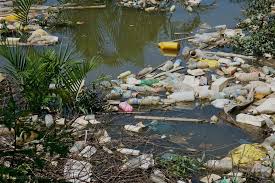
1. Point Source Pollution
This type of pollution comes from a clearly identifiable source such as a leaking pipe, a defective holding tank, wastewater discharged from a factory, or garbage dumped into rivers. Such sources are easier to identify because the cause can be visually traced.
2. Non-Point Source Pollution
Non-point pollution affects water bodies through diffuse sources such as runoff from agricultural land or wind-blown debris. It may involve a wide range of pollutants, typically in lower concentrations than point sources.
Pesticides, fertilizers, and automobile fluids washed off by rainwater are common non-point sources and are difficult to detect directly.
Read Also: 14 Medicinal Health Benefits Of Dalea purpurea (Purple Prairie Clover)
Major Causes Of Water Pollution Related To Agriculture And Industry
1. Agricultural Activities: The use of fertilizers, pesticides, insecticides, and herbicides significantly contaminates water bodies through runoff and seepage. Animal waste from farms also contributes to water pollution, particularly where land is abundant.
2. Storm Water Runoff: Water from rainfall collects oils, petroleum products, and other urban and rural contaminants. These create surface sheens and pollute water bodies.
3. Leaking Sewer Lines: These may introduce trihalomethanes (like chloroform) and other contaminants into groundwater, which can then contaminate surface water. Discharges from dry cleaning industries are another recognized pollution source.
4. Mining Activities: Crushing rocks during mining releases trace metals and sulfides, which can produce sulfuric acid when mixed with rainwater. These chemicals often find their way into nearby water bodies.
5. Foundries: Emissions from foundries contain metals like mercury (Hg), lead (Pb), manganese (Mn), iron (Fe), and chromium (Cr), which are hazardous when deposited into the air and later washed into water bodies.
6. Industrial Discharges: Many industries release untreated or poorly treated waste into rivers and lakes, significantly contributing to water pollution.
7. Accidental Leaks And Spills: Chemical handling and storage may lead to unintentional leaks or spills. Even though response measures are often quick, the risk of pollution remains.
8. Intended Or Illegal Waste Discharges: Despite regulations, some operators discharge waste into water bodies due to the high cost of proper waste disposal. Such practices still occur globally.
9. Burning Of Fossil Fuels: This process releases ash and toxic metals (e.g., arsenic or lead) into the environment. These pollutants enter water bodies through air and rainfall interactions.
10. Transportation: Vehicle emissions contribute sulfur, nitrogen compounds, and carbon oxides to the atmosphere. These compounds are washed into water bodies during rainfall.
11. Construction Activities: These can introduce various pollutants into the soil that eventually seep into groundwater or wash into streams.
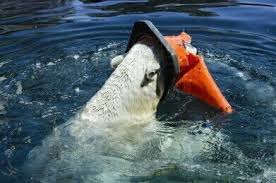
12. Plastics And Plastic Waste: Plastics in contact with water degrade slowly, releasing harmful compounds that threaten aquatic ecosystems and human health.
13. Disposal Of Personal Care And Household Chemicals: Household items like detergents and cleaning solutions pollute water due to unregulated and unpredictable disposal habits.
14. Improper Disposal Of Batteries: Car and household batteries contain heavy metals. Improper disposal allows these metals to leach into water systems as the batteries decompose.
15. Leaking Landfills: Landfills that leak introduce various contaminants into the groundwater below, affecting water quality in surrounding areas.
16. Animal Wastes: Waste from livestock farming adds organic and biological pollutants to water bodies, affecting water quality and aquatic life.
Sediments And Thermal Pollution In Agricultural Areas
1. Sediments (Suspended Matter): Soil erosion causes particles to suspend in water. These particles reduce sunlight penetration, lowering photosynthesis in aquatic plants and algae. As water slows down, sediments settle, affecting aquatic life and water quality.
2. Hot Water From Power Plants And Industries: Some industries use large quantities of water for cooling and then return heated water to natural water bodies. This leads to thermal pollution, disrupting the aquatic ecosystem and increasing water temperature.
Water pollution remains one of the critical environmental challenges affecting agriculture, livestock, aquatic life, and human health. Several agricultural activities, especially the use of fertilizers and pesticides, are directly linked to non-point source water pollution.
Industrial, domestic, and transport-related activities also contribute significantly to the degradation of water quality.
Preventing water pollution requires conscious efforts in proper waste disposal, sustainable farming practices, and compliance with environmental regulations.
Do you have any questions, suggestions, or contributions? If so, please feel free to use the comment box below to share your thoughts. We also encourage you to kindly share this information with others who might benefit from it. Since we can’t reach everyone at once, we truly appreciate your help in spreading the word. Thank you so much for your support and for sharing!