


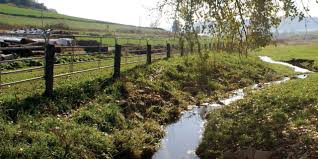
Major watershed problems vary from country to country. However, with the growth in industrial and agricultural activities alongside increases in population and urbanisation, the demands on land and water resources have become greater.
Cropland expansion, increased use of industrial and agro-chemicals, and the improper disposal of sewage effluents have drastically increased water pollution.
Similarly, removal of trees for timber, resettlement, and farmland clearance has greatly contributed to watershed degradation and associated problems.
Most of these problems are interrelated and cannot easily be separated; however, they can be grouped as socio-economic, technical/institutional, and natural. Generally, these problems affect the quality and properties of watersheds.
Read Also: Causes of Diseases in Farm Animals and How to Prevent Disease OutBreak
Problems Affecting Watershed Resources and Their Agricultural Impacts
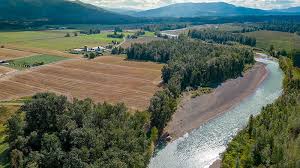
Development and the creation of impervious surfaces degrade water quality if proper treatment is not provided.
This increases the quantity of stormwater runoff, reduces groundwater recharge, and creates a potential deficit within groundwater aquifers while decreasing water quality within surface waters.
Human activity can degrade existing habitat and contribute to the loss of wildlife habitat quantity and quality, affecting the overall ecological integrity of the resources within the watershed.
Urbanisation (or development) has a significant effect on local water resources. It alters how water flows in the watershed and what flows in the water. Both surface and groundwater are affected.
Pollution caused by humans is the biggest threat to watersheds. There are two types of pollution: point source and non-point source pollution.
Point source pollution is “end of the pipe” pollution that can be identified as coming from a specific source such as a factory, industrial plant, or some other facility.
In the past, most environmental laws dealt with this form of pollution; however, the most serious threat to water quality is from non-point source pollution.
Non-point source pollution involves pollutants carried off the land by stormwater into rivers, lakes, streams, or the ocean. The water picks up pollutants left by human actions such as:
- Fertilizer/pesticide use
- Failure to pick up after pets
- Dumping auto fluids down storm drains
- Leaving grass clippings and leaves on paved surfaces
- Washing cars on the street or driveway
Changes in land use, development, and increases in impervious surfaces negatively affect surface water runoff through reduced infiltration, increased peak values of runoff hydrographs, and increased volumes of stormwater runoff; each of which can aggravate and create problems related to flooding, erosion, and watershed degradation.
Eroding shorelines and stream banks contribute to the degradation of water quality within watersheds. This process can adversely affect downstream areas.
Improperly implemented or inappropriate stabilisation practices reduce the natural function and quality of stream banks and shorelines and may contribute to negative effects downstream.
The development and creation of impervious surfaces contribute to water quality degradation and increase both the quantity and rate of stormwater runoff, which affect downstream receiving waters.
Common activities carried out by citizens, developers, and public entities within watersheds have the potential to adversely affect the quality and ecology of surface and groundwater.
Public ditches serve as drainage conveyances for private property and local communities to prevent flooding. However, such ditches have significantly altered the form and function of watersheds.
The reduction of floodplain volume due to development or improper management contributes to higher critical water levels and increased risks to property and public safety. Floodplains help reduce the frequency and severity of high water periods within the watershed.
Impaired waters, poor water quality, ecosystem degradation, and limited water quantity all affect the viability of waters as recreational resources and reduce recreational enjoyment of water bodies within watersheds.
Erosion of soil and sediment transport negatively affect water quality, habitat quality, detention time within basins, and the capacity of stormwater conveyances within watersheds.
Within the stream, erosion of stream banks and channel scouring can occur due to decreased runoff frequency and volume. This degrades the habitat for plant and animal life that depend on clear water.
Sediment from eroded stream banks clogs the gills of fish and blocks the light needed by aquatic plants. This sediment settles and fills stream channels, lakes, and reservoirs, thereby increasing the chances of flooding.
Local municipal regulations alone are often unable to provide acceptable standards of protection for watersheds, especially across multiple political boundaries.
Citizens often become disengaged from government efforts when there is a perception that individual opinions are insignificant in watershed management. This affects both the maintenance and effective operation of watersheds.
Read Also: Cutworms: How to Identify and Get Rid of Cutworms
Effects of Watershed Degradation on Agricultural Sustainability
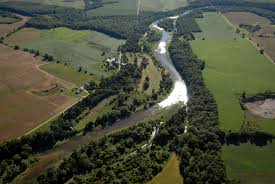
Watershed problems result in the degradation of watersheds, leading to the following impacts:
1. Reduced tree and vegetative cover
2. Reduced water availability and quality
3. Reduced land productivity and increased siltation of rivers and reservoirs due to soil erosion
4. Increased marine and coastal contamination, affecting the tourism industry
5. Increased flooding, resulting in loss of human life, property, roads, and agricultural crops
6. Loss of habitat for important flora and fauna
Human activities and natural events, such as urbanization, public ditches, pollution, land use changes, erosion of shorelines and stream banks, sediment deposition from eroded streams, and reduction of floodplains, have caused major watershed problems.
These have resulted in reduced tree and vegetative cover, reduced water availability and quality, reduced land productivity, increased siltation of rivers and reservoirs, increased marine and coastal contamination, and increased flooding leading to loss of human life, property, roads, agricultural crops, and critical habitats for plants and animals.
Do you have any questions, suggestions, or contributions? If so, please feel free to use the comment box below to share your thoughts. We also encourage you to kindly share this information with others who might benefit from it. Since we can’t reach everyone at once, we truly appreciate your help in spreading the word. Thank you so much for your support and for sharing!