


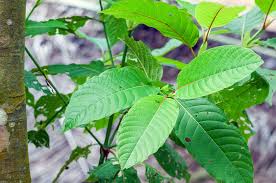
Corynanthe johimbe, tí a mọ̀ sí Yohimbe, jẹ́ ewéko ìṣègùn tó fani mọ́ra tí a mọ̀ fún onírúurú àǹfààní ìlera rẹ̀. Àpilẹ̀kọ yìí yóò jíròrò ìtàn tó kún fún lílo oògùn rẹ̀, àpèjúwe ewéko rẹ̀, àti àwọn ànímọ́ ìtọ́jú tó mú kí ó jẹ́ àfikún pàtàkì sí ayé ìṣègùn ewéko.
Ìtàn lílo oògùn Corynanthe johimbes ni a lè tọ́ka sí ní ọ̀pọ̀ ọ̀rúndún sẹ́yìn. Àwọn ẹ̀yà ìbílẹ̀ ní Ìwọ̀ Oòrùn Áfíríkà, níbi tí ewéko yìí ti wá, ti lò ó fún ìtọ́jú àti agbára rẹ̀. Wọ́n kà á sí oògùn tó lágbára fún onírúurú àìsàn.
Ní àsìkò ìjọba àkóso, Yohimbe gba àfiyèsí nígbà tí àwọn olùwádìí àti àwọn olùgbé ilẹ̀ Yúróòpù gbọ́ nípa lílo rẹ̀ gẹ́gẹ́ bí ìṣàpẹẹrẹ àti gẹ́gẹ́ bí ìtọ́jú fún àìlera ìṣáájú àti àwọn ọ̀ràn ìlera mìíràn.
Ní ìparí ọ̀rúndún kọkàndínlógún, Yohimbe gba àfiyèsí àwọn oníṣòwò oògùn. Wọ́n ṣe àyẹ̀wò rẹ̀ fún agbára rẹ̀ gẹ́gẹ́ bí ìtọ́jú fún àìlera ara, èyí tí ó yọrí sí ìdàgbàsókè yohimbine, alkaloid tí a yọ láti inú ewéko náà.
Lónìí, Yohimbe ni a mọ̀ ní pàtàkì fún ipa rẹ̀ nínú ìtọ́jú ewéko àti àwọn afikún oúnjẹ. A ń lò ó láti mú kí ìṣe ìbálòpọ̀ sunwọ̀n síi, láti mú agbára pọ̀ sí i, àti láti ran àwọn ètò ìpàdánù ìwọ̀n ara lọ́wọ́.
Àmì ìtàn àti àṣà Yohimbes kọjá lílo oògùn rẹ̀. A sábà máa ń lò ó nínú àwọn ayẹyẹ àti àṣà ìbílẹ̀ Áfíríkà, èyí tí ó ń ṣàpẹẹrẹ agbára àti agbára.
🌿 Go Organic on Your Farm: Instead of harmful chemical pesticides and fertilisers, try our organic farming products — including neem oil spray, bio-pesticides, natural plant treatments, organic seeds and seedlings, suckers, and many more organic products that are safe for your health, your family, your soil and your harvest. Shop Now →
Bó tilẹ̀ jẹ́ pé Yohimbe gbajúmọ̀, kò sí àríyànjiyàn kankan. Àwọn ènìyàn ti ń ṣàníyàn nípa ààbò rẹ̀ àti àwọn àbájáde búburú rẹ̀, èyí sì ti yọrí sí àwọn òfin àti ìkìlọ̀ ní àwọn orílẹ̀-èdè kan.
Àpèjúwe Ewéko ti Corynanthe johimbe
Yohimbe, tí a mọ̀ sí Corynanthe johimbe ní ìmọ̀ sáyẹ́ǹsì, jẹ́ igi tí ó wá láti inú igbó olóoru ti ìwọ̀ oòrùn Áfíríkà. Àwọn kókó mẹ́fà pàtàkì nínú àpèjúwe ewéko rẹ̀ nìyí:
1. Fọ́ọ̀mù Ìgbésí Ayé: Igi Corynanthe johimbe jẹ́ igi tí ó máa ń wà ní gbogbo ìgbà tí ó sì lè ga tó mítà 30.
2. Ewé: Àwọn ewé náà jẹ́ òdìkejì, wọ́n ní ìrísí ellipse sí long, wọ́n sì ní àwọ̀ ewé tó ń tàn yanranyanran. Wọ́n sábà máa ń gùn tó 5-10 cm àti fífẹ̀ tó 3-6 cm.
🔧 Free Farm Tool Available: Use our free Agric4Profits Farm Tools to calculate your farm profits, formulate feeds, identify pests and diseases on both your crops and animal farms, plan your planting and harvesting season, including many more farm tasks to get free expert advice and recommendations — completely free, no registration required. Access Free Tools →
3. Àwọn òdòdó: Yohimbe máa ń mú àwọn òdòdó kéékèèké, aláwọ̀ ewé àti aláwọ̀ ewé jáde pẹ̀lú ìrísí onígun mẹ́rin. A máa ń gbé àwọn òdòdó wọ̀nyí jáde ní ìṣọ̀kan.
4. Àwọn èso: Èso Corynanthe johimbe jẹ́ ìdì igi, ó tó nǹkan bíi 5-7 cm ní gígùn, ó sì ní irúgbìn nínú.
5. Epo igi: Epo igi Yohimbe jẹ́ ọ̀kan lára àwọn ẹ̀yà ara rẹ̀ tó ṣe pàtàkì jùlọ, tí a sábà máa ń lò nínú ìtọ́jú ewéko. Ó ní àwọ̀ pupa-brown sí ewé, ó sì ní ìrísí tó yàtọ̀ síra.
6. Ètò Gbòǹgbò: Yohimbe ní ètò gbòǹgbò onífọ́mù tí ó ń ran igi náà lọ́wọ́ láti dúró sí ilẹ̀ igbó olóoru.
Pínpín Àgbègbè ti Corynanthe johimbe (Yohimbe)
Corynanthe johimbe, commonly known as Yohimbe, has a specific geographic distribution that plays a crucial role in its availability and cultivation. Here are six key points to understand its geographic distribution:
💬 Have a Farming Question? Join thousands of farmers across Africa on the Agric4Profits Community — ask questions, share experiences and connect with agricultural experts. It is completely free. Ask Your Question Now →
1. Native to West Africa: Yohimbe is native to the tropical rainforests of West Africa, primarily found in countries such as Nigeria, Cameroon, Gabon, and Congo.
2. Rainforest Habitat: This plant thrives in the humid and dense rainforests of its native range, where it receives the necessary rainfall and shade.
3. Altitude Range: Yohimbe can be found at various altitudes within its native range, from lowland rainforests to higher elevations.
4. Limited Distribution: While Yohimbe is native to West Africa, its distribution is relatively limited within specific regions of these countries, making it a somewhat localized species.
5. Cultivation Outside Native Range: Due to its popularity in herbal medicine, attempts have been made to cultivate Yohimbe in other regions with suitable climates, such as parts of South America and Southeast Asia.
6. Conservation Concerns: The wild populations of Yohimbe face threats from deforestation and overharvesting, leading to conservation concerns. Efforts have been made to sustainably manage and protect this valuable plant.
The Chemical Composition of Corynanthe johimbe (Yohimbe)
Understanding the chemical composition of Yohimbe is essential for comprehending its medicinal properties and potential side effects. Here are six key components of its chemical composition:
1. Alkaloids: Yohimbe contains several alkaloids, with the most notable being yohimbine. Yohimbine is the primary compound responsible for its effects on sexual health and energy.
2. Tannins: Tannins are polyphenolic compounds found in Yohimbe. They contribute to its astringent properties and may have antioxidant effects.
📖 Want to Go Deeper on This Topic?
Our expert agricultural ebooks cover poultry, fish farming, different crops production, snail farming, organic farming, mushrooms, sheep, cattle, flowers, pig farming, goat farming, agribusiness, etc. in practical step-by-step detail — written by agricultural professionals for African farmers.
Browse All Farming Ebooks →3. Flavonoids: Yohimbe contains flavonoids, which are known for their antioxidant properties. These compounds may play a role in the plants overall therapeutic potential.
4. Indole Alkaloids: Some indole alkaloids are present in Yohimbe, and these compounds may contribute to its psychoactive and stimulant effects.
5. Corynanthine: Another important alkaloid found in Yohimbe is corynanthine. It interacts with yohimbine and has implications for its physiological effects.
6. Yohimbic Acid: Yohimbic acid, a naturally occurring compound in Yohimbe, may have a role in its medicinal properties and potential side effects.
The Cultivation and Growth of Corynanthe johimbe (Yohimbe)
Cultivating Yohimbe is a meticulous process that requires attention to environmental conditions and plant care. Here are six key aspects of the cultivation and growth of Yohimbe:
1. Climate Requirements: Yohimbe thrives in tropical rainforest climates with high humidity and consistent rainfall. It cannot withstand frost or extended dry periods.
2. Shaded Environment: Yohimbe is typically grown under the shade of taller trees or canopy cover, mimicking its natural rainforest habitat.
3. Soil Conditions: Well-draining, fertile, and slightly acidic soils are ideal for Yohimbe cultivation. Proper soil preparation is essential.
4. Propagation: Yohimbe is propagated from seeds, which should be sown in a nursery. Germination can be slow and unpredictable.
5. Growth Rate: Yohimbe trees are slow-growing, and it may take several years for them to reach maturity and produce bark suitable for harvest.
6. Pruning and Maintenance: Regular pruning and maintenance are necessary to ensure proper growth and to shape the tree for optimal bark production.
Successful cultivation of Yohimbe requires a deep understanding of its specific requirements and careful management throughout its growth cycle.
The Harvesting and Processing of Corynanthe johimbe (Yohimbe)
Harvesting and processing Yohimbe bark are critical steps in obtaining its medicinal properties. Here are nine key points related to the harvesting and processing of Yohimbe:
1. Bark Harvest: The bark of mature Yohimbe trees is the most valuable part. It is typically harvested by carefully removing strips of bark from the trunk and branches.
2. Seasonal Timing: Harvesting is usually done during the dry season when the bark is more likely to be rich in alkaloids.
3. Sustainable Practices: Sustainable harvesting practices are essential to prevent overexploitation and preserve Yohimbe populations in the wild.
4. Drying Process: After harvesting, the bark is dried in the shade to preserve its medicinal compounds. Sun drying can lead to degradation.
5. Grinding and Powdering: Once dried, the bark is ground into a fine powder, which is used in various herbal preparations.
6. Extraction: Yohimbe extract can be obtained by using various solvents, such as alcohol or water, to concentrate its active compounds.
7. Standardization: Herbal products containing Yohimbe often undergo standardization to ensure consistent levels of active ingredients.
8. Formulation: Yohimbe is used in various forms, including capsules, tablets, and tinctures, to facilitate its consumption.
9. Regulatory Considerations: The processing and sale of Yohimbe products are subject to regulations and quality control measures in many countries due to safety concerns.
Read Also: 15 Medicinal Health Benefits Of Echinacea purpurea (Purple Coneflower)
The Medicinal Health Benefits Of Corynanthe johimbe (Yohimbe)
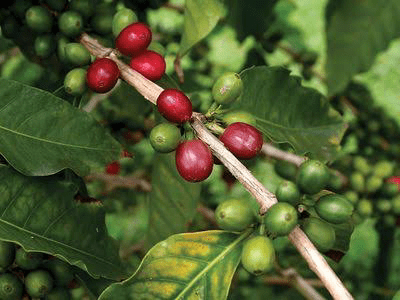
Corynanthe johimbe, commonly known as Yohimbe, offers a range of medicinal health benefits. Here are 15 key benefits, each with an explanation:
1. Aphrodisiac Properties: Yohimbe has long been recognized for its aphrodisiac effects, enhancing sexual desire and performance in both men and women.
2. Erectile Dysfunction Treatment: Yohimbe is often used to treat erectile dysfunction (ED) by increasing blood flow to the genitals, facilitating erections.
3. Energy Booster: It can provide a natural energy boost, making it a popular choice for those seeking increased vitality and stamina.
4. Weight Loss Aid: Àwọn ohun èlò ìfúnni ní Yohimbes lè ṣe ìrànlọ́wọ́ fún ìsapá pípadánù ìwọ̀n nípa mímú kí iṣẹ́-ara pọ̀ sí i àti gbígbé ìpadánù ọ̀rá sókè.
5. Àwọn ipa ìdènà ìrẹ̀wẹ̀sì ọkàn: Àwọn ìwádìí kan fihàn pé Yohimbe lè ní àwọn ohun tí ó lè mú kí ìmọ̀lára rẹ̀ sunwọ̀n síi àti dín àwọn àmì ìbànújẹ́ kù.
6. Iṣẹ́ eré ìdárayá tó dára síi: Àwọn elere-ìje máa ń lo Yohimbe láti mú kí iṣẹ́ ara àti ìfaradà pọ̀ sí i nítorí àwọn ipa rẹ̀ tó ń múni láyọ̀.
7. Ìmúdàgba ìmọ̀: Ó lè mú kí iṣẹ́ ọpọlọ àti ìrántí sunwọ̀n síi, bó tilẹ̀ jẹ́ pé a nílò ìwádìí síwájú síi ní agbègbè yìí.
8. Ìlànà Ìfúnpá Ẹ̀jẹ̀: Wọ́n ti ṣe ìwádìí lórí agbára Yohimbe láti ṣe ìrànlọ́wọ́ láti ṣàkóso ìfúnpá ẹ̀jẹ̀, nípa ṣíṣe ìdínkù rẹ̀ ní àwọn ìgbà kan àti nípa gbígbé e sókè ní àwọn ìgbà mìíràn.
9. Àwọn ipa ìdènà ìgbóná ara: Àwọn ìwádìí kan fihàn pé Yohimbe lè ní àwọn ohun èlò ìdènà ìgbóná ara, èyí tí ó lè ní ipa lórí onírúurú àìsàn.
10. Iṣẹ́ ajẹ́sítádì: Yohimbe ní àwọn antioxidants tí ó ń dáàbò bo àwọn sẹ́ẹ̀lì kúrò nínú ìbàjẹ́ oxidative àti ìrànlọ́wọ́ fún ìlera gbogbogbò.
11. Idinku aibalẹ: Ní àwọn ọ̀ràn kan, Yohimbe lè dín àníyàn àti ìdààmú kù, èyí tí yóò mú kí ara ẹni balẹ̀.
12. Ìṣàkóso Ìrora: Ó lè ní ipa nínú ìtọ́jú ìrora nítorí agbára rẹ̀ láti yípadà ìmọ̀lára ìrora.
13. Àtìlẹ́yìn fún Àwọn Àmì Àìsàn Ìdájọ́ Oṣooṣù: Yohimbe lè dín àwọn àmì àrùn díẹ̀ tí ó máa ń wáyé nígbà tí wọ́n bá ti ṣe oṣù kù, bí ìgbóná àti ìyípadà ọkàn.
14. Ohun tó ń dín ìfẹ́kúfẹ̀ẹ́ kù: Ó lè ṣiṣẹ́ gẹ́gẹ́ bí ohun tí ń dín ìfẹ́kúfẹ̀ẹ́ kù, tí ó sì ń ran lọ́wọ́ láti ṣàkóso ìwọ̀n ara.
15. Ìwádìí Àrùn Jẹjẹrẹ Tó Lè Ṣeé Ṣe: Àwọn ìwádìí àkọ́kọ́ kan ti ṣe àwárí agbára Yohimbes nínú ìwádìí àrùn jẹjẹrẹ, bó tilẹ̀ jẹ́ pé ìwádìí púpọ̀ sí i ṣe pàtàkì ní agbègbè yìí.
Àwọn Ọ̀nà Lílò Láti Ṣe Àṣeyọrí Àwọn Àǹfààní Ìlera Tí Corynanthe Johimbe (Yohimbe) Pese
Láti lo àǹfààní ìlera Yohimbe, onírúurú ọ̀nà lílò ni a lò. Àwọn ọ̀nà mẹ́fà tí a sábà máa ń lò nìyí, pẹ̀lú àlàyé:
1. Àwọn kápsùlù àti Tábìlẹ́ẹ̀tì: Àwọn àfikún Yohimbe nínú fọ́ọ̀mù kápsù tàbí tábìlì ń fúnni ní ọ̀nà tó rọrùn láti lo ìwọ̀n pàtó fún àwọn àǹfààní ìlera pàtó kan.
2. Àwọn ohun èlò ìpara: Àwọn ohun mímu Yohimbe jẹ́ àwọn èròjà omi tí a lè fi kún ohun mímu tàbí kí a mu ní ìsàlẹ̀ èdè kí ó lè yára fà á.
3. Tíì: Àwọn ènìyàn kan ń ṣe Yohimbe gbóná sí i láti mú kí ó rọrùn díẹ̀ kí ó sì tún jẹ́ kí ó máa tu àwọn ohun ìtọ́jú rẹ̀ sílẹ̀ díẹ̀díẹ̀.
4. Àwọn ìpara àti àwọn gẹ́lì: Àwọn ọjà tí a fi Yohimbe ṣe ni a ń lò fún àǹfààní àdúgbò, bíi mímú kí ìṣàn ẹ̀jẹ̀ pọ̀ sí i àti bí a ṣe ń kojú àìlera ìfàsẹ́yìn.
5. Lúùtù: A le fi lulú Yohimbe kun awọn ohun mimu smoothies tabi dapọ mọ awọn afikun miiran fun ọna ti a le ṣe atunṣe lati ṣaṣeyọri awọn anfani rẹ.
6. Ìwọ̀n tí a ṣàkóso: Láti lè rí àǹfààní ìlera tí a fẹ́, ó sábà máa ń gba àkíyèsí fínnífínní nípa ìwọ̀n tí a fi ń mu oògùn náà láti dènà àwọn àbájáde búburú àti láti mú kí ó ṣiṣẹ́ dáadáa.
Àwọn Àbájáde Ìlò Ohun Ọ̀gbìn Ìṣègùn Corynanthe johimbe
Bó tilẹ̀ jẹ́ pé Yohimbe ní ọ̀pọ̀lọpọ̀ àǹfààní ìlera, ó tún lè ní àwọn àbájáde búburú. Àwọn àbájáde mẹ́jọ tí ó ṣeéṣe kí ó wáyé nínú lílo Yohimbe nìyí:
1. Ìwọ̀n Ọkàn Tó Pọ̀ Sí I: Àwọn ohun èlò ìfúnni ní Yohimbes lè fa ìlù ọkàn kíákíá tàbí ìlù ọkàn.
2. Ìfúnpọ̀ Ẹ̀jẹ̀ Tó Ga Jù: In some individuals, Yohimbe may cause a rise in blood pressure, which can be dangerous for those with hypertension.
3. Anxiety and Nervousness: Its stimulatory effects may lead to feelings of anxiety, restlessness, or nervousness.
4. Gastrointestinal Distress: Yohimbe can cause digestive issues, including nausea, vomiting, and diarrhea.
5. Sleep Disturbances: Some users experience insomnia or disrupted sleep patterns when taking Yohimbe.
6. Dizziness: Yohimbe can lead to dizziness or lightheadedness, especially when taken in high doses.
7. Mood Swings: It may induce mood swings or irritability in certain individuals.
8. Allergic Reactions: In rare cases, Yohimbe can trigger allergic reactions, such as skin rashes or itching.
Read Also: Factors Affecting Organic Matter Decomposition
The Scientific Research and Studies of Corynanthe johimbe (Yohimbe)
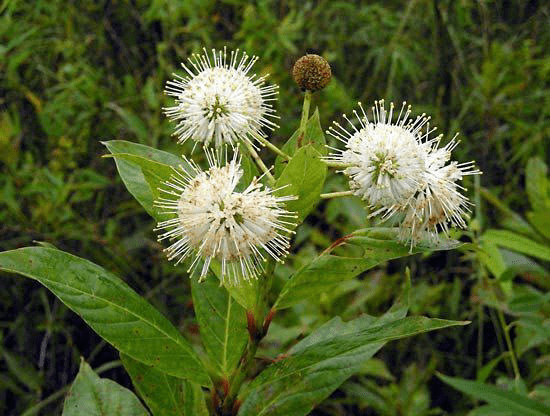
Scientific research plays a crucial role in understanding Yohimbes potential benefits and risks. Here are eight areas of scientific research and studies related to Yohimbe:
1. Aphrodisiac Effects: Numerous studies have explored Yohimbes aphrodisiac properties and its impact on sexual function.
2. Erectile Dysfunction: Yohimbes effectiveness in treating erectile dysfunction has been a subject of clinical trials.
3. Neurological Effects: Research has investigated its impact on the nervous system, including its potential as an antidepressant.
4. Blood Pressure Regulation: Studies have examined how Yohimbe affects blood pressure, particularly in hypertensive individuals.
5. Adverse Effects: Scientific inquiry has focused on identifying and understanding the side effects and risks associated with Yohimbe use.
6. Mechanisms of Action: Research aims to elucidate the specific mechanisms through which Yohimbe exerts its physiological effects.
The Safety Precautions and Recommendations In Using Corynanthe johimbe (Yohimbe) Medicinal Plant
When using Yohimbe for its medicinal benefits, its crucial to be aware of safety precautions and recommendations to minimize risks and ensure a positive experience. Here are eight safety precautions and recommendations:
1. Consult a Healthcare Professional: Before using Yohimbe, especially if you have underlying health conditions or are taking medications, consult with a healthcare provider to assess its safety and suitability for your specific situation.
2. Dosage Control: Start with a low dose and gradually increase it under the guidance of a healthcare professional. High doses can lead to adverse effects.
3. Avoid Alcohol and Stimulants: Yohimbe is a stimulant itself, so its best to avoid alcohol and other stimulants while using it to reduce the risk of overstimulation and adverse reactions.
4. Allergic Reactions: Be vigilant for any signs of allergic reactions, such as skin rashes or itching, and discontinue use if they occur.
5. Monitor Blood Pressure: Máa ṣàyẹ̀wò ìfúnpá ẹ̀jẹ̀ rẹ déédéé nígbà tí o bá ń lo Yohimbe, pàápàá jùlọ tí o bá ní ìfúnpá ẹ̀jẹ̀, nítorí pé ó lè ní ipa lórí ìfúnpá ẹ̀jẹ̀.
6. Ibaraenisepo pẹlu Awọn Oògùn: Yohimbe lè bá àwọn oògùn kan lò, títí bí àwọn oògùn adínkù àti àwọn oògùn ìfúnpá. Sọ fún olùtọ́jú ìlera rẹ nípa gbogbo oògùn tí o ń lò.
7. Yẹra fún Àwọn Ẹgbẹ́ Ewu Gíga: Àwọn obìnrin tí wọ́n lóyún tàbí tí wọ́n ń fún ọmọ ní ọmú, àwọn ènìyàn tí wọ́n ní ìtàn àrùn ọkàn, àrùn kíndìnrín, tàbí àrùn ọpọlọ gbọ́dọ̀ yẹra fún Yohimbe.
8. Dáwọ́ dúró tí àwọn ìpalára ẹ̀gbẹ́ bá ṣẹlẹ̀: Tí o bá ní àwọn àbájáde búburú bíi ìlù ọkàn kíákíá, àníyàn líle koko, tàbí ìrora inú, dá Yohimbe dúró kí o sì wá ìtọ́jú ìṣègùn tí ó bá pọndandan.
Ipo Ofin ati Awọn Ilana Ni Lilo Corynanthe Johimbe
Ipò òfin àti ìlànà tó yí Yohimbe ká yàtọ̀ láti orílẹ̀-èdè kan sí òmíràn. Àwọn nǹkan méje tó wọ́pọ̀ ni ipò òfin àti ìlànà:
1. Àfikún Oúnjẹ: Ní àwọn orílẹ̀-èdè kan, a pín Yohimbe sí àfikún oúnjẹ, èyí tó mú kí ó wà nílẹ̀ lábẹ́ òfin lórí onírúurú ọ̀nà.
2. Ohun tí a nílò fún ìwé àṣẹ: Ní àwọn agbègbè mìíràn, Yohimbe tàbí yohimbine lè nílò ìwé àṣẹ ìtọ́jú nítorí àwọn ipa ẹ̀gbẹ́ tó lè ní àti ìbáṣepọ̀ pẹ̀lú àwọn oògùn.
3. Ti gbesele tabi ti ni ihamọ: Àwọn ọjà tí ó ní Yohimbe tàbí yohimbine lè jẹ́ èyí tí a fòfin dè tàbí tí a lè dínkù ní àwọn orílẹ̀-èdè tàbí agbègbè kan nítorí àwọn ọ̀ràn ààbò.
4. Àwọn ìlànà ìgbéwọlé àti ìkójáde ọjà: Àwọn orílẹ̀-èdè kan ń ṣàkóso gbígbé epo àti ọjà Yohimbe wọlé àti kíkó wọn jáde láti rí i dájú pé wọ́n ń kórè wọn títí láé.
5. Àwọn Ohun tí a nílò fún sísàmì sí: Àwọn ìlànà sábà máa ń béèrè fún àmì tó péye fún àwọn ọjà Yohimbe láti fi tó àwọn oníbàárà létí nípa ewu tó lè ṣẹlẹ̀ àti ìwọ̀n tí wọ́n ṣe àbá fún wọn.
6. Iṣakoso Didara: A le lo awọn ilana iṣakoso didara lati rii daju pe mimọ ati agbara awọn afikun Yohimbe.
7. Àwọn ìpolówó àti Ẹ̀tọ́: Àwọn ìlànà lè ṣàkóso ìpolówó àti títà ọjà Yohimbe láti dènà àwọn ẹ̀sùn ìlera èké tàbí tí kò tọ́.
Awọn ibeere ti a beere nipa Ile-iṣẹ oogun Corynanthe johimbe
Àwọn ìbéèrè 20 tí a sábà máa ń béèrè (FAQs) nípa Yohimbe nìyí, pẹ̀lú àwọn àlàyé:
1. Kí ni Yohimbe?
Yohimbe jẹ́ ewéko oogun tí a mọ̀ sí ìwọ̀ oòrùn Áfíríkà fún àwọn àǹfààní ìlera rẹ̀.
2. Kí ni àwọn ìlò oògùn pàtàkì tí Yohimbe ń lò?
A maa n lo Yohimbe fun awon ohun-ini aphrodisiac re ati bi itọju fun ailera erectile.
3. Ǹjẹ́ àwọn àníyàn ààbò kan wà tí ó ní í ṣe pẹ̀lú Yohimbe?
Bẹ́ẹ̀ ni, Yohimbe lè ní àwọn àbájáde búburú, a sì gbọ́dọ̀ ṣọ́ra láti lo ó.
4. Ṣé a lè lo Yohimbe fún pípadánù ìwọ̀n ara?
Nígbà míì, a máa ń lò ó gẹ́gẹ́ bí ìrànlọ́wọ́ fún pípadánù ìwọ̀n ara nítorí àwọn ohun tó ń mú kí ara ṣiṣẹ́ dáadáa.
5. Àwọn ìrísí wo ni Yohimbe ń wá?
Yohimbe wà ní onírúurú ọ̀nà, títí bí àwọn kápsùlù, tábìlì, tinctures, àti tíì.
6. Ṣé Yohimbe lè mú kí iṣẹ́ eré ìdárayá sunwọ̀n síi?
Àwọn eléré ìdárayá kan máa ń lo Yohimbe láti mú kí iṣẹ́ ara àti agbára wọn pọ̀ sí i.
7. Báwo ni Yohimbe ṣe ní ipa lórí ìfúnpá ẹ̀jẹ̀?
Yohimbe le gbe titẹ ẹjẹ soke ati dinku, da lori ẹni kọọkan.
8. Ǹjẹ́ ó ṣeé ṣe kí àwọn oògùn kan bá ara wọn lò?
Yohimbe le ba awọn oogun kan ṣe, nitorinaa o ṣe pataki lati sọ fun olupese ilera rẹ.
9. Ǹjẹ́ Yohimbe jẹ́ ààbò fún àwọn obìnrin?
Àwọn aboyún tàbí àwọn obìnrin tó ń fún ọmọ ní ọmú gbọ́dọ̀ yẹra fún Yohimbe nítorí àwọn ewu tó lè ṣẹlẹ̀.
10. Kí ni ìwọ̀n tí a dámọ̀ràn fún Yohimbe?
Iye lilo yatọ, o dara julọ lati kan si alamọdaju ilera fun itọsọna ti ara ẹni.
11. Ṣé Yohimbe lè tọ́jú ìsoríkọ́?
Àwọn ìwádìí kan fihàn pé ó lè ní àwọn ipa ìdènà adínilára, ṣùgbọ́n a nílò ìwádìí púpọ̀ sí i.
12. Ṣe Yohimbe ní àwọn ohun-ìní antioxidant?
Bẹ́ẹ̀ni, Yohimbe ní àwọn antioxidants tí ó ń dáàbò bo àwọn sẹ́ẹ̀lì kúrò nínú ìbàjẹ́ oxidative.
13. Àwọn àbájáde wo ló lè jẹ́ ti Yohimbe?
Àwọn àbájáde ẹ̀gbẹ́ lè ní ìlù kíákíá, àníyàn, ríru, àti bẹ́ẹ̀ bẹ́ẹ̀ lọ.
14. Ṣé Yohimbe jẹ́ òfin ní gbogbo orílẹ̀-èdè?
Rárá, ipò òfin rẹ̀ yàtọ̀ síra láti orílẹ̀-èdè kan sí òmíràn, ó sì lè jẹ́ pé wọ́n ti fòfin dè é tàbí kí wọ́n dín in kù ní àwọn agbègbè kan.
15. Ṣé a lè lo Yohimbe gẹ́gẹ́ bí oògùn ìtura ìrora?
A ti ṣe àwárí rẹ̀ fún agbára rẹ̀ nínú ìtọ́jú ìrora, ṣùgbọ́n ìwádìí ń lọ lọ́wọ́.
16. Ṣé Yohimbe yẹ fún àwọn àgbàlagbà?
Àwọn àgbàlagbà gbọ́dọ̀ lo Yohimbe pẹ̀lú ìṣọ́ra, pàápàá jùlọ tí wọ́n bá ní àwọn àìsàn ìlera tẹ́lẹ̀.
17. Ṣé Yohimbe ní ààlà ọjọ́-orí fún lílò?
Ko si opin ọjọ-ori kan pato, ṣugbọn o ṣe pataki lati ronu nipa ilera ati ifarada ẹni kọọkan.
18. Ǹjẹ́ àwọn orísun àdánidá Yohimbe wà yàtọ̀ sí àwọn afikún oúnjẹ?
Yohimbe ni a maa n ri lati inu epo igi Yohimbe.
19. Ṣé a lè lo Yohimbe gẹ́gẹ́ bí ewéko fún àwọn àmì àrùn tí ó máa ń wáyé nígbà tí wọ́n bá ti ṣe oṣù?
Ó lè dín àwọn àmì àrùn díẹ̀ kù nígbà tí wọ́n bá ń ṣe ìdádúró oṣù, àmọ́ ó yẹ kí a máa ṣàkóso lílò rẹ̀.
20. Ǹjẹ́ àwọn ìwádìí sáyẹ́ǹsì ń lọ lọ́wọ́ lórí Yohimbe?
Bẹ́ẹ̀ni, ìwádìí ń tẹ̀síwájú láti ṣàwárí àwọn àǹfààní àti ewu tó lè wà nínú rẹ̀.
Ṣé o ní ìbéèrè, àbá, tàbí àfikún? Tí ó bá rí bẹ́ẹ̀, jọ̀wọ́ má ṣe lọ́ tìkọ̀ láti lo àpótí ọ̀rọ̀ sísọ ní ìsàlẹ̀ láti sọ èrò rẹ. A tún rọ̀ ọ́ láti fi inú rere pín ìwífún yìí pẹ̀lú àwọn ẹlòmíràn tí ó lè jàǹfààní nínú rẹ̀. Nítorí pé a kò le dé ọ̀dọ̀ gbogbo ènìyàn lẹ́ẹ̀kan náà, a mọrírì ìrànlọ́wọ́ rẹ ní títànkálẹ̀ ìròyìn náà. Ẹ ṣeun gidigidi fún ìtìlẹ́yìn yín àti fún pínpín!
Ìkìlọ̀: Àpilẹ̀kọ yìí wà fún ẹ̀kọ́ àti ìwífúnni nìkan. Àwọn àǹfààní ìlera tí a ṣàlàyé dá lórí ìwádìí ìmọ̀ sáyẹ́ǹsì àti ìmọ̀ ìbílẹ̀. Wọn kì í ṣe àfikún ìmọ̀ràn ìṣègùn, àyẹ̀wò, tàbí ìtọ́jú. Máa bá onímọ̀ ìlera sọ̀rọ̀ nígbà gbogbo kí o tó lo ewéko tàbí oògùn àdánidá fún ìṣègùn.
Ka Bakannaa: Ìṣẹ̀dá Ẹja: Ẹja Obìnrin àti Àwọn Ọ̀nà Ìbímọ Rẹ̀
🌱 Take Your Farming Further With Agric4Profits
Based on what you just read, here are free resources and products from Agric4Profits that can help your farm right now:
- 🛒 Visit Our Marketplace — Organic neem oil, bio-pesticides, seeds and farming products
- 📚 Read Premium Content — Advanced guides for serious and profitable farming
- 🎓 Join Our Free Academy — Structured free training for farmers across Africa
- 🔧 Use Our Free Farm Tools — Profit calculators, feed formulation, pest identifier and more
- 💬 Join Our Farming Community — Connect with farmers across all 54 African countries
- ❓ Ask a Farming Question — Get answers from experienced farmers and agricultural experts
Please cite this content in academic work, research, or publications.