


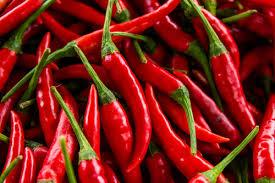
Cayenne pepper is a spicy spice. It comes from a red pepper. People use it to make food taste better. It’s a popular spice in many countries.
Cayenne pepper is very hot. It makes your mouth feel like it’s on fire! But some people like that spicy taste. They use cayenne pepper in their cooking. It’s not just spicy, though. Cayenne pepper has health benefits too.
One benefit is that cayenne pepper can help your heart. It has a chemical called capsaicin. Capsaicin can help lower your blood pressure. That’s good for your heart.
Cayenne pepper can also help your digestion. It can make your stomach feel better. Some people take cayenne pepper as a medicine for their stomach.
Cayenne pepper is easy to use. You can sprinkle it on your food. Or you can add it to recipes. Just be careful not to use too much. A little goes a long way!
Therefore, cayenne pepper is a spicy spice with many benefits. It can make your food taste better, help your heart, and improve your digestion. Just remember, a little cayenne pepper can go a long way in your cooking.
Read Also: Cutworms: How to Identify and Get Rid of Cutworms
How to Grow the Cayenne Pepper
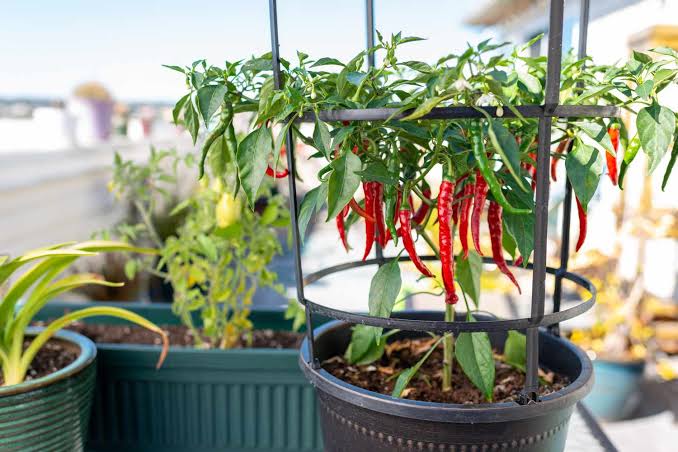
Growing Cayenne pepper is a rewarding and relatively straightforward process. Here’s a simple guide on how to grow Cayenne pepper:
1. Select the Right Location: Choose a sunny spot in your garden or a location with at least 6-8 hours of direct sunlight per day. Cayenne peppers love warmth and sunlight.
2. Prepare the Soil: Cayenne peppers prefer well-drained, fertile soil with a pH level between 6.0 and 6.8. You can amend your soil with compost or well-rotted manure to improve its quality.
3. Start from Seeds: You can start Cayenne peppers from seeds indoors 8-10 weeks before the last expected frost in your area. Use seed trays or pots filled with seed-starting mix.
4. Planting Seeds: Plant the Cayenne pepper seeds about 1/4 inch deep in the soil. Water them lightly.
5. Transplant Seedlings: Once the seedlings have developed at least two sets of true leaves, you can transplant them into your garden or larger pots if you’re growing them indoors.
6. Spacing: Space Cayenne pepper plants about 18-24 inches apart in rows that are 24-36 inches apart. This allows for good air circulation.
7. Watering: Water your Cayenne pepper plants consistently, keeping the soil evenly moist but not soggy. Water deeply, especially during dry periods.
8. Mulch: Applying mulch around your Cayenne pepper plants helps retain moisture, suppress weeds, and regulate soil temperature.
9. Fertilizing: Use a balanced fertilizer or one with higher phosphorus and potassium levels to encourage flowering and fruiting. Apply fertilizer sparingly, following the package instructions.
10. Support: As your Cayenne pepper plants grow, they may benefit from staking or cage support to keep them upright, especially when they become top-heavy with peppers.
11. Pruning: Pinch off the first few flower buds that appear to encourage the plant to put more energy into growth before it starts producing peppers.
12. Pest and Disease Management: Keep an eye out for common garden pests like aphids and caterpillars. Use organic pest control methods or insecticidal soap as needed. Cayenne peppers are generally resistant to many diseases.
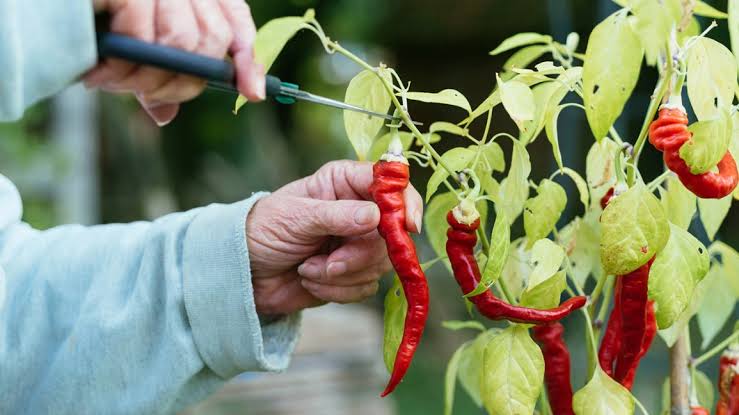
13. Harvesting: Cayenne peppers typically mature in about 70-80 days. They change from green to red as they ripen. You can harvest them at any stage, but they’ll be spicier when fully red.
14. Enjoy Your Cayenne Peppers: Use your homegrown Cayenne peppers in a variety of dishes to add a spicy kick. You can also dry them or make Cayenne pepper sauce for long-term use.
By following these steps and providing the right care, you can successfully grow Cayenne peppers and enjoy their fiery flavor in your culinary creations.
12 Health Benefits of Cayenne Pepper
Cayenne pepper offers several potential health benefits when consumed in moderation. Here are 12 of them:
1. Pain Relief: Cayenne pepper contains capsaicin, a compound that can help reduce pain. It is often used topically in creams and patches to relieve conditions like arthritis and muscle pain.
2. Heart Health: Capsaicin may help lower blood pressure by relaxing blood vessels and improving circulation. It may also reduce cholesterol levels, promoting heart health.
3. Weight Management: Cayenne pepper can boost metabolism and increase calorie burning, which may aid in weight loss efforts.
4. Digestive Aid: Cayenne pepper stimulates the production of digestive enzymes and can help relieve indigestion and gas. It may also soothe an upset stomach.
5. Anti-Inflammatory: Capsaicin has anti-inflammatory properties that can help reduce inflammation and ease symptoms in conditions like osteoarthritis.
6. Pain Management: Topical applications of cayenne pepper can provide relief from conditions like neuropathic pain and cluster headaches.
7. Antioxidant Properties: Cayenne pepper is rich in antioxidants, which can help protect cells from damage caused by free radicals.
8. Improved Circulation: Capsaicin can promote better blood flow, which may be beneficial for those with circulatory issues.
9. Nasal Congestion Relief: Consuming cayenne pepper can help clear nasal passages and relieve congestion due to its spicy nature.
10. Weight Loss Support: Cayenne pepper may help reduce appetite and increase feelings of fullness, potentially aiding in weight management.
11. Cancer Prevention: Some studies suggest that capsaicin may have anticancer properties and could inhibit the growth of certain cancer cells.
12. Antibacterial Properties: Cayenne pepper contains compounds that may help fight against harmful bacteria and reduce the risk of infection.
Scientific Evidence and Case Studies on Cayenne Pepper
1. Capsaicin and Pain Relief: A 2016 study by Derry et al. in the Cochrane Database of Systematic Reviews found that capsaicin, the active compound in cayenne pepper, is effective for neuropathic pain relief when applied topically. High-concentration capsaicin patches reduced pain in conditions like postherpetic neuralgia by targeting pain receptors.
2. Metabolic Boost and Weight Management: A 2011 study by Whiting et al. in Appetite showed that capsaicin supplementation increased fat oxidation and reduced appetite in participants, supporting weight management. Consuming cayenne pepper in meals led to a slight increase in energy expenditure, aiding in calorie burning.
3. Cardiovascular Health: Research by McCarty et al. (2015) in Open Heart indicated that capsaicin may improve cardiovascular health by reducing cholesterol levels and improving blood vessel function. Regular intake of cayenne pepper was linked to lower LDL cholesterol in animal models.
4. Anti-Inflammatory Effects: A 2017 study by Choi et al. in Journal of Agricultural and Food Chemistry demonstrated that capsaicin exhibits anti-inflammatory properties by inhibiting pro-inflammatory cytokines. This suggests potential benefits for conditions like arthritis.
5. Digestive Health: A 2010 study by Bortolotti et al. in Neurogastroenterology & Motility found that capsaicin could enhance gastric motility, potentially aiding digestion. Small doses of cayenne pepper improved stomach emptying rates in healthy volunteers.
Read Also: Causes of Diseases in Farm Animals and How to Prevent Disease OutBreak
15 Uses of Cayenne Pepper Spices
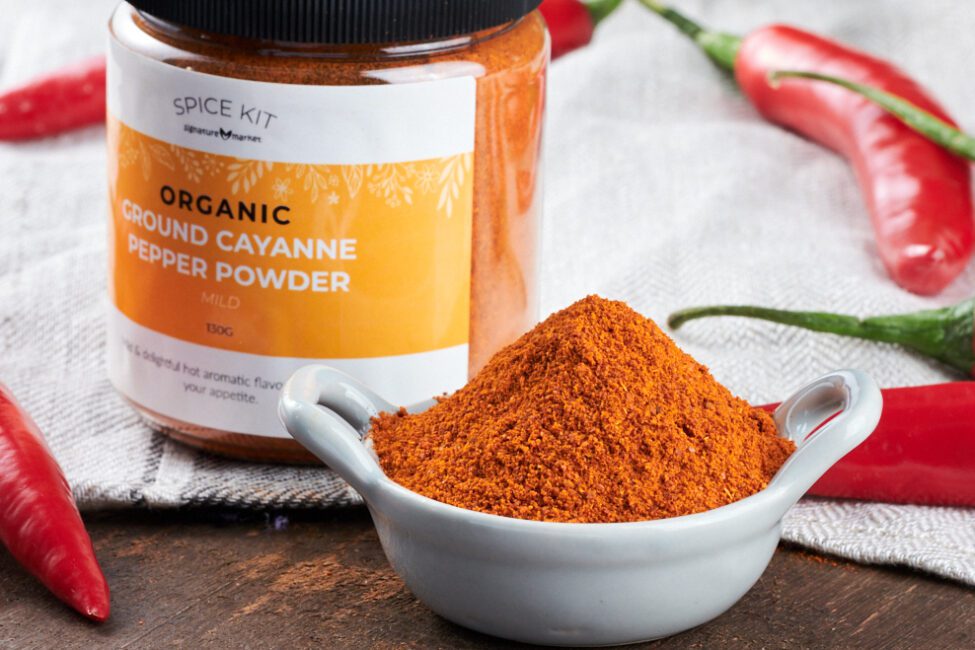
Cayenne pepper has a wide range of uses, both in cooking and for various other purposes. Here are some common uses of cayenne pepper:
1. Culinary Spice: Cayenne pepper is primarily used as a spice to add heat and flavor to dishes. It’s a key ingredient in many cuisines, including Mexican, Indian, and Cajun.
2. Seasoning: Sprinkle cayenne pepper on foods like soups, stews, chili, pasta, and pizza to give them a spicy kick.
3. Spice Blends: It’s often included in spice blends like curry powder, chili powder, and Cajun seasoning.
4. Hot Sauce: Cayenne pepper is a key ingredient in many hot sauces, including Tabasco sauce.
5. Marinades: Add cayenne pepper to marinades for meat, poultry, or seafood to infuse them with flavor and heat.
6. 腌制:它可以用来给腌制的蔬菜(如墨西哥辣椒和香蕉辣椒)增加辣味。
7. 烘焙:一些甜点食谱,尤其是以巧克力为基础的食谱,会加入少量辣椒粉,以增加风味的深度和复杂性。
8. 家庭疗法:辣椒粉用于一些自然疗法,例如漱口以缓解喉咙痛,或用于缓解鼻塞的混合物中。
9. 缓解疼痛:辣椒素乳膏和贴片源自辣椒粉,局部用于缓解关节炎和肌肉酸痛等疾病引起的疼痛。
10. 减肥:有些人将辣椒粉纳入减肥计划,因为它具有潜在的促进新陈代谢的作用。
11. 防堵塞剂:辣椒粉可以与其他家用物品(如醋和小苏打)结合使用来疏通排水管。
12. 园艺:有时在花园植物周围撒上辣椒粉,以阻止松鼠和兔子等害虫。
13. 自制驱虫剂:它可以作为自制动物驱虫剂的成分,以防止害虫进入花园。
14. 紧急急救:在某些情况下,辣椒粉可以用作紧急止血剂。但是,这应谨慎进行,并在专业指导下进行。
15. 防腐:可以将辣椒粉添加到自制腌制溶液中,以帮助保存水果和蔬菜。
请记住,卡宴辣椒非常辣,因此其用量应根据您个人对辣味的耐受程度进行调整。最好总是从少量开始,并在食谱中进行相应调整。
卡宴辣椒粉
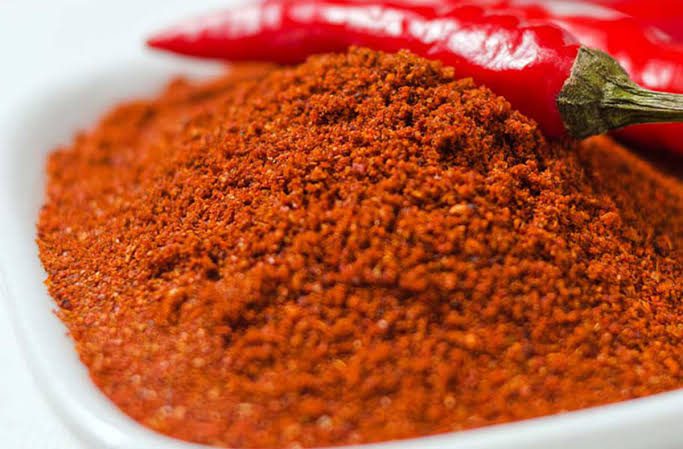
卡宴辣椒粉是一种来自红辣椒的辛辣香料。人们通过将这些辣椒磨成细粉来制作它。它是一种为食物增添辛辣风味的香料。
以下是关于卡宴辣椒粉的一些简单事实:
1. 辛辣调味品:卡宴辣椒粉以其辛辣味而闻名。它能让你的嘴巴感到发热!有些人喜欢食物中的这种辛辣味道。
2. 烹饪助手:人们在烹饪中使用卡宴辣椒粉。它可以使辣椒、咖喱和酱汁等菜肴的味道更加令人兴奋。只需一点点就能产生很大的不同。
3. 有益健康:卡宴辣椒粉含有一种叫做辣椒素的化学物质。这种化学物质对你的健康有益。它可能有助于你的心脏和新陈代谢。
4. 易于使用:使用卡宴辣椒粉很容易。你可以在烹饪时将其撒在食物上。小心不要使用太多,因为它会非常辣!
5. 香料多样性:卡宴辣椒粉是你可以拥有的众多香料之一。它为你的饭菜增添了独特的风味。
关于卡宴辣椒的常见问题解答
1. 红辣椒的主要健康益处是什么?
根据多项研究表明,红辣椒可能有助于缓解疼痛、体重管理、心脏健康、炎症和消化,这归功于其活性成分辣椒素。
2. 红辣椒能帮助减肥吗?
是的,研究表明红辣椒中的辣椒素可以促进新陈代谢并降低食欲,如果与健康饮食相结合,这可能有助于减肥。
3. 红辣椒对每个人都安全吗?
大多数人可以适量食用,但患有胃酸反流、溃疡或对辣椒素敏感的人应避免食用或咨询医生。
4. 我每天应该食用多少红辣椒?
没有通用的剂量,但研究通常在食物或补充剂中使用 1-2 克。从小剂量开始评估耐受性,尤其是当你不常吃辛辣食物时。
5. 红辣椒会导致胃部问题吗?
少量食用可能有助于消化,但过量摄入会刺激胃部或使胃食管反流等疾病恶化。
6. 红辣椒有副作用吗?
可能的副作用包括胃部刺激、出汗或灼热感。局部使用可能会导致敏感个体出现皮肤刺激。
7. 红辣椒可以用于缓解疼痛吗?
是的,临床研究表明,辣椒素霜或贴剂在应用于皮肤时,可以有效缓解神经性疼痛。
8. 红辣椒对心脏健康有益吗?
一些证据表明它可以降低胆固醇并改善血管功能,但还需要更多的人体研究。
您有任何问题、建议或贡献吗? 如果有,请随时使用下面的评论框分享您的想法。 我们也鼓励您好意地与可能从中受益的其他人分享此信息。 由于我们无法一次联系到所有人,我们非常感谢您在传播信息方面提供的帮助。 非常感谢您的支持和分享!
免责声明: 本文仅供教育和信息参考之用。 所描述的健康益处基于科学研究和传统知识。 它们不能替代专业的医疗建议、诊断或治疗。 在将任何草药或天然疗法用于医疗目的之前,请务必咨询医疗保健专业人员。
另请阅读:旧床垫(床垫废物)赚钱完整指南