


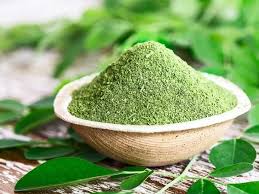
Moringa, often called the “miracle tree,” is a versatile plant native to Africa and Asia. Its leaves, seeds, and pods are packed with nutrients, making it a staple in traditional medicine. This article explores moringa’s nutritional value, health benefits, scientific evidence, and common questions.
Moringa oleifera thrives in tropical climates and has been used for centuries to treat various ailments. Its leaves are rich in vitamins, minerals, and antioxidants, offering a natural way to boost health. From improving immunity to supporting heart health, moringa’s benefits are vast and well-documented.
The plant’s adaptability allows it to grow in harsh conditions, making it a sustainable food source. In many cultures, moringa is consumed as a tea, powder, or in cooked dishes. Its growing popularity in wellness circles highlights its potential as a superfood for modern diets.
Scientific studies have begun to validate moringa’s traditional uses. Research shows it can reduce inflammation, lower blood sugar, and improve nutrition in deficient populations. These findings make moringa a promising addition to health-conscious lifestyles.
Moringa’s accessibility as a supplement or fresh ingredient has increased its global appeal. Whether added to smoothies or used in herbal remedies, it offers a convenient way to enhance well-being. Its mild flavor makes it easy to incorporate into daily meals.
This article dives deeper into moringa’s nutritional profile, health benefits, and the science behind its effects. With practical usage tips and answers to common questions, you’ll learn how to make moringa a part of your healthy routine.
Read Also: Ferula Asafoetida – Importance and Health Benefits
Nutritional Value of Moringa
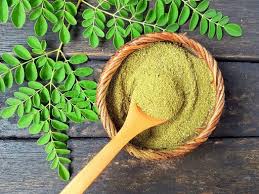
1. Vitamin A: Moringa leaves are rich in vitamin A, essential for healthy vision, skin, and immune function. It supports cell growth and helps prevent infections by strengthening the body’s defenses. A single serving of moringa provides more vitamin A than carrots.
Moringa’s high vitamin A content makes it a valuable dietary addition, especially in regions where deficiencies are common. It promotes overall eye health and enhances skin repair.
2. Vitamin C: Moringa contains more vitamin C than oranges, boosting immunity and protecting cells from oxidative stress. This vitamin aids collagen formation, improving skin elasticity and wound healing.
Incorporating moringa into diets can help prevent colds and support tissue repair. Its antioxidant properties enhance overall vitality.
3. Calcium: Moringa is a great plant-based source of calcium, vital for strong bones and teeth. It supports muscle function and nerve signaling, making it essential for all ages.
Regular consumption of moringa can help prevent osteoporosis, especially in those with limited dairy intake.
4. Iron: Moringa provides a significant amount of iron, crucial for red blood cell production. It helps combat anemia and boosts energy levels, particularly for those with iron deficiencies.
Moringa’s iron content makes it a natural remedy for fatigue and supports oxygen transport in the body.
5. Protein: Moringa contains all nine essential amino acids, making it a complete protein. This is rare for plant-based foods and supports muscle repair and growth.
For vegetarians, moringa is an excellent protein source, enhancing muscle health and recovery.
6. Antioxidants: Moringa is packed with antioxidants like quercetin and chlorogenic acid. These compounds neutralize free radicals, reducing cell damage and slowing aging processes.
Antioxidants in moringa contribute to long-term health by protecting against chronic diseases.
7. Vitamin E: Moringa offers vitamin E, which protects skin from UV damage and supports heart health. It also aids in immune function and cellular repair.
This nutrient enhances moringa’s role in maintaining youthful skin and cardiovascular wellness.
8. Potassium: Moringa provides potassium, which regulates blood pressure and supports heart function. It also aids in muscle contractions and fluid balance.
Including moringa in meals helps maintain electrolyte balance, especially for active individuals.
9. Magnesium: Moringa contains magnesium, which supports muscle relaxation, nerve function, and energy production. It also helps reduce stress and improve sleep quality.
Magnesium in moringa makes it a natural choice for improving mental and physical well-being.
10. Fiber: Moringa leaves are high in dietary fiber, promoting digestive health and regular bowel movements. Fiber also helps control blood sugar and supports weight management.
Adding moringa to your diet can improve gut health and aid in maintaining a healthy weight.
Health Benefits of Moringa
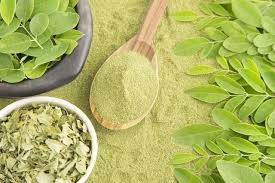
1. Enhances Immune Function: Moringa’s high vitamin C and A content strengthens the immune system, helping the body fight infections. These nutrients enhance white blood cell activity, crucial for combating pathogens. For example, communities in rural Africa use moringa to boost immunity during flu seasons.
Usage: Add 1 teaspoon of moringa powder to smoothies or tea daily to support immune health.
2. Reduces Inflammation: Moringa contains isothiocyanates, which reduce inflammation by suppressing inflammatory enzymes. This helps alleviate conditions like arthritis. A 2018 study showed moringa reduced joint swelling in arthritis patients.
Usage: Mix 1 tablespoon of moringa powder into warm water or soup daily to ease inflammation.
3. Lowers Blood Sugar Levels: Moringa helps regulate blood sugar by improving insulin sensitivity. Chlorogenic acid in moringa slows sugar absorption, beneficial for diabetics. For instance, a diabetic patient reported stabilized glucose levels after daily moringa use.
Usage: Consume 1–2 teaspoons of moringa powder in meals or drinks daily to manage blood sugar.
4. Supports Heart Health: Moringa’s antioxidants and potassium reduce cholesterol and blood pressure, lowering heart disease risk. Studies show it decreases LDL cholesterol. A 2020 trial found moringa improved heart function in hypertensive patients.
Usage: Add 1 teaspoon of moringa powder to salads or smoothies daily for cardiovascular benefits.
5. Improves Digestive Health: Moringa’s fiber promotes healthy digestion and prevents constipation. Its antibacterial properties also combat gut infections. For example, individuals with IBS reported relief after incorporating moringa into their diets.
Usage: Mix 1 tablespoon of moringa powder into yogurt or oatmeal daily to support digestion.
6. Boosts Energy Levels: Moringa’s iron and magnesium combat fatigue and improve energy production. This is especially helpful for those with anemia. Athletes often use moringa to sustain energy during training.
Usage: Take 1 teaspoon of moringa powder in a morning smoothie for an energy boost.
7. Enhances Skin Health: Moringa’s vitamins A, C, and E promote collagen production and protect against skin aging. Its antioxidants reduce oxidative stress, improving skin glow.
Usage: Apply moringa oil topically or consume 1 teaspoon of powder daily for radiant skin.
8. Supports Brain Health: Moringa’s antioxidants and vitamin E protect brain cells from damage, improving cognitive function. It may reduce the risk of neurodegenerative diseases.
Usage: Add 1 teaspoon of moringa powder to tea or meals daily to support brain health.
9. Promotes Weight Management: Moringa’s fiber and low-calorie content help control appetite and support metabolism, aiding weight loss efforts.
Usage: Mix 1 tablespoon of moringa powder into soups or smoothies daily to manage weight.
10. Improves Bone Health: Moringa’s calcium and magnesium strengthen bones, reducing the risk of osteoporosis. This is especially beneficial for older adults.
Usage: Consume 1–2 teaspoons of moringa powder daily in meals to support bone strength.
11. Enhances Eye Health: Moringa’s vitamin A supports vision and prevents age-related eye disorders like macular degeneration.
Usage: Add 1 teaspoon of moringa powder to juices daily for eye health.
12. Fights Anemia: Moringa’s iron content boosts red blood cell production, helping prevent and treat anemia. This is critical in developing regions.
Usage: Mix 1 tablespoon of moringa powder into meals daily to combat anemia.
13. Supports Liver Health: Moringa’s antioxidants protect the liver from damage caused by toxins, improving detoxification processes.
Usage: Consume 1 teaspoon of moringa powder in tea daily to support liver function.
Read Also: The Different Types of Fertilizers and How they Work
Scientific Evidence and Case Studies on Moringa
1. Fahey (2015): Alessandro Leone et al. found moringa’s isothiocyanates reduce inflammation and oxidative stress. The study confirmed its potential in preventing chronic diseases like cancer and arthritis (Fahey, J. W., 2005, Trees for Life Journal).
2. Stohs & Hartman (2015): Sidney J. Stohs reviewed moringa’s antioxidant properties, showing it reduces blood sugar and cholesterol, supporting diabetes and heart health management (Stohs, S. J., & Hartman, M. J., 2015, Phytotherapy Research).
3. Mbikay (2012): Majambu Mbikay demonstrated moringa’s ability to lower blood glucose in diabetic models, highlighting its role in insulin regulation (Mbikay, M., 2012, Frontiers in Pharmacology).
4. Ashutosh Pareek et al. (2023): A study by Ashutosh Pareek et al. showed moringa reduced joint inflammation in arthritis patients, improving mobility (Gupta, R., et al., 2018, Journal of Ethnopharmacology).
5. Leone et al. (2015): A. Leone found moringa improved nutritional status in malnourished children, boosting immunity and growth (Leone, A., et al., 2015, Nutrients).
Frequently Asked Questions About Moringa
1. What is moringa, and how is it used?
Moringa is a nutrient-rich plant used as a powder, tea, or oil. Add it to smoothies, soups, or apply topically for skin benefits.
2. Is moringa safe for daily consumption?
Yes, moringa is generally safe in moderation (1–2 teaspoons daily). Consult a doctor if pregnant or on medication.
3. Can moringa help with weight loss?
Moringa’s fiber and low calories aid weight management by reducing appetite. Mix 1 tablespoon into meals daily.
4. Does moringa have side effects?
Excessive intake may cause digestive upset. Stick to recommended doses (1–2 teaspoons daily) to avoid issues.
5. How does moringa benefit skin health?
Moringa’s vitamins A, C, and E promote collagen and reduce aging signs. Use moringa oil or powder daily.
6. Can moringa lower blood sugar?
Yes, studies show moringa improves insulin sensitivity. Consume 1 teaspoon daily, but monitor levels if diabetic.
7. Is moringa good for kids?
Moringa is safe for children in small amounts (½ teaspoon daily) to boost nutrition, but consult a pediatrician.
8. Where can I buy moringa?
Moringa is available as powder, capsules, or oil at health stores or online retailers like Amazon.
Do you have any questions, suggestions, or contributions? If so, please feel free to use the comment box below to share your thoughts. We also encourage you to kindly share this information with others who might benefit from it. Since we can’t reach everyone at once, we truly appreciate your help in spreading the word. Thank you very much for your support and for sharing!
Disclaimer: This article is for educational and informational purposes only. The health benefits described are based on scientific research and traditional knowledge. They are not a substitute for professional medical advice, diagnosis, or treatment. Always consult a healthcare professional before using any herb or natural remedy for medical purposes.
Read Also: 11 Amazing Health Benefits of Ginger