


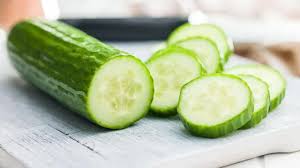
Cucumbers, scientifically known as Cucumis sativus, are more than just a refreshing addition to salads. These crisp, hydrating vegetables belong to the gourd family and are cultivated worldwide. Known for their high water content, cucumbers offer a range of health benefits.
This article explores their nutritional value, health advantages, scientific backing, and common questions about cucumbers.
Originating in South Asia, cucumbers have been grown for over 3,000 years. They are low in calories yet packed with essential nutrients, making them a dietary staple in many cultures. Their mild flavor and crunchy texture make them versatile in culinary dishes, from smoothies to pickles.
Cucumbers are celebrated for their hydration properties, as they consist of about 95% water. This makes them an excellent choice for maintaining fluid balance, especially in hot climates. Beyond hydration, they provide vitamins, minerals, and antioxidants that support overall health.
The health benefits of cucumbers extend to various bodily functions, including digestion, skin health, and heart health. Their nutrient profile supports weight management and reduces inflammation. Regular consumption can contribute to a balanced diet and improved well-being.
Incorporating cucumbers into your diet is simple and effective. Whether eaten raw, juiced, or blended into dishes, they offer a low-calorie way to boost nutrition. Their accessibility and affordability make them a practical choice for health-conscious individuals.
Understanding the science behind cucumbers’ benefits enhances their appeal. Research highlights their role in promoting hydration, reducing oxidative stress, and supporting metabolic health.
Read Also: Cucumber Farming Guide
Nutritional Value of Cucumbers
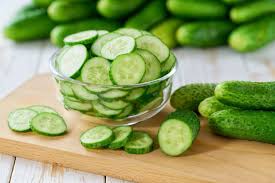
1. Water Content: Cucumbers are approximately 95% water, making them excellent for hydration. This high water content helps regulate body temperature, supports digestion, and aids in nutrient transport. Consuming cucumbers can prevent dehydration, especially during hot weather or after physical activity.
Including cucumbers in meals or snacks helps maintain fluid balance. Their hydrating nature makes them a perfect addition to summer diets, ensuring the body stays refreshed and energized.
2. Vitamin K: Cucumbers provide a good amount of vitamin K, essential for blood clotting and bone health. A single cup of sliced cucumber offers about 20% of the daily recommended intake, supporting bone strength and wound healing.
Regular consumption of cucumbers can contribute to skeletal health, reducing the risk of fractures. Adding them to salads or smoothies is an easy way to boost vitamin K intake.
3. Vitamin C: This antioxidant vitamin in cucumbers supports immune function and skin health. It helps protect cells from damage caused by free radicals, promoting collagen formation for healthy skin and tissues.
Incorporating cucumbers into your diet can enhance immunity. For example, eating a cucumber salad daily can provide a steady dose of vitamin C, supporting overall wellness.
4. Potassium: Cucumbers contain potassium, a mineral vital for heart health and muscle function. Potassium helps regulate blood pressure by balancing sodium levels, reducing the risk of hypertension.
Adding cucumbers to meals can support cardiovascular health. A cucumber smoothie with spinach can provide a potassium-rich boost for heart-conscious individuals.
5. Magnesium: Magnesium in cucumbers aids in muscle relaxation, nerve function, and energy production. It also supports heart rhythm and bone health, making it a crucial mineral for overall vitality.
Including cucumbers in your diet can help meet magnesium needs. For instance, a cucumber and avocado salad can offer a magnesium-packed meal for better energy levels.
6. Dietary Fiber: Cucumbers provide small amounts of dietary fiber, particularly in their skin. Fiber aids digestion, promotes regular bowel movements, and supports gut health by feeding beneficial bacteria.
Eating cucumbers with the skin on maximizes fiber intake. A bowl of cucumber slices with hummus can be a fiber-rich snack for digestive health.
7. Antioxidants: Cucumbers contain antioxidants like flavonoids and tannins, which combat oxidative stress. These compounds help reduce inflammation and protect against chronic diseases such as heart disease and cancer.
Regularly consuming cucumbers can enhance antioxidant defenses. For example, blending cucumbers into a green juice can provide a potent antioxidant boost.
8. Folate: Folate, or vitamin B9, in cucumbers supports cell division and DNA synthesis. It’s especially important for pregnant women to prevent neural tube defects in developing fetuses.
Adding cucumbers to meals supports folate intake. A cucumber and tomato salad can be a folate-rich option for expecting mothers or those planning pregnancy.
9. Calcium: Cucumbers contain small amounts of calcium, which supports bone and teeth health. Calcium also plays a role in muscle contraction and nerve signaling, contributing to overall body function.
Incorporating cucumbers into your diet can complement calcium intake. Pairing cucumber slices with yogurt dip can enhance calcium absorption for stronger bones.
10. Low Calories: With only about 16 calories per cup, cucumbers are ideal for weight management. Their low-calorie content allows for guilt-free snacking while providing essential nutrients.
Health Benefits of Cucumbers
1. Promotes Hydration: Cucumbers’ high water content (95%) makes them excellent for staying hydrated. Proper hydration supports digestion, kidney function, and skin health, preventing issues like constipation or fatigue.
Usage: Drink a glass of cucumber-infused water daily by adding 5-6 thin slices to a liter of water. This provides a refreshing, hydrating drink.
2. Supports Weight Loss: Low in calories (16 per cup), cucumbers are filling due to their water and fiber content. They help curb appetite, making them ideal for weight management diets.
Usage: Snack on 1 cup of sliced cucumbers with a pinch of salt or lemon juice daily. For example, Sarah, a busy mom, replaced chips with cucumber slices, losing 5 pounds in a month.
3. Improves Digestive Health: The fiber in cucumber skin promotes regular bowel movements and supports gut health. It helps prevent constipation and feeds beneficial gut bacteria.
Usage: Eat 1-2 cups of unpeeled cucumber slices daily as a salad or snack to boost fiber intake and maintain digestive regularity.
4. Enhances Skin Health: Cucumbers’ vitamin C and antioxidants reduce skin inflammation and promote collagen production. They’re often used topically to soothe puffiness and hydrate skin.
Usage: Apply 2-3 cucumber slices to eyes for 10 minutes to reduce puffiness. For example, John, a student, uses cucumber slices after late-night study sessions to refresh tired eyes.
5. Supports Heart Health: Potassium and magnesium in cucumbers help regulate blood pressure and support cardiovascular function. They reduce the risk of heart disease by balancing sodium levels.
Usage: Blend 1 cucumber with a handful of spinach for a heart-healthy smoothie, consumed 2-3 times weekly.
6. Reduces Inflammation: Antioxidants like flavonoids in cucumbers combat inflammation, reducing the risk of chronic diseases such as arthritis or heart disease.
Usage: Add 1 cup of diced cucumbers to daily salads to lower inflammation. For instance, Maria, an office worker, noticed reduced joint pain after adding cucumbers to her lunch.
7. Boosts Immunity: Vitamin C and other antioxidants in cucumbers strengthen the immune system, helping the body fight infections and illnesses more effectively.
Usage: Consume a cucumber smoothie (1 cucumber, 1 apple, 1 cup spinach) 3 times a week to enhance immunity.
8. Improves Bone Health: Vitamin K and calcium in cucumbers support bone strength and reduce the risk of fractures, especially in older adults.
Usage: Include 1 cup of cucumber slices in daily meals, paired with calcium-rich foods like yogurt, to support bone health.
9. Aids in Detoxification: Cucumbers’ high water content and diuretic properties help flush toxins from the body, supporting kidney and liver function.
Usage: Drink a detox juice made from 1 cucumber, 1 lemon, and a handful of mint leaves daily to promote detoxification.
10. Regulates Blood Sugar: Cucumbers have a low glycemic index, helping stabilize blood sugar levels. Their fiber content slows sugar absorption, benefiting those with diabetes.
Usage: Eat 1-2 cups of cucumber slices as a snack or side dish daily to help manage blood sugar levels.
11. Supports Eye Health: Cucumbers’ antioxidants, including beta-carotene, protect eyes from oxidative damage, reducing the risk of age-related vision issues.
Usage: Place 2 cucumber slices on eyes for 10 minutes daily or consume 1 cup in salads to support eye health.
12. Promotes Hair Growth: Silica in cucumbers strengthens hair follicles, promoting healthy hair growth and reducing hair loss.
Usage: Blend 1 cucumber with aloe vera gel and apply as a hair mask for 20 minutes weekly. For example, Emma, a hairstylist, used this mask to improve hair strength.
13. Improves Oral Health: Cucumbers’ water content and crunchiness help clean teeth and stimulate saliva production, reducing bad breath and plaque buildup.
Usage: Chew 5-6 cucumber slices after meals as a natural breath freshener and to promote oral hygiene.
Read Also: The Different Types of Snail Food
Scientific Evidence and Case Studies on Cucumbers
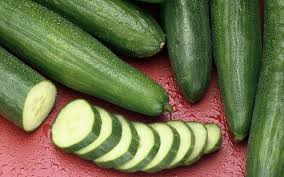
1. Hydration and Electrolyte Balance: A study by Popkin et al. (2010) emphasized cucumbers’ role in hydration due to their high water content (95%). The research highlighted their ability to replenish electrolytes, making them effective for post-exercise recovery.
2. Antioxidant Properties: Murugiah et al. (2015) investigated cucumbers’ antioxidant content, including flavonoids and tannins. The study confirmed their role in reducing oxidative stress, which may lower the risk of chronic diseases like cancer and heart disease.
3. Blood Sugar Regulation: A 2018 study by Saeedi et al. explored cucumbers’ low glycemic index and fiber content. The findings showed that cucumbers help stabilize blood sugar levels, making them beneficial for diabetes management.
4. Anti-Inflammatory Effects: Kumar et al. (2013) found that cucumber extracts reduced inflammation in animal models due to their flavonoid content. This supports their use in managing conditions like arthritis.
5. Skin Health Benefits: A 2016 study by Mukherjee et al. confirmed cucumbers’ role in promoting skin health through their vitamin C and antioxidant content. The research highlighted their ability to reduce skin inflammation and support collagen production.
Frequently Asked Questions About Cucumbers
1. Are cucumbers good for weight loss?
Yes, cucumbers are low in calories (16 per cup) and high in water and fiber, making them filling and ideal for weight management. Eat them as snacks or in salads to curb hunger.
2. Can cucumbers improve skin health?
Cucumbers’ vitamin C and antioxidants promote collagen production and reduce inflammation. Applying cucumber slices to the skin or eating them regularly can enhance skin hydration and reduce puffiness.
3. Is it safe to eat cucumber skin?
Yes, cucumber skin is edible and rich in fiber and antioxidants. Wash thoroughly to remove pesticides, and consume unpeeled for maximum nutritional benefits.
4. Can cucumbers help with hydration?
With 95% water content, cucumbers are excellent for hydration. Drinking cucumber-infused water or eating slices daily helps maintain fluid balance, especially in hot weather.
5. Do cucumbers help with digestion?
The fiber in cucumber skin promotes regular bowel movements and supports gut health. Eating 1-2 cups daily can prevent constipation and improve digestion.
6. Are cucumbers safe for people with diabetes?
Yes, cucumbers have a low glycemic index and help stabilize blood sugar. Including them in meals or snacks is beneficial for diabetes management.
7. Can cucumbers reduce bad breath?
Chewing cucumber slices stimulates saliva production, which cleans teeth and reduces bad breath. Eat 5-6 slices after meals for fresher breath.
8. How should cucumbers be stored?
Store cucumbers in the refrigerator’s crisper drawer, wrapped in a damp cloth or plastic bag, to maintain freshness for up to two weeks.
Do you have any questions, suggestions, or contributions? If so, please feel free to use the comment box below to share your thoughts. We also encourage you to kindly share this information with others who might benefit from it. Since we can’t reach everyone at once, we truly appreciate your help in spreading the word. Thank you very much for your support and for sharing!
Disclaimer: This article is for educational and informational purposes only. The health benefits described are based on scientific research and traditional knowledge. They are not a substitute for professional medical advice, diagnosis, or treatment. Always consult a healthcare professional before using any herb or natural remedy for medical purposes.
Read Also : The Products Derived From Grey Water