


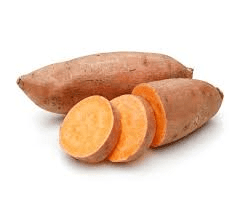
Sweet potatoes are a versatile, nutrient-dense root vegetable often enjoyed as a snack or staple food. Easily available in traditional and modern markets, they provide numerous health benefits due to their rich content of vitamins, minerals, fiber, and antioxidants. However, like any food, they should be consumed mindfully to avoid potential risks, especially for certain individuals.
Nutrient Content of Sweet Potatoes
A medium sweet potato (approximately 150-200g, baked with skin) typically contains:
- 162 calories
- 0g fat
- 37g carbohydrates (including 6g dietary fiber and 12g natural sugars)
- 3.6g protein
- Over 100% daily value of vitamin A (from beta-carotene)
- 37% of vitamin C
- 16% of vitamin B6
- 15% of potassium
- 28% of manganese
- Significant amounts of calcium, iron, magnesium, phosphorus, zinc, vitamin E, thiamin, riboflavin, pantothenic acid, and folic acid
The colorful skin (yellow, purple, or brown varieties) adds extra fiber, potassium, and antioxidants like quercetin—eat the skin for maximum benefits.

Image: Fresh sweet potatoes offering natural health advantages
Health Benefits of Sweet Potatoes
1. Preventing Diabetes
Sweet potatoes have a low glycemic index and help manage blood sugar levels. Magnesium supports insulin sensitivity, while high fiber improves glucose control and reduces insulin resistance in type 2 diabetes. Studies show they can replace higher-GI carbs like rice effectively.
2. Reducing Blood Pressure
High potassium content (542mg per medium potato) helps balance sodium intake, relax blood vessels, and lower hypertension risk—potentially reducing death risk from high blood pressure by up to 20%.
3. Influencing Fertility
Plant-based iron and beta-carotene (converted to vitamin A) support reproductive health. Vitamin A is especially important during pregnancy and breastfeeding for fetal development.
4. Increasing Immunity
Rich in vitamin C and beta-carotene, sweet potatoes strengthen the immune system and help prevent viral infections like the flu.
5. Resolving Inflammation
Choline, beta-carotene, vitamin C, and magnesium provide anti-inflammatory effects. Research shows sweet potato extracts reduce inflammation and support lipid metabolism.
6. Healthy Eyes
High beta-carotene (over 1,000% daily value in some servings) protects vision, prevents night blindness, and reduces risk of age-related eye degeneration when combined with vitamins C and E.

Image: Bright orange sweet potatoes rich in vision-supporting beta-carotene
Read Also: Health Benefits of taking Watermelon Fruits for Males and Females Fertility
7. Healthy Digestive System
High fiber prevents constipation, promotes gut regularity, and soothes gastritis. Vitamins B-complex, C, beta-carotene, potassium, and calcium further support stomach and colon health.
8. Energy Source
Iron and magnesium boost red blood cell production and oxygen delivery, reducing fatigue. Complex carbs provide sustained energy without fat.
9. Resolving Bronchitis and Asthma
Vitamin C and nutrients offer a warming effect and help clear nasal congestion, easing respiratory symptoms.
10. Relieving Arthritis
Beta-carotene, magnesium, zinc, and B vitamins reduce joint inflammation. Boiled sweet potato water applied topically can soothe painful areas.
11. Overcoming Cancer
Beta-carotene and vitamin C act as antioxidants to neutralize free radicals, potentially lowering risk of colon, kidney, heart, and prostate cancers.
12. Reducing Addiction
Nutrients support vascular health and may help reduce cravings for tobacco, alcohol, or narcotics.
13. Keeping Teeth and Gums Healthy
Vitamin C (up to 70% daily value) prevents gum bleeding and supports oral tissue health.
14. Strengthening Bones
Manganese (44% daily value) and other minerals help maintain bone density and prevent osteoporosis.
15. Managing Cholesterol Level
Soluble fiber lowers LDL cholesterol absorption in the bloodstream.
16. Keep Our Heart Healthy
Vitamin B6 reduces homocysteine levels, lowering risk of heart disease and stroke.
17. Healing Stress
Pantothenic acid (vitamin B5) supports adrenal function and stress hormone production.
18. Relieving HIV/AIDS Symptoms
Beta-carotene boosts immune function and may help manage symptoms in supportive care.
Read Also: 12 Health Benefits of Ginger Snaps to Relieve Gastrointestinal Distress
Benefits of Sweet Potatoes for Beauty
1. Keeping Skin Elasticity and Beauty
Vitamin C supports collagen production, while vitamins A and E promote glowing, healthy skin.
2. Overcoming Oily Skin
Steamed and mashed sweet potato mask with honey moisturizes and controls oil without clogging pores.
3. Improving Skin Texture
Boiling water used as a natural toner cleanses pores, calms irritation, and improves complexion.
4. Improving Rough Heels
Warm boiled sweet potato water soaks soften and smooth cracked heels.
5. Removing Dark Circles and Swollen Eyes
Cold sweet potato slices reduce puffiness and brighten under-eye area.
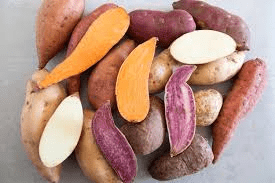
Image: Sweet potatoes supporting radiant skin and natural beauty
Benefits of Sweet Potatoes for Pregnancy
1. High Vitamin A
Provides nearly 300% of daily needs for fetal development and maternal health.
2. High Vitamin C and Iron
Enhances iron absorption to prevent anemia and support baby’s growth.
3. Contains Fiber
Helps prevent constipation, a common pregnancy issue.
4. Contains Potassium
Supports fluid balance and reduces swelling.
5. Contains Vitamin B6
Reduces morning sickness and aids red blood cell formation.
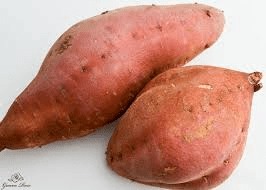
Image: Nutrient-packed sweet potatoes ideal during pregnancy
Interesting Fact Related to Pregnancy
In some West African communities (e.g., Igbo-Ora, Nigeria), high sweet potato consumption is traditionally linked to higher rates of twin births, possibly due to phytoestrogens influencing hyperovulation.
Benefits of Sweet Potatoes for Diet
1. Lower Carbohydrates than White Rice
Better option for controlled carb intake.
2. Rich of Fiber
Promotes satiety, reduces snacking, and supports slow, efficient energy release.
3. Low Calorie
Provides filling volume with fewer calories.
4. Controlling Blood Sugar
Adiponectin-boosting compounds stabilize glucose and insulin.
5. Watery Content
Increases fullness quickly and sustains it longer.
Note: Grill, steam, or boil sweet potatoes (preferably with skin) for diet purposes—avoid frying.
Comparison: 100g Sweet Potato vs. 100g Cooked Rice
- Water: Sweet potato 68.5g vs. Rice 13g
- Protein: 1.8g vs. 6.8g
- Calories: 123 vs. 360
- Carbohydrates: 27.9g vs. 78.9g
- Calcium: 30mg vs. 6mg
- Vitamin A: Significant vs. 0
- Vitamin C: 22mg vs. 0
Side Effects and Cautions
Sweet potatoes contain oxalic acid, which may contribute to kidney stones in susceptible individuals. Those with a history of kidney stones or urinary tract issues should limit intake or consult a doctor. Overconsumption may cause digestive discomfort in some people.
Read Also: The 15 Health Benefits of Sour-sop including its power to cure Diabetics
Scientific Evidence and Case Studies on Sweet Potatoes
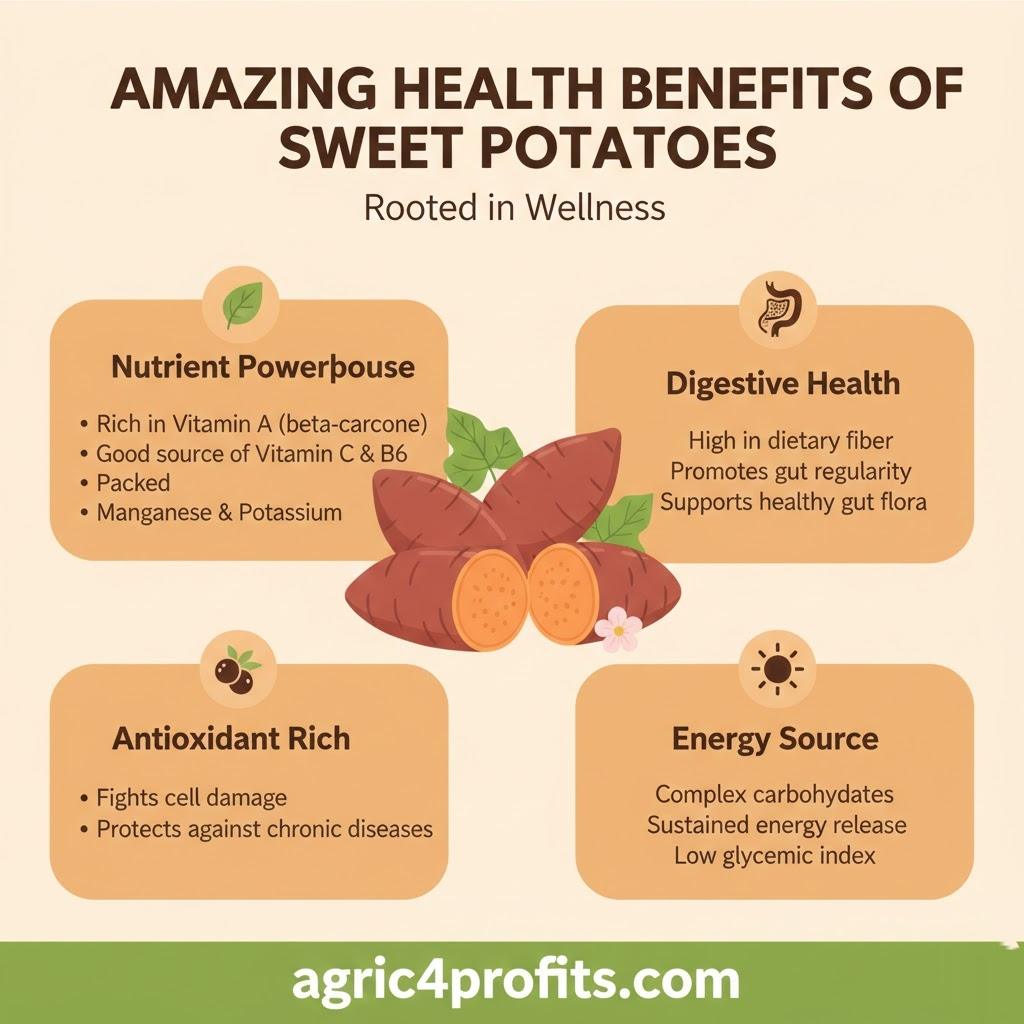
1. Blood Sugar Regulation: Low-GI sweet potatoes improve insulin sensitivity and reduce postprandial glucose spikes in type 2 diabetes patients.
2. Antioxidant and Anti-Inflammatory Effects: Beta-carotene, anthocyanins (in purple varieties), and polyphenols reduce oxidative stress and inflammation markers.
3. Eye Health Protection: High beta-carotene intake correlates with lower risk of macular degeneration and supports retinal function.
4. Cardiovascular Benefits: Potassium and fiber lower blood pressure and cholesterol; vitamin B6 reduces homocysteine-linked heart disease risk.
5. Immune and Anticancer Potential: Vitamin C, beta-carotene, and other antioxidants enhance immunity and may inhibit cancer cell growth in lab studies.
Nutritional Value Of Sweet Potatoes
1. Beta-Carotene (Vitamin A precursor): Exceptional amounts support vision, immunity, and skin health.
2. Dietary Fiber: Promotes digestion, satiety, and blood sugar/cholesterol control.
3. Potassium: Regulates blood pressure and fluid balance.
4. Vitamin C: Boosts collagen production, immunity, and iron absorption.
5. Manganese: Supports bone health, metabolism, and antioxidant defense.
6. Vitamin B6: Aids brain function, red blood cell formation, and stress response.
7. Anthocyanins (purple varieties): Powerful antioxidants with anti-inflammatory benefits.
Summary of Sweet Potatoes
| Aspect | Key Details |
|---|---|
| Introduction | Nutrient-rich root vegetable; low-GI, high in vitamins/minerals; versatile for snacks, meals, and diets. |
| Nutrient Highlights | High beta-carotene/vitamin A, vitamin C, fiber, potassium, manganese; low fat/calories. |
| Main Benefits | Manages diabetes/blood pressure/cholesterol, boosts immunity/eye health, reduces inflammation, supports digestion/heart/bones, aids pregnancy/diet/beauty. |
| Special Uses | Beauty masks/toners, pregnancy nutrition, weight management, respiratory relief. |
| Cautions | Oxalic acid risk for kidney stone formers; moderate intake; consult doctor if needed. |
| Recommendations | Eat with skin, prefer steaming/boiling; include regularly for optimal nutrition. |
Frequently Asked Questions
1. Are sweet potatoes safe for people with diabetes?
Yes, their low glycemic index and high fiber help stabilize blood sugar better than many carbs—consume in moderation and monitor portions.
2. How do sweet potatoes benefit eye health?
High beta-carotene converts to vitamin A, essential for vision and preventing night blindness or age-related degeneration.
3. Can sweet potatoes help with weight loss?
Yes—high fiber and water content promote fullness, lower calorie density, and provide sustained energy without excess carbs.
4. Why should I eat the skin of sweet potatoes?
The skin contains extra fiber, antioxidants (like quercetin), and potassium—boosting overall nutritional value.
5. Are sweet potatoes good during pregnancy?
Yes—rich in vitamin A, C, iron, fiber, potassium, and B6; they support fetal development, prevent anemia, and ease constipation.
6. Do sweet potatoes lower blood pressure?
Their high potassium content helps counteract sodium and relax blood vessels, reducing hypertension risk.
7. Can sweet potatoes reduce inflammation?
Yes—antioxidants (beta-carotene, vitamin C) and choline provide anti-inflammatory effects for internal and external relief.
8. What are the potential side effects of sweet potatoes?
Oxalic acid may increase kidney stone risk in prone individuals; excessive intake can cause digestive upset.
9. How do sweet potatoes compare to regular potatoes nutritionally?
Sweet potatoes offer more vitamins A and C, fiber, and antioxidants, with a lower glycemic impact.
10. What’s the best way to prepare sweet potatoes for health benefits?
Steam, bake, or boil with skin on to retain nutrients—avoid frying to prevent added unhealthy fats.
Do you have any questions, suggestions, or contributions? If so, please feel free to use the comment box below to share your thoughts. We also encourage you to kindly share this information with others who might benefit from it. Since we can’t reach everyone at once, we truly appreciate your help in spreading the word. Thank you very much for your support and for sharing!
Disclaimer: This article is for educational and informational purposes only. The health benefits described are based on scientific research and traditional knowledge. They ayre not a substitute for professional medical advice, diagnosis, or treatment. Always consult a healthcare professional before using any herb or natural remedy for medical purposes.