


Centipede grass (Eremochloa ophiuroides) is a popular choice for lawns due to its low-maintenance nature and lush appearance. This warm-season grass is widely recognized for its ability to thrive in a variety of soil types and climates, making it an excellent option for homeowners seeking a hassle-free lawn.
One of the standout features of centipede grass is its adaptability to different soil conditions. Unlike some other grass types, centipede grass is content with slightly acidic soils, which are common in many parts of the United States. This adaptability not only simplifies soil preparation but also reduces the need for extensive soil amendments.
Another advantage of centipede grass is its slow growth rate. Unlike fast-growing grasses that require frequent mowing, centipede grass maintains a moderate growth pace. This means less time spent behind the lawnmower and more time enjoying your yard. Additionally, its relatively short stature – usually around 1 to 2 inches – contributes to its neat and tidy appearance.
Homeowners with busy schedules will appreciate centipede grass's minimal maintenance requirements. It has a natural resistance to many pests and diseases, reducing the need for frequent pesticide applications. Its dense growth pattern also helps crowd out weeds, further decreasing the need for herbicides.
Centipede grass's water efficiency is another reason it's a favored choice. It has a relatively low water requirement compared to other grasses, making it a great option for regions with water restrictions or hot summers. Proper irrigation practices can keep your centipede grass lawn looking vibrant without excessive water usage.
While centipede grass offers numerous benefits, it's important to note some considerations. It prefers full sun but can tolerate light shade, making it suitable for a variety of yard layouts. However, in areas with heavy foot traffic, it may not hold up as well as some other grass types.
🌿 Go Organic on Your Farm: Instead of harmful chemical pesticides and fertilisers, try our organic farming products — including neem oil spray, bio-pesticides, natural plant treatments, organic seeds and seedlings, suckers, and many more organic products that are safe for your health, your family, your soil and your harvest. Shop Now →
In addition, centipede grass presents an attractive solution for homeowners seeking a low-maintenance and visually appealing lawn. Its adaptability to different soil conditions, slow growth rate, and water efficiency make it a practical choice for various regions. By selecting centipede grass for your lawn, you're not only simplifying your yard care routine but also enhancing the overall aesthetics of your outdoor space.
Read Also: Rare Facts of Bobcats (Lynx rufus)
Growing and Care Guide of Centipede Grass
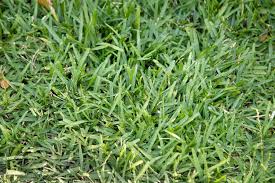
Centipede grass (Eremochloa ophiuroides) is a resilient and low-maintenance warm-season grass that can provide a lush and inviting lawn. Whether you're a seasoned gardener or a beginner, here's a simple guide to help you successfully grow and care for centipede grass:
1. Soil Preparation: Centipede grass thrives in slightly acidic soils with a pH range of 5.0 to 6.0. Conduct a soil test to determine the pH of your soil. If needed, you can amend the soil with sulfur to lower the pH. However, in most cases, centipede grass will grow well in the existing soil without extensive amendments.
🔧 Free Farm Tool Available: Use our free Agric4Profits Farm Tools to calculate your farm profits, formulate feeds, identify pests and diseases on both your crops and animal farms, plan your planting and harvesting season, including many more farm tasks to get free expert advice and recommendations — completely free, no registration required. Access Free Tools →
2. Planting: The best time to plant centipede grass is during the late spring to early summer when the soil is warm and temperatures are consistently above 70°F (21°C). You can plant seeds or use sod or plugs for quicker establishment. Prepare the soil by tilling it to a depth of about 4 to 6 inches and removing debris. Plant seeds or install sod or plugs according to the manufacturer's instructions.
3. Watering: Water newly planted centipede grass regularly to keep the soil consistently moist for the first few weeks. Once established, centipede grass requires about 1 inch of water per week, either from rainfall or irrigation. Water deeply and infrequently to encourage deep root growth.
4. Mowing: Centipede grass has a slow growth rate, so it doesn't require frequent mowing. Maintain a mowing height of about 1 to 2 inches. Avoid cutting more than one-third of the grass height in a single mowing session, as this can stress the grass.
5. Fertilization: Centipede grass has relatively low nutrient requirements. A balanced fertilizer with a ratio of 10-10-10 or 15-0-15 applied in late spring or early summer is usually sufficient. Avoid over-fertilizing, as it can lead to thatch buildup and increased maintenance.
6. Weed Control: Centipede grass has natural weed-fighting abilities due to its dense growth pattern. However, in its early stages, it can be susceptible to weed competition. Hand-pull weeds as needed, and avoid using herbicides unless necessary.
💬 Have a Farming Question? Join thousands of farmers across Africa on the Agric4Profits Community — ask questions, share experiences and connect with agricultural experts. It is completely free. Ask Your Question Now →
7. Pest and Disease Management: Centipede grass is generally resistant to many pests and diseases. However, keep an eye out for pests like white grubs and diseases like brown patch. Proper watering and mowing practices can help prevent these issues.
8. Winter Care: In regions with mild winters, centipede grass remains green year-round. In colder regions, it goes dormant and turns brown during the winter months. If desired, you can overseed with a cool-season grass to maintain a green lawn during winter dormancy.
9. Aeration: Periodic aeration can help alleviate soil compaction and promote better root growth. Aerate your centipede grass lawn in late spring or early summer for optimal results.
By following these simple steps, you can enjoy a beautiful centipede grass lawn that requires minimal effort to maintain. Remember that each lawn is unique, so observe your grass and make adjustments as needed to ensure its health and vitality.
Read Also: Cat | Breeds & Facts
Centipede Sod
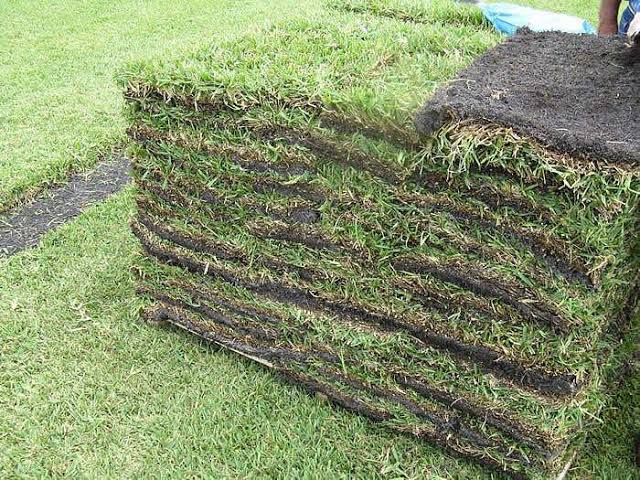
Imagine stepping out into your yard and being greeted by a lush expanse of vibrant green grass. Centipede sod offers you exactly that – a ready-made carpet of beauty that transforms your outdoor space into a welcoming oasis.
Centipede sod is a convenient and efficient way to establish a new lawn or revitalize an existing one. It eliminates the waiting period typically associated with growing grass from seed, giving you immediate results and a visually appealing landscape.
One of the key advantages of centipede sod is its instant impact. The moment it's laid down, your yard undergoes a dramatic transformation. What was once bare soil or patchy grass becomes a sea of verdant green, adding instant curb appeal and value to your property.
Beyond its immediate beauty, centipede sod also offers practical benefits. Its well-developed root system helps control soil erosion, making it an excellent choice for areas prone to shifting soil. The dense network of roots holds the soil in place, preventing it from being washed away during heavy rains.
📖 Want to Go Deeper on This Topic?
Our expert agricultural ebooks cover poultry, fish farming, different crops production, snail farming, organic farming, mushrooms, sheep, cattle, flowers, pig farming, goat farming, agribusiness, etc. in practical step-by-step detail — written by agricultural professionals for African farmers.
Browse All Farming Ebooks →Centipede sod's quick establishment also plays a role in minimizing weed growth. As the sod takes root and spreads, it naturally competes with weeds, reducing their presence in your lawn. This can lead to a lower need for weed control measures and less time spent battling unwanted plants.
Installing centipede sod involves careful preparation of the soil. Clearing the area of debris, leveling the ground, and ensuring proper drainage are essential steps. By providing a suitable foundation, you set the stage for the sod to thrive and establish itself.
Proper watering is crucial during the initial weeks after installing centipede sod. Keeping the sod consistently moist allows the roots to take hold and penetrate the soil. As the roots grow deeper, the sod becomes more resilient and better equipped to withstand varying weather conditions.
Once the centipede sod is firmly rooted, regular maintenance ensures its long-term health and beauty. Mowing becomes part of the routine, helping to maintain an even height and a manicured appearance. Adequate fertilization, based on soil test recommendations, supports the sod's nutrient needs and overall vigor.
While centipede sod brings numerous benefits, it's important to monitor its condition regularly. Keep an eye out for signs of pests or diseases, and address any issues promptly to prevent them from spreading and causing damage.
In essence, centipede sod offers you an instant green oasis that transforms your yard into a welcoming and attractive space. Its immediate beauty, erosion control, and weed suppression properties make it a practical choice for homeowners seeking quick and lasting results. With proper installation, care, and attention, centipede sod can provide you with a thriving and inviting lawn for years to come.
Read Also: 5 Surprising Health Benefits of Rebel Drinks You Need to Know About
🌱 Take Your Farming Further With Agric4Profits
Based on what you just read, here are free resources and products from Agric4Profits that can help your farm right now:
- 🛒 Visit Our Marketplace — Organic neem oil, bio-pesticides, seeds and farming products
- 📚 Read Premium Content — Advanced guides for serious and profitable farming
- 🎓 Join Our Free Academy — Structured free training for farmers across Africa
- 🔧 Use Our Free Farm Tools — Profit calculators, feed formulation, pest identifier and more
- 💬 Join Our Farming Community — Connect with farmers across all 54 African countries
- ❓ Ask a Farming Question — Get answers from experienced farmers and agricultural experts
Please cite this content in academic work, research, or publications.