


Timothy grass, scientifically known as Phleum pratense, is a common and valuable grass species found in many parts of the world. It's widely recognized for its use as forage for livestock and its important role in hay production.
Timothy grass has long, narrow leaves and a dense, cylindrical flower head. This flower head is what produces the seeds used to propagate new plants. The grass is known for its adaptability to various soil types and its ability to grow in cool, temperate climates.
One of the key reasons for Timothy grass's popularity in agriculture is its excellent nutritional value for livestock. It's rich in fiber, which aids in proper digestion for animals like horses and cattle. The grass also contains essential nutrients like calcium and phosphorus, contributing to the overall health of grazing animals.
Farmers often cultivate Timothy grass for hay production. The grass is cut and dried, preserving its nutrients for animal feed during periods when fresh pasture is scarce, such as winter months. Proper harvesting and storage methods are crucial to maintain the quality of the hay.
Beyond its agricultural uses, Timothy grass plays a role in natural ecosystems. It helps prevent soil erosion due to its extensive root system, which holds the soil together. Additionally, its dense growth provides habitat and food sources for various insects and small animals.
In addition, Timothy grass is a versatile and valuable grass species with significant agricultural and ecological importance. Its nutrient-rich composition makes it a preferred choice for livestock forage, and its role in preventing soil erosion and supporting wildlife underscores its broader ecological significance.
🌿 Go Organic on Your Farm: Instead of harmful chemical pesticides and fertilisers, try our organic farming products — including neem oil spray, bio-pesticides, natural plant treatments, organic seeds and seedlings, suckers, and many more organic products that are safe for your health, your family, your soil and your harvest. Shop Now →
Read Also: Complete List of Some Wild Animals
Complete Growing and Care Guide of Timothy grass
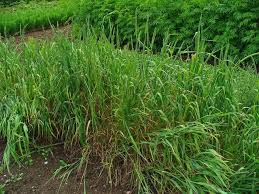
Timothy grass (Phleum pratense) is a popular grass species often cultivated for its use as forage for livestock and hay production. Here's a comprehensive guide on how to grow and care for Timothy grass:
1. Choosing the Right Location: Timothy grass thrives in cool, temperate climates. Choose a location with well-draining soil that receives at least 4-6 hours of sunlight daily. Avoid areas prone to waterlogging.
2. Soil Preparation: Prepare the soil by tilling it to a depth of 4-6 inches. Incorporate organic matter like compost to improve soil structure and fertility. Conduct a soil test to determine pH levels and adjust as needed (pH 6.0-7.5 is ideal for Timothy grass).
🔧 Free Farm Tool Available: Use our free Agric4Profits Farm Tools to calculate your farm profits, formulate feeds, identify pests and diseases on both your crops and animal farms, plan your planting and harvesting season, including many more farm tasks to get free expert advice and recommendations — completely free, no registration required. Access Free Tools →
3. Planting: Timothy grass can be grown from seed. Sow the seeds in early spring or early fall. Broadcast the seeds evenly over the prepared soil and lightly rake to cover them. Keep the soil consistently moist until germination occurs.
4. Watering: Water the newly seeded area regularly to keep the soil moist, but not waterlogged. As the grass establishes, you can reduce the frequency of watering. Established Timothy grass is moderately drought-tolerant.
5. Fertilization: Conduct a soil test to determine nutrient deficiencies. Generally, applying a balanced fertilizer in early spring and late summer will suffice. Follow recommended application rates based on the test results.
6. Mowing: Begin mowing when the grass reaches a height of about 4-6 inches. Set the mower height to 2-3 inches for optimal growth. Regular mowing promotes healthy, dense growth and prevents weed competition.
7. Weed Control: Proper mowing and healthy growth will help minimize weed intrusion. In case of weed infestations, consider using herbicides labeled safe for use on grass pastures. Always follow the manufacturer's instructions.
💬 Have a Farming Question? Join thousands of farmers across Africa on the Agric4Profits Community — ask questions, share experiences and connect with agricultural experts. It is completely free. Ask Your Question Now →
8. Pest and Disease Management: Timothy grass is relatively resistant to pests and diseases. However, keep an eye out for issues like aphids, armyworms, and fungal diseases. Consult local agricultural extension services for guidance on specific pest and disease management.
9. Harvesting for Hay: Timothy grass is typically ready for the first cut when it reaches the early flowering stage. Harvest during a dry period to ensure proper drying of the cut grass. Cure the hay properly to prevent mold growth.
10. Overseeding and Renovation: Over time, the stand of Timothy grass may thin out. Consider overseeding with fresh seed every 3-4 years to maintain a healthy stand. Prepare the area as you would for new planting and broadcast the seed evenly.
11. Winter Care: Timothy grass goes dormant in winter. Ensure animals are not overgrazing the pasture before winter to leave enough vegetation for regrowth in spring.
Remember, successful growing and care of Timothy grass require consistent monitoring and adjustments based on local conditions. Consulting with local agricultural experts and extension services can provide tailored guidance for your specific region.
Livestock Forage
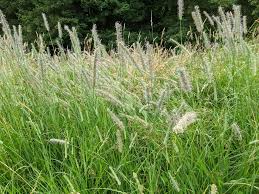
Livestock forage refers to plants, often grasses and legumes, that are grown specifically to provide food for grazing animals. Timothy grass is one of the key components of livestock forage, valued for its nutritional content and suitability for animals like cattle, horses, sheep, and goats.
Livestock forage serves as a primary food source for these animals, supplying essential nutrients such as carbohydrates, proteins, fiber, and various minerals. It plays a crucial role in supporting animal growth, maintaining health, and ensuring productive reproduction.
Proper management of livestock forage is essential to ensure that animals have access to sufficient and high-quality food. This includes practices like rotational grazing, where animals are moved between different grazing areas to prevent overgrazing and allow forage to regrow. Additionally, monitoring forage quality and quantity helps prevent nutritional deficiencies and ensures optimal animal health.
Timothy grass, due to its excellent nutritional profile, palatability, and ability to tolerate grazing, is a preferred choice for livestock forage in many regions. It provides a reliable source of sustenance for animals, contributing to their well-being and the overall success of livestock operations.
📖 Want to Go Deeper on This Topic?
Our expert agricultural ebooks cover poultry, fish farming, different crops production, snail farming, organic farming, mushrooms, sheep, cattle, flowers, pig farming, goat farming, agribusiness, etc. in practical step-by-step detail — written by agricultural professionals for African farmers.
Browse All Farming Ebooks →Read Also: Wild Boar Description and Complete Care Guide
Economic Importance of Timothy Grass
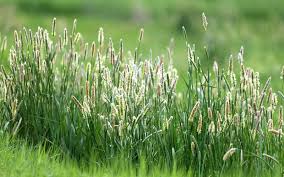
The economic importance of Timothy grass extends beyond its role as livestock forage. Here are some key aspects highlighting its economic significance:
1. Livestock Industry: Timothy grass is a valuable component of the livestock industry. It serves as a nutritious and palatable forage option for cattle, horses, sheep, and other grazing animals. By providing a reliable and high-quality food source, it contributes to the health and productivity of livestock, which in turn supports the meat, dairy, and fiber sectors.
2. Hay Production: Timothy grass is a popular choice for hay production. The grass is cut, dried, and baled to create hay, which is stored and used as animal feed during periods of scarcity, such as winter. The hay market is substantial, and the demand for quality hay, including Timothy grass hay, creates economic opportunities for farmers and suppliers.
3. Agricultural Trade: The cultivation and trade of Timothy grass and its products contribute to agricultural economies. Exporting Timothy grass seed and hay to regions with different growing conditions helps diversify agricultural markets and generate income for producers.
4. Job Creation: The cultivation, harvesting, processing, and distribution of Timothy grass products support various job roles in the agricultural sector. This includes farmers, farm workers, equipment operators, transportation professionals, and more.
5. Soil Erosion Control: Timothy grass plays a role in preventing soil erosion due to its extensive root system. By reducing soil erosion, it helps maintain the productivity of agricultural land and contributes to sustainable farming practices.
6. Biodiversity and Wildlife: As part of natural ecosystems, Timothy grass contributes to biodiversity by providing habitat and food sources for insects and small animals. Healthy ecosystems can have economic benefits, such as supporting pollinators that contribute to crop production.
7. Research and Development: Ongoing research and breeding efforts to improve Timothy grass varieties for better yield, disease resistance, and nutritional content contribute to the agricultural biotechnology sector. This research fosters innovation and may lead to the development of new crop varieties.
8. Tourism and Recreation: In some regions, hayrides, agritourism, and recreational activities involving animals can generate additional income. Timothy grass fields might be used for such activities, indirectly contributing to local economies.
In summary, the economic importance of Timothy grass spans across multiple sectors, from livestock production and agriculture to trade and job creation. Its role as a reliable and nutritious forage source and its impact on various aspects of the economy make it a valuable asset to agricultural communities.
Read Also: Newborn Baby Diapers: A Complete Guide for New Parents
🌱 Take Your Farming Further With Agric4Profits
Based on what you just read, here are free resources and products from Agric4Profits that can help your farm right now:
- 🛒 Visit Our Marketplace — Organic neem oil, bio-pesticides, seeds and farming products
- 📚 Read Premium Content — Advanced guides for serious and profitable farming
- 🎓 Join Our Free Academy — Structured free training for farmers across Africa
- 🔧 Use Our Free Farm Tools — Profit calculators, feed formulation, pest identifier and more
- 💬 Join Our Farming Community — Connect with farmers across all 54 African countries
- ❓ Ask a Farming Question — Get answers from experienced farmers and agricultural experts
Please cite this content in academic work, research, or publications.