


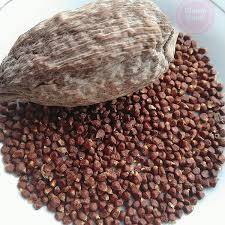
Alligator pepper is a well-known herbaceous perennial plant, also known botanically as Aframomum melegueta. It is a very popular plant and it is also a very powerful medicinal plant.
However, in this article, we’ll be discussing and pinpointing a few health benefits and facts associated with this herbaceous perennial plant.
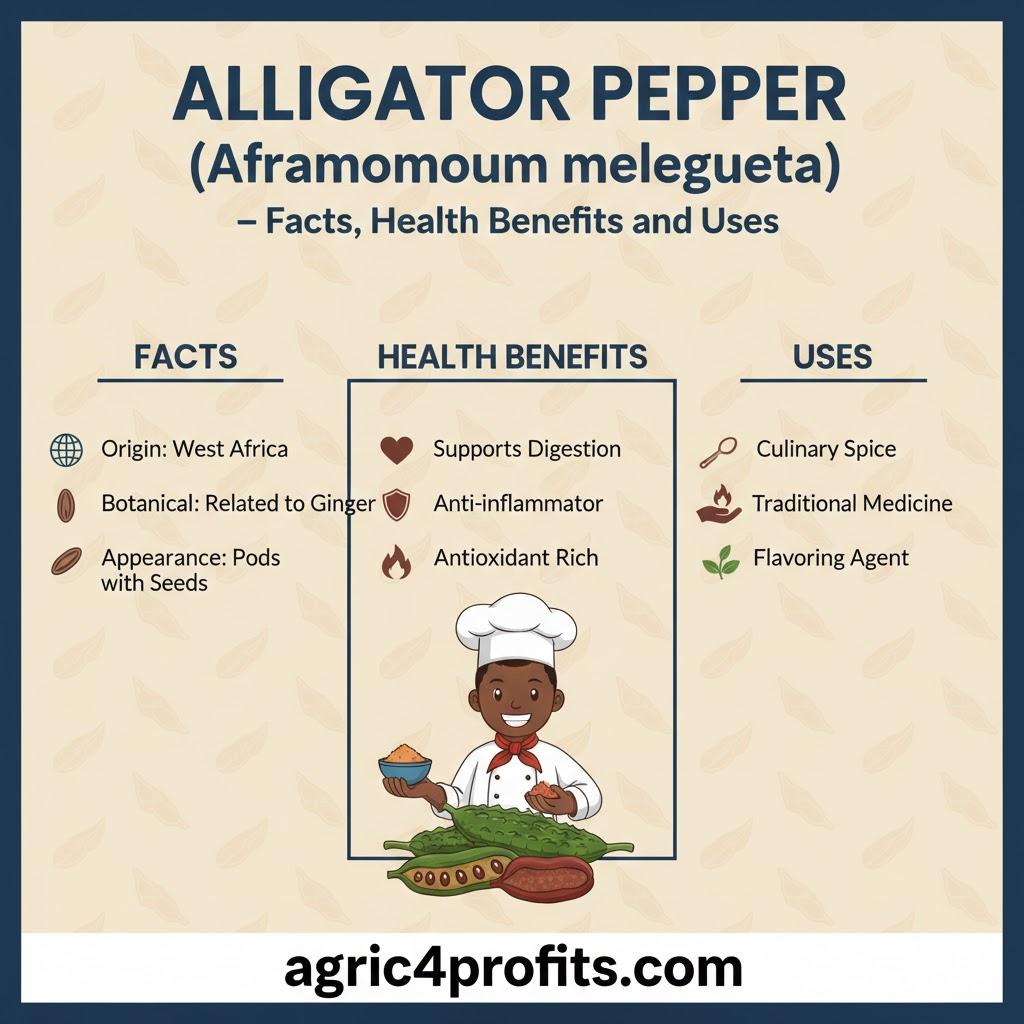
You should also know that the alligator pepper is originally originated from West Africa, some of the countries where this plant is grown are Nigeria, Liberia, Cameroon, Togo, Ghana, Gambia, and a host of others.
However, this magnificent plant is said to belong to Zingiberaceae or better still the ginger family.
One interesting fact about the alligator pepper is it thrives mainly in swampy areas and it is also very versatile.
Although, most people don’t know about this plant, and if by chance you fall in that category, then you are missing out on the amazing gift that nature has given to mankind, the alligator pepper.
Before highlighting some of the amazing and interesting benefits of this medicinal plant, let us just quickly point out that we should count ourselves lucky for having numerous essential plants in our ecosystem.
There are many herbal products out there from these medicinal plants. Alligator pepper is one such medicinal plant that has become of great importance in our lives.
You should also know that the alligator pepper seeds are somewhat similar to the grains paradise.
Read Also: Planting, Growing and Harvesting Bell Peppers (Capsicum annuum)
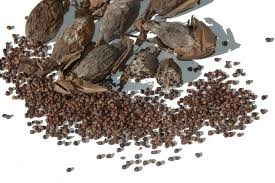
Although, the seeds of alligator pepper are sold enclosed with the pods while the grains of paradise are sold as single seeds.
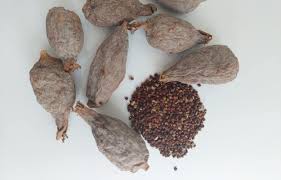
Alligator pepper is also known by many other names, hepper pepper, mbongo spice, Afrika kakulesi, melegueta pepper, ginny pepper, Guinea pepper, or atare.
The alligator pepper tree is said to grow to about a meter tall with lanceolate narrow leaves which have a comparable appearance with the bamboo leaves.
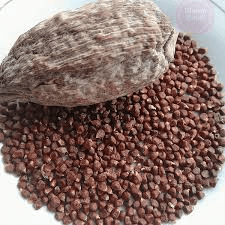
The skin of the fruit has a close similarity with the back of an alligator and this suggests the origin of its name. The fruit contains many small brownish seeds with sharp peppery, bitter, pungent, and aromatic flavor.
The fruit encloses the seeds, which are sealed with inner thin papery whitish skin.
Its strong pungent, peppery taste is a result of its aromatic ketones and high tannin content.
Aframomum melegueta commonly known as alligator pepper is a very versatile and valuable spice as a result of its nutritive value and medicinal properties.
For example, the alligator pepper seeds contain rare phytochemicals.
These phytochemicals are mainly used for treating several diseases.
You might be thinking by now if the alligator pepper is mainly used for medicinal purposes.
However, it is usually snacked upon and used for culinary purposes.
Below are very interesting facts and health benefits that you can benefit from by just adding the alligator pepper to your diet.
Read Also: Basil Plant (Ocimum Basilicum): Nutrition, Health Benefits and More
Alligator Pepper Benefits (Aframomum melegueta)

Below are the alligator pepper health benefits;
(1) Used Consumption Purposes
As mentioned earlier, the alligator pepper is usually snacked upon and used for culinary purposes. Many people use it these days.
Bringing you down to Africa, the alligator pepper, is sometimes used in traditional meetings and ceremonies such as marriages, burial ceremonies, town meetings, etc.
Alligator pepper is usually also served with kola nuts and peanut butter as part of the customary rites.
Alligator pepper, is very versatile as both the leaves and seeds can be used for preparing dishes such as pepper soup, stews, chicken, and also used in garnishing salads, etc.
This pepper also has a hot peppery and pungent flavor that augments dishes and makes them spicy.
Black pepper, Piper guineense, or black cardamom can all be used as substitutes for alligator pepper while cooking in some situations.
Although this is dependent on the taste you are desiring to achieve. The seeds are usually ground before adding to dishes as they tend to be a little bit hard.
You should also know that most beer industries make use of this pepper to add flavors and strengthen alcoholic beverages such as gin, beer, etc.
Read Also: 10 Healing Powers of Turmeric (Curcuma longa)
(2) Anti-oxidizing Properties
Aframomum melegueta (Alligator pepper) seeds are a great source of phytonutrients such as terpenoids, alkaloids, flavonoids, tannins, cardiac glycosides, saponin, and phenolic compounds.
Now, these compounds are very powerful as they all possess an anti-oxidizing property.
These anti-oxidizing possessing compounds tend to alleviate free radicals in your body thereby enhancing or strengthening your immune system to fight against diseases, viruses, microbes, platelet aggregation, tumors, ulcers, and hepatotoxins (chemical liver damage) in the body.
(3) Treatment of Gastrointestinal Disorders
The phytochemical extracts of this pepper can also be used in treating gastrointestinal disorders such as diarrhea, ulcer, stomach pain, and intestinal worms.
You should try out this pepper if you are suffering from any of the above-mentioned disorders as it may help cure or mitigate them.
(4) Wound Healing
The seeds of the alligator pepper, when crushed can be used for many things.
It can be used in preparing concoctions that can be used in treating wounds. This pepper contains high levels of tannin.
This chemical is very effective when it comes to healing and treating wounds such as treating burns and soothing inflamed mucous membrane.
Read Also: Best Methods of Properly Disposing TV Wastes (TV Scrap)
(5) Possess Antimicrobial Properties
Recent studies have revealed that the extracts of the alligator pepper seeds possess antimicrobial properties due to their constituents of phenolic compounds.
(6) Aphrodisiac Properties
Studies have proven alligator pepper to be an excellent choice for simulating sexual desires due to its aphrodisiac nature.
(7) Anti-inflammatory Properties
The extracts of this pepper also possess anti-inflammatory properties.
This is possible due to the presence of gingerol that inhibits the leukotriene and prostaglandins synthesis.
It also protects the body against inflammation.
Read Also: Amazing Health Benefits of Millet you need to know about
(8) Analgesic Properties
Another extract known as aqueous of the plant is analgesic in nature and as such can be used for relieving and stopping pains such as joint pain, toothache, stomach pain, arthritic pain, and rheumatoid pain.
(9) Dermatological Care
It can also be used in preparing an herbal remedy for treating infectious skin diseases such as measles, chickenpox, and smallpox.
(10) Stimulating Properties
Due to its stimulating properties and peppery pungent taste, the alligator pepper is normally chewed as a stimulant to keep the body alert.
(11) Malaria Treatment
Lastly, the leaves of the alligator pepper are used for preparing herbal medicines for preventing and treating malaria.
Scientific Evidence and Case Studies on Alligator Pepper (Aframomum melegueta) – Facts, Health Benefits and Uses
1. Antioxidant activity: Extracts rich in flavonoids, tannins, saponins, and phenolics show strong free radical scavenging, reducing oxidative stress and protecting against cellular damage in vitro.
2. Antimicrobial effects: Phenolic compounds and essential oils demonstrate broad-spectrum activity against bacteria (e.g., Staphylococcus, Escherichia coli) and fungi, supporting its traditional use as a disinfectant.
3. Anti-inflammatory action: Gingerol and related compounds inhibit prostaglandin and leukotriene synthesis, reducing inflammation markers in experimental models similar to ginger.
4. Gastrointestinal protection: Phytochemicals exhibit anti-ulcer, anti-diarrheal, and anthelmintic properties, protecting gastric mucosa and reducing worm burden in animal studies.
5. Wound healing and analgesic potential: High tannin content promotes tissue repair and contraction; aqueous extracts show pain-relieving effects comparable to standard analgesics in pain models.
Summary of Alligator Pepper (Aframomum melegueta) – Facts, Health Benefits and Uses
| Aspect | Summary |
|---|---|
| Botanical Name & Family | Aframomum melegueta; Zingiberaceae (ginger family) |
| Origin & Habitat | Native to West Africa (Nigeria, Ghana, Cameroon, etc.); thrives in swampy lowland areas |
| Plant Description | Herbaceous perennial ~1 m tall; lanceolate leaves; pod-like fruits with alligator-skin texture containing small, pungent brown seeds |
| Common Names | Alligator pepper, melegueta pepper, Guinea pepper, atare, hepper pepper, mbongo spice, ginny pepper |
| Culinary Uses | Spice for soups, stews, pepper soup, salads; flavoring for beer/gin; chewed as stimulant; used in ceremonies with kola nuts |
| Key Phytochemicals | Gingerol, paradols, flavonoids, tannins, alkaloids, saponins, phenolics, terpenoids |
| Primary Health Benefits | Antioxidant, antimicrobial, anti-inflammatory, analgesic, wound healing, aphrodisiac, anti-ulcer, anti-diarrheal, malaria support |
| Traditional Applications | Digestive disorders, pain relief, skin infections, sexual enhancement, ceremonial/spiritual rites |
| Modern Relevance | Valuable spice and herbal remedy; potential in food, beverage, and pharmaceutical industries due to bioactive compounds |
| Additional Notes | Seeds sold in pods; substitutes include black pepper or grains of paradise; pungent, aromatic, peppery-bitter taste |
Frequently Asked Questions
1. What is alligator pepper and where does it come from?
Alligator pepper (Aframomum melegueta) is a herbaceous perennial plant native to West Africa, belonging to the ginger family (Zingiberaceae), commonly grown in swampy areas of countries like Nigeria, Ghana, and Cameroon.
2. Why is it called alligator pepper?
The name comes from the rough, scaly appearance of its fruit pods, which resemble the skin of an alligator; the seeds inside are small, brown, and intensely peppery.
3. How is alligator pepper used in cooking?
The seeds are ground and added to soups (especially pepper soup), stews, chicken dishes, salads, and marinades for a hot, pungent, aromatic flavor; it is also used to flavor alcoholic beverages like beer and gin.
4. What are the main health benefits of alligator pepper?
It offers strong antioxidant protection, antimicrobial action, anti-inflammatory effects, pain relief, wound healing, digestive support (anti-ulcer, anti-diarrheal), aphrodisiac properties, and traditional use against malaria.
5. Does alligator pepper have antioxidant properties?
Yes, its seeds are rich in flavonoids, tannins, phenolics, and other phytonutrients that scavenge free radicals, reduce oxidative stress, and support immunity against diseases and toxins.
6. Can alligator pepper help with stomach problems?
Yes, its phytochemical extracts are traditionally and experimentally used to treat diarrhea, stomach ulcers, abdominal pain, and intestinal worms due to protective and antimicrobial effects on the gut.
7. Is alligator pepper good for wounds or skin issues?
Crushed seeds or extracts, high in tannins, promote wound healing, soothe inflammation, and are used traditionally for infectious skin conditions like measles, chickenpox, and smallpox.
8. Does it have pain-relieving or anti-inflammatory effects?
Yes, aqueous extracts show analgesic properties for various pains (toothache, joint, arthritis); gingerol contributes to anti-inflammatory action by inhibiting key inflammatory pathways.
9. Is alligator pepper considered an aphrodisiac?
Traditional use and some studies suggest it stimulates sexual desire and performance, supporting its reputation as a natural aphrodisiac in West African cultures.
10. How is alligator pepper used traditionally in ceremonies?
In many West African cultures, especially among Yoruba and other groups, it is presented with kola nuts during weddings, burials, meetings, and rites as a symbol of hospitality, blessing, and spiritual significance.
Do you have any questions, suggestions, or contributions? If so, please feel free to use the comment box below to share your thoughts. We also encourage you to kindly share this information with others who might benefit from it. Since we can’t reach everyone at once, we truly appreciate your help in spreading the word. Thank you very much for your support and for sharing!
Disclaimer: This article is for educational and informational purposes only. The health benefits described are based on scientific research and traditional knowledge. They ayre not a substitute for professional medical advice, diagnosis, or treatment. Always consult a healthcare professional before using any herb or natural remedy for medical purposes.
Read Also: Guide on How to Produce an Antiseptic for Business