


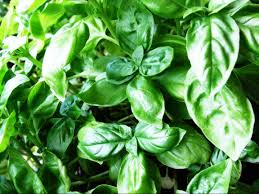
Basil plant (Ocimum basilicum) is another powerful medicinal plant, scientifically known as Ocimum basilicum. This herb is said to be native to India, Africa, and Asia. However, basil to most people is a sacred noble herb. This versatile herb got its name from the ancient Greek word “Basilikom”, which translates to “royal”.
Nevertheless, basil can be used as a seasoning in a variety of dishes, it is very popular because it grows in many places around the world. You can even grow it on your lawn or yard. This herb is a major in Italian and Thai cuisine often referred to as a thai basil plant. You should also know that Ocimum basilicum, is a bright green plant with more than 60 powerful medicinal varieties.
One of the varieties of basil is the “Sweet Basil”, which is the most popular and widely used variety. All the leaves of the basil are rounded and oftentimes pointed, although some varieties of basil tend to have purple or red hints on their leaves.
One reason why basil is used in dishes today is not only because of its medicinal nature but also it has a very nice and strong smell coupled with a recognizable flavor.
However, different varieties of Ocimum basilicum (basil), offer different tastes and flavors. Let’s take for example the “Lemon Basil”, this variety of basil has a tangy lemon taste and so on.
As mentioned earlier, basil has a strong nice smell. It also makes a colorful addition to many different dishes. So many people these days like basil for so many reasons. Although, in this article, we’ll be pointing out some health benefits of basil that may be of interest to you.
🌿 Go Organic on Your Farm: Instead of harmful chemical pesticides and fertilisers, try our organic farming products — including neem oil spray, bio-pesticides, natural plant treatments, organic seeds and seedlings, suckers, and many more organic products that are safe for your health, your family, your soil and your harvest. Shop Now →
Read Also: Basil (Ocimum Basilicum) – Importance and Health Benefits
Health Benefits of Basil Plant (Ocimum Basilicum)
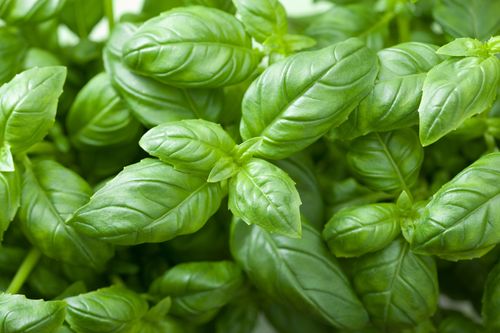
Ocimum basilicum, also known as basil is a medicinal herb, packed with lots of essential vitamins and minerals as well as notable antioxidants such as beta-carotene and lutein and a host of others, combined makes basil a very powerful and healthy herb.
Without the presence of some of these notable antioxidants, minerals, and vitamins Ocimum basilicum (basil), will be of no use today. Below are interesting health benefits of basil that you may not know;
1. Best in Reducing Oxidative Stress
Basil contains antioxidants and compounds that are capable and responsible for reducing oxidative stress. It contains a compound called Eugenol. These compounds in basil, together with other notable antioxidants such as beta-carotene and lutein, are what empower basil to be able to fight free radicals in the body when eaten. Some of these free radicals in the body can be very dangerous. But basil can help to fight against them, including diseases like cancer, arthritis, and diabetes.
🔧 Free Farm Tool Available: Use our free Agric4Profits Farm Tools to calculate your farm profits, formulate feeds, identify pests and diseases on both your crops and animal farms, plan your planting and harvesting season, including many more farm tasks to get free expert advice and recommendations — completely free, no registration required. Access Free Tools →
2. Cancer Prevention
Another variety of basil is known as holy basil plant, also called Tulsi. Is another basil, it has a very unique taste compared to sweet basil. This variety contains phytochemicals that can help to protect your body against different types of diseases like liver cancer, oral cancer, and skin cancer.
Read Also: Reasons why Bupleurum is good for your Health
3. Blood Sugar Regulation
Basil has antioxidants and properties that may help reduce high blood sugar levels. In recent studies carried out on rats, it was discovered that basil extract helped to reduce high blood sugar levels in rats. Basil may also be helpful in the treatment of perpetual-like effects of high blood pressure.
4. Heart Disease Prevention
The compound, Eugenol contained in basil, has the capability of blocking incoming channels of calcium, which may help to lower blood pressure. Some essential oils in basil can also help lower your cholesterol and triglycerides. Ocimum basilicum also contains a mineral known as potassium, this helps to improve blood flows by allowing muscles and blood vessels to be relaxed.
5. Improved Mental Health
Tulsi is another popular variety of basil herb. It is a very popular herb in medicine. Recent research has shown many benefits, including improving your mental health. It has compounds that can help to alleviate anxiety and depression, increase your ability to think clearly and lower the risk for age-related memory loss.
💬 Have a Farming Question? Join thousands of farmers across Africa on the Agric4Profits Community — ask questions, share experiences and connect with agricultural experts. It is completely free. Ask Your Question Now →
6. Reduced Inflammation
Basil contains essential oils as we all know by now. These oils including eugenol and citronellol can help to fight against deadly inflammation in your body. Now, these inflammatory properties contained in basil can also help to lower the risks of some diseases like arthritis, heart diseases, and bowel issues.
7. Protection Against Infections
Ocimum basilicum possesses antibacterial properties. The oils in the herb may help to fight bacteria in people with abdominal, urinary, and skin infections.
Nutrients Per Serving (Ocimum Basilicum)

Below are the nutrients contained in 2 tablespoons of fresh chopped basil:
- Calories – 1
- Protein – 0.2 grams
- Fat – 0 grams
- Carbohydrates – 0.1 grams
- Fiber – 0.1 grams
- Sugar – 0 grams
Basil also has many other vital nutrients in it, these nutrients include: Calcium, Vitamin A, Vitamin K, Manganese, Magnesium, Iron, Zinc, Potassium.
How to Prepare Basil (Ocimum Basilicum)
You can find and purchase fresh basil in the produce section at most grocery stores.
Read Also: Amazing Health Benefits of Millet you need to know about
If you need dried basil, you’ll likely find it with other dried herbs and spices. When buying fresh basil, look for vibrant, deep green leaves.
Store it in the refrigerator wrapped in a slightly damp cloth or paper towel. There are many ways to enjoy basil. If you’re looking to incorporate into your diet, consider some of the following:

- Layer basil with fresh mozzarella cheese and tomato slices, add some fresh cracked black pepper and drizzle with olive oil;
- Use it to finish a freshly cooked pizza or pasta dish (whole or chopped);
- Blend it into homemade soups or sauces;
- Add it to homemade pesto or hummus;
- Place it with vegetables in a lasagna;
- Mix it into a salad, such as a grilled corn salad or watermelon salad;
- Garnish vanilla ice cream with a couple of small basil leaves.
Keep in mind that when you’re cooking with basil, it’s best to add the leaves toward the end of the process. The oils are volatile, so adding the herb at the end allows it to keep more of its delicious flavor.
📖 Want to Go Deeper on This Topic?
Our expert agricultural ebooks cover poultry, fish farming, different crops production, snail farming, organic farming, mushrooms, sheep, cattle, flowers, pig farming, goat farming, agribusiness, etc. in practical step-by-step detail — written by agricultural professionals for African farmers.
Browse All Farming Ebooks →Scientific Evidence and Case Studies on Basil (Ocimum basilicum)
1. Antioxidant and Anti-Oxidative Stress Effects: Basil is rich in eugenol, beta-carotene, lutein, and other polyphenols that scavenge free radicals, reducing oxidative stress and protecting cells from damage linked to chronic diseases.
2. Anti-Cancer Potential: Holy basil (Tulsi/Ocimum sanctum, closely related) contains phytochemicals such as ursolic acid and eugenol that inhibit tumor growth, induce apoptosis, and protect against liver, oral, and skin cancers in animal and in vitro studies.
3. Blood Sugar Regulation: Animal studies show basil extracts (especially holy basil) lower fasting blood glucose, improve insulin sensitivity, and reduce complications of hyperglycemia, supporting its role in diabetes management.
4. Cardiovascular Benefits: Eugenol in basil inhibits calcium channels to lower blood pressure; essential oils reduce cholesterol and triglycerides, while potassium supports vascular relaxation and improved blood flow in experimental models.
5. Anti-Inflammatory and Antimicrobial Activity: Essential oils (eugenol, citronellol, linalool) exhibit strong anti-inflammatory effects by inhibiting pro-inflammatory cytokines and show antibacterial activity against pathogens causing abdominal, urinary, and skin infections.
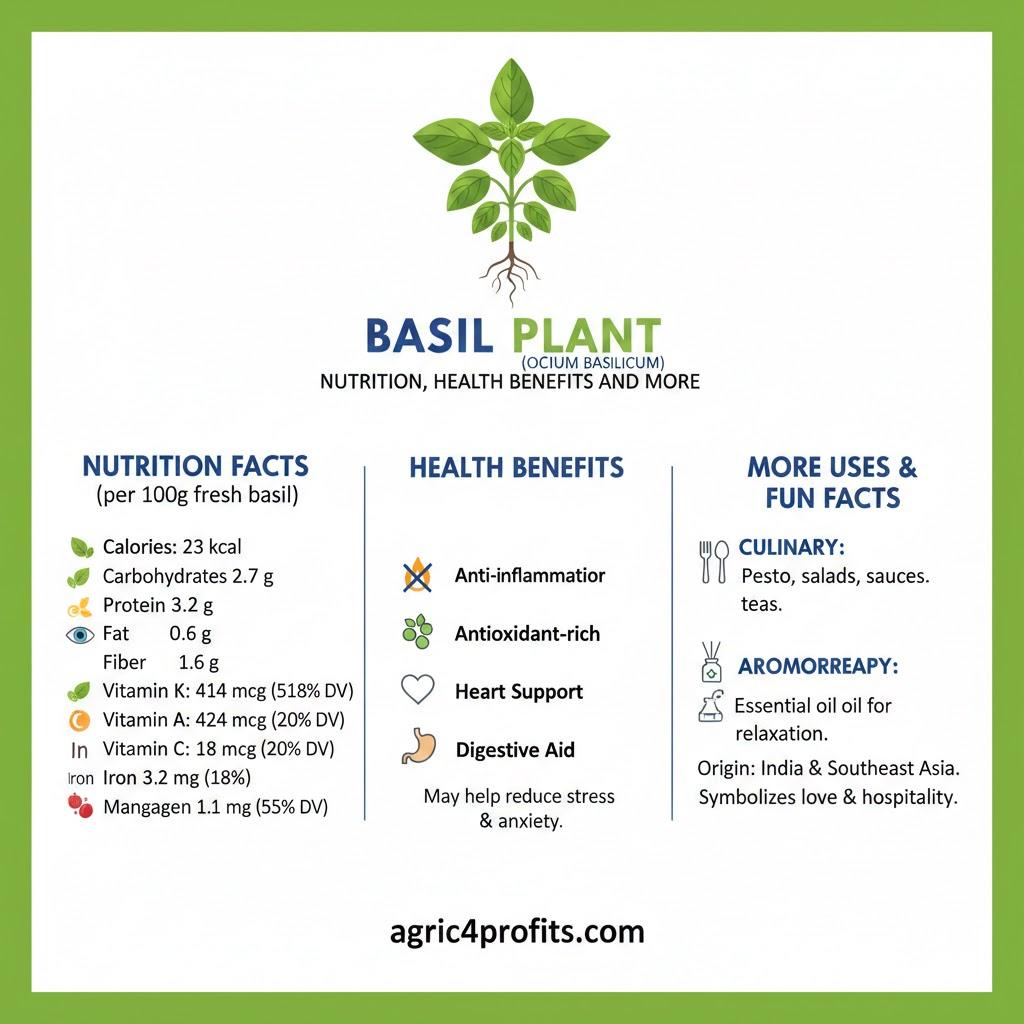
Summary of Basil (Ocimum basilicum)
| Aspect | Description |
|---|---|
| What is Basil | An aromatic herb (Ocimum basilicum) native to India, Africa, and Asia; sacred in many cultures; over 60 varieties including sweet basil (most common), holy basil (Tulsi), lemon basil, and Thai basil. |
| Key Nutrients | Low-calorie (1 kcal per 2 tbsp fresh); provides vitamin A, vitamin K, manganese, magnesium, iron, calcium, zinc, potassium; antioxidants like eugenol, beta-carotene, lutein, and other polyphenols. |
| Main Health Benefits | Reduces oxidative stress and fights free radicals; potential cancer prevention (especially holy basil); regulates blood sugar; prevents heart disease by lowering BP/cholesterol; improves mental health (anxiety/depression relief); reduces inflammation; protects against bacterial infections. |
| Culinary Uses | Fresh leaves added at end of cooking for flavor in Italian/Thai dishes, pesto, salads, soups, sauces, pizza/pasta, caprese, garnishes; dried form as seasoning. |
| Preparation & Storage | Buy vibrant green fresh leaves; store refrigerated in damp cloth/paper towel; add late in cooking to preserve volatile oils and aroma. |
Frequently Asked Questions
1. What is basil (Ocimum basilicum) and where does it come from?
Basil is an aromatic medicinal herb native to India, Africa, and Asia, known as a "royal" plant (from Greek "Basilikom"); it has over 60 varieties and is widely grown globally for culinary and health uses.
2. What are the most common varieties of basil?
Sweet basil is the most popular and widely used; other notable varieties include holy basil (Tulsi), lemon basil (tangy citrus flavor), and Thai basil, each offering unique tastes and medicinal properties.
3. How does basil help reduce oxidative stress?
Basil is packed with antioxidants like eugenol, beta-carotene, and lutein that neutralize free radicals, protecting cells and reducing risks of diseases such as cancer, arthritis, and diabetes.
4. Can basil help prevent cancer?
Holy basil (Tulsi) contains phytochemicals that show protective effects against liver, oral, and skin cancers in studies; sweet basil also contributes through its strong antioxidant activity.
5. Does basil support blood sugar control?
Yes, basil extracts have been shown in animal studies to lower high blood sugar levels and improve insulin function, making it potentially helpful for diabetes management.
6. How does basil benefit heart health?
Eugenol blocks calcium channels to lower blood pressure; essential oils reduce cholesterol and triglycerides; potassium relaxes blood vessels and improves circulation.
7. Can basil improve mental health?
Holy basil (Tulsi) has compounds that help reduce anxiety and depression, enhance clarity of thought, and protect against age-related memory decline, as supported by recent research.
8. What anti-inflammatory effects does basil have?
Essential oils like eugenol and citronellol fight inflammation, helping lower risks of arthritis, heart disease, and bowel issues by modulating inflammatory responses.
9. Is basil effective against infections?
Basil has antibacterial properties in its essential oils, which may help combat bacteria causing abdominal, urinary, and skin infections.
10. How should fresh basil be stored and used in cooking?
Store fresh basil in the refrigerator wrapped in a damp cloth or paper towel; add leaves toward the end of cooking to preserve flavor and volatile oils; use in pesto, salads, pasta, pizza, soups, or as garnish.
Do you have any questions, suggestions, or contributions? If so, please feel free to use the comment box below to share your thoughts. We also encourage you to kindly share this information with others who might benefit from it. Since we can’t reach everyone at once, we truly appreciate your help in spreading the word. Thank you very much for your support and for sharing!
Disclaimer: This article is for educational and informational purposes only. The health benefits described are based on scientific research and traditional knowledge. They ayre not a substitute for professional medical advice, diagnosis, or treatment. Always consult a healthcare professional before using any herb or natural remedy for medical purposes.
Read Also: TV Recycling Process Complete Guide
🌱 Take Your Farming Further With Agric4Profits
Based on what you just read, here are free resources and products from Agric4Profits that can help your farm right now:
- 🛒 Visit Our Marketplace — Organic neem oil, bio-pesticides, seeds and farming products
- 📚 Read Premium Content — Advanced guides for serious and profitable farming
- 🎓 Join Our Free Academy — Structured free training for farmers across Africa
- 🔧 Use Our Free Farm Tools — Profit calculators, feed formulation, pest identifier and more
- 💬 Join Our Farming Community — Connect with farmers across all 54 African countries
- ❓ Ask a Farming Question — Get answers from experienced farmers and agricultural experts
Please cite this content in academic work, research, or publications.