


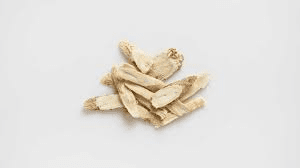
Astragalus root has been used in Traditional Chinese Medicine for thousands of years. It is an adaptogenic herb that helps the body fight off stress and disease.
It boosts the health and function of the immune, cardiovascular, and respiratory systems, helps heal wounds, prevents diabetes, slows tumor growth, and alleviates chemotherapy symptoms.
The antioxidants in astragalus root combat disease and aging caused by free radical damage. Astragalus is available in forms such as tinctures, capsules, or topical ointments.
Among its diversified clinical applications, astragalus and its chemical constituents are actively investigated for treating inflammatory diseases and cancers. Astragalus-based treatments have shown significant reduction in toxicity from concurrently administered orthodox drugs (e.g., immunosuppressants and chemotherapeutics).
Astragalus is a plant in the legume family, also known as milk vetch or huang qi. It has deep roots in traditional Chinese medicine and is recognized for helping the body resist stress and diseases.
Considered a miracle herb, its powerful root extract has served as medicine for thousands of years and is used as a natural dietary supplement.
The most popular benefit of astragalus is boosting the immune system and energy levels. It supports various conditions, including the common cold, diabetes, upper respiratory issues, arthritis, asthma, and blood pressure regulation.
Astragalus is gaining popularity in the West as an adaptogen—it adapts its function based on the body’s specific needs, helping address a wide range of problems.
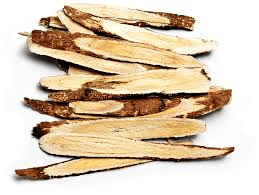
The major components of Astragalus membranaceus are polysaccharides, flavonoids, and saponins. Modern use focuses on its immunomodulating, antioxidant, anti-inflammatory, and anticancer effects. Experimental and clinical studies support these properties.
Read Also: 10 Amazing Health Benefits of taking Guava fruit during Pregnancy
Astragalus saponins extract (AST) shows antitumorigenic mechanisms against gastrointestinal cancers by influencing the immune system, modulating cancer signaling pathways, and interacting with transcription molecules to protect against gut inflammation and cancers.
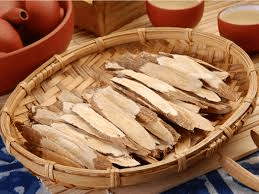
This research aids in developing targeted, effective therapeutic agents with fewer systemic side effects for inflammatory diseases and gut cancers.
6 Health Benefits of Astragalus
1. Heart Health: Astragalus may support heart health with its rich antioxidants and potential to lower cholesterol levels.

2. Relief from Seasonal Allergy: Astragalus root extract provides relief from seasonal allergy symptoms. While not a cure for asthma or allergies, it supports overall treatment.

Read Also: 18 Health Benefits of Ginger and Garlic Tea to Lose Weight and others
3. Reduces Stress: Astragalus helps curb stress levels, promotes peace and calm, and benefits those with mood swings or nervous tension.

4. Reduces Sleep Issues: Regular consumption improves metabolism, hormonal balance, and overall health to promote peaceful, uninterrupted sleep.

5. Anti-ageing Properties: Astragalus reduces signs of aging, supports tissue growth, prevents chronic illness symptoms, and helps with wrinkles and age spots.

Read Also: 30 Proven Health Benefits of Okra (Lady Finger)
6. Boosts the Immune System:
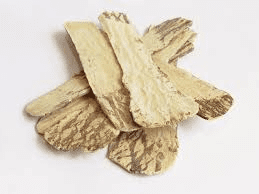
Astragalus has boosted immunity for thousands of years. It strengthens the immune system against attacks, provides natural antibiotic properties, increases viral resistance, and protects cells with antioxidants.

Ongoing studies continue to explore astragalus benefits, but its long history in Chinese medicine confirms its value.
The best ways to consume astragalus include adding it to soups or drinking it as tea.
Scientific Evidence and Case Studies on Health Benefits and Importance of Astragalus Root
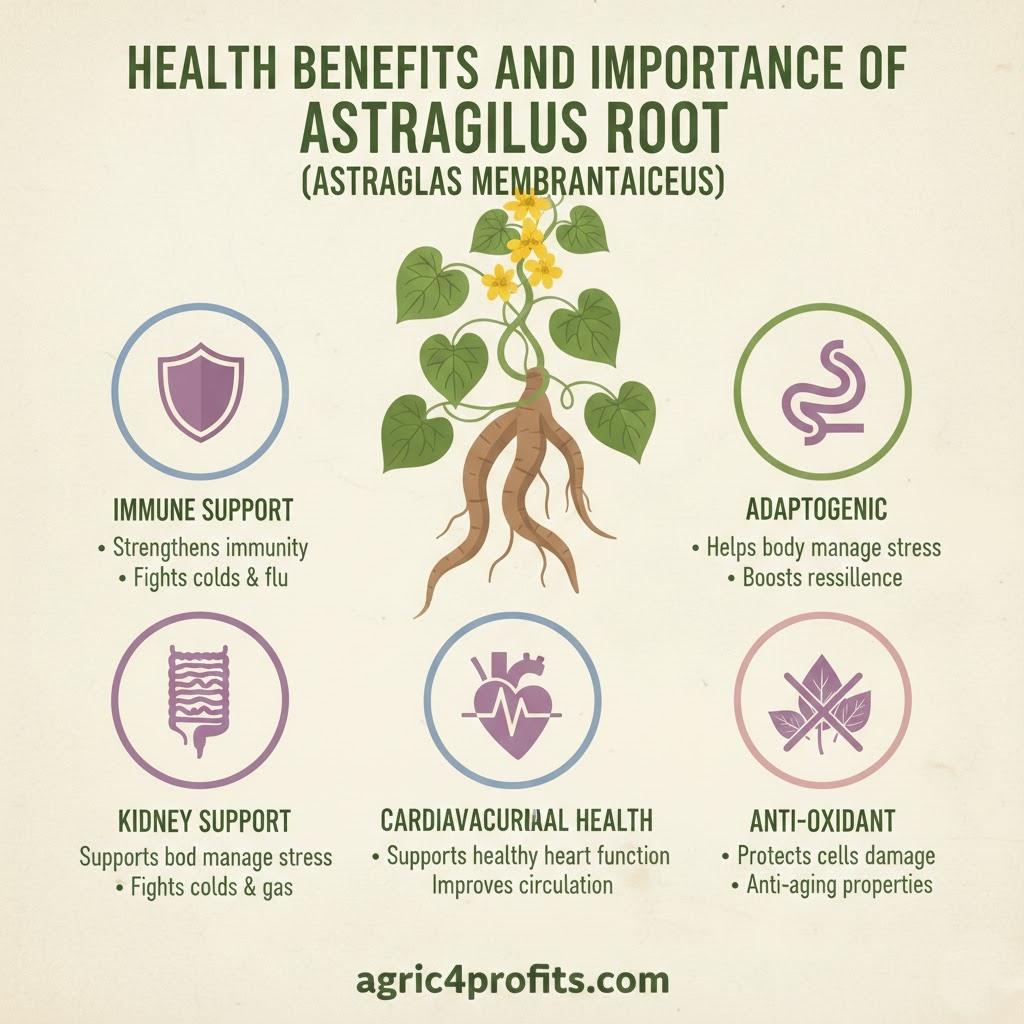
1. Immunomodulatory effects: Polysaccharides from astragalus enhance immune function by stimulating macrophage activity, increasing cytokine production, and improving T-cell responses in clinical and animal studies.
2. Cardioprotective properties: Astragalus improves cardiac function, reduces myocardial injury, lowers cholesterol, and enhances antioxidant defenses in models of heart disease and hypertension.
3. Anti-inflammatory and anti-allergy benefits: Flavonoids and saponins reduce inflammation markers and alleviate allergic responses, including seasonal allergy symptoms, in experimental and human trials.
4. Anti-aging and telomerase activation: Astragaloside IV activates telomerase, protects against cellular senescence, and reduces oxidative stress, supporting anti-aging effects in lab and animal models.
5. Anticancer and chemoprotective actions: Astragalus saponins inhibit tumor growth, modulate cancer pathways, reduce chemotherapy toxicity, and enhance immune surveillance in gastrointestinal cancer studies.
Nutritional Value Of Health Benefits and Importance of Astragalus Root
1. Polysaccharides: Act as key immunomodulators, support gut health, enhance immune cell activity, and provide antioxidant protection.
2. Flavonoids (e.g., quercetin, kaempferol): Offer strong anti-inflammatory, antioxidant, and anti-allergy effects while protecting cells from oxidative damage.
3. Saponins (e.g., astragalosides): Provide adaptogenic benefits, support cardiovascular health, exhibit anticancer potential, and reduce stress-related damage.
4. Amino acids and trace elements: Contribute to overall energy metabolism, tissue repair, and hormonal balance for better sleep and stress management.
5. Antioxidants (polyphenols and others): Combat free radicals, slow aging, protect against chronic diseases, and support immune and heart function.
6. Low-calorie bioactive compounds: Deliver therapeutic effects without significant caloric load, ideal for long-term use as a supplement.
7. Adaptogenic properties: Enable the herb to regulate physiological processes based on body needs, aiding stress resilience and systemic balance.
Summary of Health Benefits and Importance of Astragalus Root
| Aspect | Key Points |
|---|---|
| Introduction | Adaptogenic herb from TCM (huang qi/milk vetch); boosts immunity, fights stress/disease; rich in polysaccharides, flavonoids, saponins. |
| Main Components | Polysaccharides (immune), flavonoids (anti-inflammatory), saponins (anticancer/adaptogenic); focus on immunomodulation, antioxidant, anti-inflammatory effects. |
| Health Benefits | 1. Heart health (antioxidants, cholesterol) 2. Seasonal allergy relief 3. Stress reduction 4. Improved sleep 5. Anti-aging (wrinkles, tissue growth) 6. Immune boost (antiviral, antioxidant). |
| Additional Uses | Wound healing, diabetes prevention, chemotherapy support, cancer modulation, inflammation reduction. |
| Consumption | Teas, soups, tinctures, capsules; consult professionals for therapeutic use. |
| Research Status | Strong traditional use; growing clinical evidence for immunity, heart, anti-aging, and cancer support. |
Frequently Asked Questions
1. What is astragalus root?
Astragalus (Astragalus membranaceus), also called huang qi or milk vetch, is an adaptogenic herb from Traditional Chinese Medicine used for thousands of years to combat stress, boost immunity, and support overall health.
2. How does astragalus boost the immune system?
It strengthens immune responses with polysaccharides that stimulate immune cells, increases resistance to viruses, and provides antioxidants to protect against free radical damage.
3. Can astragalus help with heart health?
Yes, its antioxidants may lower cholesterol, improve cardiac function, reduce inflammation, and support cardiovascular health according to various studies.
4. Does astragalus reduce stress and improve sleep?
As an adaptogen, it helps regulate stress responses, promotes calm, balances hormones, and improves metabolism for better, more restful sleep.
5. What anti-aging benefits does astragalus offer?
It reduces signs of aging like wrinkles and age spots, protects cells from oxidative damage, activates telomerase, and supports tissue growth and repair.
6. Is astragalus helpful for allergies?
Astragalus root extract relieves seasonal allergy symptoms through anti-inflammatory and immunomodulatory effects, though it is not a standalone cure.
7. Can astragalus support cancer treatment?
Research shows astragalus saponins inhibit tumor growth, modulate cancer pathways, reduce chemotherapy side effects, and enhance immune function in certain cancers.
8. What are the main active compounds in astragalus?
Key components include polysaccharides (immune support), flavonoids (anti-inflammatory/antioxidant), and saponins like astragalosides (adaptogenic and anticancer).
9. How should astragalus be consumed?
Common methods include brewing it as tea, adding to soups, or taking as capsules/tinctures; start with recommended doses and consult a healthcare provider.
10. Are there any precautions when using astragalus?
It is generally safe, but consult a doctor if pregnant, breastfeeding, on medications (e.g., immunosuppressants), or with autoimmune conditions, as it may interact or stimulate immunity excessively.
Do you have any questions, suggestions, or contributions? If so, please feel free to use the comment box below to share your thoughts. We also encourage you to kindly share this information with others who might benefit from it. Since we can’t reach everyone at once, we truly appreciate your help in spreading the word. Thank you very much for your support and for sharing!
Disclaimer: This article is for educational and informational purposes only. The health benefits described are based on scientific research and traditional knowledge. They ayre not a substitute for professional medical advice, diagnosis, or treatment. Always consult a healthcare professional before using any herb or natural remedy for medical purposes.
Read Also: Guide to Protected Areas Management