


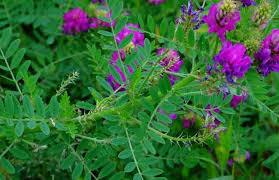
Astragalus (Astragalus Onobrychis) is a large genus with more than 3,000 species of herbs and small shrubs. It is a member of the Fabaceae family of legumes and the Faboideae subfamily.
In terms of the number of described species, it is the largest plant genus. The Northern Hemisphere’s temperate zones are home to the genus. Common names for several species include goat’s thorn, locoweed (certain species in North America), and milkvetch (most species) (A. gummier, A. tragacanth).
Similar in appearance to Astragalus or Astragalus Onobrychis are several pale-flowered vetches (Vicia spp.), although they have a more vine-like appearance.
Researchers must carry out further high-quality human trials before anyone can declare for sure whether it is safe and effective for any therapeutic use. The current state of the research should be regarded as preliminary.
The majority of the genus’ members possess pinnately complex leaves. Both yearly and perennial species exist. Each bloom in the raceme-like flower clusters is a member of the legume family and has three types of petals: banner, wings, and keel. The calyx can be bell-shaped or tubular.
Read Also: Astragalus Root: Health Benefits and Importance
10 Health Benefits of Astragalus Roots (Astragalus Onobrychis)
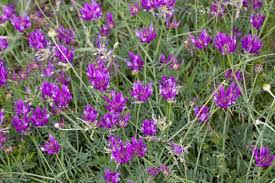
Although astragalus or Astragalus Onobrychis has been used for many years in traditional Chinese medicine to treat a variety of ailments, there is no credible medical research to support either its efficacy or safety.
1. Anti-inflammatory
The majority of diseases have an inflammatory component. It frequently causes damage, from arthritis to heart problems.
Astragalus has been shown in numerous studies to have anti-inflammatory properties due to its saponins and polysaccharides, which may help with the healing of wounds and lesions as well as reduce inflammation in diabetic kidney disease.
2. Boosts Immune System
Astragalus’s claim to fame in terms of reputation is its ability to strengthen the immune system. It has been employed in this manner for countless years.
According to a study from Beijing, it can regulate t-helper cells 1 and 2, effectively controlling the body’s immune reactions.
3. Prevents And Stops Tumor Growth
Recent studies have demonstrated the effectiveness of astragalus saponins, flavonoids, and polysaccharides in reducing or removing malignancies.
According to a study published in the Journal of Pharmacy and Pharmacology, astragalus has demonstrated potential in reversing multidrug resistance in cases of chemoresistance treating liver cancer and as an adjunct to standard chemotherapy.
Read Also: 10 Interesting Health Benefits of Arrowroot (Maranta Arundinacea L)
4. Shields The Cardiovascular System
Astragalus contains flavonoids, which act as antioxidants and shield the inner wall of the vessel, preventing plaque development in arteries and vessel wall thinning.
Additionally, a 2014 study found that adding astragalus injection to standard therapy for viral myocarditis (inflammation of the middle layer of the heart wall) improved outcomes in patients with heart conditions. The study was published in the Chinese Journal of Integrative Medicine.
According to other research, it can lower triglyceride levels and blood pressure. People who have high triglyceride levels are more likely to experience heart attacks, strokes, and arterial wall hardening, among other types of heart disease.
Loss of blood flow and oxygen during a heart attack causes cardiac muscle damage. At that point, calcium overexposure causes additional harm. By controlling calcium homeostasis in the heart, astragalus may stop further heart muscle injury.
5. Regulates And Prevent Diabetes
Progressively more research has been done on astragalus as an anti-diabetic. Studies demonstrate its capacity to naturally treat diabetes and reduce insulin resistance.
Saponins, flavonoids, and polysaccharides found in the herb work together to treat and control type 1 and type 2 diabetes.
They can protect pancreatic beta cells, which are the cells in the pancreas that create and release insulin, boost insulin sensitivity, and reduce inflammation in locations where diabetic symptoms are present.
Diabetics frequently develop kidney disease, and astragalus has been used for many years to treat renal disease. Astragalus has been found in more recent studies to protect the renal system and reduce the progression of kidney issues in diabetics in both humans and animals.
6. Heals Wound
Astragalus has a long history of using its anti-inflammatory properties to treat wounds. The dried root of astragalus, also known as radix astragali, has been utilized in Traditional Chinese Medicine to heal and regenerate damaged organs and tissues.
Wounds treated with astragaloside IV, the active component in dried astragalus root, showed recovery rates of two- to thrice over 48-96 hours in a 2012 study by the Institute of Pharmaceutics at Zhejiang University. Astragalus was found to be a promising natural remedy for wound healing and anti-scarring.
7. Treats Cold And Flu
Astragalus has long been used to treat the flu and common cold due to its antiviral properties. It frequently goes with other herbs including licorice, ginseng, and angelica.
Like many other natural cold medicines, it appears to function best when taken frequently by healthy individuals in order to stave off illness in the first place.
Before the winter months get really cold, taking astragalus regularly may help people avoid or have fewer colds and upper respiratory infections overall.
Read Also: 10 Health Benefits of Asafoetida (Ferula asafoetida)
8. Alleviates Symptoms Of Chemotherapy
Astragalus has been demonstrated to hasten the healing process and lengthen the lives of chemotherapy patients.
Astragalus has been administered intravenously along with other Chinese herbal mixes in situations of severe chemotherapy side effects like nausea, vomiting, diarrhea, and bone marrow suppression.
Early studies point to its potential to lessen these symptoms and improve the effectiveness of chemotherapy therapies.
9. Anti-aging And Antioxidant
The main cause of disease and aging is oxidation caused to free radical damage, and astragalus contains several components that minimize oxidative stress and fight free radical damage.
The polysaccharides in the herb have advantageous effects on the immune system and enhance cognitive function, both of which potentially increase lifespan.
10. For Chronic Asthmatic Patients
Astragalus has been proven to be an effective natural asthma cure and adjunctive therapy for the treatment of persistent asthma.
In trials, the production of mucus and inflammation was reduced after treatment and the degree of airway hypersensitivity was significantly reduced. Chronic asthma troubles may be resolved by preventing or minimizing asthma attacks in patients.
Read Also: 18 Shocking Health Benefits of Fluted pumpkin (Telfairia occidentalis) “Ugu Leaves”
Nutritional value of Astragalus Roots (Astragalus Onobrychis)
1. Protein: Astragalus onobrychis roots contain approximately 25.5% crude protein in dry matter, which supports muscle repair, enzyme production, and overall growth in the body.
2. Carbohydrates: With about 41.1% nitrogen-free extractives representing carbohydrates, these provide a primary energy source, aiding in metabolic functions and sustaining daily activities.
3. Fiber: The roots have around 20.6% crude cellulose, a form of dietary fiber that promotes digestive health, helps regulate blood sugar levels, and supports gut microbiome balance.
4. Fats: Containing roughly 2.3% crude fats, these essential lipids contribute to cell membrane structure, hormone production, and absorption of fat-soluble vitamins.
5. Minerals: The mineral content, or ash, is about 7.8%, supplying vital inorganic elements that maintain electrolyte balance, bone health, and nerve function.
6. Calcium: At approximately 1.1%, calcium in the roots strengthens bones and teeth, facilitates muscle contractions, and plays a role in blood clotting.
7. Phosphorus: With around 0.3% phosphorus, this mineral works alongside calcium to build strong bones, supports energy metabolism, and is crucial for DNA and RNA synthesis.
8. Flavonoids: Rich in flavonoids like kaempferol-3-glucoside and rutin, these compounds offer antioxidant protection, reduce inflammation, and may enhance cardiovascular health.
9. Phenolic Compounds: Including syringic acid and coumarin, phenolics provide potent antioxidant effects, helping to combat oxidative stress and potentially lowering the risk of chronic diseases.
10. Saponins: Triterpene saponins are present, which can support immune function, exhibit antimicrobial properties, and aid in cholesterol management.
Scientific Evidence and Case Studies on Astragalus Roots (Astragalus Onobrychis)
1. Hosaflioglu (2025): This study examined the phytochemicals in Astragalus onobrychis and found strong antioxidant activity in flowers, leaves, and stems, with flowers showing the lowest IC50 values in DPPH, ABTS, and hydroxyl radical assays, proving benefits in reducing oxidative stress linked to cancer and cardiovascular diseases; it also demonstrated antibacterial effects against Bacillus subtilis and Escherichia coli. (Hosaflioglu, I. (2025). Phytochemical analysis and biological activity of Astragalus onobrychis: Quantitative analysis of phenolic compounds, antioxidants, and antibacterial activities. Food Science & Nutrition, 13(2), Article e70025.)
2. Başar et al. (2025): Researchers analyzed the methanol extract and identified kaempferol-3-glucoside as a major compound with high antioxidant capacity via DPPH scavenging; in silico docking and PASS analysis indicated potential anticarcinogenic, anti-inflammatory, and antiviral benefits. (Başar, Y., Yıldız, I., Hosaflioglu, I., Erenler, R., & Alma, M. H. (2025). Phytochemical study of Astragalus onobrychis: Bioactive compounds, antioxidant activity, in silico molecular docking, PASS and DFT study. Brazilian Archives of Biology and Technology, 68, Article e25240574.)
3. Ghasemian Yadegari et al. (2025): The chloroform extract showed significant antiparasitic effects against Echinococcus granulosus hydatid cysts, reducing cyst number, size, and weight in mice while inducing apoptosis and DNA damage in protoscoleces; it also improved liver function by lowering ALT, AST, and bilirubin levels. (Ghasemian Yadegari, J., Khalaf, A. K., Oladi, A., Shahbazi, A., & Mahmoudvand, H. (2025). In vitro, in vivo, and cellular mechanisms of Astragalus onobrychis L. extract against protoscoleces and hydatid cysts of Echinococcus granulosus. Frontiers in Pharmacology, 16, Article 1531114.)
4. Miladinović et al. (2013): This research on leaf extracts revealed seasonal variations in antioxidant enzymes like superoxide dismutase and catalase, with peak activities protecting against environmental stress; the extract inhibited chemiluminescence in phagocytes, confirming antioxidative benefits. (Miladinović, D. L., Ilić, B. S., Najman, S. J., et al. (2013). Antioxidative responses to seasonal changes and chemiluminescence assay of Astragalus onobrychis leaves extract. Central European Journal of Chemistry, 11(1), 123–132.)
Frequently Asked Questions About Astragalus Roots (Astragalus Onobrychis)
1. What is Astragalus onobrychis? It is a plant species in the Astragalus genus, known for its roots used in traditional remedies, containing bioactive compounds like flavonoids and saponins.
2. What are the main health benefits of Astragalus onobrychis roots? They offer antioxidant, antibacterial, and antiparasitic effects, potentially aiding in reducing oxidative stress, fighting infections, and supporting liver health.
3. How can Astragalus onobrychis roots be used? Typically as extracts or teas, but consult a professional for dosage, as they are often incorporated into supplements for immune or anti-inflammatory support.
4. Are there any side effects associated with Astragalus onobrychis? Generally safe, but high doses may cause digestive upset; those with autoimmune conditions should avoid it due to immune-stimulating properties.
5. Can Astragalus onobrychis help with infections? Studies show antibacterial activity against certain bacteria and antiparasitic effects against hydatid cysts, suggesting potential in infection management.
6. Is Astragalus onobrychis suitable for everyone? Not recommended for pregnant or breastfeeding individuals, or those on immunosuppressive drugs, as it may interact with medications.
7. What nutrients are in Astragalus onobrychis roots? They include proteins, carbohydrates, fiber, minerals like calcium and phosphorus, plus phytochemicals such as phenolics and flavonoids.
8. Does Astragalus onobrychis have antioxidant properties? Yes, research indicates strong antioxidant effects from compounds like kaempferol-3-glucoside, helping combat free radicals.
9. How does Astragalus onobrychis support liver health? It has shown hepatoprotective effects in studies by improving liver enzyme levels during parasitic infections.
10. Where is Astragalus onobrychis commonly found? Native to regions like Europe and Asia, it grows in dry grasslands and is sometimes cultivated for forage or medicinal purposes.
Do you have any questions, suggestions, or contributions? If so, please feel free to use the comment box below to share your thoughts. We also encourage you to kindly share this information with others who might benefit from it. Since we can’t reach everyone at once, we truly appreciate your help in spreading the word. Thank you very much for your support and for sharing!
Disclaimer: This article is for educational and informational purposes only. The health benefits described are based on scientific research and traditional knowledge. They are not a substitute for professional medical advice, diagnosis, or treatment. Always consult a healthcare professional before using any herb or natural remedy for medical purposes.