


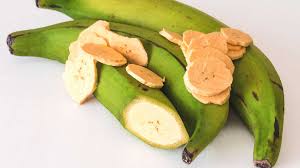
Unripe plantain, or Musa paradisiaca, is a staple in tropical diets, valued for its starchy texture and low sugar content. Unlike ripe plantains, its green, firm flesh makes it ideal for culinary and medicinal uses across Africa and beyond.
This plant, often mistaken for a tree, belongs to the Musaceae family. In Nigeria, it’s known as “Ogede nla” in Yoruba or “Ayaba” in Hausa. Its evergreen leaves and soft trunk contribute to its versatility in food and herbal remedies.
Unripe plantain’s nutritional profile supports health-focused diets. Rich in fiber, vitamins, and minerals, it’s a go-to for managing conditions like diabetes or digestive issues, deeply rooted in traditional medicine practices.
Its culinary flexibility shines in dishes like porridge or chips. Beyond food, its leaves, roots, and sap are used in herbal treatments, addressing ailments from ulcers to kidney problems with natural efficacy.
The plant’s low glycemic index and nutrient density make it a superfood. It’s not just a meal component but a holistic resource, offering benefits from weight management to wound healing.
This article explores unripe plantain’s nutritional value, health benefits, practical uses, and scientific backing, providing a clear guide to its role in health and culture.
Read Also: The Different Parts of the Plant-Crop Forms
Nutritional Value of Unripe Plantain

1. Dietary Fiber: Unripe plantain is high in dietary fiber, promoting healthy digestion and preventing constipation. It supports gut bacteria, ensuring smooth bowel movements and reducing bloating for better digestive health.
2. Resistant Starch: This starch acts like fiber, resisting digestion in the small intestine. It helps control blood sugar and promotes fullness, aiding weight management and stabilizing energy levels.
3. Potassium: Rich in potassium, unripe plantain supports heart health by regulating blood pressure. It also aids muscle function and fluid balance, reducing the risk of cardiovascular issues.
4. Vitamin C: Unripe plantain provides vitamin C, a powerful antioxidant. It boosts immunity, protects against cell damage, and supports skin health, helping the body fight infections effectively.
5. Iron: Iron in unripe plantain supports hemoglobin production, essential for oxygen transport. It helps prevent anemia, maintaining energy levels, especially for those with active or demanding lifestyles.
6. Magnesium: This mineral aids muscle and nerve function while supporting bone health. Magnesium in unripe plantain also boosts energy production, vital for metabolic processes.
7. Vitamin B6: Unripe plantain contains vitamin B6, which supports brain health and mood regulation. It aids neurotransmitter production, helping reduce stress and improve cognitive function.
8. Calcium: Calcium strengthens bones and teeth, while also supporting muscle contraction. Unripe plantain’s calcium content contributes to skeletal health, particularly for children and older adults.
9. Inulin: A prebiotic fiber, inulin promotes gut health by nourishing beneficial bacteria. Found in unripe plantain, it enhances digestion and nutrient absorption for overall wellness.
10. Low Sugar Content: With minimal sugar, unripe plantain is ideal for diabetics. Its complex carbohydrates provide sustained energy without causing blood glucose spikes, supporting stable health.
These nutrients make unripe plantain a nutritional powerhouse. Its balance of fiber, vitamins, and minerals supports a healthy diet, making it a valuable addition to various cuisines.
Health Benefits of Unripe Plantain
1. Diabetes Management: Unripe plantain’s resistant starch slows carbohydrate absorption, stabilizing blood sugar. For example, a Nigerian diabetic reported improved glucose levels after eating plantain porridge regularly, showcasing its practical benefits.
Usage: Boil one medium unripe plantain, mash into porridge, and eat 1 cup daily with vegetable stew.
2. Ulcer Prevention and Healing: Leucocyanidin in unripe plantain protects the stomach lining, reducing ulcer risk. A patient with gastric issues noted relief after using plantain peel powder, highlighting its soothing effects.
Usage: Dry unripe plantain peels, grind into powder, mix 1 teaspoon with 1 tablespoon honey, and take twice daily.
3. Heart Health Support: Potassium regulates blood pressure and heart rate, lowering hypertension risk. A hypertensive individual saw improved readings after eating boiled plantain regularly, proving its cardiovascular benefits.
Usage: Boil two unripe plantains and eat with vegetable sauce three times weekly.
4. Improved Digestion: High fiber prevents constipation and supports gut flora. A woman with IBS found relief by adding unripe plantain flour to meals, demonstrating its digestive benefits.
Usage: Make unripe plantain flour into a thick paste (amala) and eat 1 cup with soup twice weekly.
5. Weight Management: Resistant starch promotes satiety, reducing overeating. Its low-calorie nature aids weight loss, making it a practical choice for those managing their weight.
Usage: Roast one unripe plantain and eat as a daily snack to curb hunger.
6. Enhanced Sexual Health: Nutrients like magnesium boost male fertility and libido. Regular consumption of roasted plantain is recommended for men with low sperm count.
Usage: Roast two unripe plantains and eat daily with vegetable soup for one month.
7. Kidney Health Support: Plantain root juice promotes urine flow, aiding kidney function and detoxification. It reduces renal strain, supporting overall kidney health.
Usage: Extract juice from plantain roots, mix 1 cup with ½ cup honey, and take 3 tablespoons thrice daily.
8. Antioxidant Protection: Vitamin C and polyphenols combat oxidative stress, lowering chronic disease risk. Regular consumption supports long-term health by reducing free radical damage.
Usage: Boil one unripe plantain with the peel and drink 1 cup of the broth daily.
9. Bone and Teeth Strength: Calcium and magnesium strengthen bones and teeth, supporting skeletal health. It’s beneficial for children and older adults at risk of osteoporosis.
Usage: Prepare unripe plantain porridge and eat 1 cup three times weekly.
10. Wound Healing: Plantain leaf sap stops bleeding and promotes wound healing with its antimicrobial properties. It’s effective for topical use on cuts and burns.
Usage: Extract sap from fresh plantain leaves and apply to wounds twice daily.
Uses of Unripe Plantain
1. Culinary Dishes: Unripe plantain is boiled, roasted, or fried into dishes like porridge, chips, or amala, serving as a starchy staple in African and Latin American cuisines.
2. Plantain Flour: Processed into flour, it’s used for gluten-free breads, biscuits, or thick pastes, ideal for those with dietary restrictions like gluten intolerance.
3. Herbal Remedies: The sap, leaves, and roots treat ailments like diabetes, ulcers, and wounds, leveraging unripe plantain’s bioactive compounds in traditional medicine.
4. Wound Treatment: Plantain leaf sap is applied to cuts and burns to stop bleeding and promote healing, valued for its natural antimicrobial properties.
5. Ulcer Treatment: Dried unripe plantain peels, ground into powder, are mixed with honey to soothe and heal stomach ulcers effectively.
6. Diabetes Management: Boiled or roasted unripe plantain is consumed to regulate blood sugar, offering a low-glycemic option for diabetic diets.
7. Kidney Support: Plantain root juice, mixed with honey, promotes urine flow and supports kidney function, aiding detoxification and metabolism.
8. Sexual Health Booster: Roasted unripe plantain improves male fertility, addressing low sperm count and boosting libido with regular consumption.
9. Digestive Aid: High-fiber unripe plantain, prepared as porridge, prevents constipation and supports gut health, promoting regular digestion.
10. Weight Loss Aid: Its resistant starch and low calories make unripe plantain a filling food, used in weight management diets to reduce hunger.
11. Skin Care: Plantain leaf poultices, made with ground leaves and oil, treat rashes, burns, and convulsions, offering natural skin relief.
12. Antioxidant Source: Boiled unripe plantain with peels provides antioxidants, consumed as a broth to combat oxidative stress and support health.
Read Also: Categorization, Damages Caused, Diagnosis and Control Methods of Plant Diseases
Scientific Evidence and Case Studies on Unripe Plantain
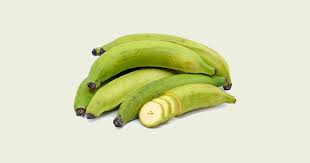
1. Antidiabetic Properties: Eleazu and Okafor (2015) found unripe plantain reduced blood glucose and lipid peroxidation in diabetic rats, supporting its use in diabetes management and liver health (Eleazu, C. O., & Okafor, P. N., 2015, Journal of Diabetes Research).
2. Antioxidant Activity: Shodehinde et al. (2015) showed unripe plantain inhibits enzymes linked to diabetes, reducing oxidative stress and supporting its antidiabetic potential (Shodehinde, S. A., et al., 2015, Evidence-Based Complementary and Alternative Medicine).
3. Anti-Ulcerogenic Effects: Best et al. (1984) identified leucocyanidin in unripe plantain as an anti-ulcer agent, protecting against gastric erosions in rats (Best, R., et al., 1984, Journal of Ethnopharmacology).
4. Lipid Peroxidation Inhibition: Okezie et al. (2013) demonstrated that unripe plantain extracts reduced lipid peroxidation in rat pancreas, highlighting antioxidant benefits (Okezie, U. M., et al., 2013, Asian Pacific Journal of Tropical Medicine).
5. Nutritional Analysis: Ketiku (1973) confirmed unripe plantain’s high starch and low sugar content, validating its suitability for low-glycemic diets (Ketiku, A. O., 1973, Journal of the Science of Food and Agriculture).
Frequently Asked Questions About Unripe Plantain
1. Is unripe plantain safe for diabetics?
Yes, its resistant starch helps regulate blood sugar. Boil or roast one plantain and eat daily with vegetables.
2. Can unripe plantain aid weight loss?
Yes, its fiber and resistant starch promote fullness. Roast one plantain daily as a low-calorie snack.
3. How does unripe plantain support heart health?
Potassium lowers blood pressure. Boil two plantains and eat with vegetable sauce three times weekly.
4. Can unripe plantain treat ulcers?
Yes, its peel powder soothes ulcers. Mix 1 teaspoon with honey and take twice daily.
5. Is unripe plantain safe during pregnancy?
Avoid medicinal forms like root juice; consult a doctor. Culinary use is generally safe in moderation.
6. How does unripe plantain improve digestion?
Its fiber prevents constipation. Eat 1 cup of plantain porridge twice weekly with soup.
7. Can unripe plantain boost fertility?
Yes, it supports male fertility. Roast two plantains daily and eat with soup for a month.
8. Are there side effects of unripe plantain?
Overconsumption may cause bloating due to fiber. Stick to moderate portions.
9. How is unripe plantain flour made?
Peel, slice, dry, and grind into powder. Use for gluten-free dishes like amala.
10. Can unripe plantain treat skin issues?
Yes, leaf sap helps burns and rashes. Apply fresh sap to affected areas twice daily.
Do you have any questions, suggestions, or contributions? If so, please feel free to use the comment box below to share your thoughts. We also encourage you to kindly share this information with others who might benefit from it. Since we can’t reach everyone at once, we truly appreciate your help in spreading the word. Thank you very much for your support and for sharing!
Disclaimer: This article is for educational and informational purposes only. The health benefits described are based on scientific research and traditional knowledge. They are not a substitute for professional medical advice, diagnosis, or treatment. Always consult a healthcare professional before using any herb or natural remedy for medical purposes.
Read Also: How Supporting Farmers Can Benefit Our Communities
I am happy to come across this post. What about pile
Thanks and I’m glad you find our article useful