


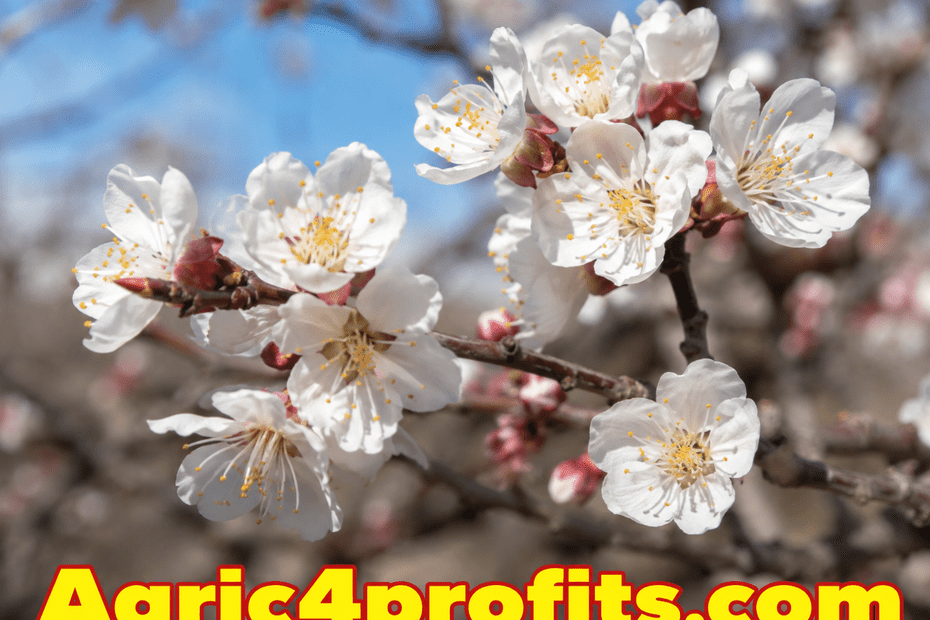
Blossom flowers, with their delicate charm and enchanting beauty, are nature's exquisite displays that brighten landscapes and signal seasonal change. Their colors, forms, fragrances, and cultural meanings make them fascinating additions to flower cultivation.
These short-lived floral displays are celebrated across cultures for their symbolic significance and have inspired poets, painters, photographers, gardeners, and romantics. Their temporary beauty often complements horticulture and ornamental landscaping while encouraging appreciation.
Blossom flowers represent remarkable diversity, with each species displaying distinctive shapes, colors, fragrances, flowering periods, and growth habits. Cherry blossoms, magnolias, apple blossoms, and jacarandas demonstrate the variety described through different floral forms.
In many cultures, blossom flowers represent life cycles, growth, renewal, love, remembrance, and impermanence. Their brief flowering periods encourage people to appreciate the wider world of flowers while reflecting on change and passing seasons.
Beyond symbolism, blossom flowers support ecological processes by providing nectar and pollen for bees, butterflies, birds, and other organisms. Their flowering helps sustain pollinator activity, especially where flowers that support honey bees are intentionally planted.
Gardens containing blossom flowers can create peaceful spaces filled with changing colors, textures, and fragrances. Thoughtful planting can improve visual interest while encouraging beneficial insects and creating more welcoming environments through wildflower diversity throughout seasons.
🌿 Go Organic on Your Farm: Instead of harmful chemical pesticides and fertilisers, try our organic farming products — including neem oil spray, bio-pesticides, natural plant treatments, organic seeds and seedlings, suckers, and many more organic products that are safe for your health, your family, your soil and your harvest. Shop Now →
Blossom flowers have also influenced art, literature, photography, fashion, and decorative design. Their colors and fleeting character provide recurring themes for creative expression, while detailed petal structures offer distinctive visual forms for creators.
Protecting blossom flowers requires responsible environmental management because habitat loss, climate pressures, pests, and unsuitable practices can affect flowering plants. Planting trees, protecting green spaces, and encouraging orchid diversity can support conservation.
Blossom flowers are therefore more than attractive decorations because they connect ecological function, cultural meaning, artistic inspiration, and seasonal beauty. Understanding their value encourages thoughtful appreciation and responsible stewardship of flowering plants worldwide.
History and Significance of Blossom Flowers
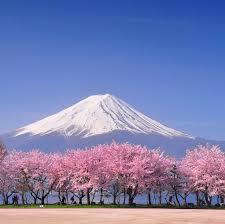
The significance of blossom flowers reaches into ancient societies where blossoms appeared in mythology, ceremonies, artwork, poetry, and seasonal traditions. Their recurring association with beauty, fertility, renewal, and continuity gave flowers lasting cultural importance.
🔧 Free Farm Tool Available: Use our free Agric4Profits Farm Tools to calculate your farm profits, formulate feeds, identify pests and diseases on both your crops and animal farms, plan your planting and harvesting season, including many more farm tasks to get free expert advice and recommendations — completely free, no registration required. Access Free Tools →
In ancient Egypt, Greece, Rome, China, and other civilizations, flowering plants were incorporated into symbolic and ceremonial practices. Blossoms represented beauty, fertility, devotion, transition, and renewal, with meanings reflected in Hibiscus blossoms and other flowers.
Japan provides one of the strongest cultural examples through cherry blossoms, or Sakura, which have been appreciated for centuries. Their brief seasonal display represents renewal, beauty, impermanence, and reflection during the annual Hanami tradition.
Hanami brings people together beneath flowering cherry trees to appreciate blossoms, enjoy social gatherings, and reflect upon their temporary beauty. The tradition demonstrates how seasonal flowers can strengthen cultural identity while encouraging collective appreciation.
Blossom flowers have served as enduring subjects for artists, writers, and poets, appearing in paintings, prints, literature, photography, and decorative arts. Their delicate petals provide memorable symbols for beauty, emotion, transition, and change.
Flowers also hold places within several religious and spiritual traditions, where blossoms can symbolize devotion, purity, remembrance, beauty, or spiritual awakening. Specific meanings vary considerably between traditions, communities, species, and aquatic lotus flowers.
💬 Have a Farming Question? Join thousands of farmers across Africa on the Agric4Profits Community — ask questions, share experiences and connect with agricultural experts. It is completely free. Ask Your Question Now →
Ecologically, flowering blossoms support pollinators and wildlife by providing nectar, pollen, fruits, seeds, foliage, and shelter. These resources help sustain insects, birds, and other organisms while supporting reproduction among numerous bee-friendly flowering spaces.
Modern appreciation of blossom flowers includes conservation, sustainable landscaping, biodiversity, and climate awareness. Protecting flowering trees and habitats can maintain seasonal resources while preserving meaningful landscapes for future generations and encouraging sunflower displays.
The history and significance of blossom flowers combine cultural, artistic, spiritual, and ecological dimensions. Their enduring appeal comes from seasonal flowering connecting human experiences with environmental cycles, memory, creativity, renewal, and shared appreciation.
Read Also: How to determine if your Housing is Conducive for your Fishes
Uses/Importance of Blossom Flowers
1. Ornamental Beauty: Blossom flowers are valued for ornamental beauty in gardens, parks, landscapes, courtyards, and floral displays. Their colors, forms, and seasonal flowering improve visual appeal while creating attractive spaces for people and wildlife, including magnolia blooms.
2. Cultural and Festive Celebrations: Blossom flowers contribute to celebrations, ceremonies, festivals, weddings, and cultural gatherings where their appearance can communicate beauty, happiness, renewal, remembrance, or new beginnings. Their use varies across communities and fragrant jasmine traditions.
3. Therapeutic and Traditional Uses: Certain blossoms and flowering plants have traditional uses in herbal preparations, teas, aromatics, and personal-care products. However, traditional use does not establish medical effectiveness, so identification and informed guidance remain important before practical use.
4. Culinary Delights: Some edible flowers contribute colors, flavors, fragrances, garnishes, teas, syrups, desserts, and other culinary applications when correctly identified. Safe preparation remains essential because attractive blossoms are not automatically suitable for human consumption.
5. Cultural Symbolism and Traditions: Blossom flowers carry cultural symbolism associated with love, purity, prosperity, spiritual reflection, remembrance, or enlightenment. Meanings differ across cultures, making the same flower capable of communicating different ideas within traditions that also celebrate spring tulips.
📖 Want to Go Deeper on This Topic?
Our expert agricultural ebooks cover poultry, fish farming, different crops production, snail farming, organic farming, mushrooms, sheep, cattle, flowers, pig farming, goat farming, agribusiness, etc. in practical step-by-step detail — written by agricultural professionals for African farmers.
Browse All Farming Ebooks →6. Environmental Sustainability: Flowering plants contribute to environmental sustainability by supporting pollinators and other wildlife. Nectar and pollen resources can maintain insects, while fruits and seeds produced after flowering support additional organisms, alongside productive rose cultivation.
7. Inspiration for Art and Creativity: The beauty of blossom flowers has inspired painting, photography, literature, music, fashion, decoration, and other creative fields. Their seasonal character and distinctive forms provide artists with recurring subjects communicating emotion, nature, transition, and beauty.
Read Also: How many plots of land do I need to start fish farming?
Cherry Blossom Flowers
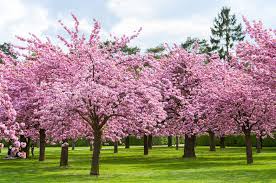
Cherry blossom flowers, known as Sakura in Japan, occupy a special place in global flower culture. Their delicate blooms are admired for visual beauty, seasonal significance, symbolism, festivals, artistic inspiration, and ecological value.
Cherry blossoms develop along branches of cherry trees and can create spectacular seasonal displays. Their flowering period is relatively brief, often making the blooming season especially attractive to visitors who appreciate temporary changes across landscapes.
In Japan, cherry blossoms are closely connected with cultural identity and the tradition of Hanami, or flower viewing. Friends, families, and communities gather beneath flowering trees to appreciate blossoms and share seasonal experiences together.
Cherry blossom appreciation has a long history within Japanese poetry, literature, art, and aesthetics. The idea of Mono no Aware, which recognizes beauty within impermanence, is strongly associated with the fleeting character of Sakura.
The cultural influence of cherry blossoms extends beyond Japan, with blossom festivals held in countries including the United States, South Korea, and the United Kingdom. Such events encourage cultural exchange through appreciation of flowering trees.
Cherry blossoms have inspired paintings, woodblock prints, illustrations, fashion, photography, interior design, and other creative forms. Their recognizable flowers and gentle colors provide artists with imagery associated with elegance, calmness, renewal, and passing time.
The short flowering period of cherry blossoms provides a strong reminder of life's changing nature. Their annual return combines renewal with impermanence, making them powerful symbols of hope, new beginnings, reflection, and appreciation.
Cherry blossom trees also contribute ecologically by providing nectar and pollen for pollinators, including bees and butterflies. Their flowers can therefore support local ecological interactions while adding seasonal resources within suitable landscapes.
Cherry blossom flowers remain enduring symbols of beauty, renewal, and impermanence, while their ecological and cultural importance continues to attract worldwide interest. Their seasonal presence encourages appreciation of nature and thoughtful conservation of flowering landscapes.
Summary on Blossom Flowers: All You Need To Know About
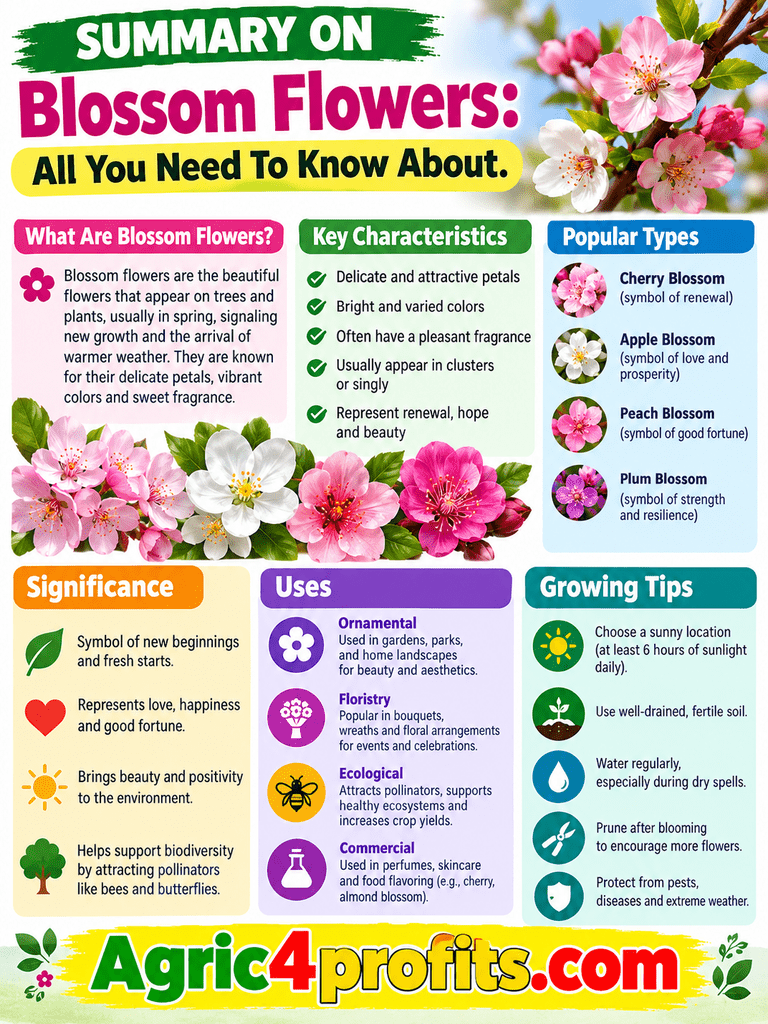
| Topic | Summary |
|---|---|
| Blossom flowers | Blossom flowers are seasonal floral displays valued for beauty, symbolism, ecological importance, cultural traditions, and artistic inspiration. |
| History and significance | Blossom flowers have influenced ancient ceremonies, mythology, literature, art, spirituality, seasonal celebrations, and cultural identity across societies. |
| Ecological importance | Blossoms provide nectar and pollen for pollinators while contributing to plant reproduction, biodiversity, fruits, seeds, and wildlife support. |
| Ornamental value | Blossom flowers enhance gardens, parks, landscapes, courtyards, festivals, floral displays, and other spaces through color, form, fragrance, and seasonal interest. |
| Traditional uses | Some flowering plants have traditional culinary, aromatic, personal-care, or herbal uses, although correct identification and appropriate guidance remain important. |
| Environmental protection | Conservation can include planting suitable trees, protecting green spaces, supporting biodiversity, managing pests responsibly, and practicing sustainable gardening. |
| Cherry blossoms | Cherry blossoms, or Sakura, are strongly associated with Japan, Hanami, impermanence, renewal, cultural identity, art, festivals, and seasonal beauty. |
| Overall importance | Blossom flowers connect nature, culture, creativity, ecological processes, and seasonal change, making them valuable features of natural and managed landscapes. |
Frequently Asked Questions About Blossom Flowers: All You Need To Know About
1. What are blossom flowers, and why are these seasonal blooms admired for beauty, symbolism, ecological value, and cultural importance across different regions and communities worldwide today?
Blossom flowers are seasonal blooms produced by flowering plants, especially trees and shrubs. They are admired for colors, forms, fragrances, ecological roles, cultural symbolism, and temporary appearance across many landscapes.
2. Why do many cultures associate blossom flowers with renewal, beauty, impermanence, love, fertility, or new beginnings during seasonal ceremonies, festivals, and celebrations around the world?
Blossom flowers often appear during seasonal transitions, making them natural symbols of renewal and change. Their brief displays can also represent beauty, love, fertility, remembrance, impermanence, and fresh beginnings in various cultures.
3. How do blossom flowers help bees, butterflies, birds, and other organisms, and why are their ecological contributions important for healthy gardens, landscapes, farms, and natural habitats while supporting local pollination processes?
Blossom flowers provide nectar and pollen for pollinators, while related plants can produce fruits and seeds used by wildlife. These resources support ecological interactions, plant reproduction, biodiversity, and healthy landscapes.
4. What is Hanami, and why are cherry blossoms especially important to Japanese culture, seasonal celebrations, artistic traditions, community gatherings, and reflections about temporary beauty throughout spring?
Hanami is the Japanese tradition of viewing flowers, especially cherry blossoms. Gatherings beneath blooming trees combine social enjoyment with appreciation of seasonal beauty, community life, and reflection on life's impermanence.
5. Can blossom flowers be used for food, teas, aromatics, or traditional preparations, and what should people consider before using flowers for these purposes safely and responsibly before including them in meals or drinks?
Some flowers are suitable for carefully prepared culinary or traditional uses, but not all are edible. Correct identification, appropriate cultivation, chemical safety, and knowledge of edible plant parts are essential.
6. How can gardeners and communities protect blossom flowers from habitat loss, climate pressures, pests, unsuitable practices, and other environmental threats affecting flowering plants over time while maintaining attractive wildlife-friendly spaces?
Protection can include planting suitable flowering trees, conserving green spaces, supporting biodiversity, managing pests responsibly, protecting habitats, and using sustainable gardening practices that suit local environmental conditions and flowering species.
7. Which blossom flowers are commonly recognized around the world, and what examples show the diversity of flowering trees, shrubs, bulbs, and ornamental garden plants for gardens, landscapes, ceremonies, and collections?
Recognized examples include cherry blossoms, magnolias, apple blossoms, jacarandas, roses, tulips, jasmine, lotus, orchids, hibiscus, and other flowering plants representing diverse forms, colors, growth habits, and seasons across different landscapes and settings.
8. What makes cherry blossom flowers different from other blossoms, and why do their short flowering periods contribute strongly to their worldwide cultural appeal and lasting symbolism among gardeners, visitors, and cultural communities?
Cherry blossoms are especially noted for their brief, visually striking flowering season and strong cultural symbolism. Their temporary display represents renewal and impermanence, while festivals and artistic traditions extend their global appeal.
Do you have any questions, suggestions, or contributions? If so, please feel free to use the comment box below to share your thoughts. We also encourage you to kindly share this information with others who might benefit from it. Since we can’t reach everyone at once, we truly appreciate your help in spreading the word. Thank you very much for your support and for sharing!
Read Also: What is ‘Corporate Education’ And Why it is Critical for Business Success
🌱 Take Your Farming Further With Agric4Profits
Based on what you just read, here are free resources and products from Agric4Profits that can help your farm right now:
- 🛒 Visit Our Marketplace — Organic neem oil, bio-pesticides, seeds and farming products
- 📚 Read Premium Content — Advanced guides for serious and profitable farming
- 🎓 Join Our Free Academy — Structured free training for farmers across Africa
- 🔧 Use Our Free Farm Tools — Profit calculators, feed formulation, pest identifier and more
- 💬 Join Our Farming Community — Connect with farmers across all 54 African countries
- ❓ Ask a Farming Question — Get answers from experienced farmers and agricultural experts
Please cite this content in academic work, research, or publications.