


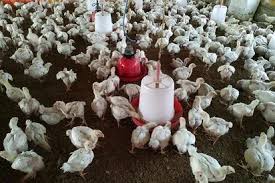
The finisher stage is the last and one of the most important phases in broiler production. By this point, your birds have moved through the starter phase and are in their final weeks of growth before reaching market weight. The feed you give them at this stage directly determines their final body weight, meat quality, and the return you make from the flock.
Many farmers lose money in the finishing stage because they either buy expensive commercial feed or use poorly formulated homemade rations. The difference between a well-fed bird and an underfed one at market time can be 500 grams or more. That difference directly affects your selling price and profit margin. Get the feed wrong, and you throw away weeks of investment in birds that never reach their full potential.
Formulating your own broiler finisher mash feed gives you control over quality and helps you reduce production costs significantly. Many farmers who switch from commercial feed to on-farm formulation find they save money while maintaining or even improving bird performance, provided the formula is balanced correctly and the raw materials are sourced from reliable suppliers.
Before producing any batch of feed, consider three important factors. First is the availability of raw materials in your location. Second is their current cost in the market. Third is the nutritional standards required for the finisher stage. These factors can vary by season and region, which is why flexibility and expert guidance are important parts of any formulation process.
Once you have formulated your feed, you can also produce extra quantities to sell to neighboring farmers or buyers in your area. This turns feed production into an additional income stream alongside your main poultry business. Just make sure your quality is consistent and your pricing is competitive.
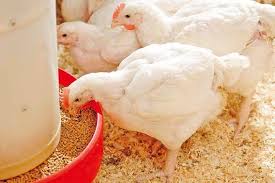
You will also need the right feeding and drinking equipment to ensure your birds consume the feed properly. Automatic chicken drinkers and feeders are widely available at agricultural supply shops. Ask around in your local area to find a reliable supplier near you.
1. Broiler Finisher Mash Feed Formula
The formula below is for a total batch of 1,000 kg (one ton) of broiler finisher mash feed:
| Raw Materials | Quantity Required |
|---|---|
| Maize | 450 kg |
| Soya Bean Meal | 150 kg |
| Full Fat Soya | 200 kg |
| Groundnut Cake | 20 kg |
| Wheat Offals | 140 kg |
| Bone Meal | 30 kg |
| Salt | 2 to 5 kg |
| Lysine | 2 to 5 kg |
| Methionine | 2 to 5 kg |
| Vitamin/Mineral Premix | 2.5 kg |
Total = approximately 1,000 kg (one ton)
Note: Certain factors can alter this formula including weather conditions, availability of raw materials, and raw material costs. This formula is subject to adjustment based on current conditions. Always consult a qualified expert before and during the formulation process to ensure the feed meets the specific needs of your birds.
Read Also: Broiler Starter Mash Feed Formula for Male Broilers
2. How to Scale the Formula Up or Down
The formula above is based on a 1,000 kg total batch. You can easily adjust it to produce any quantity you need.
i. To produce 100 kg of feed: Divide all ingredient quantities by 10
ii. To produce 10,000 kg of feed: Multiply all ingredient quantities by 10
Apply the same multiplication or division factor consistently across all ingredients to maintain the correct nutritional balance in the final mix. For example, if you need 500 kg, divide everything by 2. If you need 2,500 kg, multiply by 2.5.
3. Key Ingredients and What They Do
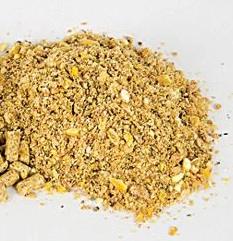
Each ingredient in the broiler finisher formula serves a specific nutritional purpose. Understanding what each one contributes helps you make informed substitutions when necessary and identify quality issues in your raw materials.
i. Maize: The primary energy source in the formula. At 450 kg per ton, it provides the carbohydrates broilers need to fuel their final growth push and develop good body weight before market.
ii. Soya Bean Meal: A high-protein ingredient that supports muscle development and tissue growth in the finishing phase.
iii. Full Fat Soya: Provides both protein and fat. The fat content contributes extra energy, which helps broilers put on weight efficiently during the finisher stage.
iv. Groundnut Cake: A supplementary protein source that complements soya bean meal in meeting the overall protein requirement of the diet.
v. Wheat Offals: A filler ingredient that contributes fiber and some nutritional value while helping to bulk out the formula cost-effectively.
vi. Bone Meal: Supplies calcium and phosphorus, both essential for strong bone development and overall skeletal integrity in growing broilers.
vii. Salt: Provides sodium and chloride, which support fluid balance, nerve function, and proper digestion.
viii. Lysine: An essential amino acid critical for protein synthesis and muscle growth. Broilers cannot produce enough of it naturally, so it must be supplemented.
ix. Methionine: Another essential amino acid that supports feather growth, immune function, and efficient nutrient utilization.
x. Vitamin and Mineral Premix: A concentrated blend of vitamins and trace minerals that fills any nutritional gaps not covered by the base ingredients and supports overall health, immunity, and growth.
4. Raw Material Quality and Sourcing
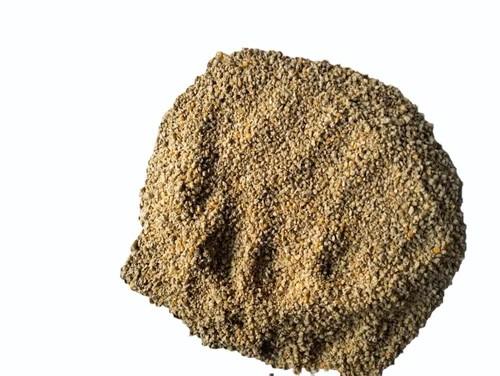
The quality of your finished feed is only as good as the raw materials that go into it. Always purchase from reputable, certified suppliers. Contaminated or substandard ingredients, particularly mouldy maize or poor-quality fishmeal, introduce mycotoxins and other harmful substances into the feed that directly harm your birds and reduce performance.
Inspect every delivery of raw materials before accepting it. If any ingredient smells unusual, shows signs of mould or discoloration, or does not meet your quality expectations, reject it. The small saving from buying cheaper ingredients is never worth the losses caused by poor bird performance or disease.
Store raw materials properly. Keep them dry, away from direct sunlight, and protected from pests. Use older materials first to prevent spoilage. Good storage practices can make the difference between profitable feed and wasted money.
Read Also: Complete List of Animals Feed Raw Materials and Their Uses
Summary on Broiler Finisher Mash Feed Formula

| Ingredient | Quantity (per 1,000 kg) | Purpose |
|---|---|---|
| Maize | 450 kg | Primary energy source for growth and weight gain |
| Soya Bean Meal | 150 kg | Protein for muscle development |
| Full Fat Soya | 200 kg | Protein and fat for energy and weight gain |
| Groundnut Cake | 20 kg | Supplementary protein source |
| Wheat Offals | 140 kg | Fiber and bulk, cost-effective filler |
| Bone Meal | 30 kg | Calcium and phosphorus for bone development |
| Salt | 2 to 5 kg | Fluid balance, nerve function, and digestion |
| Lysine | 2 to 5 kg | Essential amino acid for muscle growth and protein synthesis |
| Methionine | 2 to 5 kg | Essential amino acid for feathers, immunity, and nutrient utilization |
| Vitamin/Mineral Premix | 2.5 kg | Broad micronutrient coverage for health and immunity |
| Total | ~1,000 kg | Complete balanced finisher feed |
Frequently Asked Questions About Broiler Finisher Mash Feed Formula
1. What is broiler finisher mash feed and when is it given?
Broiler finisher mash feed is the final feed given to broilers in the last stage of their growth cycle before they reach market weight. It is typically introduced after the starter and grower phases, from around week 5 or 6 until the birds are sold. It is formulated to maximize final body weight, support muscle development, and improve feed conversion efficiency in the last weeks of production.
2. How does finisher feed differ from starter feed?
Starter feed has a higher protein content to support the rapid early growth of young chicks. Finisher feed has a slightly lower protein level but higher energy content to support weight gain and fat deposition in the final growth phase. The amino acid and mineral levels are also adjusted to match the nutritional needs of older, heavier birds.
3. Can I use this formula for both male and female broilers?
This formula is a general broiler finisher formula suitable for mixed flocks. Male and female broilers have slightly different growth rates and nutritional needs. Where separate male and female housing is used, your nutritionist may recommend minor adjustments to the formula to optimize performance for each group.
4. How do I scale the formula for smaller or larger batches?
Divide all ingredient quantities by 10 to produce a 100 kg batch. Multiply all quantities by 10 to produce a 10,000 kg batch. Apply the same factor to every ingredient consistently to maintain the correct nutritional balance throughout the mix. For custom amounts, use the appropriate multiplication or division factor.
5. Why is full fat soya included alongside soya bean meal?
Full fat soya contains both protein and oil, which makes it an energy-dense ingredient. In the finisher stage, broilers need more energy to support weight gain and body condition. Full fat soya helps meet this increased energy requirement while also contributing to the protein level of the diet, making it a cost-effective dual-purpose ingredient.
6. What happens if I use poor-quality raw materials in the finisher formula?
Poor-quality raw materials, particularly mouldy maize or contaminated protein sources, introduce mycotoxins and harmful microorganisms into the feed. Birds that eat contaminated feed grow more slowly, become susceptible to disease, produce poor-quality meat, and may die. Always source from reputable suppliers and inspect every delivery before use.
7. Why do lysine and methionine need to be added separately?
Lysine and methionine are essential amino acids that broilers cannot synthesize in sufficient quantities on their own. The base ingredients in the formula do not provide enough of these amino acids to meet the birds’ requirements at the finisher stage. Adding them separately as pure amino acid supplements ensures the diet is fully balanced and supports maximum growth and feed efficiency.
8. Can seasonal changes affect the formula?
Yes. Hot weather reduces feed intake in broilers, which means birds consume less of every nutrient. In such conditions, the energy and nutrient density of the feed may need to be increased to compensate. Cold weather can have the opposite effect. Raw material availability and quality also change with the season. Always review and adjust the formula with a qualified expert when conditions change significantly.
9. Can I sell surplus broiler finisher feed to other farmers?
Yes. If you have the capacity to produce more feed than your own flock requires, selling surplus feed to neighboring farmers or local buyers is a practical way to generate additional income. Ensure the feed is properly mixed, stored, and labeled before sale, and that buyers understand the formula and withdrawal periods for any additives used.
10. Do I need expert help to use this formula?
It is strongly recommended. While this formula provides a reliable starting point, feed formulation involves precise calculations and adjustments based on the specific raw materials you have access to, the current health status of your birds, and local environmental conditions. A qualified animal nutritionist or poultry feed formulation expert can verify your mix, suggest adjustments, and help you get the best results from your flock.
Do you have any questions, suggestions, or contributions? If so, please feel free to use the comment box below to share your thoughts. We also encourage you to kindly share this information with others who might benefit from it. Since we can’t reach everyone at once, we truly appreciate your help in spreading the word. Thank you very much for your support and for sharing!
Read Also: Effect of Tropical Climate on Animal Parasites, Vectors and Diseases