


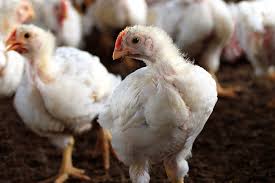
This article outlines strategies for optimizing broiler growth, focusing on skeletal quality, feed efficiency, and mortality reduction. By addressing key factors like breed, feed, and environment, growers can achieve economical growth while minimizing health issues like ascites and sudden death syndrome.
Effective broiler management starts with understanding flock-specific needs. Each flock varies due to genetics, production goals, and environmental conditions. Regular monitoring, especially through weighing chicks every five days, allows growers to tailor light and feed programs to achieve desired outcomes.
The article details critical aspects such as feed presentation, lighting adjustments, and health management. These elements, combined with proper equipment and climatic considerations, ensure uniform growth and reduce mortality. Practical applications help growers adapt strategies to their unique conditions.
Read Also: How Does a Farmer Know His Fish Is Diseased?
Objectives of Broiler Growth
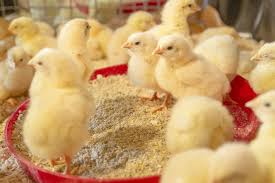
Broiler growth management aims to enhance skeletal quality and reduce mortality. By preparing broilers for compensatory growth, improving feed conversion, and minimizing health issues, growers can achieve economic objectives tailored to each flock’s specific requirements.
A. Enhancing Skeletal Quality
1. Supporting Growth: Improved skeletal quality prepares broilers for compensatory growth, ensuring better feed conversion.
2. Reducing Losses: Strong skeletal development lowers mortality, culls, and downgrades during production.
3. Tailored Programs: Growth control starts at chick arrival, using regular weighing to set light and feed programs.
B. Minimizing Mortality
1. Sudden Mortality: Reducing sudden and late mortality is a key objective for flock health.
2. Ascites Prevention: Controlling growth helps mitigate ascites, a condition linked to cardiovascular stress.
3. Monitoring Needs: Weighing chicks every five days helps adjust programs to prevent health issues.
C. Economic Growth Goals
1. Optimal Growth Rate: Economic objectives balance weight and slaughter age for cost-effective production.
2. Flexible Programs: No fixed program exists; each flock requires adjustments based on its unique conditions.
3. Growth Monitoring: Daily weight gain data guides light and feed adjustments for economical outcomes.
Key Factors Influencing Growth
Several factors shape broiler growth, including breed genetics, production type, and environmental conditions. Understanding these allows growers to design effective programs that optimize growth while addressing health and efficiency challenges specific to each flock.
A. Breed and Genetic Potential
1. Performance Baseline: Breed genetics define performance under optimal conditions, with peak growth between 28–35 days.
2. Influencing Factors: Grower skill, production type, and flock health affect genetic potential expression.
3. Economic Objectives: Growth targets are adjusted based on slaughter weight and age requirements.
B. Production and Slaughter Age
1. Growth Adjustment: Longer growing periods require slowing growth between 5–20 days of age.
2. Weight Monitoring: Day-old chick weight and five-day weigh-ins determine daily weight gain factors.
3. Program Adaptation: Lighting and feed programs are adjusted based on growth data and production goals.
C. Environmental and Health Factors
1. Building Impact: House type and equipment influence lighting and feeding program effectiveness.
2. Health Management: Vaccination programs and respiratory health affect growth and mortality rates.
3. Climatic Effects: Seasonal conditions require adjustments to lighting and feeding to maintain flock health.
Read Also: Types of Fishes Diseases and Methods of Prevention/Treatment
Feed and Nutrition Strategies
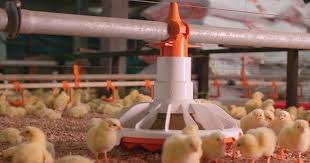
Feed programs are critical for broiler development, supporting immune, digestive, and skeletal systems. Proper feed presentation and timing prevent issues like gorging, ensuring uniform growth and reducing cardiovascular stress for healthier flocks.
A. Feed Distribution
1. Immediate Feeding: Distribute feed quickly after chick arrival to complement yolk nutrients.
2. Nutrient Support: Early feeding supports immune, digestive, skeletal, and muscular system development.
3. Uniform Growth: Pre-starter feed ensures sufficient weight and uniformity by 4–5 days of age.
B. Feed Types and Specifications
1. Pre-Starter Feed: Used from 0–10 days, provides 250g per bird with 21–23% crude protein.
2. Standard Starter: Used from 11–20 days, provides 800g with 20–22% protein for lighter broilers.
3. Heavy Starter: For heavier broilers, uses mash to slow growth and reduce mortality risks.
C. Feed Presentation
1. Pellet Quality: Good pellet quality and coarseness affect feed intake speed and efficiency.
2. Feeding Timing: Spread feeding evenly over 24 hours to avoid gorging and cardiovascular stress.
3. Empty Feeders: Longer empty feeder periods regulate consumption, especially under strong light stimulation.
Lighting and Equipment Management
Lighting and feeding equipment significantly influence broiler growth. Properly managed, they reduce competition, ensure uniform feed access, and adapt to environmental conditions, particularly in non-lightproof houses or hot climates, to optimize growth and health.
A. Lighting Programs
1. Cyclic Lighting: Use 2×12 or 3×8-hour cycles to reduce gorging after dark periods.
2. Dimmer Control: Gradually adjust light intensity over an hour to mimic natural dawn and dusk.
3. Climate Adaptation: In hot climates, keep houses dark during the day to reduce bird activity.
B. Feeding Equipment
1. Feeder Space: Before 35 days, use one pan per 75 broilers; after, one per 60.
2. Trough Length: Provide one meter per 100 broilers before 35 days, 1.5 meters after.
3. Empty Feeders: Start emptying feeders between 10–14 days, synchronizing with natural light periods.
C. Health and Ventilation
1. Oxygen Control: Proper ventilation prevents ascites and cardiac issues during rapid growth phases.
2. Vaccination Strategy: Administer vaccines via water to avoid respiratory complications from sprays.
3. Respiratory Health: Suspend light programs and treat respiratory issues to maintain flock health.
Flock Variability and Monitoring
Chick weight and uniformity vary due to multiple factors, requiring careful monitoring. Regular weighing and adjustments to brooding conditions ensure chicks reach their genetic potential while minimizing mortality and uneven growth.
A. Chick Weight Variability
1. Breeder Age Impact: Chicks from younger breeders (26–30 weeks) weigh 34–37g on average.
2. Egg Weight Influence: Larger eggs from older breeders produce heavier chicks, up to 44–45g.
3. Uniformity Range: 95% of chicks fall within a specific weight range based on breeder age.
B. Brooding Conditions
1. Temperature Control: Maintain 32–33°C for young chicks to support early growth.
2. Feed Access: Extra equipment ensures easy access to feed and water for uniform development.
3. Light Intensity: Higher light intensity (60 lux) supports early chick activity and growth.
C. Monitoring and Adjustments
1. Regular Weighing: Weigh chicks every five days to calculate daily weight gain (D.W.G./5).
2. Program Timing: Delay light programs for less uniform flocks to avoid aggravating unevenness.
3. Early Adjustments: Start programs at 4–7 days based on chick weight and mortality rates.
Optimizing broiler growth requires tailored light and feed programs based on regular weighing and flock conditions. By managing genetics, nutrition, equipment, and environment, growers can achieve economical growth, reduce mortality, and ensure uniform, healthy flocks.
Frequently Asked Questions
1. Why is weighing chicks every five days important?
Weighing chicks every five days provides the daily weight gain (D.W.G./5) factor, guiding adjustments to light and feed programs to ensure optimal growth and health.
2. How does feed presentation affect broiler health?
Proper feed presentation, like good pellet quality and even distribution, prevents gorging, reducing cardiovascular stress and promoting uniform growth.
3. What is the role of lighting programs in broiler growth?
Lighting programs control growth rates by adjusting light duration and intensity, preventing rapid feed intake and supporting flock health and uniformity.
4. How do climatic conditions impact broiler management?
In hot climates, houses are kept dark during the day to reduce activity, while cold climates require shorter dark periods to maintain house temperature.
5. Why use pre-starter feed for young chicks?
Pre-starter feed provides easily digestible nutrients, supporting immune, digestive, and skeletal development for uniform growth by 4–5 days.
6. How does flock uniformity affect program timing?
Flocks with uniformity below 80% require delayed light programs to prevent uneven growth, while uniform flocks can start programs earlier.
7. What measures prevent ascites in broilers?
Controlling oxygenation through ventilation, adjusting feed consumption, and suspending light programs during respiratory issues help prevent ascites.
8. How does breeder age influence chick weight?
Chicks from younger breeders (26–30 weeks) are lighter (34–37g), while those from older breeders (45+ weeks) are heavier (44–45g), affecting early management.
Do you have any questions, suggestions, or contributions? If so, please feel free to use the comment box below to share your thoughts. We also encourage you to kindly share this information with others who might benefit from it. Since we can’t reach everyone at once, we truly appreciate your help in spreading the word. Thank you so much for your support and for sharing!