


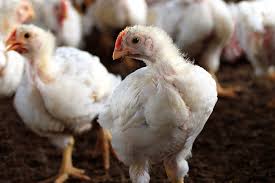
Growing healthy broilers profitably comes down to three things: understanding what each flock needs, monitoring growth consistently, and adjusting your program when the data tells you to. There is no single formula that works for every flock. Genetics, environment, production goals, and health status all vary, and your management approach has to reflect that.
The core objectives are straightforward. You want good skeletal development, efficient feed conversion, and low mortality. Get those right, and the economics take care of themselves. Miss them, and you end up with culls, downgrades, and health problems like ascites or sudden death syndrome that eat into your margins.
This article covers the key areas of broiler growth management: growth objectives, the factors that influence performance, feed and nutrition strategies, lighting and equipment, and flock monitoring. The goal is to give you a practical framework you can apply and adapt to your own conditions.
Read Also: How Does a Farmer Know His Fish Is Diseased?
1. Objectives of Broiler Growth Management
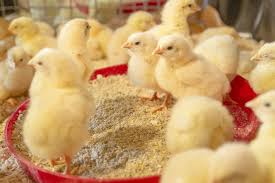
Every broiler program should be built around clear, measurable goals. Vague intentions do not translate into consistent results. The three core objectives are skeletal quality, mortality reduction, and economic growth targets.
A. Enhancing Skeletal Quality
i. Supporting Compensatory Growth: Strong skeletal development prepares broilers to grow efficiently during the compensatory phase, which directly improves feed conversion ratios.
🌿 Go Organic on Your Farm: Instead of harmful chemical pesticides and fertilisers, try our organic farming products — including neem oil spray, bio-pesticides, natural plant treatments, organic seeds and seedlings, suckers, and many more organic products that are safe for your health, your family, your soil and your harvest. Shop Now →
ii. Reducing Losses: Good bone structure lowers the rate of culls and downgrades. Birds with weak skeletons are more prone to leg problems and lameness, both of which increase production losses.
iii. Tailored Programs from Day One: Growth control starts the moment chicks arrive. Regular weighing gives you the data to design a light and feed program that fits the specific flock in front of you.
B. Minimizing Mortality
i. Sudden and Late Mortality: Reducing unexpected deaths throughout the flock cycle is a primary health objective. Many of these deaths are preventable with the right feed and lighting controls.
ii. Ascites Prevention: Ascites is linked to rapid growth and cardiovascular stress. Controlling the rate of growth, especially in the early weeks, significantly reduces its occurrence.
🔧 Free Farm Tool Available: Use our free Agric4Profits Farm Tools to calculate your farm profits, formulate feeds, identify pests and diseases on both your crops and animal farms, plan your planting and harvesting season, including many more farm tasks to get free expert advice and recommendations — completely free, no registration required. Access Free Tools →
iii. Monitoring as a Tool: Weighing every five days gives you the daily weight gain factor you need to adjust programs before problems develop, not after.
C. Economic Growth Goals
i. Balancing Weight and Age: The economic objective is not always maximum growth. It is the right weight at the right slaughter age for the lowest cost. That balance differs between flocks and markets.
ii. No Fixed Formula: There is no universal program. Each flock needs adjustments based on current performance data, genetics, and production requirements.
iii. Data-Driven Decisions: Daily weight gain figures guide every lighting and feeding decision. Without reliable data, you are guessing.
2. Key Factors Influencing Broiler Growth
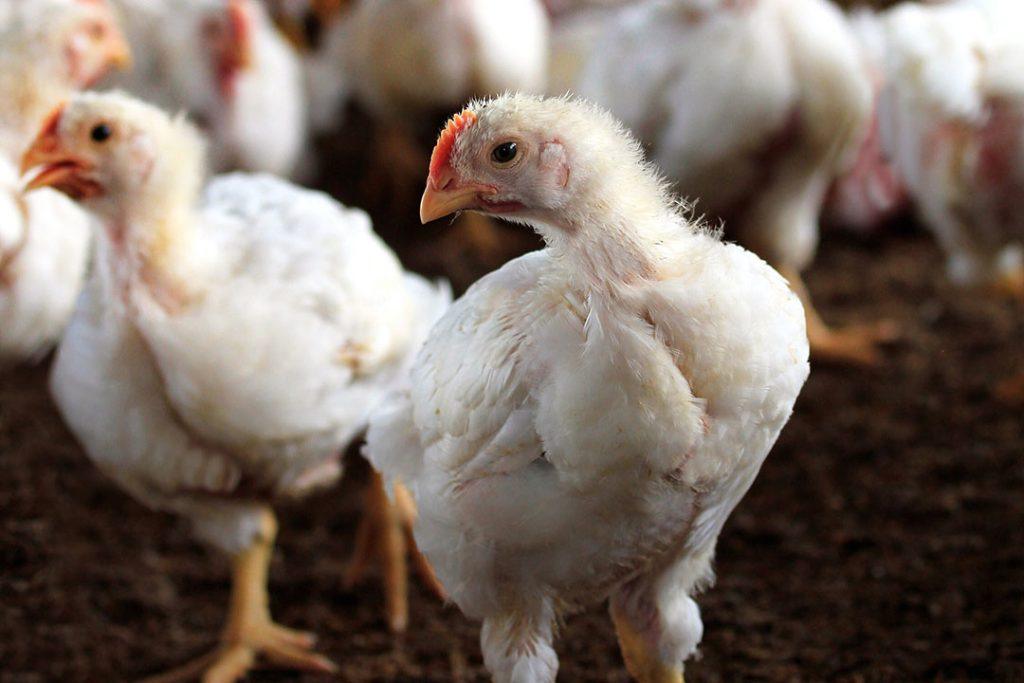
Understanding what shapes growth allows you to design programs that work with your conditions rather than against them. Several factors interact to determine what a flock can achieve.
💬 Have a Farming Question? Join thousands of farmers across Africa on the Agric4Profits Community — ask questions, share experiences and connect with agricultural experts. It is completely free. Ask Your Question Now →
A. Breed and Genetic Potential
i. Performance Baseline: Genetics set the ceiling. Under optimal conditions, most commercial broilers reach their peak growth rate between 28 and 35 days of age.
ii. What Affects Potential: Grower skill, production type, and flock health all determine how much of that genetic potential actually gets expressed. Good genetics poorly managed produce poor results.
iii. Economic Objectives Shape Targets: Growth targets need to align with slaughter weight and age requirements. The breed is a starting point, not the whole answer.
B. Production Type and Slaughter Age
i. Longer Growing Periods Need Slower Early Growth: Flocks destined for heavier slaughter weights benefit from controlled growth between 5 and 20 days of age. This protects skeletal development and reduces late-stage mortality.
ii. Early Weighing Sets the Program: Day-old chick weight combined with the five-day weigh-in gives you the daily weight gain factor that drives all subsequent decisions.
iii. Continuous Adaptation: Lighting and feed programs are not set once and forgotten. They are adjusted throughout the cycle based on how the flock is actually performing.
C. Environmental and Health Factors
i. House Type and Equipment: The physical setup of your broiler house affects how well lighting and feeding programs can be executed. Dark-out houses give you more control than open-sided structures.
ii. Health Management: Respiratory issues and vaccination schedules both affect growth rates and mortality. A sick flock cannot respond to even the best feeding program.
iii. Seasonal Adjustments: Hot and cold climates both require modifications to lighting and feeding routines. Ignoring seasonal variation leads to inconsistent results.
📖 Want to Go Deeper on This Topic?
Our expert agricultural ebooks cover poultry, fish farming, different crops production, snail farming, organic farming, mushrooms, sheep, cattle, flowers, pig farming, goat farming, agribusiness, etc. in practical step-by-step detail — written by agricultural professionals for African farmers.
Browse All Farming Ebooks →Read Also: Types of Fishes Diseases and Methods of Prevention/Treatment
3. Feed and Nutrition Strategies
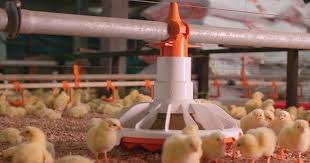
Feed is the biggest cost in broiler production and one of the most powerful levers you have for controlling growth rate, health, and uniformity. Getting the feed program right from day one matters more than most growers realize.
A. Feed Distribution
i. Feed Immediately on Arrival: Distribute feed quickly after chicks arrive to complement the remaining yolk nutrients they carry. Delays in first feeding set back early development.
ii. Early Feed Supports Multiple Systems: Feed in the first few days of life is not just about growth. It supports the immune, digestive, skeletal, and muscular systems simultaneously.
iii. Pre-Starter for Uniformity: Using pre-starter feed ensures chicks reach sufficient weight and uniformity by 4 to 5 days of age, which makes the rest of the program easier to manage.
B. Feed Types and Specifications
i. Pre-Starter (Days 0 to 10): Provides 250 grams per bird with a crude protein level of 21 to 23 percent. This phase is critical for early development and uniformity.
ii. Standard Starter (Days 11 to 20): Provides 800 grams per bird with 20 to 22 percent protein. This applies to lighter broiler production targets.
iii. Heavy Starter: For heavier production targets, mash feed is used during the starter phase to deliberately slow growth and reduce the risk of mortality associated with rapid weight gain.
C. Feed Presentation
i. Pellet Quality Matters: Coarseness and pellet integrity affect how quickly birds eat. Poor pellet quality leads to inconsistent intake and uneven growth across the flock.
ii. Spread Feeding Over 24 Hours: Avoid concentrated feeding periods that encourage gorging. Gorging puts cardiovascular stress on birds and is one of the contributing factors in sudden death syndrome.
iii. Empty Feeder Periods: Allowing feeders to empty periodically, especially when light stimulation is strong, helps regulate total daily intake. This is a simple, low-cost tool for controlling growth rate.
4. Lighting and Equipment Management
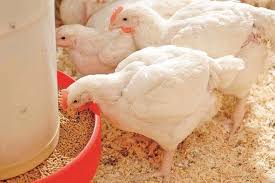
Lighting is one of the most effective tools for controlling broiler growth rate. Used correctly, it reduces gorging, supports uniform development, and can be adapted for different climate conditions and house types.
A. Lighting Programs
i. Cyclic Lighting: Programs like 2x12-hour or 3x8-hour light and dark cycles reduce the surge in feed intake that happens when lights come back on after a long dark period. Shorter cycles produce smaller surges and more consistent intake.
ii. Dimmer Control: Gradually adjusting light intensity over about an hour at the start and end of each light period mimics natural dawn and dusk. This reduces stress and the frantic feeding that follows sudden light changes.
iii. Hot Climate Adaptation: In hot climates, keeping houses dark during the hottest part of the day reduces bird activity and heat stress. Birds are encouraged to eat and drink during the cooler night hours instead.
B. Feeding Equipment
i. Feeder Space Before 35 Days: Use one pan per 75 broilers up to 35 days of age. After that, increase to one pan per 60 birds as feed intake rises.
ii. Trough Length: Provide at least 1 meter of trough space per 100 broilers before 35 days, increasing to 1.5 meters after. Insufficient feeder access creates competition and uneven growth.
iii. Starting Empty Feeder Periods: Begin emptying feeders between 10 and 14 days of age, synchronized with natural light periods. Starting too late reduces the effectiveness of growth control in the critical early phase.
C. Health and Ventilation
i. Oxygen and Ascites: Proper ventilation keeps oxygen levels adequate during rapid growth phases. Oxygen deficiency is a direct contributor to ascites and cardiac failure in fast-growing broilers.
ii. Vaccination Route Matters: During growth programs, administer vaccines through drinking water rather than spray to avoid triggering respiratory complications that would require suspending the lighting program.
iii. Respiratory Issues Take Priority: If a respiratory problem develops, suspend the light program and treat the flock. Continuing to push growth through a sick flock always makes the situation worse.
5. Flock Variability and Monitoring
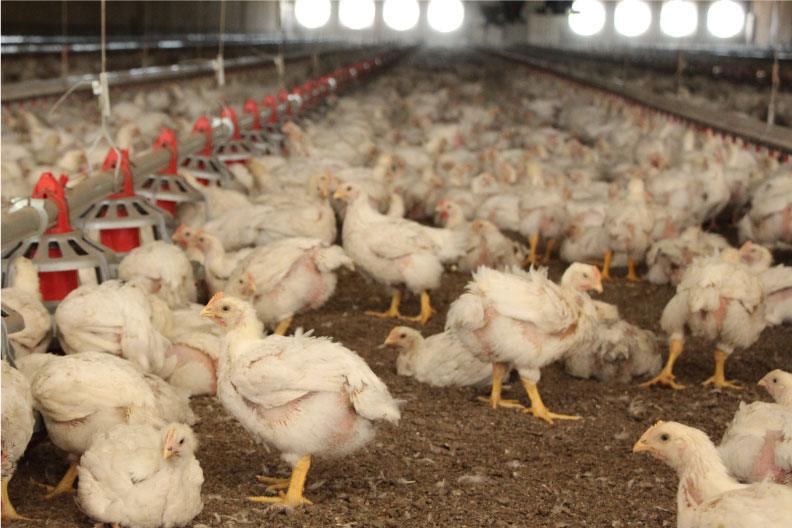
No two flocks are identical. Chick weight, uniformity, and early response to management all vary. The way you monitor and respond to that variability determines how well the flock ultimately performs.
A. Chick Weight Variability
i. Younger Breeders Produce Lighter Chicks: Chicks from breeders aged 26 to 30 weeks average between 34 and 37 grams at hatch. These smaller chicks need extra attention in the brooding phase.
ii. Older Breeders Produce Heavier Chicks: Larger eggs from older breeders can produce chicks weighing 44 to 45 grams. These heavier chicks generally show stronger early development.
iii. Uniformity Range: Around 95 percent of chicks from a given flock fall within a predictable weight range based on breeder age. Knowing this range helps you set realistic targets and design appropriate brooding conditions.
B. Brooding Conditions
i. Temperature: Maintain 32 to 33 degrees Celsius in the brooding area for young chicks. Correct temperature is fundamental to early growth and immune function.
ii. Feed and Water Access: Provide extra equipment during brooding to ensure every chick can reach feed and water easily. Competition at feeders and drinkers in the first week creates unevenness that is difficult to correct later.
iii. Light Intensity: Start with higher light intensity, around 60 lux, to encourage chick activity, feed exploration, and early growth.
C. Monitoring and Adjustments
i. Weigh Every Five Days: Calculate the daily weight gain factor (D.W.G./5) from each weighing session. This number drives every subsequent adjustment to the light and feed program.
ii. Delay Programs for Uneven Flocks: If flock uniformity falls below 80 percent, delay the introduction of lighting programs. Applying growth-controlling light programs to an already uneven flock makes uniformity worse, not better.
iii. Start Programs Early When Conditions Allow: For uniform, healthy flocks with good weight, programs can begin as early as 4 to 7 days of age based on chick weight and mortality data from the first few days.
Summary on Broiler Growth Management
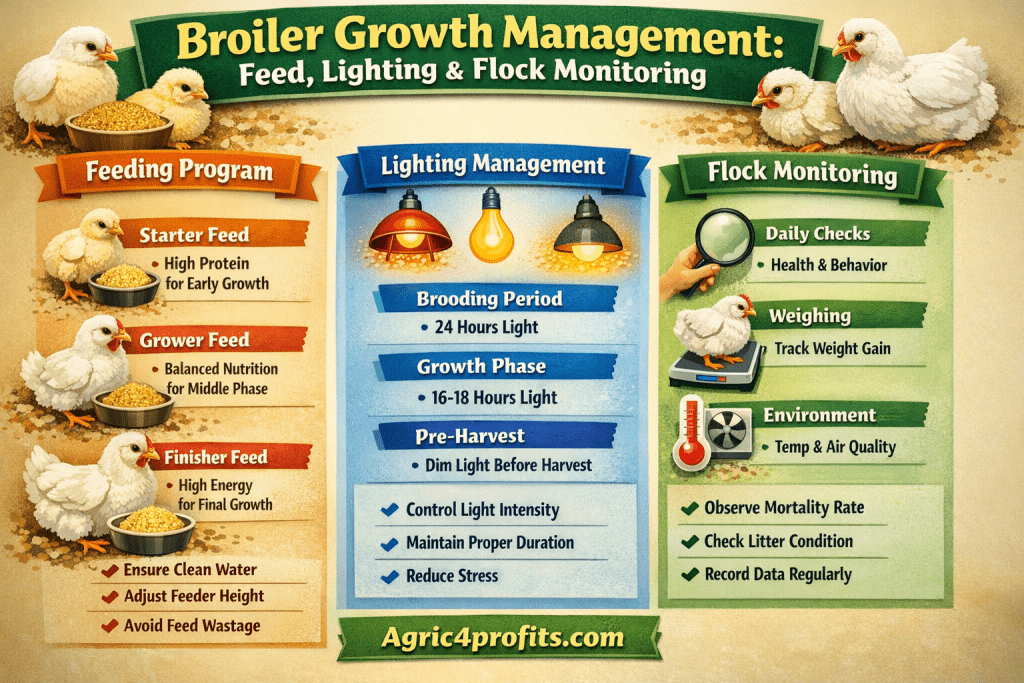
| Category | Key Points |
|---|---|
| Core Objectives | Skeletal quality, mortality reduction, economic growth targets |
| Peak Growth Period | 28 to 35 days of age under optimal conditions |
| Pre-Starter Feed | Days 0 to 10, 250g per bird, 21 to 23% crude protein |
| Standard Starter | Days 11 to 20, 800g per bird, 20 to 22% protein |
| Weighing Frequency | Every 5 days to calculate daily weight gain factor |
| Lighting Programs | Cyclic (2x12 or 3x8 hours), with dimmer control |
| Feeder Space (Under 35 days) | 1 pan per 75 birds or 1 meter trough per 100 birds |
| Feeder Space (Over 35 days) | 1 pan per 60 birds or 1.5 meters trough per 100 birds |
| Brooding Temperature | 32 to 33°C for young chicks |
| Ascites Prevention | Ventilation control, feed rate management, light program adjustment |
| Uniformity Threshold | Programs delayed if uniformity falls below 80% |
Frequently Asked Questions About Broiler Growth Management
1. Why is weighing chicks every five days so important? It gives you the daily weight gain factor that drives all your lighting and feeding decisions. Without accurate weight data, you cannot tell whether your program is working or whether adjustments are needed.
2. What is the best way to prevent ascites in broilers? Control the growth rate during the rapid growth phase, ensure proper ventilation to maintain adequate oxygen levels, and reduce feed intake through empty feeder periods and lighting adjustments when necessary.
3. When should you start a lighting program? For healthy, uniform flocks, programs can begin as early as 4 to 7 days. For flocks with low uniformity or early health issues, delay the program until conditions improve.
4. How does feed presentation affect bird health? Poor pellet quality and uneven feed distribution encourage gorging, which puts cardiovascular stress on birds and contributes to sudden death. Spreading feeding evenly across the day reduces this risk significantly.
5. What happens if brooding temperature is too low? Chicks exposed to cold in the first week cluster together, eat less, and develop more slowly. It also weakens early immune function, making the flock more vulnerable to disease in the weeks that follow.
6. How do you manage growth in hot climates? Keep houses dark during the hottest part of the day to reduce activity and heat stress. Encourage feeding and drinking during cooler periods, typically at night, and monitor water intake closely as consumption can double in high temperatures.
7. Why use mash instead of pellets for heavy broiler programs? Mash slows the rate of feed intake compared to pellets. For flocks being grown to heavier slaughter weights, this controlled intake reduces the mortality risks associated with very rapid early growth.
8. What does low flock uniformity mean for management? It means your lightest birds need more time to develop before you introduce growth-controlling programs. Applying those programs too early to an uneven flock widens the weight gap further and increases the proportion of underweight birds at slaughter.
Do you have any questions, suggestions, or contributions? If so, please feel free to use the comment box below to share your thoughts. We also encourage you to kindly share this information with others who might benefit from it. Since we can’t reach everyone at once, we truly appreciate your help in spreading the word. Thank you very much for your support and for sharing!
Read Also: What You Should Know About SWOT Analysis
🌱 Take Your Farming Further With Agric4Profits
Based on what you just read, here are free resources and products from Agric4Profits that can help your farm right now:
- 🛒 Visit Our Marketplace — Organic neem oil, bio-pesticides, seeds and farming products
- 📚 Read Premium Content — Advanced guides for serious and profitable farming
- 🎓 Join Our Free Academy — Structured free training for farmers across Africa
- 🔧 Use Our Free Farm Tools — Profit calculators, feed formulation, pest identifier and more
- 💬 Join Our Farming Community — Connect with farmers across all 54 African countries
- ❓ Ask a Farming Question — Get answers from experienced farmers and agricultural experts
Please cite this content in academic work, research, or publications.