


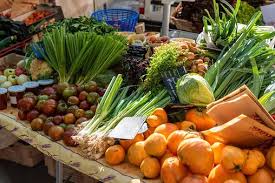
The concept of market structure is used to study the number, size distribution, and power of market participants. This concept, initially popularized by industrial organization economists, is rapidly gaining traction in the study of agricultural marketing. The application of the market structure model has been predominant in developed countries; however, its importance is being recognized in less developed countries as well.
Market Structure Defined in Agriculture
Market structure can be defined as the characteristics of the organization of a market that strategically influence the nature of competition and pricing within the market. Factors that are significant in determining market structure include:
1. Number and size of buyers and sellers: The size and number of participants in the market.
2. Degree of product differentiation: The uniqueness of the products being offered.
3. Ease of entry and exit: How easily participants can enter or leave the market.
🌿 Go Organic on Your Farm: Instead of harmful chemical pesticides and fertilisers, try our organic farming products — including neem oil spray, bio-pesticides, natural plant treatments, organic seeds and seedlings, suckers, and many more organic products that are safe for your health, your family, your soil and your harvest. Shop Now →
4. Status of market knowledge: The extent of information available about costs, prices, and market conditions among participants.
Market structure essentially relates to the level of competition in a market. It considers whether the number of firms producing a product is large or small, and whether firms are of equal sizes or dominated by a few.
It also focuses on whether entry for new firms is easy or difficult, and whether the product is sold in a competitive environment. Additionally, it examines the level of market knowledge available to these firms. These factors will be discussed in detail in the following sections.
Read Also: Pig Breeds: Origin, Indigenous and Exotic Breeds of Pigs
🔧 Free Farm Tool Available: Use our free Agric4Profits Farm Tools to calculate your farm profits, formulate feeds, identify pests and diseases on both your crops and animal farms, plan your planting and harvesting season, including many more farm tasks to get free expert advice and recommendations — completely free, no registration required. Access Free Tools →
Number and Size of Firms in Agricultural Markets
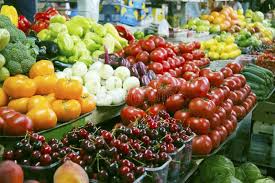
The concept of market structure is essential in explaining the limits on the freedom of action, and hence the managerial options, of any buyer or seller. Generally, the effect of the relative size of buyers and sellers is evident.
A single large seller, without any close competitor, offering a highly desired product to many small competing buyers, has the power to set a very high price. The opposite occurs in the case of a single large buyer (monopsonist) who purchases from many small competing sellers. This buyer is likely to set a lower buying price than if several other buyers were competing with them.
Nature of Agricultural Products
💬 Have a Farming Question? Join thousands of farmers across Africa on the Agric4Profits Community — ask questions, share experiences and connect with agricultural experts. It is completely free. Ask Your Question Now →
Some products are standardized (homogeneous); most consumers perceive the products of one seller to be virtually no different from those of other sellers. For instance, a farmer selling cassava or maize may find it challenging to convince buyers that their product is different.
On the other hand, products like livestock feed are differentiated by brands, such as Sambo Feeds, Pfizer Feeds, Sanders Feeds, Top Feeds, Vital Feeds, Animal Care Feeds, Rebson Feeds, and Noma Feeds. Each feed mill claims that their product is superior in quality to others. Livestock farmers also believe that the quality of the feeds differs, making the products distinct in the eyes of buyers.
Where product differentiation exists, firms selling differentiated products may behave like small monopolies. These firms do not need to fear that price undercutting will entirely erode their market share. Therefore, the nature of the product helps determine the types of behavior that can be expected under different market conditions.
Read Also: The Potentials and Constraints to Pig Production in Developing Countries
Entry and Exit Conditions in Agricultural Markets
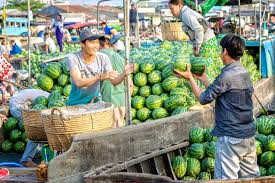
Entry and exit conditions refer to the ability of a firm to enter or leave a market. Certain barriers might exist, such as patents that prevent other firms from producing and selling a patented product for a specific period. Aside from patents, other legal restrictions might prohibit firms from participating in the market.
For example, the government could establish monopsony firms like the defunct cotton boards. Other factors that may influence entry and exit include absolute cost advantages held by existing firms or prohibitively high entry costs. For instance, significant capital is required to enter the steel industry, the produce buying business, or the poultry business.
Market Knowledge in Agricultural Markets
📖 Want to Go Deeper on This Topic?
Our expert agricultural ebooks cover poultry, fish farming, different crops production, snail farming, organic farming, mushrooms, sheep, cattle, flowers, pig farming, goat farming, agribusiness, etc. in practical step-by-step detail — written by agricultural professionals for African farmers.
Browse All Farming Ebooks →Market knowledge refers to the information available to buyers and sellers that allows them to make decisions in the market environment.
It is assumed that buyers and sellers will make more rational decisions if they have sufficient information about prices in different markets and the quality of various products. Market knowledge extends beyond price information to include details about competitors' actions and future market conditions.
Do you have any questions, suggestions, or contributions? If so, please feel free to use the comment box below to share your thoughts. We also encourage you to kindly share this information with others who might benefit from it. Since we can’t reach everyone at once, we truly appreciate your help in spreading the word. Thank you so much for your support and for sharing!
Read Also: The Impact of Business Waste Recycling Services on Our Environment
Frequently Asked Questions
We will update this section soon.
🌱 Take Your Farming Further With Agric4Profits
Based on what you just read, here are free resources and products from Agric4Profits that can help your farm right now:
- 🛒 Visit Our Marketplace — Organic neem oil, bio-pesticides, seeds and farming products
- 📚 Read Premium Content — Advanced guides for serious and profitable farming
- 🎓 Join Our Free Academy — Structured free training for farmers across Africa
- 🔧 Use Our Free Farm Tools — Profit calculators, feed formulation, pest identifier and more
- 💬 Join Our Farming Community — Connect with farmers across all 54 African countries
- ❓ Ask a Farming Question — Get answers from experienced farmers and agricultural experts
Please cite this content in academic work, research, or publications.