


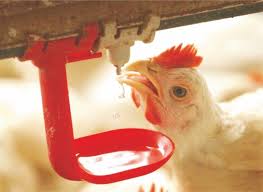
Providing high-quality drinking water is critical for the health and productivity of chicks and broilers. Poor water quality can lead to digestive issues and increased mortality, impacting poultry farming success.
This article outlines standards for water quality, monitoring practices, and maintenance of drinking systems. It emphasizes the importance of regular testing, cleaning, and treatment to ensure safe water for poultry.
Water Quality Standards
Maintaining high-quality drinking water is essential for poultry health. The following standards help assess water suitability, ensuring it is free from harmful contaminants like Salmonella and pathogens.
Regular testing and adherence to these standards prevent health issues. Understanding microbiological and chemical limits is key to maintaining safe water supplies for poultry.
A. Microbiological Standards
1. Total Germs: Very pure water has 0–10 germs per ml, drinkable water 10–100, suspect water 1,000–10,000, and bad water exceeds 100,000 germs per ml.
2. Salmonella Presence: Both very pure and drinkable water must have zero Salmonella per ml. Any presence in suspect or bad water indicates contamination.
3. E. coli Levels: Very pure and drinkable water should have zero E. coli, while suspect water ranges from 10–50, and bad water reaches 100 per ml.
B. Chemical Standards
1. Hardness Levels: Very pure water has a hardness of 5–15°, drinkable water 15–30°, while suspect and bad water exceed 30°.
2. Organic Matter: Levels should be 0 mg/litre for very pure, 1 for drinkable, 3 for suspect, and 4.6 mg/litre for bad water.
3. Nitrates and Ammonia: Drinkable water has 0–15 mg/litre nitrates and 0 mg/litre ammonia, while bad water exceeds 30 and 10 mg/litre, respectively.
C. Additional Chemical Parameters
1. Mineral Content: Iron, manganese, copper, zinc, calcium, magnesium, sulphates, and chlorides have specific limits, with bad water exceeding 1, 0.5, 1.5, 15, 200, 150, 400, and 600 mg/litre, respectively.
2. pH Range: Drinkable water maintains a pH of 7–8.5, while suspect water ranges from 6.5–9.2, indicating potential issues.
3. Turbidity Standards: Drinkable water should not exceed 5 units of turbidity, while suspect water reaches up to 25 units, signaling contamination risks.
D. Importance of Testing
1. Sampling Accuracy: The value of water analysis depends on when, where, and how samples are taken, with repeated sampling from the same source ensuring reliable results.
2. Laboratory Guidance: Laboratories provide materials and instructions for accurate sampling, enabling precise evaluation of water quality over time.
3. Action on Exceedances: If elements exceed drinkable water standards, suspect water as a cause of digestive or general health problems in poultry.
Read Also : Proper Irrigation and Drainage Guide
Maintaining Drinking Systems
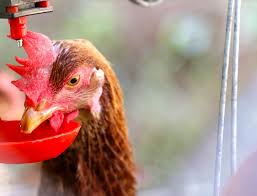
Clean and well-maintained drinking systems are vital to prevent bacterial contamination. Regular checks and treatments ensure water remains safe, especially at the end of water lines.
Proper maintenance reduces mortality and supports poultry health. This section covers cleaning protocols and system checks for various drinker types.
A. Cleaning Baby Chick Fonts
1. Contamination Risks: Baby chick fonts, including round and trough types, are often soiled by feed particles, which can become contaminants.
2. Cleaning Frequency: Clean these drinkers daily during the first two weeks of a chick’s life and weekly thereafter to reduce germ development.
3. Hot Climate Protocols: In hot climates, daily cleaning and disinfection are necessary, maintaining a water depth of 15 mm for accessibility.
B. Maintaining Nipple Drinkers
1. Flushing Systems: Regularly flush nipple drinker systems, especially after using vitamins, vaccines, or milk-based products, to prevent blockages and bacterial growth.
2. Water Pressure Checks: Monitor water pressure to ensure sufficient flow, particularly in hot weather, to reach all birds at the end of lines.
3. Economic Considerations: Inadequate ventilation or economizing on nipple drinkers in hot climates can lead to costly losses due to insufficient water access.
C. Water Treatment Practices
1. Chemical Treatments: Use sodium hypochlorite to destroy germs in pipes and drinkers, checking residual chlorine levels at the system’s end.
2. Tank and Pipe Hygiene: Clean and disinfect water tanks and pipes during clean-out periods to eliminate dangerous germs.
3. Periodic Monitoring: Regularly check water quality from pipes, especially at the last drinking point, even if the main supply is clean.
Read Also : Agronomic Measures to Control Soil Erosion
Water Consumption Guidelines
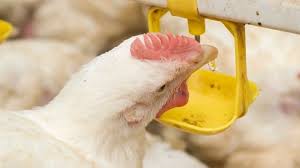
Monitoring water consumption ensures poultry receive adequate hydration, which is closely tied to feed intake and environmental conditions. Deviations may indicate system issues.
These guidelines help farmers calculate water needs and adjust systems accordingly, particularly in varying climates, to optimize poultry health and performance.
A. Consumption Patterns
1. Feed-to-Water Ratio: Under recommended house temperatures, water consumption is typically 1.7–1.8 times feed consumption.
2. Investigating Anomalies: If birds drink significantly more or less, investigate causes like water pressure or system adjustments.
3. Hot Weather Impact: In hot climates, water consumption can double, requiring careful monitoring to ensure sufficient supply.
B. Consumption by Age
1. Age 7 Days: Chicks consume approximately 370 ml of water per kg of live body weight in temperate climates.
2. Age 14–49 Days: Consumption decreases progressively: 270 ml at 14 days, 210 ml at 21 days, 180 ml at 28 days, 155 ml at 35 days, 135 ml at 42 days, and 125 ml at 49 days.
3. Treatment Calculations: Use these figures as a baseline for calculating water treatments, adjusting for higher consumption in hot weather.
C. System Adjustments
1. Water Pressure: Ensure proper water pressure to deliver sufficient water, especially in hot weather, to prevent dehydration.
2. Drinker Depth: Maintain appropriate water depth in drinkers to facilitate easy access for all birds.
3. Regular Checks: Routinely inspect drinking systems to ensure they meet the birds’ hydration needs, reducing health risks.
Frequently Asked Questions
1. Why is water quality important for poultry?
High-quality water prevents digestive issues and mortality, ensuring chicks and broilers remain healthy and productive throughout their lives.
2. What are the key water quality standards?
Standards include zero Salmonella and E. coli in drinkable water, low levels of nitrates, ammonia, and minerals, and a pH of 7–8.5.
3. How often should drinkers be cleaned?
Baby chick fonts should be cleaned daily for the first two weeks, weekly thereafter, and daily in hot climates to prevent contamination.
4. What is the role of water treatment?
Treatments like sodium hypochlorite reduce bacterial contamination in pipes and drinkers, lowering mortality and maintaining water safety.
5. How does water consumption vary with age?
Consumption decreases from 370 ml per kg at 7 days to 125 ml per kg at 49 days in temperate climates, doubling in hot weather.
6. Why is sampling important for water quality?
Repeated sampling from the same source ensures accurate analysis, allowing reliable evaluation of water quality and identification of issues.
7. What happens if water quality is poor?
Poor water quality, with high germs or chemicals, can cause digestive problems, general health issues, and increased poultry mortality.
8. How can nipple drinker issues be prevented?
Regular flushing, proper water pressure, and monitoring after using vitamins or vaccines prevent blockages and bacterial growth in nipple drinkers.
Do you have any questions, suggestions, or contributions? If so, please feel free to use the comment box below to share your thoughts. We also encourage you to kindly share this information with others who might benefit from it. Since we can’t reach everyone at once, we truly appreciate your help in spreading the word. Thank you so much for your support and for sharing!