


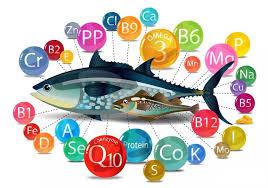
Fish nutrition sits at the center of profitable aquaculture because feed drives growth, health, and survival. Balanced diets help fish use energy efficiently, resist stress better, and convert feed into marketable weight faster.
Farmers who understand nutrient planning can choose diets that suit species, age, and water conditions instead of guessing. That precision reduces waste, protects water quality, and supports steady production through the entire cycle.
A thoughtful feeding program improves survival, flesh quality, and harvest consistency. This guide explains the main nutrients, feed options, feeding habits, water management, and practical innovations that support healthier fish and better farm returns.
1. Why Fish Nutrition Matters
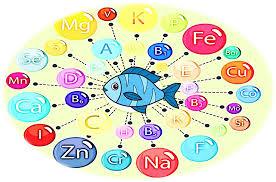
Fish nutrition matters because feed is the engine of growth, immunity, and survival in aquaculture. Well-fed stock usually reaches harvest faster, tolerates handling better, and produces a more uniform final size.
Poor nutrition, by contrast, slows growth, weakens immunity, and increases mortality during stressful periods. Farmers who study feeding discipline usually manage ponds more efficiently and with fewer avoidable losses overall.
Nutrition also shapes the economics of the farm because feed is often the largest recurring expense. When diets are balanced correctly, less feed is wasted, and more of every kilogram becomes sellable fish.
🌿 Go Organic on Your Farm: Instead of harmful chemical pesticides and fertilisers, try our organic farming products — including neem oil spray, bio-pesticides, natural plant treatments, organic seeds and seedlings, suckers, and many more organic products that are safe for your health, your family, your soil and your harvest. Shop Now →
A balanced ration must match species, life stage, and culture system, because fish do not all use nutrients in the same way. A feeding system built on guesswork usually creates uneven performance.
Healthy nutrition supports reproduction, flesh quality, stress tolerance, and disease resistance at the same time. It also improves the farmer’s ability to maintain predictable stocking schedules, harvesting plans, and market commitments throughout production.
For these reasons, fish nutrition is never just about putting feed into water. It is a complete management tool that connects biology, economics, water quality, and farm efficiency in one production strategy.
2. Essential Nutrients for Fish
i. Proteins: Protein supplies amino acids for muscle growth, tissue repair, enzyme production, and stronger immunity. Farmers can improve results by pairing ingredient quality with nutrient balance instead of relying on a single feed source.
🔧 Free Farm Tool Available: Use our free Agric4Profits Farm Tools to calculate your farm profits, formulate feeds, identify pests and diseases on both your crops and animal farms, plan your planting and harvesting season, including many more farm tasks to get free expert advice and recommendations — completely free, no registration required. Access Free Tools →
ii. Fats: Fats provide concentrated energy and help fish absorb vitamins A, D, E, and K. They also support cell structure, brain function, and the healthy development of young fish.
iii. Carbohydrates: Carbohydrates are not the main fuel for every species, but they can spare protein for growth and reduce feed costs. A careful mix prevents unnecessary waste and digestive stress.
iv. Vitamins: Vitamins regulate metabolism, immunity, wound healing, and reproduction. Farmers who keep diets diverse and clean avoid many deficiency problems that weaken fish before harvest and reduce overall pond productivity.
v. Minerals: Minerals support bones, osmoregulation, enzyme activity, and nerve function. Calcium, phosphorus, potassium, and trace elements work quietly in the background, yet they remain essential for steady development overall.
These nutrients work together rather than separately, so a weak supply of one can reduce the value of the others. Proper formulation always treats the diet as a complete system.
💬 Have a Farming Question? Join thousands of farmers across Africa on the Agric4Profits Community — ask questions, share experiences and connect with agricultural experts. It is completely free. Ask Your Question Now →
3. Protein, Carbohydrates, and Growth
i. Growth stages: Fry and fingerlings need higher protein densities because their bodies are building tissue quickly. Older fish still need quality protein, but their diets can usually carry a lower percentage.
ii. Amino acid quality: Protein quantity alone is not enough, because amino acid balance determines how well fish convert feed into body mass. Farmers need ingredients that complement one another and avoid missing building blocks.
iii. Digestibility: Highly digestible protein sources improve feed conversion and reduce waste in ponds. When feed is easy to use, fish spend less energy processing it and more energy growing steadily.
iv. Growth management: A practical catfish diet should match pellet size, feeding rate, and protein level to the stock on hand. Better alignment creates faster growth and fewer feeding errors.
v. Energy balance: Protein should not be used as the main energy source, because that is expensive and inefficient. Energy from fats and carbohydrates protects protein so fish can use it for growth.
Well-planned protein feeding supports stronger muscle development, better survival, and healthier harvests. It also helps farmers predict performance more accurately, especially when they compare feed use against weekly weight gain.
Read Also: Recommended Fertilizer Placement Methods
4. Fats, Vitamins, and Minerals
i. Essential fatty acids: Fish need omega-3 and omega-6 fats for cell membranes, vision, immunity, and reproduction. These compounds cannot be made in enough quantity, so the diet must supply them directly.
ii. Energy reserve: Dietary fat offers dense energy that spares protein and supports smooth feeding during periods of stress. Farmers who follow a formulation balance reduce unnecessary nutrient loss daily.
📖 Want to Go Deeper on This Topic?
Our expert agricultural ebooks cover poultry, fish farming, different crops production, snail farming, organic farming, mushrooms, sheep, cattle, flowers, pig farming, goat farming, agribusiness, etc. in practical step-by-step detail — written by agricultural professionals for African farmers.
Browse All Farming Ebooks →iii. Vitamin support: Vitamins help fish convert nutrients into growth, heal tissue damage, and maintain strong defenses. A varied feed plan usually works better than excessive correction after deficiency symptoms already appear.
iv. Mineral support: Minerals strengthen skeletons, regulate fluids, and assist enzymes. The right levels of phosphorus, calcium, and trace minerals help fish develop evenly and tolerate changing pond conditions more effectively.
v. Deficiency signs: Missing fats, vitamins, or minerals may cause deformities, poor appetite, weak immunity, and slow growth. Farmers often notice these problems first in uneven size, dull appearance, or unusual behavior.
Balanced micronutrition creates healthier fish and more predictable harvests. It also protects expensive protein from being wasted as energy, which makes the entire diet more efficient and economically sensible overall.
5. Water Quality and Waste Control
i. Water chemistry: Water quality determines how well fish digest feed and absorb nutrients. Ammonia, nitrite, low oxygen, or unstable pH can undermine feeding performance even when the diet itself is excellent.
ii. Waste control: Overfeeding leaves residues that decay and raise nutrient loads in the pond. Farmers who manage water quality carefully usually spend less on corrective treatments and emergency interventions.
iii. Oxygen supply: Adequate oxygen supports digestion, activity, and appetite, while poor aeration can suppress feeding quickly. Monitoring oxygen helps farmers protect both growth rate and survival during warm or crowded conditions.
iv. Pond structure: Proper pond design, drainage, and circulation improve waste removal and make feeding more efficient. A pond design that supports exchange can greatly reduce stress on the stock.
v. Daily monitoring: Regular checks of color, smell, behavior, and test results allow early correction before small problems become serious. Consistent monitoring also helps farmers connect poor feeding results to environmental causes.
When water stays clean and stable, feed conversion improves and fish remain more active at feeding time. That stability protects growth, reduces disease pressure, and makes pond management more predictable.
Read Also: 8 Medicinal Health Benefits of Dioscorea oppositifolia (Chinese Yam)
6. Types of Fish Feed and Feeding Strategies
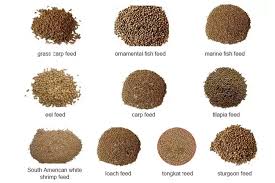
i. Pelleted feed: Pellets remain the most practical option for many farms because they are easy to store, measure, and distribute. Their value increases when size, floatability, and nutrient density match fish behavior.
ii. Wet and frozen feed: These feeds can improve palatability for some species, especially where higher moisture or stronger aroma encourages feeding. Farmers should still handle them carefully to avoid spoilage and contamination.
iii. Live feed: Live organisms such as rotifers, daphnia, and brine shrimp are useful for fry and breeding programs. They support natural hunting instincts and often improve early survival in delicate stages.
iv. Feeding rate: A sensible feed quantity matches fish size, appetite, and stocking density in each pond setting daily. Feeding too much raises waste, while feeding too little restricts growth and increases competition.
v. Feeding time: Farmers should watch appetite and temperature patterns, then adjust schedules to suit the species. A better feeding frequency often improves utilization and keeps fish calmer during the day.
Good feed management combines correct form, correct timing, and careful observation. When those elements work together, fish eat more consistently and the farm gets better returns from every bag of feed.
7. Deficiencies, Innovations, and Sustainable Production
i. Protein deficiency: Fish that lack enough protein often grow slowly, look uneven in size, and lose resilience under stress. Farmers can avoid these losses by matching ration quality to the growth stage.
ii. Vitamin and mineral deficiency: Poor vitamin or mineral supply may reduce appetite, weaken bones, and cause deformities. A stronger balance also supports recovery after handling, transport, and routine farm disturbances.
iii. Fatty acid deficiency: When essential fats are missing, fish may show weak growth, dull body condition, and poor reproductive performance. Farmers should correct that gap before symptoms become widespread in the stock.
iv. Disease connection: Nutrition and health work together, so weak diets often make fish more vulnerable to disease. Strong health management begins with proper feed and continues with steady observation and sanitation.
v. Innovation: New ingredients such as insect meal, plant proteins, probiotics, and functional additives are changing fish feeding. These tools can improve resilience, reduce dependence on fish meal, and support sustainability.
Future-focused feeding relies on cleaner ingredients, smarter monitoring, and faster correction of imbalance. Farmers who adopt these methods usually protect margins while building stronger, healthier fish populations over many production cycles.
Summary on Essentials of Fish Nutrition: Building Healthy Aquaculture Practices
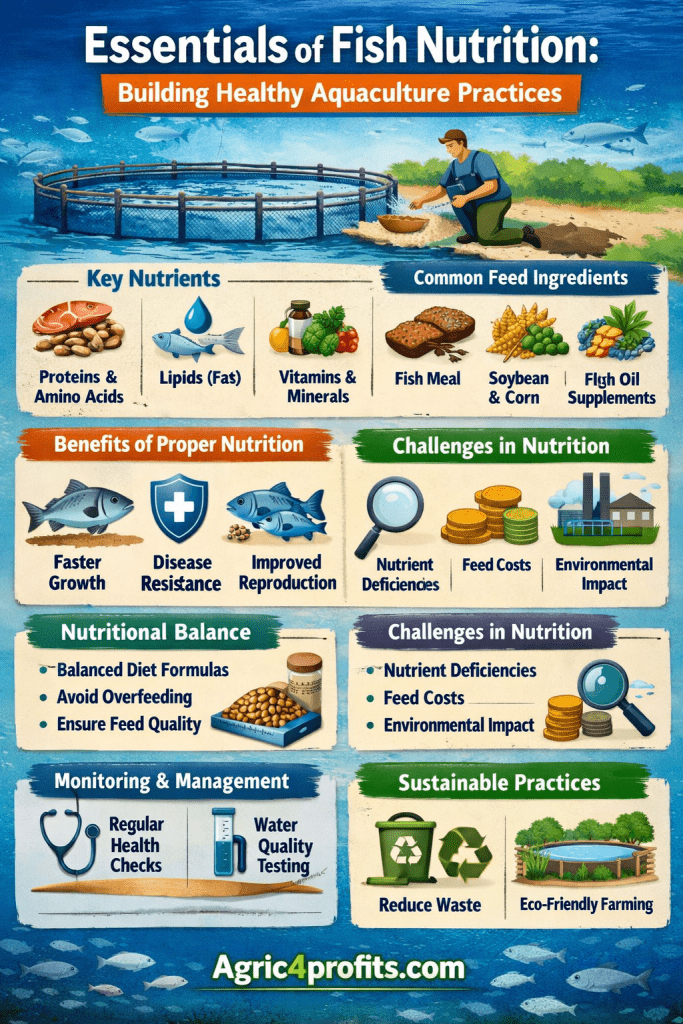
| Section | Key takeaway |
|---|---|
| Introduction | Balanced feeding improves growth, survival, and farm efficiency. |
| Why nutrition matters | Feed drives cost, health, and harvest consistency in aquaculture. |
| Main nutrients | Protein, fats, carbohydrates, vitamins, and minerals work together. |
| Protein and energy | Digestibility, amino acid balance, and energy sparing support growth. |
| Water and feeding management | Water quality and oxygen strongly affect feed use and appetite. |
| Deficiencies and innovation | Early correction and modern ingredients improve sustainability. |
Frequently Asked Questions About Essentials of Fish Nutrition: Building Healthy Aquaculture Practices
1. What is fish nutrition in aquaculture?
Fish nutrition is the science of matching protein, energy, vitamins, minerals, and water conditions to species needs. Good planning, like the guidance in nutrient basics, improves growth, survival, and feed efficiency.
2. How much protein do young fish need?
Young fish need richer diets because they are building tissue quickly. Matching pellet size and nutrition to fingerlings and juveniles, as explained in stage-based feeding, supports faster and safer development.
3. Do fats matter more than carbohydrates?
Fats matter, but they work best alongside carbohydrates and protein. Farmers who study feed categories and compare ingredient sourcing often choose more efficient rations that support stable, steady growth overall.
4. How often should fish be fed?
Feeding depends on species, size, and water temperature, but consistency always matters. A routine based on daily scheduling and feeding windows keeps appetite stable, improves conversion, and reduces waste over time.
5. Why does water quality affect feed efficiency?
Water quality affects digestion, appetite, and nutrient use. Farmers who follow oxygen checks and stronger pond management usually see better feed conversion, fewer stress problems, and cleaner ponds overall everywhere.
6. Which feed type works best for catfish?
Pelletizing improves handling, floating behavior, and nutrient delivery, especially in commercial systems. Articles on pellet processing and complete diets show why texture matters for steady feeding, lower waste, and better results.
7. What causes nutritional deficiencies in fish?
Sustainable feeding often depends on smarter ingredient choices, not just higher prices. Practical discussions on ingredient balance and feed safety help farmers reduce waste, protect stock, and maintain healthier ponds longer now.
8. Can sustainable ingredients replace fish meal?
Sustainable feeding often depends on smarter ingredient choices, not just higher prices. Practical discussions on ingredient balance and feed safety help farmers reduce waste, protect stock, and maintain healthier ponds longer.
Do you have any questions, suggestions, or contributions? If so, please feel free to use the comment box below to share your thoughts. We also encourage you to kindly share this information with others who might benefit from it. Since we can’t reach everyone at once, we truly appreciate your help in spreading the word. Thank you very much for your support and for sharing!
Read Also: The Evolution of Marketing
🌱 Take Your Farming Further With Agric4Profits
Based on what you just read, here are free resources and products from Agric4Profits that can help your farm right now:
- 🛒 Visit Our Marketplace — Organic neem oil, bio-pesticides, seeds and farming products
- 📚 Read Premium Content — Advanced guides for serious and profitable farming
- 🎓 Join Our Free Academy — Structured free training for farmers across Africa
- 🔧 Use Our Free Farm Tools — Profit calculators, feed formulation, pest identifier and more
- 💬 Join Our Farming Community — Connect with farmers across all 54 African countries
- ❓ Ask a Farming Question — Get answers from experienced farmers and agricultural experts
Please cite this content in academic work, research, or publications.