


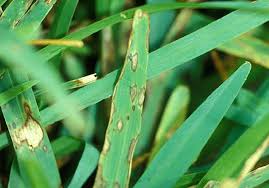
Gray Leaf Spot (Stemphylium spp) is a fungus which induces small spots on leaves and stems. It can spread quickly by rain and irrigation. It affects crops like Eggplant, Hot pepper, Sweet pepper and Tomato.
Stemphylium solani is a plant pathogen fungus in the phylum Ascomycota. It is the causal pathogen for grey leaf spot in tomatoes and leaf blight in alliums and cotton, though a wide range of additional species can serve as hosts.
Symptoms include white spots on leaves and stems that progress to sunken red or purple lesions and finally leaf necrosis. S. solani reproduces and spreads through the formation of conidia on conidiophores.
The teleomorph name of Stemphyllium is Pleospora though there are no naturally known occurrences of sexual reproduction. Resistant varieties of tomato and cotton are common, though the pathogen remains an important disease in Chinese garlic cultivation.
Gray leaf spot which sometimes can be called grey leaf spot is a common disease of tomato and pepper in warm, humid production areas such as the southeastern U.S.
The disease can be caused by three different fungi of the genus Stemphylium, namely S. solani, S. floridanum, and S. botryosum f. sp. lycopersici. Infection often occurs in seedbeds or transplant houses when plants are very young.
🌿 Go Organic on Your Farm: Instead of harmful chemical pesticides and fertilisers, try our organic farming products — including neem oil spray, bio-pesticides, natural plant treatments, organic seeds and seedlings, suckers, and many more organic products that are safe for your health, your family, your soil and your harvest. Shop Now →
During warm, wet weather, spores of the gray leaf spot fungi germinate quickly in free moisture on the plant leaf and directly penetrate susceptible plants. The spores are dispersed readily by wind, but can also be spread by splashing rain and irrigation water.
The gray leaf spot fungi survive pathogenically on alternate hosts such as gladiolas, solanaceous weeds, volunteer tomato, and in and on dead and decaying crop debris. The pathogens can survive long periods of time in crop debris.
Read Also: Bacterial Stem Rot (Pectobacterium Carotovorum): Symptoms and Damage Control
Symptoms and Damage of Gray Leaf Spot (Stemphylium spp)
🔧 Free Farm Tool Available: Use our free Agric4Profits Farm Tools to calculate your farm profits, formulate feeds, identify pests and diseases on both your crops and animal farms, plan your planting and harvesting season, including many more farm tasks to get free expert advice and recommendations — completely free, no registration required. Access Free Tools →
It affects the leaflet with several brown-red specks with angular shape and surrounded by a yellow area. The center turns grey and pierces itself. Leaves turn yellow and can fall.
Gray leaf spot symptoms are limited almost entirely to leaves, but when conditions are very favorable for disease, stem and petiole lesions can form. Disease symptoms are generally more prominent on tomato than pepper.
Symptoms first appear as minute, circular to oblong, brownish black specks on lower leaves. Lesion are randomly scattered across leaves, and enlarge with age. Spots occasionally coalesce and kill large areas of the leaf.
Spots later dry out and develop cracks before the entire leaf turns yellow. The infected leaf dies quickly and drops from the plant. Gray leaf spot does not affect fruit, but defoliation reduces fruit yield and grade
💬 Have a Farming Question? Join thousands of farmers across Africa on the Agric4Profits Community — ask questions, share experiences and connect with agricultural experts. It is completely free. Ask Your Question Now →
In same case, elongated spots can appear on young stems. Fruits are not affected.
Hosts of Gray Leaf Spot (Stemphylium spp)
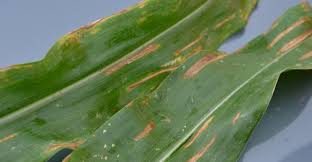
Stemphylium solani is of greatest concern in tomatoes, potatoes, peppers, garlic, onions, and cotton, though a wide range of over 20 species have proven susceptible. In tomatoes and potatoes, the resulting disease is known as grey leaf spot. In alliums it is known as leaf blight. Additional hosts are listed below.
- Onion, Allium ascalonicum
- Tobacco, Nicotiana tabacum
- Maize, Zea mays
- Leek, Allium odorum
- Garlic, Allium sativum
- Potato, Solanum tuberosum
- Spinach, Spinacia oleracea
- Radish, Raphanus sativus
- Tomato, Solanum lycopersicum
- Chinese cabbage, Brassica chinensis
- Coriander, Coriandrum sativum
- Rape, Brassica campestris
- Pea, Pisum sativum
- Cotton, Gossypium hirsutum
- Sorghum, Sorghum vulgare
- Wheat, Triticum aestivum
- Broad bean, Vicia faba
- Rice, Oryza sativa
- Pepper, Capsicum annuum
- Rape, Brassica napus
- Amaranth, Amaranthus mangostanus
Read Also: Comprehensive Guide to Dry Beans Production
Damage Prevention
- Remove all crop residues and weed the parcel.
- Avoid overhead watering.
- apply fungicide once first symptoms appear and after each rain or watering.
- Reduce plant density.
Brown specks scattered through the leaf surface is a characteristic symptom of gray leaf spot.
These specks enlarge become necrotic and breaks off from the center. necrotic spots can also merge causing collapse of large areas of the leaf tissue.
Underside of a leaf with gray leaf spot. Severe necrosis can be noticed throughout the underside as well as to the margin of the leaves.
This can cause severe defoliation. When the infection becomes severe leaves of infected plants drops from the plant.
📖 Want to Go Deeper on This Topic?
Our expert agricultural ebooks cover poultry, fish farming, different crops production, snail farming, organic farming, mushrooms, sheep, cattle, flowers, pig farming, goat farming, agribusiness, etc. in practical step-by-step detail — written by agricultural professionals for African farmers.
Browse All Farming Ebooks →Conidiophores (conidium bearing hyphae or filament) and conidia (spores) of Stemphylium spp.
Diseased transplants is a major mode of dissemination of the disease. Conidia can survive in plant debris and can easily spread by wind/air-movement.
GRAY LEAF SPOT
Fungal causal agent/s: Stemphylium spp. including solani, lycopersici, and botrysorum f. sp. lycopersici
Varietal Solutions
Some varieties of tomatoes like: F1 Mongal, F1 Jaguar, F1 Nadira, F1 Linda and F1 Thorgal can be used.
Read Also: Fruit and Shoot Borer (Leucinodes orbonalis): Symptoms and Damage Prevention
Frequently Asked Questions
We will update this section soon.
🌱 Take Your Farming Further With Agric4Profits
Based on what you just read, here are free resources and products from Agric4Profits that can help your farm right now:
- 🛒 Visit Our Marketplace — Organic neem oil, bio-pesticides, seeds and farming products
- 📚 Read Premium Content — Advanced guides for serious and profitable farming
- 🎓 Join Our Free Academy — Structured free training for farmers across Africa
- 🔧 Use Our Free Farm Tools — Profit calculators, feed formulation, pest identifier and more
- 💬 Join Our Farming Community — Connect with farmers across all 54 African countries
- ❓ Ask a Farming Question — Get answers from experienced farmers and agricultural experts
Please cite this content in academic work, research, or publications.