


Public Group
Active 1 year, 3 months ago
Group Type By Animal
Group Leadership
- Group Administrators
-

Pigs (Sus scrofa domesticus) Farmers Community
Tips for Small-Scale Pig Breeding
- This topic is empty.
- AuthorPosts
- July 15, 2026 at 11:53 am #786152
 Agric4ProfitsModerator
Pig breeding offers small-scale farmers one of the most efficient paths to steady farm income, thanks to pigs’ large litter sizes, relatively short gestation period, and strong feed conversion efficiency compared to many other livestock species. However, successful breeding requires more than simply housing a boar and a sow together.
Farmers new to pig breeding often underestimate the importance of proper stock selection, breeding timing, and sow care throughout pregnancy and farrowing. Small mistakes in these areas can lead to smaller litters, higher piglet mortality, and slower turnover between breeding cycles.
This article covers the essential practices that small-scale pig breeders need to know, from selecting the right breeding stock to managing the critical farrowing period, giving you a solid foundation for building a productive and profitable breeding operation.
With the right approach, even a modest small-scale operation with just a few sows can generate consistent, reliable income through regular, healthy litters.
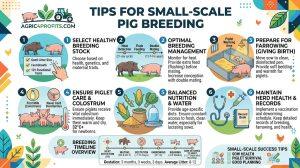
1. Select Quality Breeding Stock
Successful breeding starts with selecting healthy, well conformed sows and boars from proven, disease-free lines. Look for sows with a good number of functional teats, a calm temperament, and a history of healthy litters if buying from an established source.
Boars should demonstrate strong libido, sound leg structure to support mounting, and no signs of hereditary defects. Avoiding closely related animals for breeding pairs helps prevent inbreeding depression, which can reduce litter size and piglet vigor over successive generations.
2. Understand the Breeding and Gestation Cycle
Sows typically reach breeding maturity around seven to eight months of age, once they have reached adequate body weight and size. Gestation lasts approximately one hundred and fourteen days, commonly remembered as three months, three weeks, and three days.
Recognizing the signs of heat, including restlessness, vulva swelling, and standing reflex when pressure is applied to the back, allows farmers to time mating correctly for optimal conception rates, ideally introducing the boar within twelve to twenty-four hours of heat onset.
Read Also: Farm Profit Calculator for Pig Farming in Liberia
3. Provide Proper Nutrition During Pregnancy
Pregnant sows need a carefully balanced diet that avoids both underfeeding, which reduces piglet birth weight, and overfeeding, which can cause complications during farrowing and reduce feed efficiency. Nutrient needs increase notably during the final third of gestation.
Adequate mineral and vitamin supplementation, particularly calcium and phosphorus, supports proper fetal skeletal development and helps maintain sow condition through the demands of pregnancy and the lactation period that follows.
4. Prepare Properly for Farrowing
As farrowing approaches, typically signaled by nesting behavior, udder development, and restlessness, sows should be moved to a clean, quiet farrowing area with adequate space and protection to prevent piglets from being accidentally crushed.
Having clean towels, a heat source for newborn piglets, and basic supplies on hand before farrowing begins allows for quick intervention if a piglet needs assistance, significantly improving survival rates during this vulnerable period.
5. Manage Piglet Care in the First Weeks
Piglets must nurse colostrum within the first few hours of life to receive essential antibodies, and ensuring each piglet has consistent access to a functional teat, especially in larger litters, is critical for even growth and survival.
Providing supplemental heat for the first one to two weeks, since piglets cannot regulate their own body temperature well initially, along with iron supplementation to prevent anemia, are two of the most impactful early interventions a breeder can make.
6. Plan Breeding Cycles for Consistent Income
Staggering breeding across multiple sows, rather than breeding all sows simultaneously, creates a more consistent flow of piglets and income throughout the year, and reduces the labor and facility strain of managing multiple litters at once.
Keeping detailed records of breeding dates, litter sizes, and piglet performance allows farmers to identify their best performing sows and boars over time, informing which animals to keep in the breeding program and which to replace.
Key Breeding Milestones
Stage Timing Key Action Sow maturity 7 to 8 months Confirm adequate weight before breeding Heat detection Every 18 to 24 days if not bred Watch for standing reflex Gestation period Approximately 114 days Increase nutrition in final third Farrowing preparation 1 week before due date Move to clean farrowing area Piglet colostrum feeding First few hours of life Ensure access to functional teat Frequently Asked Questions
1. How long is the gestation period for pigs?
Pig gestation lasts approximately one hundred and fourteen days, commonly remembered using the rule of three months, three weeks, and three days.
2. At what age can a sow be bred for the first time?
Most sows reach suitable breeding maturity around seven to eight months of age, provided they have reached adequate body weight and development.
3. How can a farmer tell when a sow is in heat?
Signs include restlessness, vulva swelling and reddening, and a standing reflex where the sow remains still when pressure is applied to her back.
4. How many piglets can a sow typically produce per litter?
Litter sizes vary by breed and management, but many sows produce between eight and twelve piglets per litter under good management conditions.
5. Why is colostrum so important for newborn piglets?
Colostrum provides essential antibodies that piglets cannot produce themselves in early life, making early nursing critical for their immune protection and survival.
6. How often can a sow be bred in a year?
With good management, a sow can typically produce around two litters per year, accounting for gestation, lactation, and a brief recovery period between cycles.
Small-scale pig breeding can become a reliable, steady income stream when built on a foundation of good stock selection, proper nutrition, and attentive farrowing and piglet care. Consistency in these fundamentals matters more than scale. What has been your biggest challenge in pig breeding so far? Share your questions and experience with the Agric4Profits farming community.
Read Also: convert tire wastes into construction materials
- AuthorPosts

- You must be logged in to reply to this topic.