


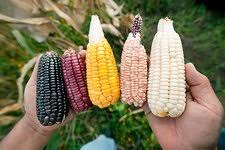
Genetic erosion is the process in which a plant or animal species faces a gradual or drastic reduction or complete loss of its unique gene pool. A gene pool represents the complete set of unique alleles that occur in the genetic material of all members of a particular species.
When members of a specific population are removed without replacement, the gene pool becomes distorted. This manner of loss can often be attributed to technological advancements aimed at improving bio-varieties, as the original resources are eliminated.
A comprehensive survey of the wildlife situation in Nigeria in 1962 showed a drastic reduction in wildlife numbers compared to neighboring countries, a trend attributed to excessive hunting. This led to recommendations preventing the hunting or capture of species threatened with extinction.
The recommendations also included placing strict limits on hunting species with low or reduced numbers, a ban on night hunting, and the establishment of closed hunting seasons. A substantial loss of species diversity (both intra- and inter-specific) is due to habitat destruction resulting from land clearance for various uses.
Forest exploitation and vegetation clearance are major causes of natural gene-pool loss, as seen in species such as Irvingia gabonensis and I. wombulu in the Nigerian rainforest and Niger Delta.
Most species that were originally diverse in Nigeria are becoming rare. It is obvious that Nigeria’s plant diversity is being seriously eroded due to a multiplicity of environmental, political, and socio-economic factors.
These conditions are also reported in other African countries, even those that are signatories to the Convention on Biological Diversity (CBD) of the United Nations Environment Programme (UNEP, 1994) and the Global Plan of Action (GPA) on plant genetic resources of the Food and Agricultural Organization (FAO, 1998).
These sources identify a singular cause of genetic erosion in crops: the replacement of local varieties with improved or exotic varieties, a situation driven by the ever-increasing human population, greater competition for natural resources, and some interplay of natural factors.
Read Also: 5 Amazing Health Benefits of Triphala (Three fruits)
Causes of Genetic Erosion

Genetic diversity is a dynamic entity that changes over time. Generally, many issues contribute to genetic erosion, and depending on location, there could be differences of various magnitudes which are crucial. The causes of genetic erosion include natural selection, dependence on improved varieties of crops, poor management practices, high mortality rates, and habitat loss.
1. Natural Selection: Natural selection removes some genetic diversity (at least at the population, if not species, level). A rapid loss or losses that are not associated with natural processes, such as natural selection, can cause problems in conservation or restoration efforts.
In addition to habitat loss and fragmentation, other less obvious influences can also cause genetic erosion. For example, where there are no outbreeders, mating among relatives (inbreeding) is more likely in smaller populations, leading to cumulative losses of genetic diversity over time.
2. Dependence on Improved Varieties of Crops: The use of only improved varieties of crops and the neglect of local varieties and land races lead to loss of biodiversity. A notable example is the replacement of the native tall okra (A. caillei), sensitive to day-length, with improved okra (Abelmoscus esculentus).
Local varieties of crops, including sword bean (Canavalia ensiformis), African yam bean (Sphenostylis stenocarpa), and Lima beans (Phasceolus lunatus), are now becoming extremely rare, as improved cowpea (Vigna unguiculata) is more commonly cultivated.
Similarly, species like Dioscorea dumetorum, Dioscorea bulbifera, Trichosanthis (snake tomato), and Digitaria exilis (hungry rice – ‘acha’) are no longer in popular cultivation, being replaced by commercially improved varieties, causing a loss of important gene resources.
3. Poor Management Practices: Grazing pressure, fire, and excessive use of systemic herbicides also contribute to biodiversity loss. Fire, in particular, destroys large areas of forest ecosystems annually, eliminating sensitive species such as Afromosia laxiflora, Ceiba pentandra, Entada abyssinica, and Hildegardia barteri.
While fire is a natural phenomenon in savannas, it is steadily encroaching into rainforests. Indiscriminate hunting of wildlife for food, bush burning, and illegal livestock grazing in game reserves further deplete biodiversity.
4. High Mortality Rates: High mortality rates among species lead to the elimination of distinct organisms, thereby reducing biodiversity. During periods of natural disasters such as floods, droughts, and fires, large-scale destruction of species causes genetic erosion as organisms are wiped out.
5. Habitat Loss: Habitat loss due to urbanization, driven by population growth, destroys the homes of plants and animals. When habitats are removed (such as in land conversion) without subsequent regeneration from seed banks or previously collected seeds, genetic diversity can be immediately lost.
Even if genetic diversity is not immediately lost, it is often reduced gradually in smaller resulting populations. The loss of genetic diversity in this manner can weaken an entire species and lead to eventual extinction. The disappearance of certain species can have an unfavorable impact on other species that depend on them for survival, ultimately affecting the environment as a whole.
Read Also: How Guava Fruits and Leaves Improve Female Fertility
Genetic Erosion in Animal Species

- Members of endangered species may not meet and breed due to habitat loss, habitat fragmentation, or geographical distance.
- Individuals may die without reproducing.
- Inbreeding may occur in restricted populations, leading to physical defects that weaken the species and reduce genetic diversity.
Genetic Erosion in Plant Species

- Habitat loss contributes to genetic erosion.
- Overgrazing, land clearing, chemical dumping, and overzealous construction lead to biodiversity loss.
- Replacing local plant varieties with non-native or genetically modified (GM) plants also leads to genetic erosion.
- Modern agriculture, focusing on a limited number of commercial crops, reduces the diversity of traditional crop varieties.
Biodiversity loss is one of the world’s most pressing crises, threatening sustainable development and quality of life. In Nigeria, genetic diversity in both domestic and wild populations is being lost due to population pressure and intensified human activities.
The loss of natural habitat and movement restrictions imposed by human development are contributing to the erosion of genetic diversity. The spread of high-yielding crop varieties characterized by narrow genetic bases has displaced traditional species with broader genetic diversity. These trends highlight the need for greater awareness of the threats facing Nigeria’s indigenous plant and animal species.
Do you have any questions, suggestions, or contributions? If so, please feel free to use the comment box below to share your thoughts. We also encourage you to kindly share this information with others who might benefit from it. Since we can’t reach everyone at once, we truly appreciate your help in spreading the word. Thank you so much for your support and for sharing!
Read Also: The Effect of Solid Waste on Business Environments
Frequently Asked Questions
We will update this section soon.