


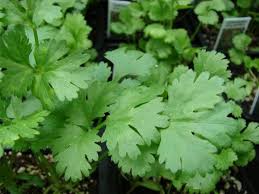
Coriander (Coriandrum sativum L.), which belongs to the Apiaceae plant family, is widely used around the world. It is frequently used raw or dried in cooking, and its leaves, stems, and seeds have a distinguishable and strong aroma.
Some individuals could feel uncomfortable eating cilantro leaves and think they taste like soap. The leaves and stalks are also known as cilantro or Chinese parsley in America.
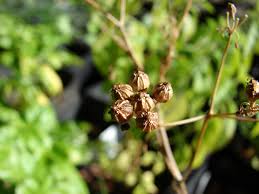
The plant’s small, rounded, brown coriander seeds, on the other hand, are pounded into a powder and used to flavor sauces and curries. Additionally, the whole seeds may be roasted, mashed, and used as marinades and rubs for meat.
Coriander has very sometimes been linked to risks. It is vital to observe its allergic response to the skin, though, as with practically any food. Some patients report that consuming too much coriander makes them more sensitive to sunlight and prone to sunburn, which is an unusual side effect.
So long as the further conclusive study is not done, pregnant women may need to avoid coriander. When adding coriander to your diet, it is best to be cautious. Consult a doctor first, and pay attention to how your body reacts.
11 Health Benefits of Coriander Seeds (Coriandrum Sativum L.)
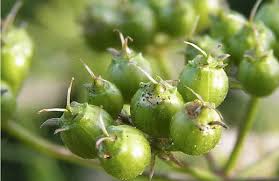
A good supply of fiber, calcium, magnesium, manganese, and iron may be found in cilantro or coriander leaves. It contains six different types of acids, including ascorbic acid or vitamin C, and eleven essential oil components, each of which has a number of advantageous qualities.
Like cilantro leaves, coriander seeds can be high in phytonutrients and have a similar nutritional profile.
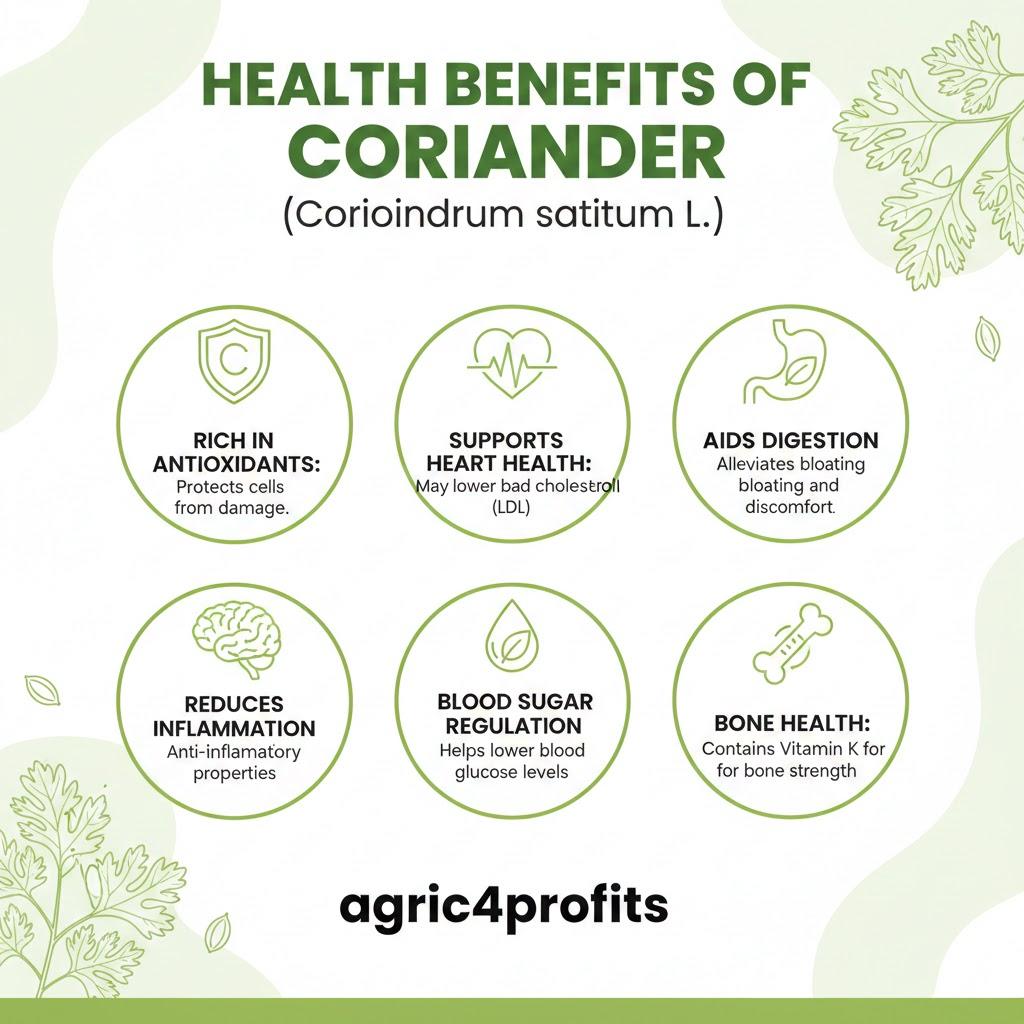
1. Reduces Skin Inflammation
Coriander contains linoleic acid as well as cineole, one of the eleven contents found in essential oils. They have rheumatoid and arthritic-fighting characteristics, which may help lessen the swelling brought on by these two diseases.
Researchers have also mentioned the anti-inflammatory qualities of coriander oil in a research study that was published some years back.
2. Lowers LDL Cholesterol
Similar to palmitic, stearic, linoleic, oleic and vitamin C. These substances may be particularly successful at lowering blood cholesterol levels.
They can also aid in reducing the amount of harmful LDL cholesterol deposited in the arteries and veins.
Cardiovascular conditions such as heart attacks, atherosclerosis, and strokes are introduced by high LDL cholesterol.
The herb may also increase levels of “good” or HDL cholesterol, which acts as the first line of protection against some dangerous conditions. This is more significant than anything else.
3. For Diarrhea
Components like borneol and linalool, which are present in the essential oils of coriander, may help with digestion, liver health, and bowel bonding.
It can also be beneficial in treating diarrhea brought on by microbial and fungal activity because it contains ingredients like cineole, borneol, and limonene which have antibacterial effects.
Additionally, the plant is becoming more and more well-liked as a self-care remedy for treating stomach issues and preventing nausea and vomiting.
4. Regulates Blood Pressure
It might even assist in lowering blood pressure. With the aid of a neurotransmitter in the peripheral and central nervous system, it helps increase the interaction of calcium ions with acetylcholine, lowering blood vessel tension and lowering the risk of multiple cardiovascular disorders, including heart attacks and strokes.
Read Also: 6 Health Benefits of Cardamom (E. cardamomum)
5. Protection Against Salmonella
The most hazardous germ to spread through food is salmonella. Therefore, it is crucial to use any natural defenses you have against it.
Duodenal, a naturally occurring chemical that is twice as effective as the main antibiotic for salmonella-based illnesses, may be present in coriander at extremely high levels.
6. Bone Health
The plant is an excellent source of calcium and may be quite beneficial for people that keep their bones strong.
It contains calcium and other vital elements that may aid in important aspects of bone regeneration and durability as well as osteoporosis prevention.
Even a modest bit of this herb in your diet can help you maintain strong, healthy bones for many years to come.
7. Aids Digestion
It may aid in the appropriate release of catalysts and gastric enzymes in the stomach because of the high quantity of essential oils in it, which in turn encourages peristaltic action and digestion. It could also be beneficial in lessening anorexia’s symptoms.
The leaves and seeds on a regular basis in the diet can lessen symptoms of indigestion. Low concentrations of the foliage or seeds within their diet may immediately resolve the condition for young children, who are more likely than adults to experience abdominal colic.
8. May Aid Eye Care
Antioxidants and minerals in coriander make it a great food for preventing macular degeneration, visual problems, and eye strain.
The leaves also contain beta-carotene, which may aid in the prevention of several other eye illnesses and even reverse the consequences of eyesight loss in elderly patients.
It is an excellent disinfectant and possesses antibacterial qualities that could offer protection against infectious disorders like conjunctivitis. Additionally, many eye care products may be prepared with coriander oil.
9. Brain Health
The anti-inflammatory qualities of coriander can protect against Parkinson’s and Alzheimer’s disease, which are linked to inflammation. According to laboratory research, coriander extract helps regulate anxiety, enhance memory, and prevent harm to nerve cells.
Coriander’s antioxidative, cholesterol-lowering, and anti-inflammatory properties reduce the amount of oxidative stress that neurons are exposed to, resulting in a longer lifetime and improved memory.
Alzheimer’s patients health is being improved by testing this cognitive effect on memory and the nervous system.
10. Boosts Immunity
It contains anti-inflammatory and antioxidant chemicals that stop cellular damage brought on by free radicals.
According to studies, substances like terpinene and quercetin may have anticancer, immune-boosting, and neuroprotective properties.
Studies are confirming the role of coriander seed extract in reducing breast, prostate, and lung cancer cell development as well as inflammation.
11. Improves Kidney Health
Due to their ability to increase kidney filtration rate and speed up the production of urine, coriander seeds are beneficial in the treatment of urinary tract infections.
It helps the body drain out toxins and germs and results in less water retention. This promotes the health of the urinary system.
Read Also: 8 Health Benefits of Cinnamon (Cinnamomum verum)
Nutritional value of Coriander
1. Calories: Coriander seeds provide about 298-345 calories per 100 grams, mainly from carbohydrates, while fresh leaves are much lower at around 23-30 calories per 100 grams.
This low-calorie profile for leaves makes them ideal for adding flavor and nutrients to dishes without significantly increasing energy intake, whereas seeds offer more concentrated energy in small spice amounts.
2. Carbohydrates: Seeds contain approximately 55 grams per 100 grams (with net carbs around 13 grams after fiber subtraction); leaves have about 3-4 grams.
These carbs, combined with high fiber in seeds, support steady energy release and digestive regularity.
3. Protein: Seeds offer around 12-15 grams per 100 grams; leaves provide about 2 grams.
Seeds contribute plant-based protein for muscle support and satiety in modest culinary uses.
4. Fat: Seeds have about 17-18 grams per 100 grams, mostly healthy unsaturated fats; leaves are very low at under 1 gram.
The fats in seeds aid absorption of fat-soluble vitamins and provide essential fatty acids.
5. Dietary Fiber: Seeds are rich with 41-42 grams per 100 grams; leaves offer around 2-3 grams.
High fiber promotes gut health, cholesterol control, and fullness for weight management.
6. Iron: Seeds deliver about 16 mg per 100 grams (over 200% DV); leaves have moderate amounts.
This supports red blood cell formation and combats anemia, particularly in plant-based diets.
7. Calcium: Seeds contain around 709 mg per 100 grams (over 70% DV); leaves provide some as well.
It strengthens bones and supports muscle and nerve function.
8. Potassium: Seeds have about 1267 mg per 100 grams; leaves around 256-500 mg.
Potassium aids blood pressure regulation, fluid balance, and heart health.
9. Vitamin C: Fresh leaves are a good source (up to 27 mg per 100 grams or more); seeds have trace amounts.
Vitamin C boosts immunity, acts as an antioxidant, and supports collagen synthesis.
10. Vitamin K and Antioxidants: Leaves are high in vitamin K (for blood clotting and bone health); both parts contain polyphenols, flavonoids (quercetin, kaempferol), and linalool for strong antioxidant effects.
These compounds combat oxidative stress and inflammation beyond basic nutrition.
Scientific Evidence and Case Studies on Coriander
1. Antioxidant and anti-inflammatory effects: Prachayasittikul et al. (2018) reviewed coriander as a promising functional food, highlighting strong antioxidant activity from polyphenols and linalool, with benefits against oxidative stress and inflammation.
2. Cardiovascular benefits: Hamedi et al. (2022) summarized ethnopharmacology and phytochemistry, noting pronounced antioxidant effects from polyphenols, vitamins, and sterols that support heart health, reduce oxidative stress linked to atherosclerosis.
3. Anti-obesity and metabolic syndrome: Frydrych et al. (2023) focused on polyphenols in coriander, showing potential against obesity, metabolic syndrome, and diabetes through antioxidant and anti-inflammatory mechanisms.
4. Neuroprotective and anxiolytic effects: Khadse et al. (2021) reviewed linalool and other constituents for neuroprotective, anxiolytic, anticonvulsant, and analgesic properties.
5. Antidiabetic and hypolipidemic effects: Multiple studies (e.g., in reviews by Laribi et al. 2015) demonstrate hypoglycemic, hypolipidemic effects, improving insulin sensitivity and lipid profiles.
6. Antimicrobial properties: Research confirms antibacterial, antifungal, and antimicrobial activities from essential oils and extracts against various pathogens.
7. Anti-allergic and skin protection: Studies show inhibition of histamine release, anti-allergic effects, and protection against UVB-induced photoaging via regulation of procollagen and MMP-1.
Summary of Coriander
| Aspect | Key Points |
|---|---|
| Primary Components | Linalool (main in essential oil), flavonoids (quercetin, kaempferol), polyphenols (caffeic acid, chlorogenic acid), vitamins (K, C, A), minerals (iron, calcium, potassium, magnesium), dietary fiber |
| Main Health Benefits | Digestive aid (indigestion, bloating), anti-inflammatory, antioxidant protection, blood sugar/cholesterol management, anxiety/stress reduction, immune support, skin health, potential neuroprotective and antimicrobial effects |
| Nutritional Profile | Seeds: ~298-345 kcal/100g, high fiber (41g), protein (12g), iron (204% DV), calcium (71% DV); Leaves: low calorie (~23/100g), rich vitamin C/K, moderate potassium |
| Common Uses | Leaves (cilantro) fresh in salads/garnish; seeds whole/ground as spice, in teas for digestion/relaxation, essential oil in aromatherapy/topical, supplements, culinary seasoning |
| Scientific Backing | Strong from reviews and studies for antioxidant/anti-inflammatory, cardiovascular, metabolic benefits; promising for neuroprotective, antidiabetic, antimicrobial; mostly in vitro/animal with some human support; traditional use extensive |
| Considerations | Safe in food amounts; possible allergies, GI upset in excess, skin sensitivity (topical), drug interactions (blood sugar/clotting), caution in pregnancy/high doses; consult for therapeutic use |
Frequently Asked Questions About Coriander
1. What is coriander (Coriandrum sativum)?
Coriander is an annual herb in the Apiaceae family, with fresh leaves called cilantro and dried seeds used as a spice, known for citrusy/aromatic flavor.
2. How does coriander help digestion?
It acts as a carminative, relieving indigestion, bloating, gas, and cramps through essential oils and fiber that promote gut motility.
3. Can coriander lower blood sugar?
Studies suggest it regulates blood sugar and improves insulin sensitivity, beneficial for diabetes management via hypoglycemic compounds.
4. Is coriander good for heart health?
Yes, its antioxidants, polyphenols, and minerals may lower cholesterol, reduce oxidative stress, and support cardiovascular function.
5. Does coriander reduce anxiety or improve sleep?
Linalool and other compounds have calming, anxiolytic effects, with some evidence for reducing stress and aiding relaxation.
6. What are the main nutrients in coriander?
Seeds are rich in fiber, iron, calcium, potassium; leaves provide vitamin C, K, and antioxidants—both offer polyphenols and essential oils.
7. How can I use coriander for health benefits?
Add fresh leaves to meals, brew seed tea for digestion, use ground seeds in cooking, or try diluted essential oil for aromatherapy/topical use.
8. Is coriander safe during pregnancy?
Culinary amounts are generally safe, but high doses or supplements may have uterine effects—consult a doctor.
9. Can coriander help with skin health?
Its anti-inflammatory, antimicrobial, and antioxidant properties may soothe conditions and protect against UV damage when used topically or ingested.
10. Are there any side effects of coriander?
Rare, but possible allergies (rashes/breathing issues), GI discomfort in excess, skin irritation (topical), or interactions with medications; start small.
Do you have any questions, suggestions, or contributions? If so, please feel free to use the comment box below to share your thoughts. We also encourage you to kindly share this information with others who might benefit from it. Since we can’t reach everyone at once, we truly appreciate your help in spreading the word. Thank you very much for your support and for sharing!
Disclaimer: This article is for educational and informational purposes only. The health benefits described are based on scientific research and traditional knowledge. They ayre not a substitute for professional medical advice, diagnosis, or treatment. Always consult a healthcare professional before using any herb or natural remedy for medical purposes.
Read Also: How Long Does a Garbage Disposal Last?