


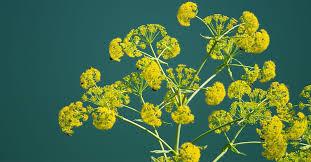
Asafoetida botanically known as Ferula asafoetida is the root of the Rhizome plant and is dried to create a gum-like substance used in cooking. Asafoetida is the dried form of latex (gum).
In India, it is more frequently referred to as hing and has an unpleasant or pungent scent. Native to Afghanistan and the Iranian countries, this plant. However, the Indian Sub-Continent heavily utilizes and cultivates it.
This herbal dried extract’s capacity to impart a silky smoothness to soups and curries was the primary justification for its promotion as an edible spice.
While it is well-known by many other intriguing names, including “food of the Gods” and a few others, these names indicate the countless health and beauty advantages it provides when consumed.
Read Also: Ferula Asafoetida – Importance and Health Benefits
When young, the asafoetida tree is a grayish-white tint, but as it ages, it turns yellow, red, and eventually brown. The resin is usually crushed between stones or with a hammer because it is difficult to grate.
Today, compounded asafoetida powder, a fine powder containing 30% asafoetida – Ferula asafoetida resin as well as rice flour and gum arabic, is the most widely accessible form.
Foods of the gods, Jowani badian, stinking gum, Devil’s dung, Hing, Heng, Ingu, Kayam, and ting are some of the other names for this spice or extract.
The inner part of the fully developed stem is considered a delicacy, but the entire plant is consumed as a fresh vegetable. The plant might reach a height of two meters (7 feet).
When it is ready to produce asafoetida after four years, the stems are cut near the base, and a milky fluid emerges that immediately hardens into a solid resinous mass.
Asafoetida or Ferula asafoetida first seems translucent and pearly white when first exposed, but it quickly darkens in the air, first turning pink and then reddish brown.

Read Also: 10 Health Benefits of Anise (Pimpinella Anisum)
10 Health Benefits of Asafoetida (Ferula asafoetida)
The following are the ten (10) amazing health benefits of Asafoetida (Ferula asafoetida)
1. Anti-aging Benefits
This herbal spice works wonders as an anti-aging treatment. It has the benefit of removing age spots, fine lines, and wrinkles from the face. Rose water, fuller’s earth, and asafoetida can be combined to create a potent anti-wrinkle face mask.
2. Skin Whitening Benefits
Dark spots, acne scars, and oiliness can all be diminished with the use of asafoetida as a whitening agent. Tyrosine synthesis in the skin is inadvertently hampered.
Tyrosine encourages the formation of melanin in human skin, which results in dullness, premature aging, and skin darkening. Tyrosine synthesis is controlled by asafoetida.
As a result, using Asafoetida face masks can help you show off clear, youthful skin that is also free of blemishes.
3. Relaxes Menstrual Pain
Most women may think their periods are a nightmare since they are so painful and they bleed so much all the time. Asafoetida has advantages by easing back and stomach pain associated with menstruation.
Due to its blood-thinning qualities, hing benefits by effectively controlling blood flow. Additionally, it controls the level of progesterone produced, which facilitates easy blood flow and pain relief and controls your menstrual cycle.
Read Also: 5 Powerful Health Benefits of Aloe Vera (Aloe Barbadensis Miller)
4. Good For Pregnant Women
Pregnant women benefit from using asafoetida in little doses or just a pinch. Contrarily, asafoetida overdose is dangerous for expectant mothers. Taking raw asafoetida can also trigger morning sickness and vomiting due to its potent flavor.
Overeating asafoetida can cause unpleasant side effects such as burping, swelling lips, gas production, throat infections, and diarrhea. Additionally, because it interferes with blood pressure regulation, asafoetida should not be used by pregnant women with excessive blood pressure.
5. For Gas Relief In Adult
After a large meal, gas buildup in the digestive tract may result in uncomfortable stomach bloating. Gas enters your digestive tract when you breathe in oxygen while eating when you eat specific foods, or when bacteria in your large intestine break down some undigested foods.
However, some magic spices can quickly relieve gastric issues. The first on that list is hing or asafoetida. Adults have long relied on hing for relief from gas because it has healing properties and enhances the flavor of many foods.
The majority of gastrointestinal issues are instantly alleviated. Hing is a good addition to foods that are challenging to digest.
The aromatic spice helps with gas, heartburn, and irritable bowel syndrome because of its anti-flatulent and anti-inflammatory qualities. If you have indigestion and your digestive system is bothering you, try eating some hing.
6. Good For Weight Loss
Hing is consumed in several ways to help you lose weight. Hing is anti-inflammatory, speeds up metabolism, aids digestion, and controls blood sugar levels.
Better digestion and immediate weight loss are aided by an increase in metabolic rate. Additionally, consuming hing regularly can help protect your body from free radicals because of its high antioxidant content.
7. Great Skin Benefits
Hing is a substance that fixes dryness. Dryness and skin damage are brought on by pollution and stress. Your skin is made soft and silky with asafoetida.
It eliminates all overt signs of skin dryness, such as pigmentation, dullness, cracking, peeling, and wrinkles.
It has anti-acne qualities that keep bacteria from sticking to the skin and producing acne. Additionally, it alters the skin’s environment so that germs cannot grow there.
A whitening agent called asafoetida improves fairness and lessens the visibility of dark spots, acne scars, and oiliness. Tyrosine synthesis in the skin is naturally constrained.
Tyrosine promotes the production of melanin in the skin, which results in early aging, darkening, and dullness. You can thus flaunt flawless, radiant, youthful skin.
8. Reliefs Headache
Hing’s anti-inflammatory and antioxidant qualities help to calm the brain’s pulsing blood vessels. Hing is also an antidepressant that eases chronic migraines and headaches brought on by stress.
9. Reliefs Respiratory Issues
Read Also: Soybean Meal: Health Benefits, Healing Powers, and Uses
Hing helps to keep germs out of the respiratory system since it has antimicrobial, antifungal, and antibacterial effects.
Asthma and a dry cough are two conditions that he can aid with. Additionally, it helps to reduce phlegm production and chest congestion.
10. Controls Blood Pressure Levels
Natural blood-thinning agent asafoetida may help lower blood pressure. It contains a lot of coumarins, a substance that helps to improve and regulate blood flow and prevent clot formation.
Nutritional value of Asafoetida (Ferula asafoetida)
1. Carbohydrates: Asafoetida contains about 68 grams of carbohydrates per 100 grams, serving as a primary source of energy and aiding in digestive processes due to its complex structure.
2. Dietary Fiber: With around 4 grams per 100 grams, the fiber in asafoetida promotes healthy digestion, helps prevent constipation, and supports gut health by feeding beneficial bacteria.
3. Protein: It provides approximately 4 grams of protein per 100 grams, contributing to tissue repair, enzyme production, and overall body maintenance, though it’s not a primary protein source.
4. Fat: Containing about 1 gram of fat per 100 grams, asafoetida offers essential fatty acids that support cell function and absorption of fat-soluble vitamins, with low saturated fat content.
5. Calcium: Asafoetida is rich in calcium at 690 milligrams per 100 grams, which strengthens bones and teeth, supports muscle function, and plays a role in blood clotting.
6. Iron: It supplies 39 milligrams of iron per 100 grams, essential for oxygen transport in the blood, preventing anemia, and supporting immune function.
7. Phosphorus: With 50 milligrams per 100 grams, phosphorus in asafoetida aids in energy production, bone health, and the formation of DNA and cell membranes.
8. Calories: Providing 297 calories per 100 grams, asafoetida offers a moderate energy value mainly from carbohydrates, making it suitable for adding flavor without excessive caloric intake.
9. Riboflavin: Asafoetida includes small amounts of riboflavin (vitamin B2), around 0.03 milligrams per 100 grams, which helps in energy metabolism and maintaining healthy skin and eyes.
10. Niacin: It contains about 0.3 milligrams of niacin (vitamin B3) per 100 grams, supporting nervous system health, digestion, and converting food into usable energy.
Scientific Evidence and Case Studies on Asafoetida (Ferula asafoetida)
1. Amalraj, A., & Gopi, S. (2016). Biological activities and medicinal properties of Asafoetida: A review. Journal of Traditional and Complementary Medicine, 7(3), 347-359: This review highlights asafoetida’s antioxidant effects in reducing oxidative stress, antimicrobial activity against bacteria like Staphylococcus aureus and fungi like Candida albicans, and anticancer properties by inhibiting tumor growth in animal models, along with neuroprotective benefits in preventing nerve damage.
2. Mahendra, P., & Bisht, S. (2012). Ferula asafoetida: Traditional uses and pharmacological activity. Pharmacognosy Reviews, 6(12), 141-146: The study demonstrates asafoetida’s gastro-protective effects against ulcers, anticancer activity in reducing tumor size in rats, antioxidant properties in inhibiting lipid peroxidation, and hypotensive effects by lowering blood pressure in animal tests.
3. Bagheri, S. M., et al. (2015). The relaxant effect of Ferula assafoetida on smooth muscles and the possible mechanisms. Journal of Herbmed Pharmacology, 4(2), 40-44: Research shows asafoetida’s antispasmodic effects, relaxing smooth muscles in the gut to alleviate digestive issues like colic and spasms in isolated tissue studies.
4. Shahrajabian, M. H., et al. (2021). Asafoetida, God’s Food, a Natural Medicine. Pharmacognosy Communications, 11(1), 36-41: This paper outlines asafoetida’s benefits in reducing bloating and stomach problems, relieving asthma symptoms, lowering blood pressure, and exhibiting antibacterial and antifungal effects in various in vitro assays.
5. Vijayasteltar, L., et al. (2017). Protective effects of Ferula asafoetida against formaldehyde-induced damage (review, but based on studies). Various journals: Studies indicate asafoetida’s hepatoprotective role in reducing liver enzyme elevations from toxins and protective effects on kidneys and testes by enhancing antioxidant defenses in rat models.
Frequently Asked Questions About Asafoetida (Ferula asafoetida)
1. What is asafoetida? Asafoetida is a dried resin from the roots of the Ferula plant, used as a spice in cooking for its strong flavor reminiscent of onions and garlic.
2. How do you use asafoetida in cooking? It’s typically added in small pinches to hot oil at the start of cooking to mellow its pungent aroma and enhance savory dishes like curries and lentils.
3. What are the health benefits of asafoetida? It aids digestion, reduces bloating, acts as an antioxidant, and may help with respiratory issues like asthma due to its anti-inflammatory properties.
4. Does asafoetida have any side effects? In large amounts, it can cause nausea or diarrhea; it’s generally safe in culinary doses but should be avoided during pregnancy.
5. Why does asafoetida smell so strong? The raw form has high sulfur compounds, giving it a pungent odor similar to rotten eggs, but cooking transforms it into a pleasant savory note.
6. Is asafoetida gluten-free? Pure asafoetida is gluten-free, but compounded versions may include wheat flour, so check labels if you have sensitivities.
7. Can asafoetida help with menstrual pain? Yes, it’s traditionally used to relieve menstrual cramps and pain due to its antispasmodic effects on smooth muscles.
8. How should asafoetida be stored? Keep it in an airtight container away from light and moisture to preserve its potency, as it can lose flavor over time.
9. Is asafoetida suitable for vegetarians? Yes, it’s plant-derived and commonly used in vegetarian and vegan diets as a substitute for onion and garlic flavors.
10. What is the difference between pure and compounded asafoetida? Pure is the resin alone, stronger and lumpier; compounded is mixed with flour or starch for easier use and milder taste.
Do you have any questions, suggestions, or contributions? If so, please feel free to use the comment box below to share your thoughts. We also encourage you to kindly share this information with others who might benefit from it. Since we can’t reach everyone at once, we truly appreciate your help in spreading the word. Thank you very much for your support and for sharing!
Disclaimer: This article is for educational and informational purposes only. The health benefits described are based on scientific research and traditional knowledge. They are not a substitute for professional medical advice, diagnosis, or treatment. Always consult a healthcare professional before using any herb or natural remedy for medical purposes.