


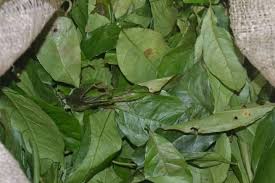
Gnetum africanum has numerous common names and is grown in various countries across Africa, including: Cameroon (Eru, okok, m’fumbua, or fumbua), Angola (KoKo), Nigeria (ukazi leaf, okazi leaf or afang), Gabon (KoKo), Central African Republic (KoKo), Congo (KoKo), and the Democratic Republic of Congo (m’fumbua or fumbua). Gnetum africanum has also been referred to as a form of ‘wild spinach’ in English.
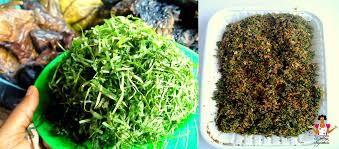
It is a green leafy vegetable used in preparing various delicacies, cusines and recipes her in Nigeria and other African countries such as Congo, Gabon, Angola, Asia and South America.
The health benefits of ukazi (afang) also known as Gnetum Africanum include the treatment of enlarged spleens, sore throats, and nausea. Ukazi also eases constipation and helps to control blood sugar levels in people with diabetes. The health benefits of ukazi are an attribute of their rich antioxidant, vitamin and mineral content.
Gnetum africanum (eru or African jointfir) is a vine gymnosperm species found natively throughout tropical Africa. Though bearing leaves, the genus Gnetum are gymnosperms, related to pine and other conifers.
Ukazi, botanically known as Gnetum africanum is a shade-loving plant that grows in dense equatorial forests. It is native to Angola, Cameroon, Central African Republic, Congo, Gabon and Nigeria. Both the seeds and leaves of this plant are edible.
Read Also: 29 Healing Powers of Bitterleaf (Vernonia Amygdalina)
Nutritional Value of Ukazi (Gnetum Africanum)
Per 100g of dry leaves, afang provides 44g of carbohydrates, 12.8g protein, 37.8g fibre, and 2.4g fat. They also provide 249mg calcium, 39mg magnesium, 121mg iron and 0.8mg of zinc.
The leaf is an excellent source of aspartic acid, fiber, cysteine, proline, vitamins, sodium, magnesium, calcium, iron, zinc, potassium, copper and so many more.
Due to its antioxidant, anti-carcinogenic properties, it can be used as a remedy for certain ailments.
Possible Health Benefits of Ukazi (Gnetum Africanum)
(1) Healthy Heart
The fibre in ukazi can reduce bad (low density lipoprotein) cholesterol levels, thereby supporting heart health. Eating fibre regularly also lowers the risk of cardiovascular disease and coronary heart disease, and helps to slow the progression of heart disease in individuals who are already affected with it.
Ukazi is a great source of quality proteins since they provide the essential amino acids we need for growth and tissue repair. Replacing meat with ukazi as a source of protein can help to reduce the amount of saturated and trans fats in the diet. This can also help to reduce the risk of cardiovascular diseases.
Ukazi is a good source of magnesium, a mineral that helps to decrease blood pressure.
(2) Improved Digestion and Weight Loss
Fibre keeps you fuller for longer and helps to reduce appetite, both of which can promote weight loss. The high fibre content of afang also prevents constipation. Ukazi leaves have a laxative effect if you eat a large amount of it.
Leaves older than 12 months have a greater laxative effect than those between 2-3 months of age.
(3) Improves Bone Health
Ukazi is a rich source of calcium especially for people who are intolerant to dairy or those who eat a vegan diet.
Calcium is important for bone and teeth health, especially for adults over the age of 50 who have a higher risk of developing osteoporosis.
(4) Used to treat Enlarged Spleens, Constipation and Sore Throats
In Nigeria, ukazi leaves are used to treat enlarged spleens, constipation and sore throats. It is also a means to relieve emotional distress. The plant is a remedy for nausea and an antidote for certain types of poisons.
(5) Used to Treat Boils and Warts
It is also a dressing for warts, haemorrhoids, and boils. Ukazi leaves are also used to brew teas that soothe labour pains, and to control blood sugar in diabetic patients.
Read Also: 9 Healing Powers of Siam Weed (Awolowo Leaves)
(6) Treats Malaria
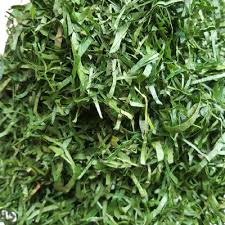
Afang leaf helps in combating diseases as it has anti-bacterial and anti-parasite properties that are needed to cure malaria.
(7) Treats Skin Diseases
Afang leaf heals and cures common skin diseases, such as eczema, and rashes, just by squeezing the leaves and applying the juice and paste on the affected parts.
(8) Controls excess urination
The seeds can be chewed raw for controlling excessive urination in kids and adults as well and used in the treatment of overactive bladder.
I therefore encourage you to consider eating ukazi leaves regularly to enjoy its health benefits.
Now it is your turn to tell us how you enjoy your ukazi or afang soup better using the comment box below.
Scientific Evidence and Case Studies on Health Benefits and Uses of Gnetum africanum (Ukazi/Afang)
1. Antioxidant activity: Raw and decoction extracts of Gnetum africanum leaves show significant in vitro antioxidant properties due to high levels of phytochemicals, vitamins, and minerals.
2. Gastroprotective effects: Ethanolic extracts of Gnetum africanum demonstrate protective action against acetic acid-induced peptic ulcers in adult Wistar rats through antioxidant mechanisms.
3. Antidiabetic potential: Aqueous extracts exhibit insulinotropic actions in cellular models and improve glucose homeostasis in mice with diet-induced obesity-diabetes.
4. Nutritional and mineral richness supporting health: Studies confirm high fiber, protein, calcium, iron, and other minerals in leaves, contributing to benefits like bone health, anemia prevention, and digestive support.
5. Anti-inflammatory and medicinal properties: Phytochemical composition provides anti-carcinogenic, anti-parasitic, and antibacterial effects, aligning with traditional uses for malaria, skin diseases, and enlarged spleens.
Nutritional Value Of Health Benefits and Uses of Gnetum africanum (Ukazi/Afang)
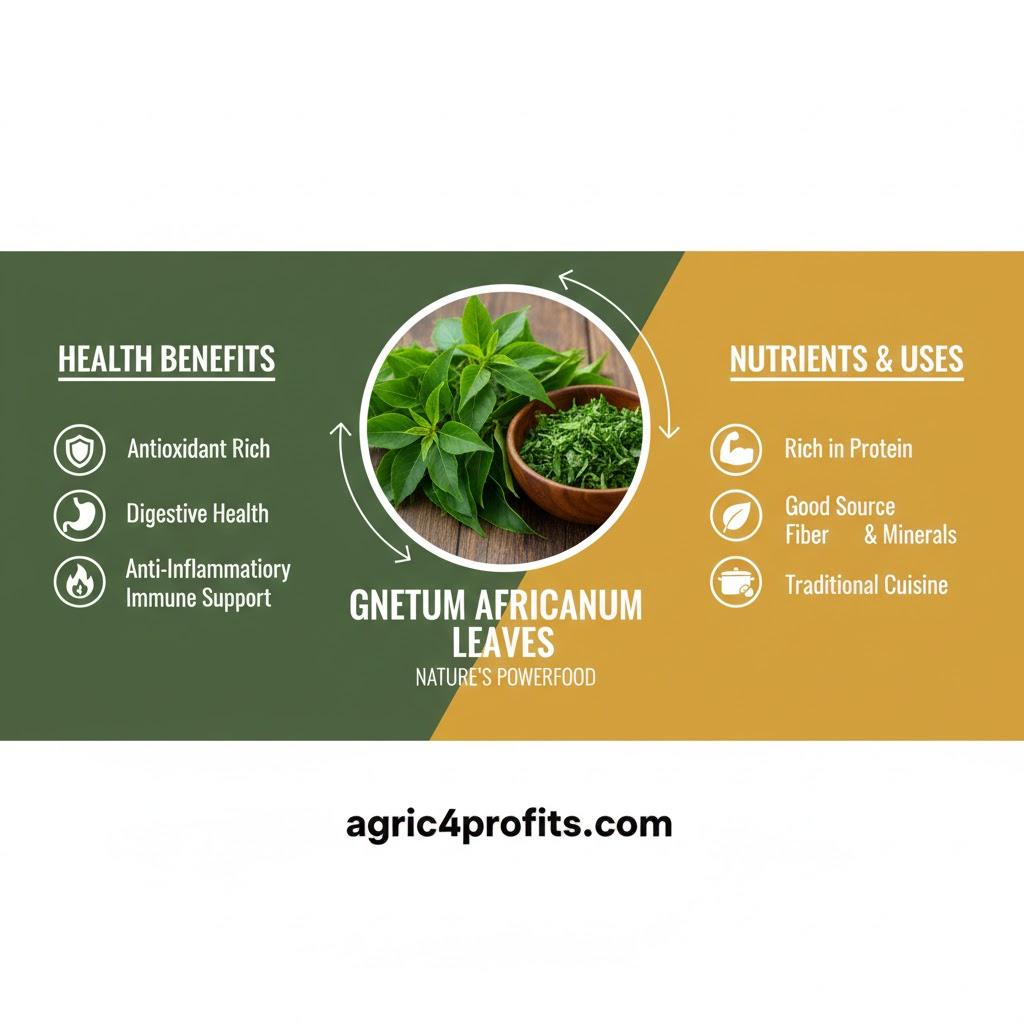
Gnetum africanum (Ukazi/Afang leaves, approximate values per 100g dry weight) offers these key nutrients:
1. High in dietary fiber: Contains around 33-38g of fiber, promoting digestion, preventing constipation, and supporting weight management by increasing satiety.
2. Rich in protein: Provides about 12-13g of protein with essential amino acids, aiding tissue repair, muscle growth, and serving as a plant-based protein source.
3. Excellent source of calcium: Supplies high amounts (up to 960-3920mg in some analyses), supporting bone and teeth health, especially beneficial for dairy-free diets.
4. Good source of iron: Contains significant iron (around 121mg or more), helping prevent anemia and support oxygen transport in the blood.
5. Contains magnesium: Offers magnesium (around 39-440mg), which aids blood pressure regulation, muscle function, and heart health.
6. Rich in carbohydrates: Provides about 44g of carbohydrates for energy supply and metabolic functions.
7. Source of other minerals and vitamins: Includes potassium, zinc, copper, vitamins, and antioxidants that combat oxidative stress and boost overall immunity.
Summary of Health Benefits and Uses of Gnetum africanum (Ukazi/Afang)
| Aspect | Key Details |
|---|---|
| Description | Gnetum africanum, known as Ukazi, Okazi, Afang, or Eru, is a vine gymnosperm with edible leaves and seeds, native to tropical Africa, used as a wild leafy vegetable similar to spinach. |
| Nutritional Highlights | High in fiber (33-38g/100g), protein (12-13g), calcium, iron, magnesium, carbohydrates (44g), vitamins, and minerals like potassium, zinc. |
| Health Benefits | Supports heart health by lowering cholesterol and blood pressure, improves digestion and prevents constipation, strengthens bones, controls blood sugar in diabetes, treats enlarged spleens, sore throats, nausea, malaria, skin diseases (eczema, rashes), boils, warts, excessive urination, and provides antioxidant protection. |
| Uses | Culinary: in soups (Afang soup), stews, delicacies across West and Central Africa; medicinal: brewed as tea for labor pains, applied as paste for skin issues, seeds chewed raw for bladder control. |
| Preparation and Storage | Leaves used fresh or dried; squeezed for juice/paste in remedies; commonly cooked in traditional dishes. |
| Scientific Support | Evidence for antioxidant, gastroprotective, antidiabetic, and nutritional benefits from phytochemical and mineral content. |
Frequently Asked Questions About Health Benefits and Uses of Gnetum africanum (Ukazi/Afang)
1. What is Gnetum africanum?
Gnetum africanum, commonly called Ukazi, Afang, or Okazi, is a leafy vine plant native to tropical Africa, with edible leaves used as a vegetable and in traditional medicine.
2. Is Ukazi high in fiber?
Yes, it contains very high dietary fiber that aids digestion, prevents constipation, and supports weight loss.
3. Can Ukazi help with diabetes?
Yes, it helps control blood sugar levels and improves insulin sensitivity due to its nutrients and bioactive compounds.
4. Does Ukazi support bone health?
Yes, its rich calcium content strengthens bones and teeth, making it beneficial for preventing osteoporosis.
5. Is Ukazi good for heart health?
Yes, the fiber lowers bad cholesterol, while magnesium helps regulate blood pressure and reduce cardiovascular risks.
6. Can Ukazi treat skin problems?
Yes, leaf juice or paste is traditionally applied to treat eczema, rashes, boils, and warts.
7. Does Ukazi help with digestion?
Yes, high fiber promotes regular bowel movements and acts as a natural laxative in larger amounts.
8. Is Ukazi used for malaria treatment?
Yes, its anti-parasitic and antibacterial properties support traditional use in combating malaria.
9. How is Ukazi typically consumed?
Leaves are cooked in soups like Afang soup, stews, or used fresh; seeds can be chewed raw for certain remedies.
10. Is Ukazi safe for regular consumption?
Yes in moderate amounts as part of a balanced diet, providing numerous nutritional and health benefits with no major reported side effects in traditional use.
Do you have any questions, suggestions, or contributions? If so, please feel free to use the comment box below to share your thoughts. We also encourage you to kindly share this information with others who might benefit from it. Since we can’t reach everyone at once, we truly appreciate your help in spreading the word. Thank you very much for your support and for sharing!
Disclaimer: This article is for educational and informational purposes only. The health benefits described are based on scientific research and traditional knowledge. They ayre not a substitute for professional medical advice, diagnosis, or treatment. Always consult a healthcare professional before using any herb or natural remedy for medical purposes.
Read Also: Complete List of Popular Common Foods and their Fiber Contents