


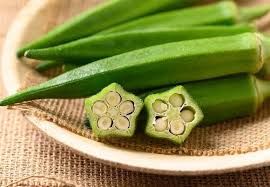
Okra, commonly known as okro, is a versatile vegetable cherished in many cuisines worldwide. Its unique texture and mild flavor make it a favorite in dishes like soups and stews. Beyond its culinary appeal, okro is packed with nutrients that promote overall health.
Native to Africa, okro thrives in warm climates and is a staple in many traditional diets. Its vibrant green pods are rich in vitamins, minerals, and fiber, offering numerous health benefits. This article explores the nutritional value and health advantages of okro.
The vegetable’s slimy texture, often noticed when cooked, is due to mucilage, a substance with medicinal properties. This mucilage aids digestion and supports gut health, making okro a functional food with therapeutic potential.
Okro’s affordability and accessibility make it a practical choice for many households. Whether boiled, fried, or added to stews, it retains much of its nutritional profile, contributing to a balanced diet.
From supporting heart health to managing blood sugar, okro’s benefits are backed by science. Its low-calorie content and high nutrient density make it an excellent addition to health-conscious meal plans.
Understanding okro’s nutritional and medicinal qualities can inspire its inclusion in daily meals. Let’s dive into its specific nutritional value, health benefits, scientific evidence, and common questions about this remarkable vegetable.
Read Also: Amazing Benefits of Drinking Okra Water first thing in the Morning
Nutritional Value of Okro
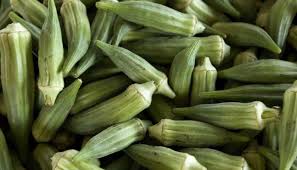
1. Dietary Fiber: Okro is rich in fiber, aiding digestion and promoting regular bowel movements. It helps prevent constipation and supports a healthy gut microbiome. Fiber in okro also contributes to satiety, helping with weight management. A 100-gram serving provides about 3.2 grams of fiber, supporting digestive health.
2. Vitamin C: Okro contains vitamin C, a potent antioxidant that boosts immunity and protects against infections. It also supports collagen formation for healthy skin. A single cup of okro provides approximately 26% of the daily recommended vitamin C intake, enhancing overall immune function.
3. Vitamin K: Essential for blood clotting and bone health, vitamin K in okro helps prevent excessive bleeding and supports bone density. One cup of cooked okro offers about 40 micrograms of vitamin K, meeting a significant portion of daily needs.
4. Folate: Okro is a good source of folate, crucial for DNA synthesis and cell division, especially during pregnancy to prevent birth defects. A 100-gram serving contains around 60 micrograms of folate, supporting healthy fetal development and cell repair.
5. Magnesium: This mineral in okro supports muscle function, nerve health, and energy production. It also helps regulate blood pressure. A cup of okro provides about 57 milligrams of magnesium, contributing to daily requirements for metabolic health.
6. Potassium: Okro’s potassium content helps maintain fluid balance, nerve function, and muscle contractions, supporting heart health. A 100-gram serving offers around 299 milligrams of potassium, aiding in blood pressure regulation.
7. Vitamin A: Okro contains vitamin A, vital for vision, skin health, and immune function. It also acts as an antioxidant, protecting cells. One cup of okro provides about 36 micrograms of vitamin A, supporting eye health and immunity.
8. Calcium: Okro offers calcium for strong bones and teeth, as well as muscle and nerve function. It’s a plant-based calcium source. A 100-gram serving contains approximately 82 milligrams of calcium, supporting skeletal health.
9. Antioxidants: Okro is rich in antioxidants like quercetin and catechins, which combat oxidative stress and reduce inflammation.These compounds protect cells from damage, potentially lowering the risk of chronic diseases like heart disease.
10. Low Calories: Okro is low in calories, making it ideal for weight management. A cup contains only about 33 calories, perfect for healthy diets.
Health Benefits of Okro
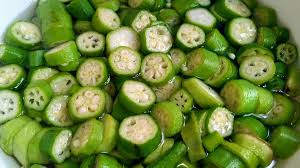
1. Improves Digestive Health: Okro’s mucilage soothes the digestive tract, easing constipation and promoting regular bowel movements. It supports a healthy gut microbiome.
Usage: Add 1 cup of chopped okro to soups or stews daily. Boil lightly to retain mucilage for maximum digestive benefits.
2. Supports Heart Health: Okro’s fiber and potassium lower cholesterol and blood pressure, reducing heart disease risk. Antioxidants also protect blood vessels.
Usage: Consume 1–2 cups of steamed okro weekly as a side dish to support cardiovascular health.
Regular intake can contribute to long-term heart health, as seen in communities where okro is a dietary staple.
3. Regulates Blood Sugar: The fiber in okro slows sugar absorption, helping stabilize blood glucose levels, beneficial for diabetes management.
Usage: Include 1 cup of grilled okro in meals 3–4 times weekly to help manage blood sugar levels.
4. Boosts Immunity: Vitamin C and antioxidants in okro strengthen the immune system, helping fight infections and reduce inflammation.
Usage: Eat 1 cup of raw or lightly cooked okro in salads twice weekly to boost immunity.
5. Promotes Healthy Skin: Vitamin C and antioxidants in okro support collagen production and protect skin from oxidative damage, reducing signs of aging.
Usage: Blend ½ cup of okro into smoothies or eat it steamed 2–3 times weekly for skin health.
6. Supports Bone Health: Vitamin K and calcium in okro strengthen bones, reducing the risk of osteoporosis and fractures.
Usage: Add 1 cup of okro to stir-fries or soups 3 times weekly to support bone density.
7. Aids Weight Management: Low in calories and high in fiber, okro promotes satiety, helping control appetite and support weight loss goals.
Usage: Incorporate 1–2 cups of boiled okro into meals weekly to aid weight management.
8. Enhances Vision: Vitamin A in okro supports eye health, preventing conditions like night blindness and age-related macular degeneration.
Usage: Consume 1 cup of okro in soups or as a side dish 2–3 times weekly for eye health.
9. Reduces Inflammation: Antioxidants like quercetin in okro reduce inflammation, potentially lowering the risk of chronic diseases.
Usage: Eat 1 cup of roasted okro with spices 2–3 times weekly to combat inflammation.
10. Supports Pregnancy: Folate in okro is essential for fetal development, reducing the risk of neural tube defects during pregnancy.
Usage: Pregnant women should consume 1 cup of cooked okro 3–4 times weekly for folate intake.
11. Improves Gut Health: Okro’s mucilage acts as a prebiotic, feeding beneficial gut bacteria and improving overall gut function.
Usage: Add 1 cup of okro to stews or soups 3 times weekly to support gut health.
12. Prevents Anemia: Folate and iron in okro support red blood cell production, helping prevent anemia and boost energy levels.
Usage: Include 1 cup of okro in meals 3–4 times weekly to support blood health.
Read Also: Comprehensive Guide on How to Grow and Care for Onions
Scientific Evidence and Case Studies on Okro
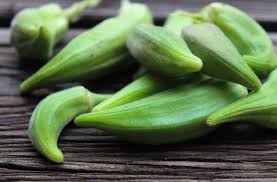
Scientific research supports okro’s health benefits, with studies highlighting its nutritional and medicinal properties. Below is a summary of credible studies with key findings.
1. Blood Sugar Regulation: A study by Sabitha et al. (2011) found that okro extract reduced blood glucose levels in diabetic rats, suggesting potential for diabetes management.
2. Antioxidant Activity: Arapitsas (2012) identified high levels of phenolic compounds in okro, which combat oxidative stress and inflammation.
3. Digestive Health: Research by Sengkhamparn et al. (2010) showed that okro’s mucilage promotes gut health by acting as a prebiotic, supporting beneficial bacteria.
4. Cholesterol Reduction: A study by Kahlon et al. (2007) demonstrated that okro’s soluble fiber binds bile acids, lowering cholesterol levels in animal models.
Frequently Asked Questions About Okro
1. What is okro, and how is it used in cooking?
Okro is a green vegetable used in soups, stews, or as a side dish. It can be boiled, fried, or grilled to suit various recipes.
2. Is okro slimy, and how can I reduce the slime?
Yes, okro’s mucilage causes sliminess. To reduce it, soak in vinegar or lemon juice before cooking or cook at high heat.
3. Can okro help with weight loss?
Yes, okro’s low calories and high fiber promote satiety, aiding weight management when included in a balanced diet.
4. Is okro safe for pregnant women?
Yes, okro’s folate supports fetal development. Pregnant women can safely consume 1 cup of cooked okro 3–4 times weekly.
5. Does okro improve digestion?
Okro’s fiber and mucilage soothe the digestive tract, promote regular bowel movements, and support a healthy gut microbiome.
6. Can diabetics eat okro?
Yes, okro’s fiber helps regulate blood sugar, making it beneficial for diabetes management when consumed regularly.
7. How should okro be stored?
Store fresh okro in a paper bag in the refrigerator for up to 3–4 days to maintain freshness and nutritional value.
8. Can okro be eaten raw?
Yes, raw okro is edible and retains maximum nutrients. Add it to salads or smoothies for a nutritional boost.
Do you have any questions, suggestions, or contributions? If so, please feel free to use the comment box below to share your thoughts. We also encourage you to kindly share this information with others who might benefit from it. Since we can’t reach everyone at once, we truly appreciate your help in spreading the word. Thank you very much for your support and for sharing!
Disclaimer: This article is for educational and informational purposes only. The health benefits described are based on scientific research and traditional knowledge. They are not a substitute for professional medical advice, diagnosis, or treatment. Always consult a healthcare professional before using any herb or natural remedy for medical purposes.
Read Also: List of Problems Confronting Livestock Production