


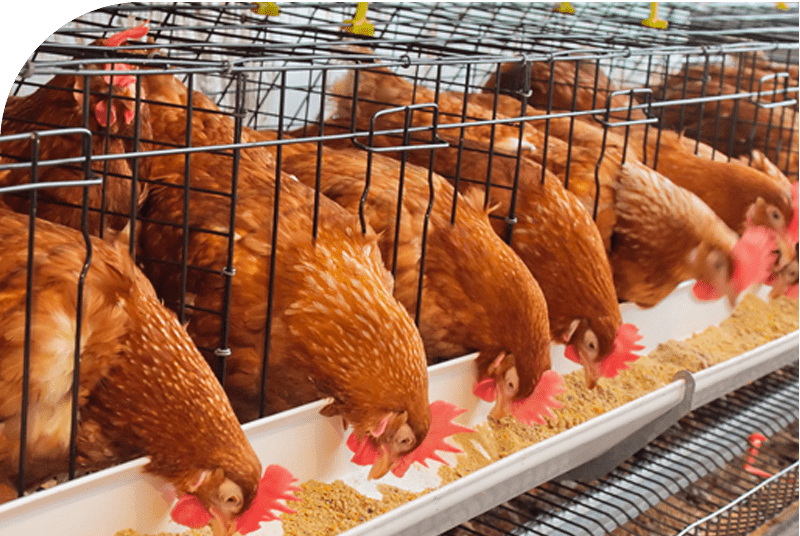
Storing poultry feed the right way is something many farmers overlook until the damage is already done. When feed is poorly stored, it deteriorates faster than you think. Contaminated or spoiled feed causes poor growth, malnutrition, serious health problems, and, in extreme cases, high mortality rates across the flock. All of that translates directly into financial losses that could have been avoided.
The first thing to understand is that poultry feed should not be stored for long. A maximum of two weeks is what is strongly recommended for any farmer storing feed in bulk. Anything beyond that is a risk. Feed quality begins to decline the moment it leaves the mill, and the longer it sits before reaching the birds, the more nutritional value it loses.
When buying feed, source it from feed mills that do not store their stock for too long before selling. Ask about the manufacturer dates and how the feed has been handled. This matters because even if you store the feed correctly on your end, feed that was already old or poorly handled before it reached you will not perform the way it should.
The place where you store feed also matters just as much as the feed itself. The storage area must be well ventilated. Rain must not reach the feed and direct sunlight should not hit it either. These two factors, moisture and heat, are the fastest ways to ruin a stock of feed. Mould grows quickly in warm, wet conditions and produces mycotoxins that are harmful to birds. By the time you can smell or see the mould, the damage is already done.
Feed prices also vary from one feed mill to the next and from one location to another. It is always worth comparing prices across suppliers before committing to a purchase, especially when buying in bulk.
Proper feed storage is not just about keeping bags off the floor. It covers the choice of storage facility, the temperature conditions inside, how many bins you need, how feed is loaded into the bins, and how it flows out to the birds. Getting all of these right makes a real difference in feed quality, bird health, and overall farm profitability.
This article covers seven practical tips for correct poultry feed storage so you can protect the quality of your feed from the moment it arrives on your farm to the moment it reaches your birds.
Read Also: Layers Mash Feed Formula
1. Seven Tips for Correct Poultry Feed Storage
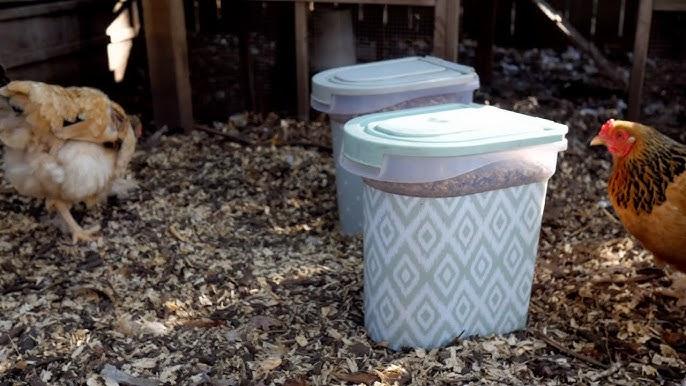
Proper feed storage is essential on every poultry farm. Poor storage facilities lead to feed deterioration, which in turn causes poor growth, malnutrition, health problems, and high mortality in birds. All of these reduce farm profitability. Here are the seven tips every farmer should follow:
Tip 1: Distance from the Poultry House
For practical reasons, the distance between the feed storage facility and the poultry house should be kept as short as possible. Moving feed over long distances every day is time-consuming and increases the risk of spillage and contamination. Most poultry farms use silos placed right next to the house where the birds are kept and fed. Some farms keep feed storage inside the animal house itself. Either way, proximity to the birds is a key consideration when deciding where to store your feed.
Tip 2: The Storage Facility
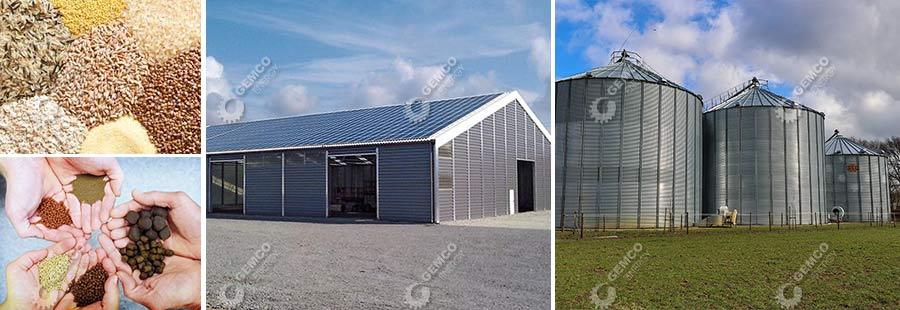
A good feed storage facility is not just any room or container. Feed needs proper protection from environmental conditions, pests, and contaminants. A storage facility that meets the right standard should do all of the following:
i. Provide shelter from direct sunlight and rain.
ii. Be properly ventilated and kept cool at all times.
iii. Keep the feed dry by maintaining low humidity inside.
iv. Protect feed from vermin such as rats and mice, as well as insect pests.
v. Keep feed off the ground to prevent ground condensation and mould spoilage.
vi. Keep feed away from chemicals and drugs that could contaminate it.
Any storage facility that cannot meet these requirements is not suitable for keeping poultry feed. Cutting corners here affects the quality of feed your birds receive and their health over time.<!– wp:paragraph –><p><strong>Read Also: <a href=”https://agric4profits.com/poultry-bagged-feeds-vs-formulated-feeds/”>Poultry Bagged Feeds Vs Formulated Feeds</a></strong></p><!– /wp:paragraph –>
Tip 3: Storage Conditions
Poor storage conditions reduce the shelf life of feed by breaking down critical nutrients, including vitamins, essential fatty acids, and antioxidants. The result is reduced bird growth and higher mortality from poor health.
Feed stored in wet conditions becomes stale and mouldy. Moulds grow fast, especially in warm weather, and they produce mycotoxins that are toxic to birds. Using mouldy feed leads to performance losses, illness, and in serious cases, mass mortality across the flock.
How long feed can safely stay in storage depends on how the feed is made and the conditions inside the storage facility. Climate plays a significant role. Temperature and relative humidity both have a strong influence on how quickly feed deteriorates.
Even with a well-designed storage system, feed should not be held for more than two months from the date it was manufactured. Keeping storage time short means feed moves through faster, reduces inventory costs, and ensures the birds always get fresh, high-quality feed.
Tip 4: Temperature
Temperature control inside your storage facility is one of the most important factors in protecting feed quality. When bins are placed outside, radiation from the sun during the day creates a greenhouse effect inside the bin. This overheating can break down proteins and cause fats to go rancid. Heat from the sun can penetrate as deep as 20 cm into the feed mass inside a bin, causing damage that is not visible from the outside.
Metal bins with corrugated sheets have an advantage here. They reflect a large amount of solar radiation, which is why they are preferred in hot climatic regions. In desert or extreme heat conditions, insulated bins are often recommended. These have an outer bin placed over the feed bin with thick insulation material between the two surfaces. This design keeps the feed temperature steady throughout the day.
Insulated bins also prevent condensation when temperatures drop at night. Condensation is a serious problem because it increases the risk of mould forming on the top layer of feed and along the inside walls of the bin. It can also cause the feed to bridge and stick to the bin wall, blocking the flow of feed out of the bin.
Tip 5: Calculating the Number of Bins Needed

Once you have chosen the right type of storage facility, the next step is figuring out how much total storage capacity you need. This depends mainly on how often your feed supplier makes deliveries, but there is a simple way to calculate it:
Number of birds x maximum feed intake per bird per day x delivery time in days = total storage capacity needed
Once you know the total capacity, you can work out how many bins are required per poultry house. One more factor to consider is how many different types of feed you will be using, since different feed types need separate bins.
Here is a general guide:
i. Broilers generally require only one type of feed and therefore one bin. A second or third bin may be needed for phase feeding or when feed is mixed with other ingredients such as corn.
ii. Broiler breeders typically use two bins when cockerels are fed a different feed from the hens.
iii. Broiler layers normally need only one feed type, and therefore, one bin is usually sufficient.
Read Also: Chicks Mash Feed Formula
Tip 6: Mechanical or Pneumatic Filling
How feed is loaded into the bin affects the quality of what eventually reaches the birds. Pneumatic filling blows feed into the bin using air pressure. This can cause separation between large and small feed particles, with heavier particles piling up in the middle and lighter particles settling on the outside. Some bin manufacturers address this by fitting deflectors near the inlet hole to spread the heavy particles more evenly across the surface.
Mechanical filling, on the other hand, is faster and causes less risk of separation. The trade-off is that it may limit the maximum height of the bins because of the physical length of the filling auger.
For most farms, mechanical filling is the more practical option where equipment allows for it. The goal in either case is to ensure that the feed inside the bin is as uniform and consistent as possible so that every bird gets the same nutritional profile from every feed delivery.
Tip 7: Feed Handling
Good feed storage means nothing if the feed cannot flow out of the bin properly and reach the birds in good condition. The correct unloading approach is a first-in-first-out mass flow. This means the oldest feed at the bottom of the bin is used first before newer feed is added on top. This system prevents old feed from sitting at the bottom indefinitely and going stale.
First-in-first-out flow also reduces feed separation and, with a well-designed extracting auger, ensures that feed reaches the birds with minimal change in composition from what was originally stored.
To achieve a good feed flow, the hopper needs to have the right inclination angle. The inside surface of the hopper should be smooth and free of any obstacles that could cause clogging or bridging of the feed. Although bins generally require little maintenance, it is good practice to empty and clean the inside of bins completely from time to time to remove old residue and prevent build-up.
Finally, all the best storage practices on your farm will not fully protect your feed if the manufacturer or transport distributor has not handled the feed properly before it arrives. Always check the manufacture date of the feed and ask how it was handled and transported. Feed that was already mishandled before delivery will not perform well no matter how well you store it on your end.
Summary on How Long You Can Store Your Poultry Feeds For Your Birds
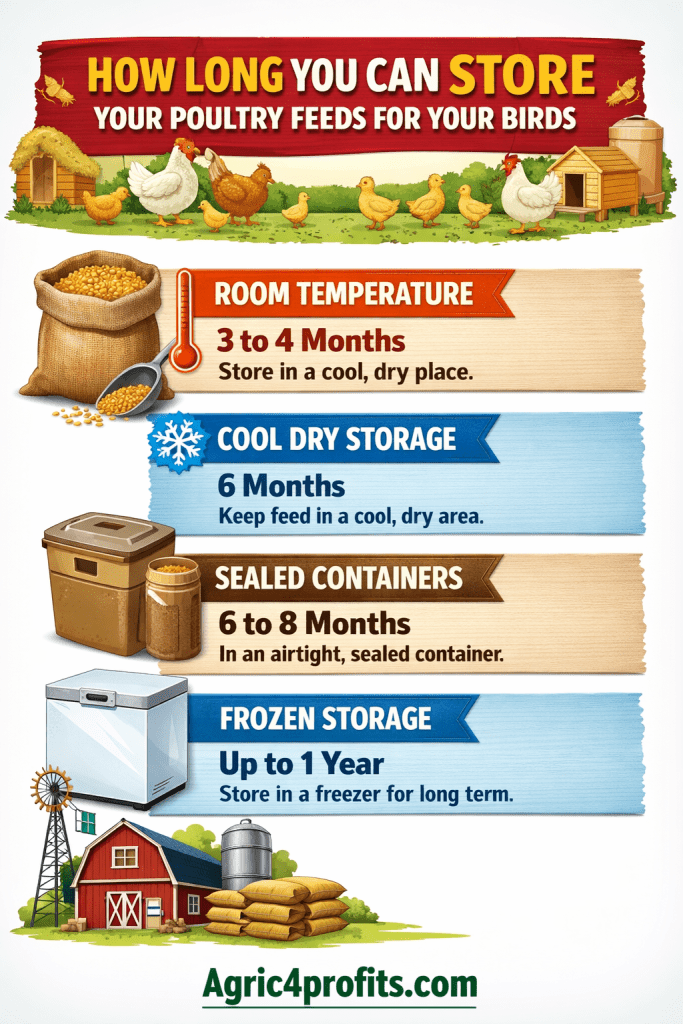
| Tip | Key Points |
|---|---|
| Distance from Poultry House | Keep the storage facility as close to the poultry house as possible. Most farms use silos placed next to the bird house. |
| The Storage Facility | Must shelter feed from sun and rain, stay cool and ventilated, keep humidity low, protect from pests, keep feed off the ground, and keep feed away from chemicals. |
| Storage Conditions | Poor conditions break down vitamins, fatty acids, and antioxidants. Mouldy feed causes illness and mass mortality. Store feed for no more than two months from the manufacturer’s date. |
| Temperature | Outside bins create a greenhouse effect in the sun. Use corrugated metal bins in hot regions. Use insulated bins in deserts to prevent overheating and condensation. |
| Number of Bins | Calculate using: number of birds x feed intake per bird per day x delivery time in days. One bin per feed type. Broilers need one bin; breeders may need two. |
| Mechanical vs Pneumatic Filling | Pneumatic filling causes more particle separation. Mechanical filling is faster and causes less separation but limits bin height. |
| Feed Handling | Use first-in-first-out flow to prevent old feed from sitting in the bin. Keep hopper surfaces smooth. Empty and clean bins regularly. Check manufacture dates and transport conditions before accepting delivery. |
| Maximum Storage Time | Two weeks is the recommended maximum for on-farm bulk storage. Never store feed for more than two months from the manufacturer’s date. |
Frequently Asked Questions About How Long You Can Store Your Poultry Feeds For Your Birds
1. How long can poultry feed be stored safely?
For on-farm bulk storage, a maximum of two weeks is strongly recommended. Even with excellent storage conditions, feed should not be held for more than two months from the date it was manufactured. Beyond these timeframes, critical nutrients break down, feed quality drops, and the risk of mould and contamination increases significantly.
2. What happens when poultry feed is stored incorrectly?
Poor storage leads to loss of vitamins, essential fatty acids, and antioxidants in the feed. Birds that eat nutritionally degraded feed grow poorly, become more susceptible to disease, and in severe cases, die. Wet storage conditions accelerate mould growth, and mouldy feed produces mycotoxins that can cause mass mortality across the flock.
3. What conditions should a poultry feed storage facility maintain?
A good feed storage facility should protect feed from direct sunlight and rain, stay well ventilated and cool, maintain low humidity, keep feed off the ground, prevent access by rats, mice, and insects, and ensure feed is stored well away from chemicals and drugs. Meeting all of these conditions keeps the feed fresh and safe for as long as possible.
4. Why is temperature control important in feed storage?
High temperatures from direct sun exposure create a greenhouse effect inside outdoor bins, breaking down proteins and turning fats rancid. Heat can penetrate up to 20 cm deep into the feed mass in a bin. In hot climates, corrugated metal bins that reflect solar radiation are recommended. In desert conditions, insulated bins are used to keep feed temperature stable and prevent condensation at night.
5. How do you calculate how many feed bins a poultry farm needs?
Use this simple formula: number of birds multiplied by the maximum feed intake per bird per day, then multiplied by the number of days between deliveries. This gives you the total storage capacity needed. From there, divide the total by the capacity of each bin to determine how many bins are required. Remember to add extra bins if you are using more than one type of feed.
6. What is the difference between pneumatic and mechanical feed bin filling?
Pneumatic filling uses air pressure to blow feed into the bin. It is easy to connect but causes more separation between large and small feed particles. Mechanical filling uses an auger to load feed and is faster with less risk of separation, though it may limit the maximum bin height depending on the length of the auger.
7. What is the first-in-first-out principle in feed handling?
First-in-first-out means the oldest feed at the bottom of the bin is used before new feed comes in from the top. This prevents old feed from sitting unused at the bottom of the bin where it can go stale or develop mould. It also helps maintain a consistent feed composition as it moves from storage to the birds.
8. How does humidity affect stored poultry feed?
High humidity causes feed to absorb moisture from the air. Wet feed becomes a breeding ground for mould, which grows rapidly in warm conditions and produces mycotoxins. These toxins cause illness, poor performance, and death in birds. Keeping the storage facility dry and well ventilated is one of the most effective ways to prevent this.
9. Should I check the manufacturer’s date when buying poultry feed?
Yes, always. Feed that was manufactured weeks before it reached your farm may already be close to its safe storage limit. Checking the manufacturer’s date tells you how much usable storage time you have left. Also, ask how the feed was handled and transported before delivery. Feed that was exposed to moisture, heat, or poor handling in transit will already be compromised before you even begin storing it.
10. Why is it important to keep poultry feed storage close to the poultry house?
Keeping the storage facility close to the poultry house reduces the time and labor involved in moving feed to the birds each day. It also reduces the risk of spillage and contamination during transportation between buildings. Most well-designed poultry farms use silos placed directly next to the house to make feed delivery to the birds as efficient and clean as possible.
Do you have any questions, suggestions, or contributions? If so, please feel free to use the comment box below to share your thoughts. We also encourage you to kindly share this information with others who might benefit from it. Since we can’t reach everyone at once, we truly appreciate your help in spreading the word. Thank you very much for your support and for sharing!
Read Also: Ways to Make Money from Biodegradable Waste Materials