


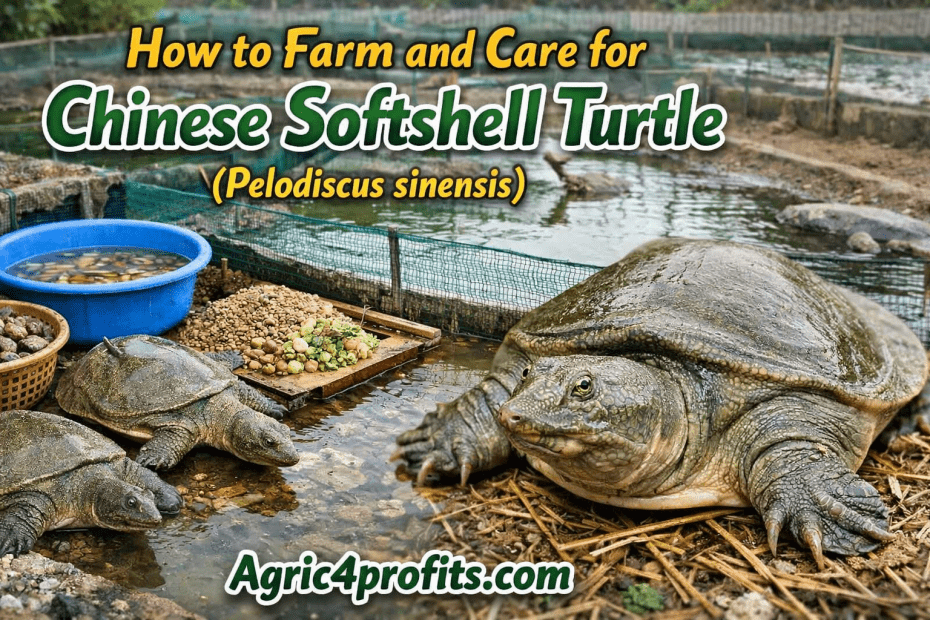
Chinese softshell turtle, scientifically known as Pelodiscus sinensis, is a fascinating reptile from East Asia. These turtles are widely recognized for their unique soft shells, which clearly distinguish them from all other turtle species found worldwide.
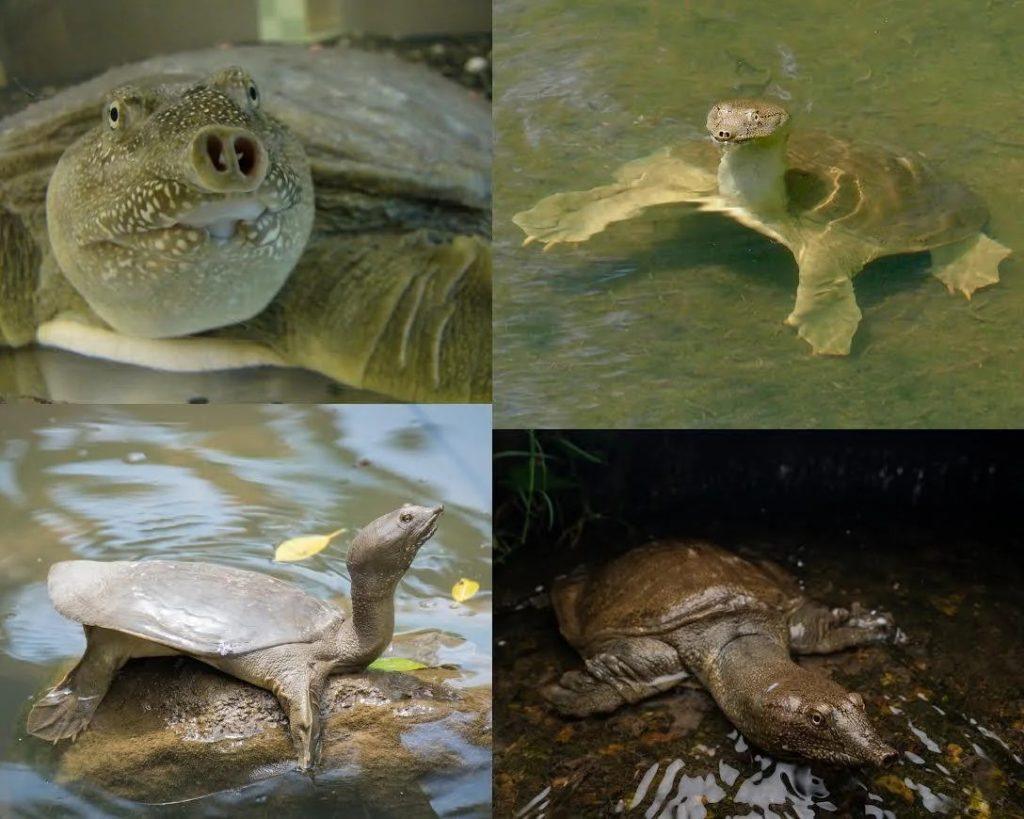
In terms of appearance, Chinese softshell turtles have a flattened, pancake-like shell that is notably soft to the touch. This pliable shell sets them apart in the turtle world and provides distinct advantages in their aquatic environment.
The softness of their shells allows for increased flexibility, making underwater movement significantly easier and more efficient. These turtles are commonly found in ponds, rivers, and marshes throughout China and other parts of East Asia where conditions suit them.
Chinese softshell turtles are primarily carnivorous, with a diet that includes small fish, insects, crustaceans, and aquatic plants. Their sharp beaks are well-suited for capturing prey, and their adaptable feeding nature helps them thrive in diverse habitats.
Breeding in Chinese softshell turtles is an intriguing natural process. Females lay their eggs in sandy areas along the water's edge. After an incubation period, hatchlings emerge with soft shells that gradually harden as the young turtles grow.
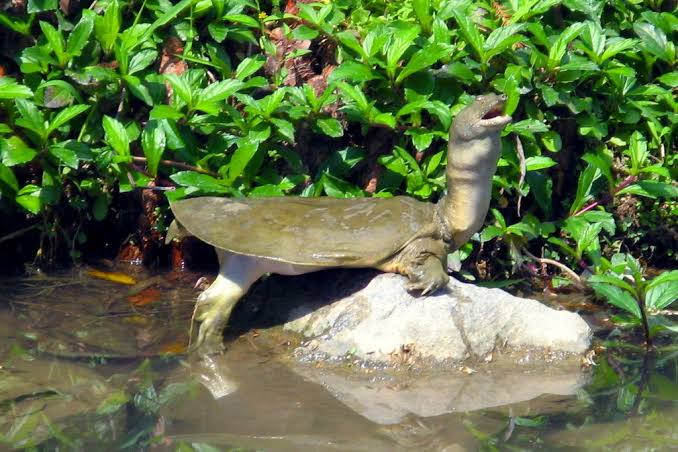
These turtles are known for their basking habits, regularly coming out of water to sunbathe on rocks or logs. This behavior helps regulate their body temperature and provides essential UVB exposure that is critical for maintaining healthy shell development.
🌿 Go Organic on Your Farm: Instead of harmful chemical pesticides and fertilisers, try our organic farming products — including neem oil spray, bio-pesticides, natural plant treatments, organic seeds and seedlings, suckers, and many more organic products that are safe for your health, your family, your soil and your harvest. Shop Now →
Conservation concerns have emerged due to habitat loss and exploitation for the pet trade and traditional Chinese medicine. Active conservation efforts are now underway to protect natural habitats and regulate trade to ensure long-term population sustainability globally.
Read Also: How to Farm and Care for Rohu Fish (Labeo rohita)
A. Selecting the Right Chinese Softshell Turtle Species for Your Farm
Choosing the right species for your Chinese softshell turtle farm requires careful consideration of compatibility, environmental conditions, and the specific needs of both turtles and any companion fish species. Informed decisions here create a harmonious and sustainable aquatic ecosystem from the very beginning.
The size relationship between the turtles and any companion fish species is a key compatibility factor to evaluate. Overly large fish may threaten smaller turtles, while very small fish can easily become prey. Selecting species that coexist well promotes a healthy, stress-free farm environment.
🔧 Free Farm Tool Available: Use our free Agric4Profits Farm Tools to calculate your farm profits, formulate feeds, identify pests and diseases on both your crops and animal farms, plan your planting and harvesting season, including many more farm tasks to get free expert advice and recommendations — completely free, no registration required. Access Free Tools →
Feeding habits of both turtles and companion fish must align reasonably well for the ecosystem to function without conflict. Chinese softshell turtles are primarily carnivorous, so selecting fish with compatible dietary preferences supports the nutritional needs and overall vitality of the entire aquatic population.
Environmental parameters including water temperature, pH levels, and the availability of hiding spots must suit all species being housed together. Creating a habitat that closely mimics the natural conditions of their native environment is essential for the long-term health and productivity of your farm.
Selecting hardy and resilient companion fish species that can adapt to variations in water conditions reduces overall management complexity and risk. Robust fish handle changes in temperature, water quality, and other environmental variables more reliably, reducing stress-related health issues across the entire aquatic community.
Reproductive behavior of companion fish species also deserves careful consideration before finalizing your selection. Some fish species reproduce rapidly, potentially causing population imbalances if not managed carefully. Understanding breeding habits helps maintain a balanced, sustainable, and well-managed aquatic ecosystem throughout your farming operation.
B. Setting Up Your Chinese Softshell Turtle Farm
Establishing a Chinese softshell turtle farm requires careful planning and thoughtful consideration of multiple factors affecting both the turtles and any companion species. Following a clear, systematic approach from the beginning significantly increases the chances of long-term operational success.
💬 Have a Farming Question? Join thousands of farmers across Africa on the Agric4Profits Community — ask questions, share experiences and connect with agricultural experts. It is completely free. Ask Your Question Now →
Research and planning form the foundation of any successful turtle farming operation before any infrastructure is built. Study the specific requirements of Chinese softshell turtles and compatible fish species thoroughly. Develop a detailed written plan covering tank sizing, water conditions, feeding, and environmental enrichment needs.
Aquatic habitat design must replicate the natural conditions these turtles are adapted to in the wild. Ensure availability of hiding spots, basking areas, and appropriate substrate throughout the enclosure. The overall size of the tank or pond must comfortably accommodate the behavioral and spatial needs of all inhabitants.
A robust water quality management system is essential from the very first day of operation. Monitor and maintain temperature, pH levels, and filtration consistently. Adequate filtration removes waste efficiently and maintains the clean, stable water environment that Chinese softshell turtles and companion fish both need to remain healthy.
Compatibility assessment between turtle and fish species should be completed before any stocking decisions are made. Consider size, feeding habits, and social behaviors carefully to promote peaceful coexistence within the habitat. Avoid introducing aggressive or highly territorial fish species that may cause chronic stress to the turtle population.
Temperature regulation, environmental enrichment, routine health monitoring, breeding management planning, and regulatory compliance all need to be addressed as core components of the farm setup. Farms that build these operational systems into the design from the start operate more efficiently and handle challenges more effectively over time.
C. Nutrition Essentials: Feeding Your Chinese Softshell Turtle for Optimal Growth
Feeding your Chinese softshell turtle correctly is a critical aspect of supporting optimal growth and maintaining the overall well-being of your aquatic population throughout every stage of development. Understanding their specific nutritional needs is the foundation of effective and responsible turtle farm management.
Chinese softshell turtles are primarily carnivorous, with a wild diet consisting of small fish, insects, crustaceans, and aquatic plants. Replicating this natural diet in captivity requires providing a well-balanced and varied selection of food that meets all their essential nutritional requirements consistently.
High-quality commercial turtle pellets formulated specifically for aquatic turtles should serve as the dietary staple for your Chinese softshell turtle population. These pellets provide essential proteins, vitamins, and minerals in balanced proportions and offer a convenient, reliable nutritional baseline for your daily feeding regimen.
Supplement the staple pellet diet with live or frozen foods to enhance nutritional diversity and stimulate natural feeding behaviors. Small fish like guppies or minnows provide quality protein, while insects such as crickets, mealworms, and earthworms introduce valuable variety into the diet and encourage active hunting instincts.
📖 Want to Go Deeper on This Topic?
Our expert agricultural ebooks cover poultry, fish farming, different crops production, snail farming, organic farming, mushrooms, sheep, cattle, flowers, pig farming, goat farming, agribusiness, etc. in practical step-by-step detail — written by agricultural professionals for African farmers.
Browse All Farming Ebooks →Vegetables and aquatic plants including kale, spinach, lettuce, and water hyacinth should also be included regularly to provide fiber, vitamins, and essential minerals. These plant-based additions contribute to a nutritionally well-rounded diet that actively supports the long-term health of your turtle population.
Calcium and vitamin supplementation is particularly important for proper bone development and the maintenance of healthy shell integrity. Deficiencies can lead to visible shell deformities over time. Feeding frequency should be adjusted based on age, with younger turtles fed daily and adults every other day to prevent overfeeding.
Read Also: How to Farm and Care for Yellowfin Tuna Fish (Thunnus albacares)
D. Disease Prevention and Control in Chinese Softshell Turtle Farming
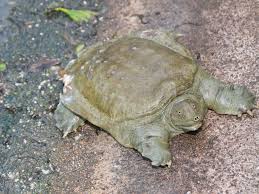
Disease prevention and control are paramount in Chinese softshell turtle farming for maintaining a healthy and sustainable aquatic environment. A proactive management approach significantly reduces the risk of disease outbreaks that can harm both turtles and any companion fish species sharing the habitat.
Implementing robust biosecurity measures is the foundational step in preventing disease introduction and spread across your farm. This includes quarantine protocols for all new arrivals, restricted facility access, and strict hygiene practices. Regularly disinfecting equipment and materials entering the farm minimizes the risk of pathogen introduction significantly.
Maintaining optimal water quality is a cornerstone of effective disease prevention that cannot be overlooked or deprioritized. Monitor temperature, pH, ammonia, nitrate, and nitrite levels consistently throughout the year.
Poor water quality stresses turtles and fish, weakening their immune systems and dramatically increasing their susceptibility to infection and disease.
Providing a well-balanced and nutritious diet directly supports the immune function of Chinese softshell turtles and any companion species sharing the habitat.
Nutritional deficiencies weaken natural disease resistance considerably. Ensuring diets meet specific requirements and avoiding chronic overfeeding prevents the water quality issues that often precede disease events.
All new arrivals, whether turtles or fish, must undergo a dedicated quarantine period before being introduced to the established main population on your farm.
This step allows for thorough health observation and treatment if any issues are identified, effectively preventing the spread of potential pathogens to healthy stock.
Routine health monitoring, timely veterinary consultations, effective isolation and treatment protocols, and detailed record keeping all form essential components of a comprehensive disease management strategy.
Historical health records help identify recurring patterns and enable continuous refinement of prevention measures over the entire operational lifespan of the farm.
E. Chinese Softshell Turtle Breeding Techniques
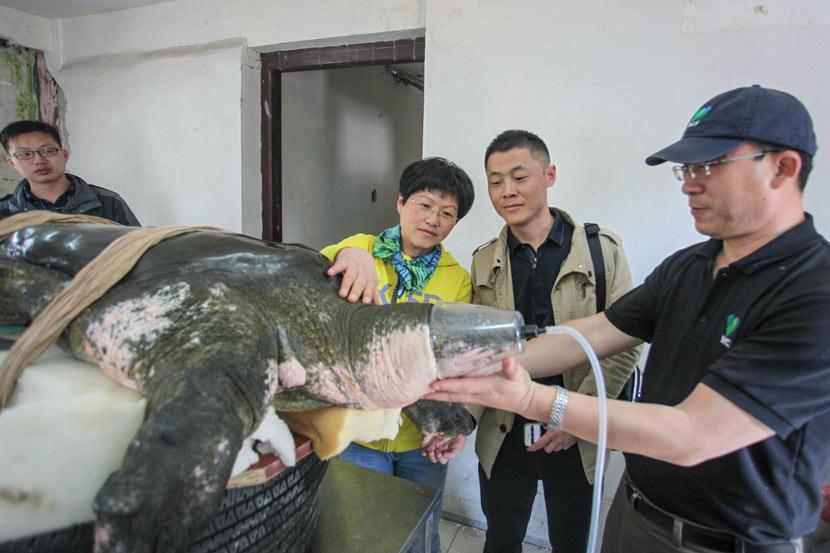
Breeding Chinese softshell turtles in a farm setting requires a solid understanding of their natural reproductive behaviors and the creation of conditions that actively support successful reproduction. Following clear guidelines throughout the breeding process increases the likelihood of consistently positive outcomes.
Habitat preparation is the essential starting point for any effective turtle breeding program on your farm. Provide a sandy area along the water's edge where females can comfortably lay their eggs. Include ample hiding spots and accessible basking areas to create a comfortable environment for both mating and nesting activities.
Maintaining optimal water temperatures is critical for stimulating natural breeding behaviors in Chinese softshell turtles. These turtles typically show increased reproductive activity in warmer water conditions. Regularly monitor and adjust temperatures within the recommended range to encourage active mating behaviors and reliable egg-laying by gravid females.
Observing the social dynamics of your turtle population helps ensure that breeding interactions occur naturally and without unnecessary stress. Introduce males and females to the breeding habitat and allow natural courtship to unfold. Provide adequate space so these interactions can occur comfortably without causing conflict or chronic stress.
Carefully collect eggs once they are laid and transfer them to a dedicated incubation container with moisture-retaining substrate.
Maintain consistent temperature and humidity throughout the entire incubation period. Incubation duration may vary, so patience and close daily monitoring are both essential for maximizing successful hatch rates.
Upon hatching, newborn turtles are soft-shelled and particularly vulnerable to injury and predation. Create a safe, secure nursery area with appropriate environmental conditions and a protein-rich diet to support rapid early growth. Separating hatchlings from adults prevents predation and gives young turtles the best possible start in life.
F. Harvesting and Processing Your Chinese Softshell Turtle Farm Yield

Harvesting and processing the yield from your Chinese softshell turtle farm is a crucial step in the aquaculture cycle that ensures products are properly prepared for consumption or commercial distribution. Meticulous handling and strict adherence to hygiene standards are non-negotiable throughout this entire stage.
When turtles and fish have reached a desirable size for commercial purposes, harvesting can begin using appropriate nets or traps.
Avoid overcrowding during the harvesting process to prevent unnecessary injuries and stress. Gentle, careful handling throughout harvest directly protects both animal welfare and the quality of the final product.
Transport harvested turtles and fish to the processing facility using containers with adequate water and proper aeration to maintain optimal conditions during transit. Minimizing travel time and handling stress preserves the quality of the live animals and protects the integrity of the final product reaching consumers.
The processing facility must be equipped with the necessary tools for efficient and hygienic cleaning, evisceration, and packaging operations. Maintaining strict cleanliness and sanitation standards at every workstation is essential for meeting regulatory food safety requirements and consistently delivering a high-quality, market-ready product.
Quality control measures must be applied consistently throughout every stage of the processing operation without exception. Inspect each individual turtle and fish for signs of disease or abnormality and discard any specimens failing to meet established quality standards. Only healthy, properly processed specimens should advance through the production chain.
Packaging, cold storage management, responsible waste disposal, and thorough documentation all complete the processing workflow.
Proper labeling with weight, expiration dates, and handling instructions builds consumer confidence. Detailed batch records facilitate traceability and support regulatory compliance at every stage of the distribution chain.
G. Marketing Strategies for Selling Your Chinese Softshell Turtle Products
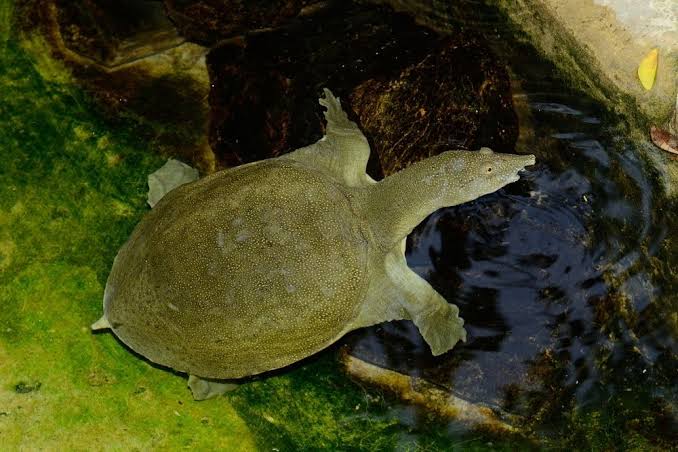
Successfully selling Chinese softshell turtle products starts with thorough market research to identify potential customers and understand their purchasing preferences clearly. This foundational knowledge allows you to tailor your marketing approach to the specific needs and expectations of your most valuable target market segments.
Building a strong brand identity that reflects the quality and uniqueness of your Chinese softshell turtle products is essential for standing out in a competitive marketplace. A distinctive logo, consistent packaging design, and compelling brand messaging help your products create a lasting and positive impression with buyers and consumers.
Developing a diverse marketing mix that combines traditional and digital channels maximizes your market reach across different consumer groups. Utilize social media platforms to showcase products and engage directly with customers.
A professional website with detailed product and farming practice information builds credibility and supports direct sales inquiries.
Participating in local farmers markets, food festivals, and trade shows introduces your products to broader audiences through direct, face-to-face consumer engagement.
These events offer opportunities to share your farm's story, build genuine personal connections, and generate the kind of word-of-mouth awareness that paid advertising rarely achieves as effectively.
Collaborating with local restaurants, seafood markets, and specialty retailers expands your distribution footprint and increases product visibility in channels where your target consumers already shop regularly.
Emphasizing the nutritional benefits, distinct flavor profile, and sustainable farming practices of your products attracts health-conscious and environmentally aware consumer segments.
Seeking recognized sustainability certifications, implementing competitive pricing strategies, investing in high-quality packaging, and gathering customer testimonials all strengthen your market position further.
Regularly evaluating marketing performance through sales data and consumer feedback allows for continuous improvement and keeps your strategy relevant and effective over time.
H. Sustainability Practices in Chinese Softshell Turtle Farming
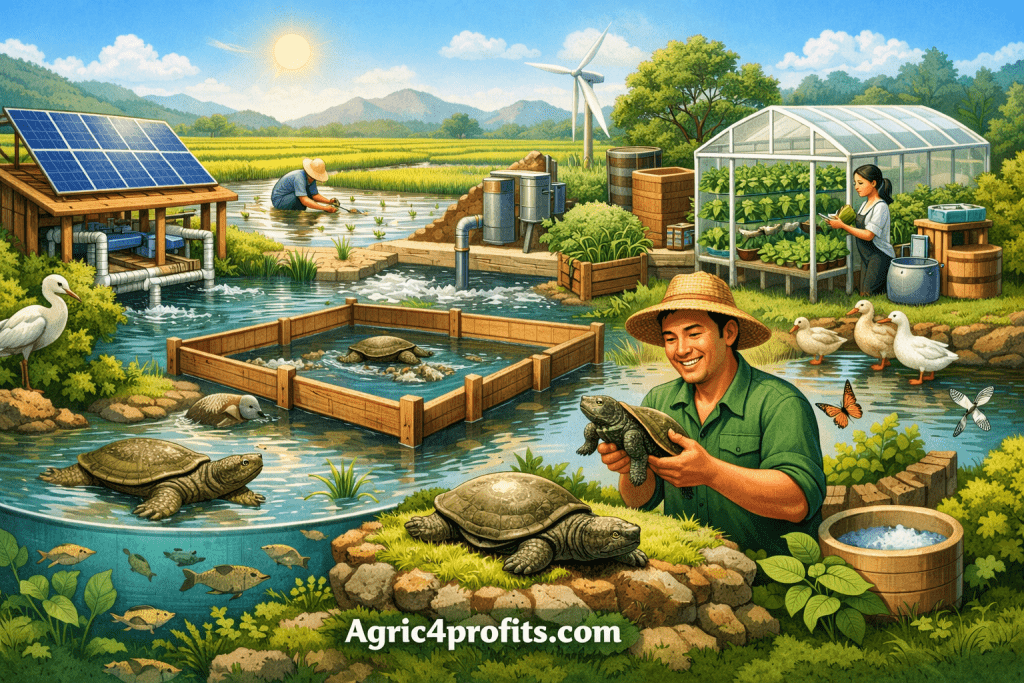
Implementing sustainability practices in Chinese softshell turtle farming is crucial for promoting environmental responsibility and ensuring the long-term viability of your aquaculture operation. A genuinely green approach requires examining the ecological impact of every farming decision made throughout the production cycle.
Optimizing water usage within the farm is one of the most impactful sustainability measures available to any turtle farmer. Implementing efficient circulation systems, rainwater harvesting, and water recycling technologies reduces dependency on external water sources and minimizes the overall environmental footprint of your entire farming operation.
Integrating renewable energy sources such as solar or wind power into the farm's operations reduces reliance on conventional energy significantly.
Powering pumps, filtration systems, and other farm equipment through renewable sources contributes to a more sustainable, cost-efficient, and environmentally responsible operational energy profile over time.
Responsible feed management that prioritizes sustainable and locally sourced ingredients reduces the ecological footprint associated with commercial feed production considerably.
Exploring alternative protein sources such as insects or plant-based options further enhances your farm's overall sustainability credentials and reduces dependence on resource-intensive conventional feed supply chains.
Employing efficient waste management practices by repurposing turtle and fish waste as organic fertilizer for crops supports beneficial nutrient cycling across the farm.
Promoting biodiversity by incorporating aquatic plants and natural habitat features creates a more balanced, ecologically functional, and enriching environment for all inhabitants of your farm.
Engaging in habitat conservation around the farm, conducting regular environmental impact assessments, educating staff and community members about sustainable practices, and collaborating with environmental organizations all strengthen your farm's long-term green credentials.
These collective efforts ensure the farm operates in genuine harmony with the surrounding natural ecosystem at all times.
I. Common Issues and Solutions in Chinese Softshell Turtle Farming
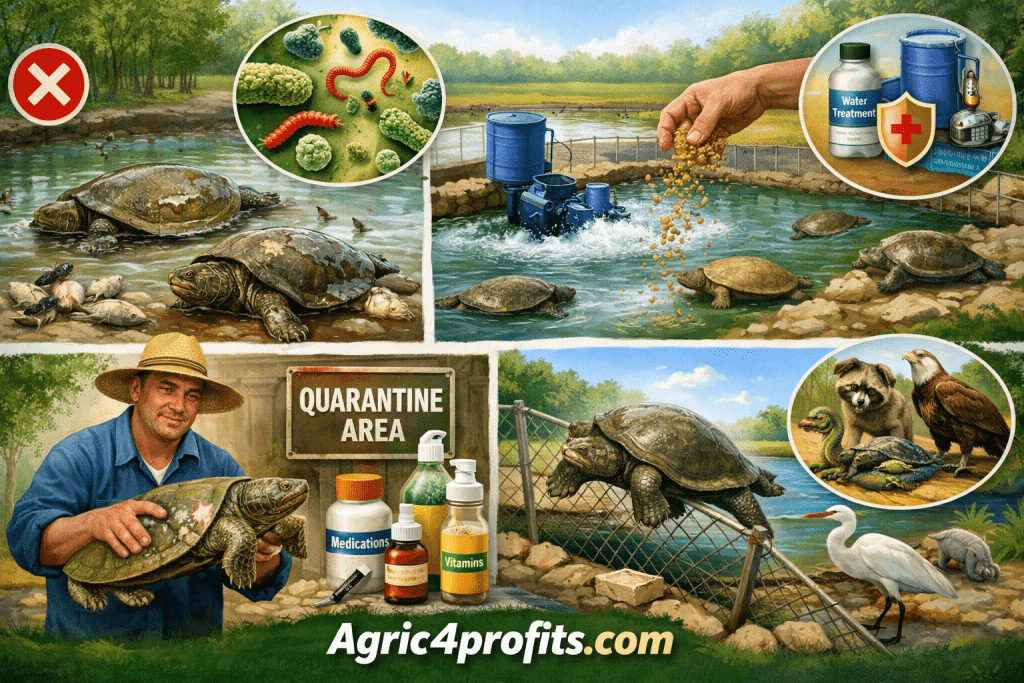
Every Chinese softshell turtle farm will encounter challenges requiring prompt attention and well-considered solutions at various points. Proactive monitoring, strategic planning, and a genuine commitment to sustainable management practices form the foundation of long-term farm health and consistent commercial productivity.
Water quality issues are among the most frequently encountered and potentially serious challenges in turtle farming operations.
Regular monitoring of water parameters, investment in quality filtration systems, and consistent routine water changes maintain the clean, stable aquatic environment that Chinese softshell turtles and companion species need to remain healthy and productive.
Disease outbreaks can spread rapidly through a shared aquatic habitat if not detected and addressed quickly and decisively.
Biosecurity measures, routine health monitoring, quarantine protocols for new arrivals, and an established relationship with a qualified reptile and fish veterinarian form the core of any effective disease prevention and response strategy.
Overcrowding leads directly to resource competition, elevated stress levels, and increased aggression among the turtle and fish population sharing the habitat.
Monitoring population density regularly, providing adequate space for all inhabitants, and implementing a clear, data-driven stocking plan prevents this common and easily avoidable management mistake.
Feeding challenges including inconsistent practices or nutritionally imbalanced diets result in malnutrition or the water quality deterioration that often accompanies chronic overfeeding.
A well-structured feeding regimen based on the specific nutritional requirements of Chinese softshell turtles, combined with regular feeding behavior monitoring, prevents these problems effectively.
Reproductive difficulties, environmental stress from sudden habitat changes, regulatory compliance requirements, external predation threats, and market access challenges all demand ongoing attention and adaptive management responses.
Addressing each issue proactively, maintaining comprehensive farm records, and staying informed about industry developments ensures your operation remains resilient and sustainable long term.
Read Also: How to Make an Avocado Tree Bear Fruit
Summary on How to Farm and Care for Chinese Softshell Turtle (Pelodiscus sinensis)
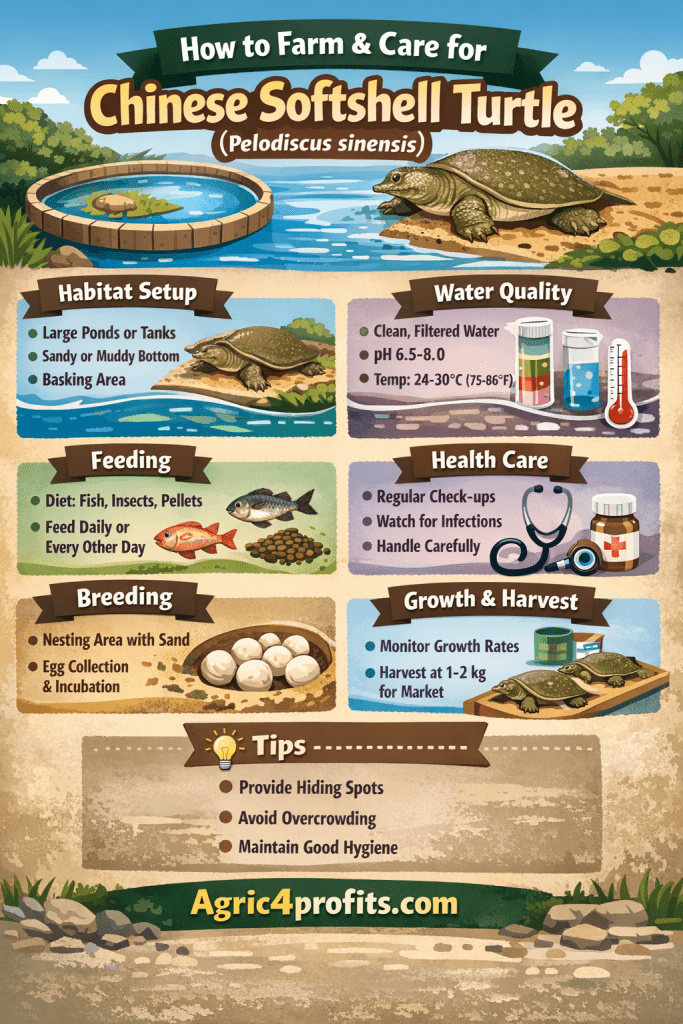
| Topic | Key Points |
|---|---|
| Species Overview | Soft-shelled reptile (Pelodiscus sinensis) native to ponds, rivers, and marshes of East Asia |
| Ecological Role | Carnivorous predator; feeds on fish, insects, crustaceans, and aquatic plants |
| Distinctive Feature | Flattened, flexible soft shell providing superior aquatic maneuverability |
| Species Selection | Consider size compatibility, feeding habits, environmental needs, and reproductive behavior |
| Farm Setup | Research, habitat design, water management, compatibility assessment, regulatory compliance |
| Nutrition | Commercial pellets, live/frozen foods, vegetables, calcium supplements, vitamin support |
| Disease Management | Biosecurity, water quality, quarantine, health monitoring, veterinary care, record keeping |
| Breeding | Sandy nesting sites, temperature regulation, social dynamics, egg incubation, hatchling care |
| Harvesting | Gentle methods, cold-chain transport, hygienic processing, quality control, proper packaging |
| Market Strategy | Brand identity, diverse channels, restaurant partnerships, sustainability certifications |
| Sustainability | Water conservation, renewable energy, responsible feed, waste recycling, habitat protection |
| Common Issues | Water quality, disease, overcrowding, feeding, reproduction, predation, market access |
Frequently Asked Questions About How to Farm and Care for Chinese Softshell Turtle (Pelodiscus sinensis)
1. What is the Chinese softshell turtle and where does it come from?
The Chinese softshell turtle (Pelodiscus sinensis) is a carnivorous aquatic reptile native to East Asia, found naturally in ponds, rivers, and marshes throughout China and neighboring countries in the region.
2. Why is the shell of the Chinese softshell turtle soft?
The shell is soft and flexible due to its leathery texture rather than the hard bony structure found in other turtle species. This flexibility improves underwater maneuverability and is a key biological adaptation for their aquatic lifestyle.
3. What do Chinese softshell turtles eat on a farm?
They thrive on a diet combining commercial aquatic turtle pellets, live or frozen small fish, insects, mealworms, and leafy vegetables. Calcium and vitamin supplements should also be provided regularly to support healthy shell development and overall growth.
4. What water conditions do Chinese softshell turtles need?
They require clean, well-oxygenated water with stable temperature, appropriate pH levels, and low ammonia content. Regular water quality monitoring and efficient filtration systems are essential for maintaining the stable aquatic conditions these turtles need to thrive.
5. How do Chinese softshell turtles breed in captivity?
Breeding is stimulated by warm water temperatures, suitable sandy nesting areas, and appropriate social conditions. Females lay eggs in sandy substrate along the water's edge, and eggs require careful incubation under controlled temperature and humidity conditions for successful hatching.
6. How long does it take Chinese softshell turtle eggs to hatch?
Incubation duration varies depending on temperature and humidity conditions maintained throughout the process. Under appropriately controlled conditions, eggs typically hatch within several weeks to a few months, with warmer temperatures generally producing faster and more consistent developmental outcomes.
7. What are the main disease risks in Chinese softshell turtle farming?
Common risks include bacterial infections, fungal diseases, and shell rot caused by poor water quality or physical injuries. Maintaining clean water, implementing strict quarantine protocols, and conducting regular health monitoring are the most effective preventive measures available to turtle farmers.
8. How are Chinese softshell turtles harvested and processed commercially?
They are harvested using gentle nets or traps when they reach target market size. Processing involves careful cleaning, evisceration, quality inspection, and appropriate packaging under strict hygiene and food safety standards that meet both regulatory requirements and consumer expectations.
9. What sustainability practices are most important in Chinese softshell turtle farming?
Water conservation, renewable energy use, sustainable feed sourcing, responsible waste management, and habitat protection around the farm are the most impactful sustainability measures. These practices reduce environmental footprint, improve long-term operational viability, and strengthen your farm's credibility with sustainability-conscious buyers.
10. What are the biggest challenges in Chinese softshell turtle farming?
The main challenges include maintaining stable water quality, preventing and managing disease outbreaks, avoiding overcrowding, achieving consistent reproductive success, and navigating competitive market conditions. A proactive, well-documented, and adaptive management approach addresses all of these challenges most effectively over time.
🌱 Take Your Farming Further With Agric4Profits
Based on what you just read, here are free resources and products from Agric4Profits that can help your farm right now:
- 🛒 Visit Our Marketplace — Organic neem oil, bio-pesticides, seeds and farming products
- 📚 Read Premium Content — Advanced guides for serious and profitable farming
- 🎓 Join Our Free Academy — Structured free training for farmers across Africa
- 🔧 Use Our Free Farm Tools — Profit calculators, feed formulation, pest identifier and more
- 💬 Join Our Farming Community — Connect with farmers across all 54 African countries
- ❓ Ask a Farming Question — Get answers from experienced farmers and agricultural experts
Please cite this content in academic work, research, or publications.