


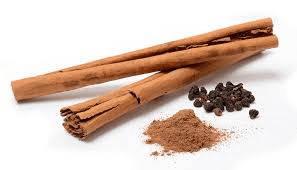
Cinnamon is a popular spice that comes from the inner bark of trees belonging to the genus Cinnamomum. It’s widely used in cooking and baking for its sweet, warm flavor and pleasant aroma. If you're involved in the cinnamon business, understanding how to process, package, and export cinnamon efficiently is crucial for maintaining quality and meeting market demands.
The journey of cinnamon from tree to table starts with processing. The process begins with harvesting the cinnamon trees, usually when they are around two years old.
The outer bark of the tree is first removed to expose the inner bark. This inner bark, which is the source of cinnamon, is then carefully scraped off in thin layers. After removal, the cinnamon bark is dried. Traditionally, this drying happens by allowing the bark to air dry in a shaded area.
However, for large-scale operations, industrial drying methods like using hot air can speed up this process while ensuring that the cinnamon maintains its quality.
Once dried, the cinnamon bark curls into rolls known as quills. These quills are then cut into smaller pieces or ground into a powder, depending on the desired final product.
Grinding is usually done using specialized equipment to ensure a fine, consistent texture. The processing phase is crucial because it directly impacts the quality of the cinnamon.
🌿 Go Organic on Your Farm: Instead of harmful chemical pesticides and fertilisers, try our organic farming products — including neem oil spray, bio-pesticides, natural plant treatments, organic seeds and seedlings, suckers, and many more organic products that are safe for your health, your family, your soil and your harvest. Shop Now →
Proper drying prevents mold growth and preserves the essential oils that give cinnamon its distinctive flavor and aroma. During this phase, quality control is essential to ensure that the final product meets industry standards.
After processing, cinnamon needs to be packaged correctly to maintain its freshness and quality during storage and transport. Packaging involves several steps, starting with selecting the right materials.
Cinnamon is often packaged in airtight containers or vacuum-sealed bags to protect it from moisture and contamination. For ground cinnamon, it’s typically packed in resealable pouches or containers that prevent exposure to air and light, which can degrade the spice over time.
Labeling is another critical aspect of packaging. Labels should include important information such as the product name, weight, and any relevant certifications or quality marks. Additionally, it’s important to include storage instructions to help consumers keep the cinnamon in optimal condition. Effective packaging also involves choosing the right size and type of packaging material that suits the market needs and complies with regulations in the target export country.
🔧 Free Farm Tool Available: Use our free Agric4Profits Farm Tools to calculate your farm profits, formulate feeds, identify pests and diseases on both your crops and animal farms, plan your planting and harvesting season, including many more farm tasks to get free expert advice and recommendations — completely free, no registration required. Access Free Tools →
Exporting cinnamon requires careful planning and adherence to international trade regulations. The process starts with understanding the import requirements of the destination country.
Each country has specific regulations regarding food products, including health and safety standards, which must be met. It’s crucial to ensure that the cinnamon is properly certified and meets these requirements to avoid any delays or issues during customs inspections.
Preparing the cinnamon for export involves several steps. First, ensure that all necessary documentation, such as certificates of origin and phytosanitary certificates, is in order. These documents confirm that the cinnamon meets the quality and safety standards of the exporting and importing countries. Next, arrange for transportation.
Cinnamon can be shipped by sea, air, or land, depending on the destination and the volume of the shipment. Proper transportation arrangements include choosing suitable shipping containers that protect the cinnamon from environmental factors like humidity and temperature changes.
Once the shipment arrives at the destination, it must go through customs clearance. This step involves submitting all required documents and ensuring that the shipment complies with local regulations. After clearing customs, the cinnamon is delivered to distributors or retailers.
💬 Have a Farming Question? Join thousands of farmers across Africa on the Agric4Profits Community — ask questions, share experiences and connect with agricultural experts. It is completely free. Ask Your Question Now →
Maintaining a good relationship with reliable partners in the importing country can help ensure smooth transactions and ongoing business.
Processing, packaging, and exporting cinnamon involves a series of carefully managed steps. Proper processing ensures that the cinnamon retains its quality and flavor. Effective packaging preserves its freshness and prevents contamination.
Exporting requires meeting international regulations and ensuring the product reaches its destination in good condition. By paying attention to each of these stages, businesses can successfully navigate the global market and meet the demands of consumers around the world.
How to Process Cinnamon for Exportation

1. Harvesting: Collect cinnamon from mature trees. Harvesting typically happens 2-3 years after planting when the bark is thick and ready to peel. It’s best to do this during the dry season to prevent mold.
2. Bark Removal: Carefully strip the bark from the cinnamon tree. Use a knife to cut away the outer bark and expose the inner bark, which is the true cinnamon. Make sure the strips are thin and as intact as possible.
3. Drying: Lay the bark strips out in a dry, well-ventilated area away from direct sunlight. This process can take 1-2 weeks. Proper drying is crucial to prevent mold and ensure the quality of the cinnamon.
4. Scraping: Once the bark is dry, use a knife to scrape off any remaining outer bark. This step helps to ensure that only the high-quality cinnamon is processed.
📖 Want to Go Deeper on This Topic?
Our expert agricultural ebooks cover poultry, fish farming, different crops production, snail farming, organic farming, mushrooms, sheep, cattle, flowers, pig farming, goat farming, agribusiness, etc. in practical step-by-step detail — written by agricultural professionals for African farmers.
Browse All Farming Ebooks →5. Rolling: Roll the cinnamon bark into quills or sticks. This can be done by hand or with a rolling machine. The rolling process helps to preserve the flavor and aroma of the cinnamon.
6. Grinding: For ground cinnamon, use a spice grinder to crush the quills into a fine powder. Ensure that the grinder is clean and dry to avoid contamination.
7. Quality Control: Inspect the processed cinnamon for quality. Check for uniformity in texture and color. Remove any pieces that do not meet the desired quality standards.
8. Testing: Conduct tests for moisture content, purity, and contamination. Use laboratory services to ensure the cinnamon meets export standards.
9. Packaging Preparation: Prepare for packaging by cleaning and sterilizing all equipment and work surfaces. This helps to avoid contamination during the packaging process.
10. Documentation: Ensure that all necessary export documents are prepared. This includes certificates of origin, quality certificates, and any other required paperwork for international shipments.
Read Also: Prevention and Methods of Controlling Coccidiosis Among Chickens
How to Package Cinnamon for Exportation
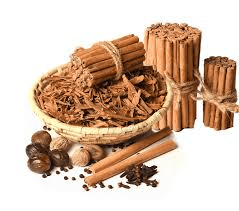
1. Choosing Packaging Materials: Use food-grade packaging materials that protect the cinnamon from moisture, light, and air. Common materials include vacuum-sealed bags, foil pouches, or airtight containers.
2. Measuring and Weighing: Accurately measure and weigh the cinnamon before packaging. Ensure that each package contains the correct quantity as per the export order.
3. Filling Packages: Fill the packaging material with the processed cinnamon. Be careful to avoid overfilling or underfilling to maintain consistency and quality.
4. Sealing Packages: Properly seal the packages to ensure they are airtight. Use heat sealers for plastic pouches or appropriate sealing methods for other types of packaging.
5. Labeling: Clearly label each package with essential information, including the product name, weight, country of origin, and expiration date. Include any required certifications and handling instructions.
6. Quality Inspection: Conduct a final quality check on the packaged cinnamon. Verify that the packages are sealed correctly and that the labels are accurate.
7. Batch Coding: Assign batch codes to the packages. This helps in tracking and tracing the cinnamon during export and in case of any quality issues.
8. Storage: Store the packaged cinnamon in a cool, dry place until it is ready for shipment. Proper storage conditions help to maintain the quality and freshness of the cinnamon.
9. Packing for Shipping: Place the sealed packages into larger shipping boxes or containers. Ensure that the cinnamon is securely packed to prevent damage during transit.
10. Documentation for Packaging: Prepare any additional documentation required for packaging, such as packing lists or invoices. Ensure all documents are complete and accurate for smooth export processing.
How to Export Cinnamon for Profits
1. Market Research: Conduct thorough research on potential markets for cinnamon. Identify countries or regions with high demand and favorable trade conditions.
2. Regulatory Compliance: Understand and comply with export regulations in both your country and the destination country. This includes tariffs, import restrictions, and quality standards.
3. Finding Buyers: Reach out to potential buyers through trade shows, online marketplaces, or export agencies. Build relationships with distributors or direct buyers who can purchase your cinnamon.
4. Setting Prices: Determine competitive pricing for your cinnamon. Consider factors such as production costs, shipping fees, and market demand when setting prices.
5. Contract Negotiation: Negotiate contracts with buyers that outline terms of sale, payment conditions, and delivery schedules. Ensure that all agreements are clear and legally binding.
6. Logistics Management: Plan the logistics of shipping your cinnamon. This includes selecting reliable shipping carriers, arranging transportation, and managing customs clearance.
7. Quality Assurance: Ensure that your cinnamon meets international quality standards. Consistently provide high-quality products to build a good reputation and retain buyers.
8. Marketing Strategies: Develop marketing strategies to promote your cinnamon. This can include creating a website, utilizing social media, or participating in trade fairs.
9. Customer Service: Provide excellent customer service to address any issues or concerns from buyers. Good communication and support can lead to repeat business and positive referrals.
10. Financial Management: Keep track of all financial aspects of the export process, including costs, revenues, and profits. Proper financial management helps in maximizing profits and sustaining the business.
Read Also: Vent Pecking (Cannibalism) among Poultry Chickens and Ways to Control Them
Frequently Asked Questions (FAQ’s) About Cinnamon
1. What is cinnamon?
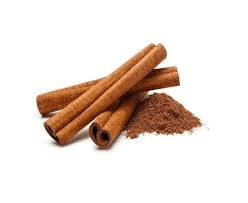
Cinnamon is a spice derived from the inner bark of trees from the genus Cinnamomum. It is used in cooking and baking for its sweet and warm flavor.
2. How is cinnamon harvested?
Cinnamon is harvested by peeling the inner bark from mature cinnamon trees. The bark is then dried and processed into quills or ground powder.
3. What are the different types of cinnamon?
The two main types are Ceylon cinnamon (true cinnamon) and Cassia cinnamon. Ceylon is more delicate and has a sweeter taste, while Cassia is stronger and more commonly used.
4. How should cinnamon be stored?
Cinnamon should be stored in an airtight container in a cool, dry place away from direct sunlight. Proper storage helps maintain its flavor and freshness.
5. Can cinnamon be used in cooking?
Yes, cinnamon is commonly used in both sweet and savory dishes. It is often added to baked goods, curries, and beverages.
6. What are the health benefits of cinnamon?
Cinnamon may have several health benefits, including anti-inflammatory and antioxidant properties. It may also help regulate blood sugar levels and improve digestion.
7. How do I know if cinnamon is high quality?
High-quality cinnamon has a strong, aromatic scent and a warm, sweet flavor. It should be free from any mold or impurities and have a uniform color.
8. Can cinnamon be used as a natural remedy?
Cinnamon is often used in traditional medicine for its potential benefits, such as improving digestion and boosting immunity. However, it's important to consult a healthcare professional before using it as a remedy.
9. How can I tell if cinnamon is real or fake?
Real cinnamon (Ceylon) is typically lighter in color and has a more delicate flavor compared to Cassia cinnamon. You can also check the cinnamon’s texture; Ceylon cinnamon has a thin, multi-layered structure.
10. What is the shelf life of cinnamon?
Whole cinnamon sticks can last for several years if stored properly, while ground cinnamon is best used within 1-2 years for optimal flavor.
Read Also: How to Make Homemade Banana Fruit Juice in Under 5 Minutes
🌱 Take Your Farming Further With Agric4Profits
Based on what you just read, here are free resources and products from Agric4Profits that can help your farm right now:
- 🛒 Visit Our Marketplace — Organic neem oil, bio-pesticides, seeds and farming products
- 📚 Read Premium Content — Advanced guides for serious and profitable farming
- 🎓 Join Our Free Academy — Structured free training for farmers across Africa
- 🔧 Use Our Free Farm Tools — Profit calculators, feed formulation, pest identifier and more
- 💬 Join Our Farming Community — Connect with farmers across all 54 African countries
- ❓ Ask a Farming Question — Get answers from experienced farmers and agricultural experts
Please cite this content in academic work, research, or publications.