


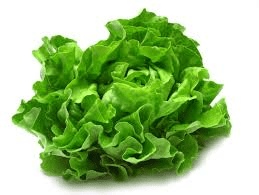
Processing, packaging, and exporting lettuce involves several key steps to ensure that the product remains fresh and meets quality standards. Proper handling from farm to market is crucial for maintaining the lettuce's crispness and safety. This guide will walk you through each step of the process, from harvesting to shipping, providing practical tips for each stage.
Lettuce must be carefully harvested by hand or with specialized equipment to avoid damage. Once collected, it is quickly moved to a processing area where it is washed thoroughly to remove dirt and potential contaminants. After washing, the lettuce is inspected for quality and any damaged leaves are removed. Next, it is dried to prevent spoilage and then sorted according to size and type.
For packaging, lettuce is placed into containers that help keep it fresh, such as plastic bags or clamshells, often with added moisture control. The packaging is then sealed and labeled with important information like origin, expiration date, and handling instructions.
Before exporting, the packaged lettuce is stored in a refrigerated environment to maintain its freshness. It is then loaded onto trucks or shipping containers that are also kept cool. Proper documentation, including export permits and customs paperwork, is prepared to ensure smooth entry into the destination country. By following these steps, lettuce can be effectively processed, packaged, and exported, maintaining high quality throughout the journey.
Here’s a detailed guide on processing, packaging, and exporting lettuce, as well as answering common questions about it:
How to Process Lettuce for Exportation
🌿 Go Organic on Your Farm: Instead of harmful chemical pesticides and fertilisers, try our organic farming products — including neem oil spray, bio-pesticides, natural plant treatments, organic seeds and seedlings, suckers, and many more organic products that are safe for your health, your family, your soil and your harvest. Shop Now →

1. Harvesting: Begin by selecting mature lettuce heads. Harvest them early in the morning to ensure freshness and minimize wilting.
2. Washing: Rinse the lettuce thoroughly in cold water to remove dirt and pesticides. Use a food-safe sanitizer to ensure it’s clean.
3. Drying: After washing, spin the lettuce in a salad spinner or use a commercial dryer to remove excess water. This prevents spoilage during storage and transport.
🔧 Free Farm Tool Available: Use our free Agric4Profits Farm Tools to calculate your farm profits, formulate feeds, identify pests and diseases on both your crops and animal farms, plan your planting and harvesting season, including many more farm tasks to get free expert advice and recommendations — completely free, no registration required. Access Free Tools →
4. Cutting and Trimming: Remove any damaged or outer leaves. Trim the heads to the desired size and shape for consistency.
5. Quality Control: Inspect the lettuce for any remaining defects or contaminants. Ensure it meets export quality standards.
6. Cooling: Quickly cool the lettuce to extend shelf life. Use a cooling system like a blast chiller to bring the temperature down rapidly.
7. Packing: Pack the lettuce into suitable containers, ensuring they are clean and dry. Use boxes or crates designed for vegetables.
8. Labeling: Clearly label the packaging with details such as the product name, weight, and country of origin. Include any necessary certification information.
💬 Have a Farming Question? Join thousands of farmers across Africa on the Agric4Profits Community — ask questions, share experiences and connect with agricultural experts. It is completely free. Ask Your Question Now →
9. Documentation: Prepare and review all export documents, including phytosanitary certificates and export permits, to comply with regulations.
10. Storage: Store the packed lettuce in a cold storage facility until it’s ready for shipment. Maintain a consistent, cool temperature to preserve freshness.
Read Also: The Variety of Fish Body Shapes
How to Package Lettuce for Exportation
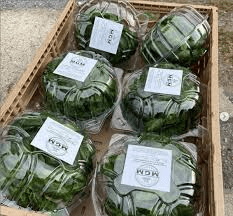
1. Choose Packaging Materials: Select high-quality, food-safe packaging materials like plastic crates or cartons that can protect the lettuce during transport.
2. Prepare Packaging: Ensure all packaging is clean and dry before use. This helps to avoid contamination.
3. Pack Carefully: Place the lettuce in the containers without overpacking. This prevents bruising and damage to the leaves.
4. Use Padding: If needed, use padding materials like paper or plastic wrap to keep the lettuce secure and to cushion it against impact.
📖 Want to Go Deeper on This Topic?
Our expert agricultural ebooks cover poultry, fish farming, different crops production, snail farming, organic farming, mushrooms, sheep, cattle, flowers, pig farming, goat farming, agribusiness, etc. in practical step-by-step detail — written by agricultural professionals for African farmers.
Browse All Farming Ebooks →5. Seal Packages: Securely close all packaging with appropriate methods like tape or stretch film to prevent any spillage or contamination.
6. Include Information: Attach labels with essential information such as the product’s name, weight, and destination. Include handling instructions if necessary.
7. Check Packaging Integrity: Inspect the packages to ensure they are sealed properly and there are no leaks or damage.
8. Maintain Temperature Control: Ensure the lettuce is kept at the correct temperature during packaging. This is crucial for preserving quality.
9. Handle with Care: Handle all packages gently to avoid crushing or damaging the lettuce. Train staff on proper handling techniques.
10. Store Properly: Store the packaged lettuce in a cool, dry place until it’s time to ship. Maintain appropriate conditions to keep the product fresh.
How to Export Lettuce for Profits
1. Research Markets: Identify potential export markets with demand for lettuce. Analyze market conditions, regulations, and competition.
2. Compliance with Regulations: Ensure you understand and comply with the export regulations of both your country and the destination country. This includes health and safety standards.
3. Set Pricing: Determine a competitive price for your lettuce by considering production costs, shipping fees, and market prices. Aim for a balance between profitability and competitiveness.
4. Find Export Partners: Partner with reliable distributors or agents who have experience in the lettuce export market. They can help with logistics and market entry.
5. Arrange Logistics: Organize transportation and shipping logistics. Choose a method that ensures the lettuce remains fresh and arrives on time.
6. Marketing: Develop a marketing strategy to promote your lettuce in the target market. Use online platforms, trade shows, and networking to reach potential buyers.
7. Monitor Quality: Continuously monitor and maintain the quality of your lettuce throughout the export process. Quality control is crucial for customer satisfaction and repeat business.
8. Customer Service: Provide excellent customer service to build strong relationships with buyers. Address any issues promptly and professionally.
9. Track Performance: Keep track of sales and market feedback. Use this information to improve your product and processes.
10. Expand: Once established, look for opportunities to expand into new markets or increase your product range to boost profits.
Read Also: Fish Biology: Anatomy, Physiology, Embryology and Endocrinology
Frequently Asked Questions (FAQ’s) About Lettuce
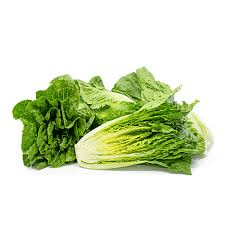
1. What types of lettuce are best for export? The most common types for export include Romaine, Iceberg, and Leaf lettuce. These varieties have good shelf life and are popular in many markets.
2. How should lettuce be stored before export? Lettuce should be kept in a cool, dry place with a consistent temperature to maintain freshness. Cold storage is ideal.
3. What are the main regulations for exporting lettuce? Regulations typically include phytosanitary requirements, quality standards, and documentation like export permits and certificates.
4. How can I ensure the quality of lettuce during shipping? Use proper packaging, maintain a consistent temperature, and handle the lettuce with care to prevent damage and spoilage.
5. What are the common packaging materials for lettuce? Common materials include plastic crates, cardboard cartons, and shrink-wrap. These materials help protect the lettuce during transport.
6. How long can lettuce be stored before it spoils? The shelf life of lettuce varies by type but generally ranges from 7 to 14 days when stored at the correct temperature.
7. What are the best practices for washing lettuce? Rinse lettuce in cold water, use a food-safe sanitizer, and ensure it is thoroughly dried to prevent spoilage.
8. How do I find export partners? Look for experienced distributors or agents in your target market. Trade shows, industry networks, and online platforms can also be helpful.
9. What are the benefits of exporting lettuce? Exporting lettuce can open up new markets, increase revenue, and diversify your customer base.
10. How can I determine the best price for exporting lettuce? Consider production costs, shipping fees, and market prices in the target country to set a competitive and profitable price.
Read Also: Reasons why Keeping a Food Diary is Important
🌱 Take Your Farming Further With Agric4Profits
Based on what you just read, here are free resources and products from Agric4Profits that can help your farm right now:
- 🛒 Visit Our Marketplace — Organic neem oil, bio-pesticides, seeds and farming products
- 📚 Read Premium Content — Advanced guides for serious and profitable farming
- 🎓 Join Our Free Academy — Structured free training for farmers across Africa
- 🔧 Use Our Free Farm Tools — Profit calculators, feed formulation, pest identifier and more
- 💬 Join Our Farming Community — Connect with farmers across all 54 African countries
- ❓ Ask a Farming Question — Get answers from experienced farmers and agricultural experts
Please cite this content in academic work, research, or publications.