


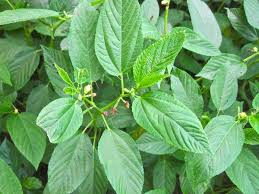
Jute or saluyot leaves (called ewedu among the Yorubas and rama among the Hausas) are used as a food source in many parts of the world. It is a popular vegetable in West Africa and is not just rich in nutrition but also has a lot of health benefits, including protecting us from various diseases. Ewedu leaf is low in calories but high in vitamins and minerals.
The fiber-rich stem of the jute plant has been dismissed as just a source for bags and ropes. The reason for this probably lies in the fact that this food with its tender leaves is so commonly grown in many parts of the world that it had no commercial value as a food product.
The popular ewedu soup (Jute or Saluyot leaves) among the yorubas is prepared with the ewedu leaf, which makes the soup highly nutritious. This greenish slimy soup can be enjoyed in different forms. Gbegiri (local beans soup) can be added to this soup for a better taste. The ewedu soup is mostly eaten with Amala.
Read Also: Reasons why Amala (Yam flour) is good for you
Nutritional Value and Health Benefits of Jute or Saluyot leaves (Ewedu)

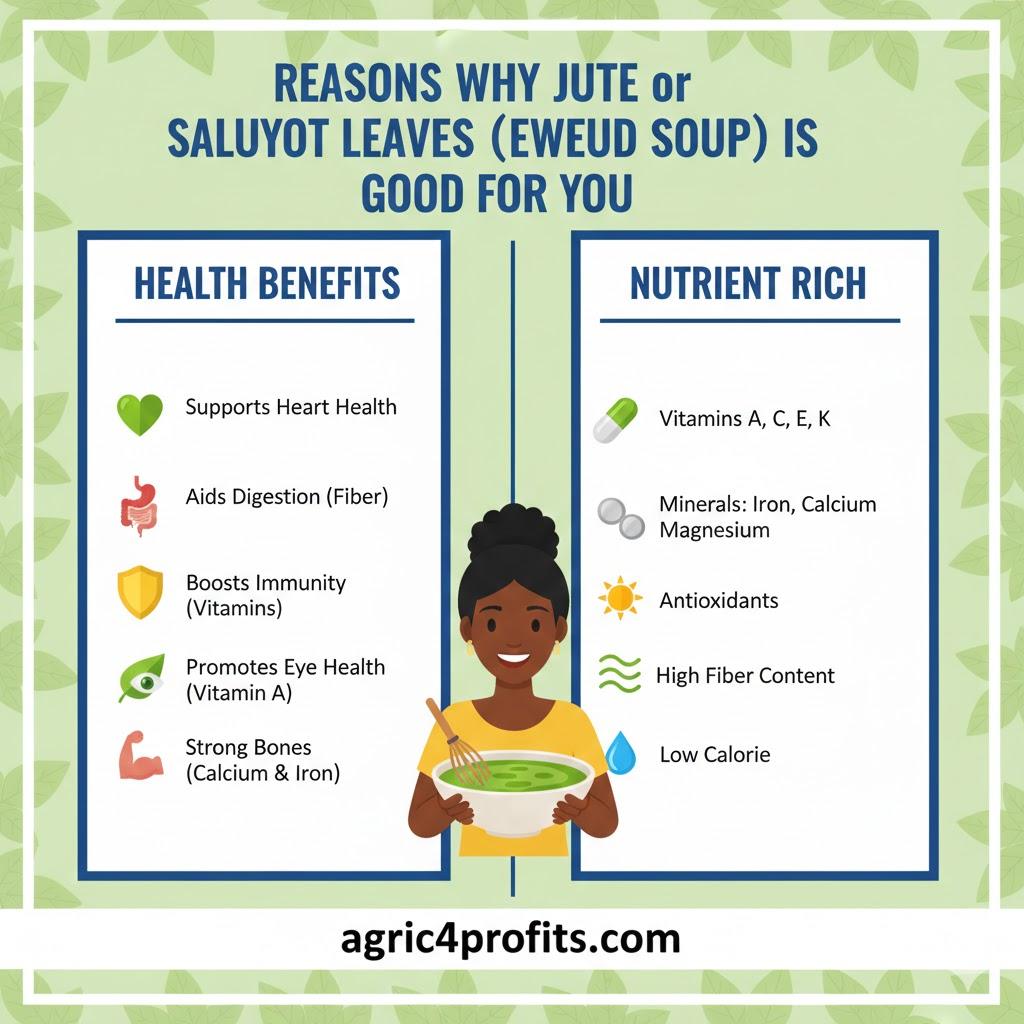
1. Dietary Fibre: The ewedu leaf is an adequate source of fibre, making the plant very helpful in dealing with weight management and promoting intestinal health by helping with bowel movement.
2. Antioxidant Trio: Ewedu leaves contain vitamins A, C, and E which fend off free radicals, thereby protecting the body from degenerative diseases and increasing collagen production.
3. Disease Prevention: These micro nutrients aid in reducing the chances of illness in the consumer and boosting the immune system.
4. Digestive Management: Due to the vitamins and minerals present, they are used in managing stomach-related conditions such as dysentery and constipation.
5. Pain Relief: The leaves are used to relief pains and possess some anti-tumour properties.
Antioxidants and Optical Health in Ewedu
1. Beta-carotene: The Ewedu leaf is rich in beta-carotene which supports good eyesight and maintains healthy vision.
2. Chronic Disease Protection: The high antioxidant property, primarily Vitamin E, combines with free radicals to prevent problems like arthritis and hardening of arteries.
3. Organ Support: These antioxidants help in preventing heart and kidney ailments by neutralizing harmful metabolic byproducts.
Bone Density and Cardiovascular Wellness
1. Calcium Content: It contains a high percentage of calcium, which contributes significantly to building strong teeth and bones.
2. Fiber Regulation: Being rich in fiber helps to control blood pressure, cholesterol build-up, and diabetes while lowering the risk of asthma and cancer.
3. Heart Disease Prevention: Regular intake of the leaves prevents heart disease by managing lipid profiles and improving circulation.
Maternal Health and Traditional Remedies
1. Labor Support: A bunch of ewedu leaves squeezed with the stem can be given to pregnant women experiencing prolonged labor to aid delivery.
2. Lactation Aid: It has been discovered to aid milk secretion in lactating mothers, ensuring better nutrition for infants.
3. Parasite Control: It is used as herbal medicine to control or prevent worm infestation and manage dysentery effectively.
Read Also: How to Make an Avocado Tree Bear Fruit
Scientific Evidence and Case Studies on Ewedu Leaves
1. Hypoglycemic Properties: Studies have demonstrated that jute leaf extracts significantly reduce blood glucose levels, supporting its use in traditional diabetes management.
2. Antimicrobial Efficacy: Research indicates that the bioactive compounds in saluyot leaves inhibit the growth of certain bacterial strains responsible for gastrointestinal infections.
3. Anti-Inflammatory Action: Case studies on the phenolic content of ewedu show a marked reduction in systemic inflammation markers when consumed regularly.
4. Hepatoprotective Effects: Scientific evaluation has shown that the antioxidants in jute leaves help protect liver cells from oxidative stress and toxin-induced damage.
5. Wound Healing Potential: Lab results suggest that the high vitamin C and E content in the leaves accelerates tissue regeneration and collagen synthesis in dermal wounds.
Summary of Jute or Saluyot Leaves (Ewedu)
| Category | Key Benefit |
| Nutrients | High in Vitamins A, C, E, Calcium, and Iron |
| Digestion | High fiber for constipation and weight management |
| Skin & Vision | Beta-carotene for eyes; Collagen for youthful skin |
| Chronic Illness | Prevents arthritis, heart disease, and hypertension |
| Maternal Care | Facilitates labor and increases breast milk production |
| Traditional Use | Treats worms, dysentery, and inflammation |
Frequently Asked Questions
1. Is Ewedu soup good for weight loss?
Yes, the high fiber content makes you feel full longer and helps regulate digestion, which is excellent for weight management.
2. Can I drink raw Ewedu juice?
Yes, in many traditional settings, the leaves are squeezed and the liquid is drunk to help with labor or stomach issues.
3. Does Ewedu really make the skin look younger?
It contains Vitamins A, C, and E, which are known to boost collagen and fight the free radicals that cause aging.
4. How does Ewedu help pregnant women?
It is traditionally used to assist in cases of prolonged labor and to help new mothers produce more breast milk.
5. Can children eat Ewedu soup?
Absolutely; it is highly nutritious and its slimy texture often makes it easier for children to swallow solid foods like Amala.
6. Does it help with high blood pressure?
The fiber and antioxidants in the leaves help in controlling cholesterol and blood pressure levels.
7. Can Ewedu treat stomach ulcers?
While it is used for general stomach conditions like constipation, you should consult a doctor for specific medical conditions like ulcers.
8. Is there a difference between Jute, Saluyot, and Ewedu?
No, they are different names for the same plant (Corchorus olitorius) used across different cultures.
9. How do I preserve the nutrients when cooking?
It is best to cook the leaves quickly and avoid over-boiling to ensure the vitamins aren’t completely destroyed by heat.
Do you have any questions, suggestions, or contributions? If so, please feel free to use the comment box below to share your thoughts. We also encourage you to kindly share this information with others who might benefit from it. Since we can’t reach everyone at once, we truly appreciate your help in spreading the word. Thank you very much for your support and for sharing!
Disclaimer: This article is for educational and informational purposes only. The health benefits described are based on scientific research and traditional knowledge. They ayre not a substitute for professional medical advice, diagnosis, or treatment. Always consult a healthcare professional before using any herb or natural remedy for medical purposes.
Read Also: Tips for Maintaining a Clean Garbage Disposal