


Blueberry bark refers to the outer protective covering of the stems and branches of the blueberry plant (Vaccinium spp.). This bark serves as a vital layer of defense, supporting the plant's structural integrity and protecting it from environmental stresses.
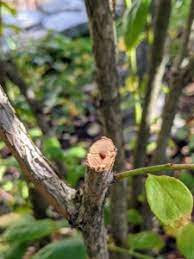
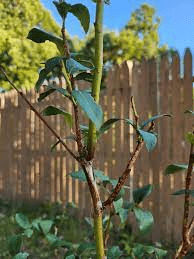
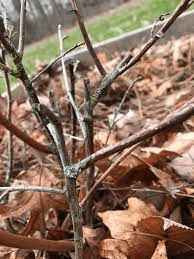
The bark of a blueberry plant undergoes changes in appearance and texture as the plant matures. Young stems often have smooth, thin bark that may be greenish-gray in color. As the plant ages, the bark becomes thicker, rougher, and darker in color, developing characteristic ridges and furrows.
One of the primary functions of blueberry bark is to provide structural support to the stems and branches. The bark helps these structures withstand mechanical stresses such as wind, rain, and snow, preventing them from bending or breaking. Additionally, the bark facilitates the flow of water and nutrients throughout the plant, playing a crucial role in its growth and development.
Blueberry bark also serves as a protective barrier against pests, diseases, and environmental damage. The outer layer of the bark contains compounds that deter herbivores and pathogens from invading the plant's tissues. Furthermore, the rough texture of the bark can provide physical protection against mechanical damage and extreme temperatures.
In addition to its functional roles, blueberry bark has been used in traditional medicine for its potential health benefits. Some cultures utilize extracts from blueberry bark for various medicinal purposes, although scientific research on its efficacy and safety is limited.
Overall, blueberry bark is an essential component of the blueberry plant, providing support, protection, and regulatory functions crucial for its growth and survival. Understanding the characteristics and management of blueberry bark is important for ensuring the health and productivity of blueberry crops.
🌿 Go Organic on Your Farm: Instead of harmful chemical pesticides and fertilisers, try our organic farming products — including neem oil spray, bio-pesticides, natural plant treatments, organic seeds and seedlings, suckers, and many more organic products that are safe for your health, your family, your soil and your harvest. Shop Now →
The Economic Importance and Uses of Blueberry Bark
1. Medicinal Uses: Blueberry bark is utilized in traditional medicine for its anti-inflammatory properties. It can be brewed into a tea to alleviate joint pain and swelling.
2. Natural Dye: The bark of blueberry plants can be boiled to extract a rich blue dye, which is used in textile industries for coloring fabrics.
3. Animal Feed: Blueberry bark is often incorporated into animal feed as a source of fiber and nutrients for livestock, particularly in organic farming practices.
4. Soil Erosion Control: Due to its fibrous nature, blueberry bark is employed in erosion control measures, such as mulching, to stabilize soil and prevent erosion.
🔧 Free Farm Tool Available: Use our free Agric4Profits Farm Tools to calculate your farm profits, formulate feeds, identify pests and diseases on both your crops and animal farms, plan your planting and harvesting season, including many more farm tasks to get free expert advice and recommendations — completely free, no registration required. Access Free Tools →
5. Horticultural Uses: Blueberry bark is used as a mulch in gardens and landscaping to retain moisture, suppress weeds, and regulate soil temperature.
6. Decorative Crafts: Crafters use dried blueberry bark in various decorative projects, such as wreaths, floral arrangements, and potpourri.
7. Bioenergy Production: Blueberry bark can be processed into biomass fuel, contributing to renewable energy sources and reducing reliance on fossil fuels.
8. Cosmetics: Extracts from blueberry bark are incorporated into skincare products for their antioxidant properties, which help combat signs of aging and promote skin health.
9. Herbal Teas: Dried blueberry bark is a common ingredient in herbal tea blends, prized for its earthy flavor and potential health benefits.
💬 Have a Farming Question? Join thousands of farmers across Africa on the Agric4Profits Community — ask questions, share experiences and connect with agricultural experts. It is completely free. Ask Your Question Now →
10. Traditional Smoking: In some cultures, blueberry bark is dried and used as a flavoring agent for smoking meats and fish, imparting a subtle fruity aroma.
11. Tannin Extraction: Blueberry bark contains tannins, which are extracted and used in tanning leather, dyeing, and preserving natural materials.
12. Natural Insect Repellent: Infusions made from blueberry bark are believed to repel insects when sprayed on plants or used as a topical repellent.
13. Folklore Remedies: Various folklore traditions attribute mystical properties to blueberry bark, including protection against evil spirits and enhancing luck.
14. Aromatic Potpourri: Dried blueberry bark is often included in potpourri mixes for its rustic appearance and subtle fragrance.
15. Traditional Basketry: Indigenous communities use blueberry bark strips in traditional basket weaving, creating durable and functional baskets for storage and transportation.
16. Culinary Flavoring: Blueberry bark extracts are sometimes used in culinary applications to add a hint of earthiness to dishes, particularly in Scandinavian cuisine.
17. Soil Conditioner: Powdered blueberry bark can be added to soil as a conditioner, improving its structure and nutrient content for plant growth.
18. Pharmaceutical Research: Blueberry bark extracts are studied for their potential pharmaceutical applications, including as anti-diabetic agents and cancer treatments.
📖 Want to Go Deeper on This Topic?
Our expert agricultural ebooks cover poultry, fish farming, different crops production, snail farming, organic farming, mushrooms, sheep, cattle, flowers, pig farming, goat farming, agribusiness, etc. in practical step-by-step detail — written by agricultural professionals for African farmers.
Browse All Farming Ebooks →Read Also: Mealybug: The Silent Garden Threat – How to Defend Your Plants
The Products and By-products That Can Be Derived From Blueberry Bark
1. Blue Dye Production: The bark can be boiled to extract blue dye, which is used in textiles, cosmetics, and food coloring.
2. Mulch Production: Blueberry bark is shredded and processed into mulch, which is sold for horticultural and landscaping purposes.
3. Biomass Fuel: Dried blueberry bark can be compressed into pellets or briquettes for use as biomass fuel in heating systems.
4. Herbal Tea Blends: Dried blueberry bark is packaged and sold as an ingredient in herbal tea blends marketed for their health benefits.
5. Animal Bedding: Processed blueberry bark can be used as bedding material for animals, providing a comfortable and absorbent surface.
6. Tannin Extraction: Tannins extracted from blueberry bark are used in leather tanning, dyeing, and preserving natural materials.
7. Potpourri Ingredients: Dried blueberry bark is included in potpourri mixes for its aesthetic appeal and subtle fragrance.
8. Basket Weaving Materials: Blueberry bark strips are used in traditional basket weaving to create functional and decorative baskets.
9. Soil Conditioner Additive: Powdered blueberry bark is mixed with soil to improve its texture and nutrient retention for plant growth.
10. Pharmaceutical Extracts: Blueberry bark extracts are processed for use in pharmaceutical research and product development.
11. Natural Insect Repellent: Infusions made from blueberry bark are used as natural insect repellents for plants and skin.
12. Decorative Crafts: Dried blueberry bark is utilized in various crafts, such as wreath-making and floral arrangements, for its rustic charm.
13. Culinary Flavors: Blueberry bark extracts are incorporated into culinary applications for their unique flavor profile.
14. Soil Erosion Control: Blueberry bark mulch helps prevent soil erosion by stabilizing the ground and reducing water runoff.
15. Soil Amendment: Blueberry bark adds organic matter to soil, improving its fertility and structure over time.
16. Aromatherapy: Blueberry bark infusions are used in aromatherapy for their calming and grounding properties.
17. Traditional Medicine: Blueberry bark is used in traditional medicine for its anti-inflammatory and antioxidant properties.
Read Also: 7 Medicinal Health Benefits Of Ribes divaricatum (Straggly Gooseberry)
Frequently Asked Questions (FAQs) About Blueberry Bark
1. What are the main uses of blueberry bark?
Blueberry bark has various uses, including medicinal applications, natural dye production, animal feed, and soil erosion control.
2. Can blueberry bark be consumed directly?
While blueberry bark is not typically consumed directly, it is used to brew herbal teas or incorporated into other products for consumption.
3. Is blueberry bark safe for animals?
Yes, blueberry bark is safe for animals and is often used as a bedding material or added to animal feed for its nutritional benefits.
4. How is blueberry bark harvested sustainably?
Blueberry bark is typically harvested during routine pruning of blueberry bushes to promote plant health and sustainability.
5. Are there any potential side effects of using blueberry bark?
While generally safe, excessive consumption of blueberry bark or its extracts may cause gastrointestinal discomfort in some individuals.
6. Can blueberry bark be composted?
Yes, blueberry bark can be composted along with other organic materials to enrich the soil and promote plant growth.
7. Is blueberry bark suitable for organic gardening?
Yes, blueberry bark is a natural and organic material often used in gardening and landscaping practices.
8. How long does blueberry bark mulch last?
Blueberry bark mulch can last for several months to a year, depending on environmental conditions and maintenance practices.
9. Can blueberry bark be used in herbal remedies?
Yes, blueberry bark is used in traditional herbal medicine for its anti-inflammatory and antioxidant properties.
10. Are there any cultural or historical significance associated with blueberry bark?
Blueberry bark holds cultural significance in various indigenous traditions and has been used historically for medicinal and ceremonial purposes.
Read Also: Effects of Pollution on Fish, Algae, Zooplankton, Benthic Organisms, and Water Quality
🌱 Take Your Farming Further With Agric4Profits
Based on what you just read, here are free resources and products from Agric4Profits that can help your farm right now:
- 🛒 Visit Our Marketplace — Organic neem oil, bio-pesticides, seeds and farming products
- 📚 Read Premium Content — Advanced guides for serious and profitable farming
- 🎓 Join Our Free Academy — Structured free training for farmers across Africa
- 🔧 Use Our Free Farm Tools — Profit calculators, feed formulation, pest identifier and more
- 💬 Join Our Farming Community — Connect with farmers across all 54 African countries
- ❓ Ask a Farming Question — Get answers from experienced farmers and agricultural experts
Please cite this content in academic work, research, or publications.