


The blueberry peduncle is the stalk or stem that supports the entire cluster of flowers or fruit on the blueberry plant (Vaccinium spp.). It serves as a vital structure that connects the inflorescence or fruit cluster to the main stem or branch of the plant.
In the case of flowers, the peduncle supports the entire cluster of blossoms, ensuring they are elevated and easily accessible to pollinators. This positioning facilitates pollination and subsequent fruit development. Once pollinated, the peduncle continues to support the developing fruit until it reaches maturity.
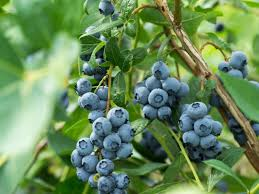
When blueberries form, the peduncle supports the cluster of berries as they grow and ripen. It provides stability and strength to the fruit cluster, ensuring that the weight of the berries does not cause the peduncle to break or bend excessively.
The length and thickness of the blueberry peduncle can vary depending on factors such as the variety of blueberry, growing conditions, and the stage of growth. Strong, healthy peduncles are important for the successful development and harvest of blueberries, as they help ensure that the flowers or fruit receive adequate support and nutrients.
Overall, the blueberry peduncle plays a crucial role in the reproductive and fruiting process of the blueberry plant, providing support and stability to the flowers or fruit clusters and facilitating successful pollination and fruit development.
The Economic Importance and Uses of Blueberry Peduncle
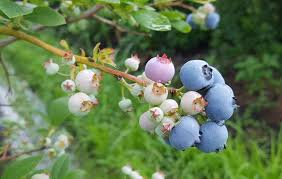
1. Fruit Development: Blueberry peduncles play a vital role in fruit development. They support and nourish the developing berries, ensuring their growth and maturity. Healthy peduncles are essential for the successful production of high-quality blueberries.
🌿 Go Organic on Your Farm: Instead of harmful chemical pesticides and fertilisers, try our organic farming products — including neem oil spray, bio-pesticides, natural plant treatments, organic seeds and seedlings, suckers, and many more organic products that are safe for your health, your family, your soil and your harvest. Shop Now →
2. Commercial Blueberry Production: Blueberry peduncles are crucial for the commercial production of blueberries. They support the fruit clusters and help optimize berry size and yield. The quality of blueberry peduncles directly impacts the profitability of blueberry farms.
3. Ornamental Horticulture: Blueberry peduncles are valued for their ornamental beauty. Some blueberry varieties are cultivated for their attractive peduncles, which enhance the visual appeal of gardens, landscapes, and ornamental plantings.
4. Botanical Research: Botanists and researchers study blueberry peduncles to better understand fruit development and plant physiology. Research on blueberry peduncles contributes to the improvement of agricultural practices and the development of new blueberry cultivars.
5. Honey Production: Bees collect nectar from blueberry peduncles to produce blueberry honey. This specialty honey variety is sought after for its unique flavor and potential health benefits, contributing to the profitability of beekeeping operations.
🔧 Free Farm Tool Available: Use our free Agric4Profits Farm Tools to calculate your farm profits, formulate feeds, identify pests and diseases on both your crops and animal farms, plan your planting and harvesting season, including many more farm tasks to get free expert advice and recommendations — completely free, no registration required. Access Free Tools →
6. Medicinal Uses: In traditional medicine, extracts from blueberry peduncles are used for their potential health benefits, including anti-inflammatory and antioxidant properties. While further research is needed, blueberry peduncle extracts hold promise in herbal remedies.
7. Culinary Applications: Blueberry peduncles can be used in culinary applications, such as garnishes or flavorings. While not as commonly used as the berries themselves, blueberry peduncles add a unique touch to culinary creations and are sometimes included in specialty dishes.
8. Landscape Design: Blueberry peduncles are used in landscape design to add visual interest and texture to outdoor spaces. Their delicate appearance and vibrant color make them an attractive addition to gardens, flower beds, and mixed plantings.
9. Beekeeping: Blueberry peduncles provide a valuable nectar source for bees, supporting bee populations and honey production. Beekeepers often place their hives near blueberry fields during bloom to allow bees to forage on the nectar-rich peduncles.
10. Ecological Importance: Blueberry peduncles play a role in supporting biodiversity by providing food and habitat for pollinators and other wildlife species. They contribute to the functioning of natural ecosystems and the health of native plant communities.
💬 Have a Farming Question? Join thousands of farmers across Africa on the Agric4Profits Community — ask questions, share experiences and connect with agricultural experts. It is completely free. Ask Your Question Now →
11. Wedding and Event Decor: Blueberry peduncles are sometimes used in wedding bouquets, centerpieces, and event decorations. Their unique appearance and natural beauty make them a desirable choice for special occasions.
12. Floral Industry: Blueberry peduncles are valued by the floral industry for their beauty and versatility. Florists use them in arrangements for various occasions, from weddings to everyday floral designs.
13. Aromatherapy: Blueberry peduncle essences are used in aromatherapy for their calming and uplifting effects on mood and emotions. The subtle fragrance of blueberry peduncles promotes relaxation and stress relief, making them a popular choice in aromatherapy blends.
14. Sustainable Agriculture: Blueberry peduncles support pollinator populations and enhance ecosystem services in agroecosystems, contributing to sustainable agriculture practices.
15. Cultural Significance: Blueberry peduncles hold cultural significance in some indigenous cultures, where they are used in ceremonial rituals, storytelling, and traditional crafts.
16. Botanical Studies: Blueberry peduncles are used in botanical studies and research to understand fruit development, plant physiology, and genetic diversity.
17. Landscape Restoration: Blueberry peduncles are used in ecological restoration projects to reintroduce native plant species and enhance biodiversity in degraded habitats. Including blueberry plants in restoration efforts promotes habitat resilience and ecosystem health.
Read Also: 17 Medicinal Health Benefits Of Walnut (Juglans regia)
The Products and By-products That Can Be Derived From Blueberry Peduncle
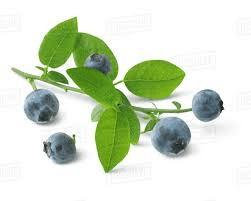
1. Blueberry Honey: Bees collect nectar from blueberry peduncles to produce blueberry honey, a sought-after specialty honey variety known for its unique flavor and potential health benefits.
📖 Want to Go Deeper on This Topic?
Our expert agricultural ebooks cover poultry, fish farming, different crops production, snail farming, organic farming, mushrooms, sheep, cattle, flowers, pig farming, goat farming, agribusiness, etc. in practical step-by-step detail — written by agricultural professionals for African farmers.
Browse All Farming Ebooks →2. Medicinal Extracts: Extracts from blueberry peduncles are used in traditional medicine for their potential health benefits, including anti-inflammatory and antioxidant properties.
3. Culinary Ingredients: Blueberry peduncles can be used in culinary applications, such as garnishes or flavorings in dishes.
4. Botanical Research Materials: Blueberry peduncles are used in botanical research to study fruit development, plant physiology, and genetic diversity.
5. Landscape Design Elements: Blueberry peduncles are used in landscape design to add visual interest and texture to outdoor spaces.
6. Aromatherapy Essences: Blueberry peduncle essences are used in aromatherapy for their calming and uplifting effects on mood and emotions.
7. Herbal Remedies: Blueberry peduncle extracts are used in herbal remedies for their potential health benefits.
8. Wedding Decorations: Blueberry peduncles are sometimes used in wedding bouquets, centerpieces, and event decorations.
9. Floral Arrangements: Blueberry peduncles are valued by florists for their beauty and versatility in floral arrangements.
10. Botanical Art: Blueberry peduncles are used in botanical art, including paintings, drawings, and pressed flower arrangements.
11. Beekeeping Products: Blueberry peduncles support bee populations and contribute to honey production in apiaries.
12. Skincare Formulations: Extracts from blueberry peduncles are incorporated into botanical skincare products for their potential antioxidant and anti-inflammatory properties.
13. Culinary Flavorings: Blueberry peduncles can be used as flavorings or garnishes in culinary dishes.
14. Landscape Restoration: Blueberry peduncles are used in ecological restoration projects to enhance biodiversity in natural habitats.
15. Sustainable Agriculture Practices: Blueberry peduncles support pollinator populations and contribute to ecosystem health in agricultural landscapes.
16. Cultural Artifacts: Blueberry peduncles hold cultural significance in some indigenous cultures, where they are used in ceremonial rituals, storytelling, and traditional crafts.
Read Also: 19 The Medicinal Health Benefits of Reishi Mushroom (Ganoderma lucidum)
Frequently Asked Questions (FAQs) About Blueberry Peduncle
1. Are blueberry peduncles edible?
Blueberry peduncles are not typically consumed as food. However, they are sometimes used in culinary applications for flavoring or garnishing dishes.
2. Do blueberry peduncles have a scent?
Blueberry peduncles do not typically have a noticeable scent. The focus is often on the berries themselves rather than the peduncles.
3. How long do blueberry peduncles last?
Blueberry peduncles typically remain on the plant until the berries are harvested. After harvesting, the peduncles may dry up and fall off naturally.
4. Are blueberry peduncles used in landscaping?
Yes, blueberry peduncles can be used in landscaping to add visual interest and texture to outdoor spaces.
5. Can blueberry peduncles be dried for crafts?
Yes, blueberry peduncles can be dried and used in various crafts, such as floral arrangements or pressed flower art.
6. Do blueberry peduncles attract bees?
Blueberry peduncles may attract bees and other pollinators while the flowers are in bloom. Bees collect nectar from the flowers, which can contribute to honey production.
7. Can blueberry peduncles be used in aromatherapy?
Blueberry peduncle essences are not commonly used in aromatherapy. The focus is often on other plant parts, such as leaves or berries, for their aromatic properties.
8. Are blueberry peduncles toxic to pets?
There is no evidence to suggest that blueberry peduncles are toxic to pets. However, it's always best to prevent pets from consuming large quantities of any plant material.
9. Do blueberry peduncles have any medicinal properties?
Blueberry peduncles are not typically used for medicinal purposes. However, extracts from other parts of the blueberry plant, such as the berries or leaves, may have potential health benefits.
10. Are blueberry peduncles important for blueberry production?
Yes, blueberry peduncles play a vital role in blueberry production by supporting the development and growth of the berries. Healthy peduncles contribute to optimal fruit set and yield.
Read Also: Top 20 Proven Benefits of Ginger Plant
🌱 Take Your Farming Further With Agric4Profits
Based on what you just read, here are free resources and products from Agric4Profits that can help your farm right now:
- 🛒 Visit Our Marketplace — Organic neem oil, bio-pesticides, seeds and farming products
- 📚 Read Premium Content — Advanced guides for serious and profitable farming
- 🎓 Join Our Free Academy — Structured free training for farmers across Africa
- 🔧 Use Our Free Farm Tools — Profit calculators, feed formulation, pest identifier and more
- 💬 Join Our Farming Community — Connect with farmers across all 54 African countries
- ❓ Ask a Farming Question — Get answers from experienced farmers and agricultural experts
Please cite this content in academic work, research, or publications.