


Blueberry fruits are small, round berries that typically range in size from a pea to a marble. They belong to the genus Vaccinium and are known for their sweet and slightly tart flavor, as well as their vibrant blue-purple color when ripe. Blueberries are a popular and versatile fruit, enjoyed fresh as a snack or used in various culinary applications.
In addition to their delicious taste, blueberries are prized for their nutritional value. They are rich in antioxidants, vitamins, and minerals, making them a nutritious addition to any diet. Blueberries are particularly high in vitamin C, vitamin K, and manganese, and they are also a good source of dietary fiber.
Blueberries can be consumed fresh, added to cereals, salads, or yogurt, or used in baking and cooking. They are commonly featured in pies, muffins, pancakes, and jams, adding sweetness and flavor to a wide range of dishes. Blueberries are also popular in smoothies and juices, both for their taste and their health benefits.
In addition to their culinary uses, blueberries have potential medicinal properties. Some research suggests that the antioxidants found in blueberries may help reduce inflammation, improve cognitive function, and lower the risk of certain chronic diseases, such as heart disease and cancer.
Overall, blueberry fruits are not only delicious but also nutritious and versatile, making them a favorite among consumers and a valuable crop for farmers. Whether enjoyed fresh or incorporated into various dishes, blueberries offer a delightful burst of flavor and a host of health benefits.
The Economic Importance and Uses of Blueberry Fruits
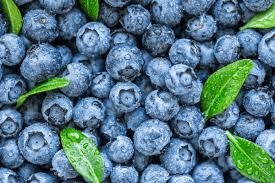
1. Food Industry: Blueberry fruits are widely used in the food industry for various purposes, including fresh consumption, baking, jam-making, and flavoring in yogurts, cereals, and desserts.
🌿 Go Organic on Your Farm: Instead of harmful chemical pesticides and fertilisers, try our organic farming products — including neem oil spray, bio-pesticides, natural plant treatments, organic seeds and seedlings, suckers, and many more organic products that are safe for your health, your family, your soil and your harvest. Shop Now →
2. Export Market: Blueberry fruits contribute significantly to the export market, with countries exporting fresh and processed blueberries to international markets, generating revenue and supporting agricultural economies.
3. Nutritional Value: Blueberry fruits are valued for their high nutritional content, rich in antioxidants, vitamins (such as vitamin C and vitamin K), minerals (such as manganese), and dietary fiber, contributing to overall health and well-being.
4. Culinary Innovation: Blueberry fruits inspire culinary innovation, leading to the development of new recipes, products, and flavor combinations in the food and beverage industry, including smoothies, salads, and cocktails.
5. Agrotourism: Blueberry farms attract tourists and visitors for agrotourism activities such as pick-your-own blueberry events, farm tours, and festivals, providing additional income opportunities for farmers and rural communities.
🔧 Free Farm Tool Available: Use our free Agric4Profits Farm Tools to calculate your farm profits, formulate feeds, identify pests and diseases on both your crops and animal farms, plan your planting and harvesting season, including many more farm tasks to get free expert advice and recommendations — completely free, no registration required. Access Free Tools →
6. Value-added Products: Blueberry fruits are processed into value-added products such as jams, jellies, sauces, syrups, and concentrates, extending shelf life, and diversifying product offerings for consumers.
7. Health and Wellness Industry: Blueberry fruits are utilized in the health and wellness industry for their potential health benefits, including anti-inflammatory, antioxidant, and anti-aging properties, leading to the production of supplements, extracts, and functional foods.
8. Beverage Industry: Blueberry fruits are used in the beverage industry to flavor and enhance various beverages, including juices, teas, smoothies, and alcoholic drinks, appealing to consumers seeking natural flavors and health benefits.
9. Frozen Foods: Blueberry fruits are frozen for preservation and used in the frozen food industry to make frozen desserts, pies, pastries, and smoothie packs, offering convenience and year-round availability.
10. Culinary Arts: Blueberry fruits are celebrated in the culinary arts for their vibrant color, sweet-tart flavor, and versatility, featured in gourmet dishes, pastry creations, and confectionery delights by chefs and bakers worldwide.
💬 Have a Farming Question? Join thousands of farmers across Africa on the Agric4Profits Community — ask questions, share experiences and connect with agricultural experts. It is completely free. Ask Your Question Now →
11. Ingredient Manufacturing: Blueberry fruits are processed into ingredient products such as extracts, powders, and flavorings, used in food manufacturing, baking, and confectionery industries for consistent flavor and aroma profiles.
12. Home Gardening: Blueberry plants are cultivated in home gardens and landscapes for fresh blueberry production, providing homeowners with a sustainable source of nutritious fruit and ornamental beauty.
13. Cosmetic Industry: Blueberry extracts and oils are used in the cosmetic industry for their skincare benefits, including moisturizing, anti-aging, and antioxidant properties, incorporated into skincare products such as lotions, creams, and serums.
14. Research and Development: Blueberry fruits are studied in research and development programs to explore their potential health benefits, cultivation techniques, genetic diversity, and post-harvest handling, driving innovation in agriculture and food science.
15. Preservative-free Products: Blueberry fruits are utilized in the production of preservative-free and natural food products, appealing to consumers seeking clean-label and minimally processed options in their diets.
16. Snack Foods: Blueberry fruits are dried, freeze-dried, or made into fruit leather for use in snack foods, providing a healthy alternative to traditional processed snacks for on-the-go consumption.
17. Community-supported Agriculture (CSA): Blueberry farms participate in CSA programs, offering community members seasonal shares of fresh blueberries, fostering local food systems, and supporting sustainable agriculture practices.
18. Environmental Conservation: Blueberry cultivation supports environmental conservation efforts by promoting sustainable farming practices, preserving biodiversity, and protecting natural habitats in agricultural landscapes.
Read Also: 5 Medicinal Health Benefits Of Viola adunca (Hookspur Violet)
📖 Want to Go Deeper on This Topic?
Our expert agricultural ebooks cover poultry, fish farming, different crops production, snail farming, organic farming, mushrooms, sheep, cattle, flowers, pig farming, goat farming, agribusiness, etc. in practical step-by-step detail — written by agricultural professionals for African farmers.
Browse All Farming Ebooks →The Products and By-products That Can Be Derived From Blueberry Fruits
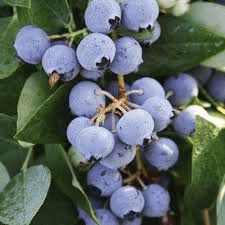
1. Fresh Blueberries: Blueberry fruits are harvested and sold fresh in markets, grocery stores, and farm stands for direct consumption or use in cooking, baking, and snacking.
2. Frozen Blueberries: Blueberry fruits are frozen for preservation and sold as frozen berries in supermarkets, used in cooking, baking, and smoothie making throughout the year.
3. Blueberry Jam: Blueberry fruits are cooked with sugar and pectin to make blueberry jam, a sweet and spreadable fruit preserve enjoyed on toast, pastries, and desserts.
4. Blueberry Juice: Blueberry fruits are juiced and processed into blueberry juice, a refreshing beverage rich in antioxidants and vitamins, available in bottled or concentrated forms.
5. Blueberry Pie: Blueberry fruits are baked into pies, a classic dessert enjoyed with a flaky crust and sweet blueberry filling, often served with whipped cream or vanilla ice cream.
6. Blueberry Sauce: Blueberry fruits are cooked with sugar and water to make blueberry sauce, used as a topping for pancakes, waffles, cheesecakes, and ice cream desserts.
7. Blueberry Syrup: Blueberry fruits are simmered with sugar to make blueberry syrup, a flavorful topping for breakfast foods, desserts, and beverages, such as pancakes, yogurt, and cocktails.
8. Blueberry Extracts: Blueberry fruits are processed into extracts for use in flavoring, coloring, and enhancing various food and beverage products, including yogurt, ice cream, and baked goods.
9. Blueberry Powder: Blueberry fruits are dried and ground into powder for use in smoothies, shakes, baking mixes, and nutritional supplements, providing concentrated flavor and antioxidant benefits.
10. Blueberry Preserves: Blueberry fruits are cooked with sugar and stored in jars as preserves, maintaining the fruit's texture and flavor for long-term storage and enjoyment.
11. Blueberry Vinegar: Blueberry fruits are fermented into vinegar, a tangy and fruity condiment used in salad dressings, marinades, and sauces, adding depth of flavor to dishes.
12. Blueberry Wine: Blueberry fruits are fermented into wine, a flavorful and aromatic beverage enjoyed as a dessert wine or paired with cheeses, chocolates, and savory dishes.
13. Blueberry Tea: Blueberry fruits are dried and brewed into tea, a fragrant and antioxidant-rich beverage enjoyed hot or cold, often blended with other herbs and spices for added flavor complexity.
14. Blueberry Liqueur: Blueberry fruits are macerated in alcohol and sweetened to make blueberry liqueur, a flavorful and versatile spirit used in cocktails, desserts, and culinary creations.
15. Blueberry Vinegar: Blueberry fruits are fermented into vinegar, a tangy and fruity condiment used in salad dressings, marinades, and sauces, adding depth of flavor to dishes.
16. Blueberry Extracts: Blueberry fruits are processed into extracts for use in flavoring, coloring, and enhancing various food and beverage products, including yogurt, ice cream, and baked goods.
17. Blueberry Soap: Blueberry extracts are infused into soap formulations for their antioxidant and skin-soothing properties, producing fragrant and nourishing bath products for personal care routines.
Read Also: Quail Eggs – The Super Food (34 Amazing Health Benefits)
Frequently Asked Questions (FAQs) About Blueberry Fruits
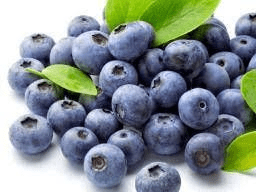
1. Are blueberry fruits nutritious?
Yes, blueberry fruits are highly nutritious, containing antioxidants, vitamins, minerals, and dietary fiber, which contribute to overall health and well-being.
2. How should I store fresh blueberries?
Fresh blueberries should be stored in the refrigerator, preferably in a ventilated container or perforated plastic bag, and consumed within a few days for optimal freshness.
3. Can I freeze blueberries?
Yes, blueberries can be frozen for long-term storage by spreading them in a single layer on a baking sheet, freezing until firm, and then transferring to a freezer bag or container for up to six months.
4. What are some culinary uses for blueberry fruits?
Blueberry fruits can be used in a variety of culinary applications, including baking pies, muffins, and cakes, making jams, sauces, and syrups, and adding to salads, smoothies, and yogurt parfaits.
5. Are there different varieties of blueberries?
Yes, there are different varieties of blueberries, including highbush, lowbush, and hybrid cultivars, each with distinct flavor profiles, sizes, and growing requirements.
6. How do I know when blueberries are ripe?
Ripe blueberries are deep blue in color, plump, and have a slight waxy bloom on their skin. They should be firm to the touch and easily detach from the stem when picked.
7. Can I grow blueberries in my garden?
Yes, blueberries can be grown in home gardens and landscapes, provided they have acidic soil, adequate sunlight, and regular watering. Different varieties are suited to different climates.
8. Are blueberries prone to pests and diseases?
Yes, blueberries can be susceptible to pests such as aphids, mites, and fruit flies, as well as diseases such as fungal infections and root rot, requiring proper management for optimal growth and yield.
9. Can I eat blueberry leaves?
While blueberry leaves are not typically consumed as food, they are sometimes used in herbal teas and traditional medicine for their potential health benefits, including antioxidant properties.
10. Are there any health risks associated with consuming blueberries?
Generally, blueberries are safe to consume for most people when eaten in moderation as part of a balanced diet. However, individuals with allergies to berries or certain medications should consult a healthcare professional before consuming large quantities of blueberries or blueberry products.
Read Also: A Comprehensive Guide to Buxus
🌱 Take Your Farming Further With Agric4Profits
Based on what you just read, here are free resources and products from Agric4Profits that can help your farm right now:
- 🛒 Visit Our Marketplace — Organic neem oil, bio-pesticides, seeds and farming products
- 📚 Read Premium Content — Advanced guides for serious and profitable farming
- 🎓 Join Our Free Academy — Structured free training for farmers across Africa
- 🔧 Use Our Free Farm Tools — Profit calculators, feed formulation, pest identifier and more
- 💬 Join Our Farming Community — Connect with farmers across all 54 African countries
- ❓ Ask a Farming Question — Get answers from experienced farmers and agricultural experts
Please cite this content in academic work, research, or publications.