


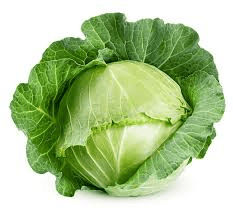
The cabbage head, scientifically known as Brassica oleracea var. capitata, is a leafy vegetable belonging to the Brassicaceae family, which also includes broccoli, cauliflower, and kale. It is characterized by its dense, round-shaped head formed by tightly packed leaves. Cabbage heads vary in size, ranging from small to large, depending on the variety and growing conditions.
The cabbage plant typically grows from a central stem, with leaves radiating outward and curving inward to form the characteristic head. These leaves are broad, smooth, and usually light to dark green in color, although there are also red and purple varieties. Each leaf is composed of several layers, with the innermost layers tightly packed together to form the core of the head.
Cabbage heads are rich in nutrients, making them a valuable addition to the diet. They are particularly high in vitamins C and K, as well as dietary fiber. Additionally, cabbage contains various antioxidants, such as anthocyanins and glucosinolates, which are believed to have numerous health benefits, including reducing the risk of chronic diseases like cancer and heart disease.
The formation of the cabbage head is a result of both genetic factors and environmental conditions. Different varieties of cabbage have been developed through selective breeding to produce heads of various sizes, shapes, and colors. Additionally, factors such as temperature, soil quality, and moisture levels can influence the growth and development of cabbage plants.
Cabbage is typically grown as an annual crop, meaning it completes its life cycle within a single growing season. It is cultivated in a wide range of climates and soil types, although it thrives in cool, temperate regions with well-drained soil. Cabbage can be grown from seeds or transplants and is commonly planted in rows with ample spacing to allow for proper growth and air circulation.
Throughout the growing season, cabbage plants require regular watering and fertilization to ensure healthy growth. They are also susceptible to various pests and diseases, including aphids, caterpillars, and fungal infections, which can affect the quality and yield of the crop. To manage these challenges, growers often employ integrated pest management strategies, such as crop rotation, mulching, and the use of biological controls.
🌿 Go Organic on Your Farm: Instead of harmful chemical pesticides and fertilisers, try our organic farming products — including neem oil spray, bio-pesticides, natural plant treatments, organic seeds and seedlings, suckers, and many more organic products that are safe for your health, your family, your soil and your harvest. Shop Now →
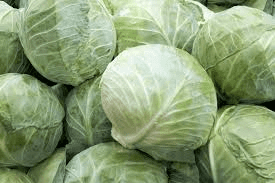
Harvesting cabbage heads is typically done when they reach maturity, which varies depending on the variety and growing conditions. Mature cabbage heads are firm to the touch and have a dense texture.
They can be harvested by cutting the stem at the base of the head, being careful not to damage the surrounding leaves. Once harvested, cabbage heads can be stored in a cool, dry place for several weeks, or they can be preserved through methods such as fermentation or pickling.
In addition to its culinary uses, cabbage has been used for various medicinal purposes throughout history. It has been traditionally used to treat a range of ailments, including digestive issues, inflammation, and skin conditions. While modern scientific research has yet to fully validate many of these traditional uses, studies have shown promising results regarding the potential health benefits of cabbage consumption.
In conclusion, the cabbage head is a versatile and nutritious vegetable with a long history of cultivation and consumption. Its distinctive appearance, rich nutrient profile, and potential health benefits make it a valuable addition to any diet. Whether enjoyed raw in salads, cooked in soups and stir-fries, or preserved for later use, cabbage remains a popular and widely cultivated crop worldwide.
🔧 Free Farm Tool Available: Use our free Agric4Profits Farm Tools to calculate your farm profits, formulate feeds, identify pests and diseases on both your crops and animal farms, plan your planting and harvesting season, including many more farm tasks to get free expert advice and recommendations — completely free, no registration required. Access Free Tools →
The Economic Importance and Uses of Cabbage Head

1. Culinary Use: Cabbage heads are commonly used as a versatile and nutritious vegetable in various culinary dishes such as salads, coleslaw, stir-fries, soups, stews, and pickles.
2. Food Industry: Cabbage heads are processed and utilized by the food industry to produce a wide range of value-added products such as sauerkraut, kimchi, fermented cabbage, canned vegetables, and dehydrated cabbage flakes.
3. Dietary Staple: Cabbage heads serve as a dietary staple in many cultures and cuisines worldwide, providing essential nutrients, vitamins, minerals, and dietary fiber to support human health and nutrition.
4. Export Crop: Cabbage heads are cultivated as an export crop in agricultural regions with favorable growing conditions, contributing to international trade and economic development through the export of fresh or processed cabbage products.
5. Livestock Feed: Cabbage heads and by-products such as outer leaves, trimmings, and damaged cabbage are used as feed ingredients for livestock and poultry, providing a nutritious and cost-effective feed source for animals.
💬 Have a Farming Question? Join thousands of farmers across Africa on the Agric4Profits Community — ask questions, share experiences and connect with agricultural experts. It is completely free. Ask Your Question Now →
6. Horticultural Ornament: Cabbage heads are sometimes grown as ornamental plants in horticultural settings such as gardens, parks, and landscaping designs, adding visual interest and aesthetic appeal to outdoor spaces.
7. Traditional Medicine: Cabbage heads have been used in traditional medicine systems for their purported health benefits, including anti-inflammatory, antioxidant, and digestive properties in herbal remedies and folk medicine practices.
8. Agricultural Rotation Crop: Cabbage heads are utilized in crop rotation systems to improve soil fertility, reduce pest and disease pressure, and enhance overall agricultural productivity in vegetable farming operations.
9. Value-added Products: Cabbage heads are processed into value-added products such as cabbage juice, cabbage powder, cabbage extract, and cabbage supplements for use in functional foods, dietary supplements, and natural health products.
10. Culinary Garnish: Cabbage heads are often used as a decorative garnish or serving vessel for presenting food dishes, adding color, texture, and visual appeal to culinary presentations in restaurants, banquets, and special events.
11. Traditional Festivals: Cabbage heads are sometimes featured in traditional festivals, cultural celebrations, and culinary events where they are showcased in cooking competitions, food exhibitions, and gastronomic festivals.
12. Food Preservation: Cabbage heads are utilized in food preservation techniques such as fermentation, pickling, and canning to extend their shelf life, enhance flavor, and preserve nutritional quality for long-term storage and consumption.
13. Culinary Innovation: Cabbage heads inspire culinary innovation and creativity among chefs, cooks, and food enthusiasts who experiment with new recipes, flavor combinations, and cooking methods to showcase the versatility and potential of this vegetable.
14. Community Gardening: Cabbage heads are grown in community gardens, school gardens, and urban agriculture projects to promote food security, sustainable agriculture, and community engagement in gardening and food production activities.
📖 Want to Go Deeper on This Topic?
Our expert agricultural ebooks cover poultry, fish farming, different crops production, snail farming, organic farming, mushrooms, sheep, cattle, flowers, pig farming, goat farming, agribusiness, etc. in practical step-by-step detail — written by agricultural professionals for African farmers.
Browse All Farming Ebooks →15. Culinary Education: Cabbage heads are used as educational tools in culinary schools, cooking classes, and nutrition programs to teach students about vegetable preparation, cooking techniques, and healthy eating habits.
16. Food Waste Reduction: Cabbage heads and trimmings are utilized in efforts to reduce food waste through initiatives such as composting, food recovery programs, and utilization of imperfect or surplus cabbage for culinary purposes.
17. Culinary Tourism: Cabbage heads are featured in culinary tourism experiences such as farm tours, agritourism attractions, and food-themed travel itineraries where visitors can learn about cabbage cultivation, processing, and culinary traditions.
Read Also: Bird of Paradise Flower (Strelitzia reginae): All You Need To Know About
The Products and By-products That Can Be Derived From Cabbage Head
1. Sauerkraut: Sauerkraut is a fermented cabbage product made by lactic acid fermentation of shredded cabbage heads, often flavored with spices such as caraway seeds and used as a condiment or side dish.
2. Coleslaw: Coleslaw is a salad dish made from shredded cabbage heads mixed with mayonnaise, vinegar, sugar, and other ingredients, commonly served as a side dish or topping for sandwiches and burgers.
3. Kimchi: Kimchi is a traditional Korean fermented cabbage dish made with napa cabbage heads, Korean radishes, garlic, ginger, chili pepper, and other seasonings, served as a side dish or ingredient in Korean cuisine.
4. Cabbage Soup: Cabbage soup is a hearty soup made from cabbage heads, broth, vegetables, and sometimes meat or beans, simmered together to create a nutritious and comforting meal.
5. Canned Cabbage: Cabbage heads are canned in brine or vinegar solutions to preserve their freshness and flavor, providing a convenient and shelf-stable option for consumers.
6. Dehydrated Cabbage Flakes: Cabbage heads are dehydrated and processed into cabbage flakes, which can be rehydrated and used in various culinary applications such as soups, stews, and casseroles.
7. Cabbage Juice: Cabbage heads are juiced to extract their liquid, which can be consumed as a nutritious beverage or used as an ingredient in smoothies, cocktails, and health drinks.
8. Cabbage Powder: Cabbage heads are dried and ground into a fine powder, which can be added to recipes as a flavoring agent, thickening agent, or nutritional supplement.
9. Fermented Cabbage Juice: Cabbage juice is fermented to produce a probiotic-rich beverage known for its potential health benefits, including digestive support and immune system enhancement.
10. Cabbage Extract: Cabbage heads are processed to extract bioactive compounds and phytochemicals for use in dietary supplements, herbal remedies, and natural health products targeting various health conditions and wellness goals.
11. Pickled Cabbage: Cabbage heads are pickled in vinegar or brine solutions along with spices and seasonings to create tangy and crunchy pickled cabbage, commonly enjoyed as a condiment or snack.
12. Cabbage Roll: Cabbage leaves are blanched and stuffed with a mixture of ground meat, rice, vegetables, and spices, then rolled and cooked in tomato sauce or broth to make a flavorful and hearty dish known as cabbage rolls.
13. Cabbage Chips: Cabbage leaves are thinly sliced, seasoned, and baked or fried to create crispy and savory cabbage chips, a nutritious alternative to traditional potato chips.
14. Cabbage Wraps: Cabbage leaves are used as a low-carb alternative to tortillas or bread in wraps and sandwiches, providing a fresh and crunchy casing for fillings such as meats, cheeses, and vegetables.
15. Cabbage Extracts in Cosmetics: Cabbage extracts are used in cosmetic formulations such as skincare products and hair care products for their potential antioxidant, anti-inflammatory, and moisturizing properties, contributing to the development of natural and sustainable beauty products.
16. Cabbage Leaf Poultice: Cabbage leaves are applied topically as a poultice to soothe and relieve inflammation, swelling, and discomfort associated with minor skin irritations, bruises, and sprains.
17. Cabbage Leaf Compress: Cabbage leaves are used as a compress to alleviate breast engorgement and discomfort during breastfeeding, providing cooling and anti-inflammatory effects to relieve pain and promote healing.
Read Also: General Management Considerations in Livestock Management
Frequently Asked Questions (FAQ’s) About Cabbage Head
1. Is cabbage head nutritious?
Yes, cabbage head is highly nutritious and rich in vitamins (such as vitamin C and vitamin K), minerals (such as potassium and calcium), dietary fiber, and antioxidants, making it a healthy addition to a balanced diet.
2. How should cabbage head be stored?
Cabbage head should be stored in a cool, dry place such as the refrigerator crisper drawer, wrapped in plastic wrap or placed in a perforated plastic bag to retain moisture and freshness. It can last for several weeks when stored properly.
3. Can cabbage head be frozen?
Yes, cabbage head can be blanched and then frozen for long-term storage. Simply blanch the cabbage leaves in boiling water for a few minutes, then plunge them into ice water to stop the cooking process before draining and freezing in airtight containers or freezer bags.
4. What are the different varieties of cabbage head?
There are several varieties of cabbage head, including green cabbage, red cabbage, savoy cabbage, Napa cabbage, and bok choy, each with its own unique flavor, texture, and culinary characteristics.
5. How is cabbage head prepared for cooking?
Cabbage head can be prepared for cooking by removing any wilted or damaged outer leaves, rinsing it under cold water, and then cutting or shredding it according to the desired recipe or dish.
6. Can cabbage head cause digestive discomfort?
Some individuals may experience digestive discomfort or gas after consuming cabbage head, especially if eaten raw or in large quantities, due to its high fiber content and certain compounds that may be difficult to digest.
7. What are the health benefits of consuming cabbage head?
Cabbage head is associated with various health benefits, including supporting immune function, promoting digestive health, reducing inflammation, improving heart health, and providing antioxidants that may help protect against chronic diseases.
8. Are there any precautions to consider when consuming cabbage head?
Individuals taking blood-thinning medications or with thyroid conditions should consume cabbage head in moderation, as it contains compounds that may interfere with blood clotting and thyroid function when consumed in excess.
9. Can cabbage head be used to aid weight loss?
Cabbage head is low in calories and high in fiber, making it a filling and nutritious food choice for those looking to manage their weight. Incorporating cabbage head into meals and snacks can help promote satiety and reduce overall calorie intake.
10. What are some creative ways to incorporate cabbage head into meals?
Cabbage head can be used in a variety of creative ways in the kitchen, such as making cabbage wraps, adding shredded cabbage to salads, stir-fries, and soups, or using cabbage leaves as a natural alternative to taco shells or sandwich wraps.
Read Also: What is some advantages of solar energy?
🌱 Take Your Farming Further With Agric4Profits
Based on what you just read, here are free resources and products from Agric4Profits that can help your farm right now:
- 🛒 Visit Our Marketplace — Organic neem oil, bio-pesticides, seeds and farming products
- 📚 Read Premium Content — Advanced guides for serious and profitable farming
- 🎓 Join Our Free Academy — Structured free training for farmers across Africa
- 🔧 Use Our Free Farm Tools — Profit calculators, feed formulation, pest identifier and more
- 💬 Join Our Farming Community — Connect with farmers across all 54 African countries
- ❓ Ask a Farming Question — Get answers from experienced farmers and agricultural experts
Please cite this content in academic work, research, or publications.