


Cabbage leaves, the foliage of the cabbage plant (Brassica oleracea var. capitata), are an integral part of this versatile vegetable. These leaves are characterized by their broad, smooth texture and typically light to dark green coloration, although there are also red and purple varieties.
Each leaf is composed of multiple layers, with the outer leaves being larger and more loosely packed, while the inner leaves are smaller and tightly wound to form the core of the cabbage head.
The structure of cabbage leaves plays a crucial role in the plant's growth and development. Like other members of the Brassicaceae family, cabbage leaves are arranged in a rosette pattern, with new leaves emerging from the center of the plant and older leaves radiating outward.
This growth pattern allows the plant to maximize its exposure to sunlight and efficiently capture nutrients from the soil.
Cabbage leaves are rich in nutrients, including vitamins C and K, as well as dietary fiber. They also contain various antioxidants, such as anthocyanins and glucosinolates, which contribute to their potential health benefits. These nutrients are most concentrated in the outer leaves of the cabbage head, which are exposed to the greatest amount of sunlight during the plant's growth.
In addition to their nutritional value, cabbage leaves have been used for various culinary and medicinal purposes. In many cuisines around the world, cabbage leaves are used as wrappers for various dishes, such as cabbage rolls and stuffed cabbage. They can also be chopped or shredded and used in salads, soups, stir-fries, and other dishes.
🌿 Go Organic on Your Farm: Instead of harmful chemical pesticides and fertilisers, try our organic farming products — including neem oil spray, bio-pesticides, natural plant treatments, organic seeds and seedlings, suckers, and many more organic products that are safe for your health, your family, your soil and your harvest. Shop Now →
Beyond their culinary uses, cabbage leaves have been traditionally used for medicinal purposes. They have been applied topically to treat skin conditions such as bruises, insect bites, and inflammation. Cabbage leaves are also known for their soothing and cooling properties, making them a popular home remedy for relieving pain and discomfort associated with conditions like headaches and breast engorgement in nursing mothers.
The formation of cabbage leaves is influenced by both genetic factors and environmental conditions. Different varieties of cabbage have been developed through selective breeding to produce leaves of various sizes, shapes, and colors. Factors such as temperature, sunlight exposure, soil quality, and moisture levels can also affect the size, texture, and flavor of cabbage leaves.
Cabbage leaves are typically harvested when they reach maturity, which varies depending on the variety and growing conditions. Mature leaves are firm to the touch and have a vibrant coloration. They can be harvested individually as needed or all at once by cutting the entire head of cabbage from the plant.
In conclusion, cabbage leaves are a versatile and nutritious component of the cabbage plant. Their unique structure, rich nutrient profile, and potential health benefits make them a valuable addition to any diet. Whether enjoyed fresh in salads, cooked in various dishes, or used for medicinal purposes, cabbage leaves offer a range of culinary and therapeutic possibilities.
🔧 Free Farm Tool Available: Use our free Agric4Profits Farm Tools to calculate your farm profits, formulate feeds, identify pests and diseases on both your crops and animal farms, plan your planting and harvesting season, including many more farm tasks to get free expert advice and recommendations — completely free, no registration required. Access Free Tools →
The Economic Importance and Uses of Cabbage Leaves
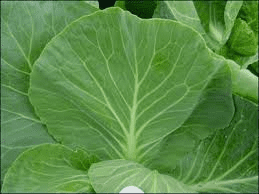
1. Culinary Use: Cabbage leaves are widely used in culinary applications as a versatile and nutritious vegetable. They can be used raw in salads, wraps, and slaws, or cooked in soups, stews, stir-fries, and casseroles.
2. Fermentation: Cabbage leaves are a key ingredient in fermented foods such as sauerkraut and kimchi. The leaves are shredded, salted, and allowed to ferment, resulting in tangy and flavorful products that are not only delicious but also rich in probiotics and beneficial bacteria.
3. Medicinal Purposes: Cabbage leaves have been used for centuries in traditional medicine for their potential health benefits. They are often used topically as a natural remedy for relieving inflammation, swelling, and pain, particularly in conditions such as arthritis and mastitis.
4. Wraps and Rolls: Cabbage leaves are commonly used as a wrapper for various fillings such as meat, rice, and vegetables. Cabbage rolls, also known as stuffed cabbage, are a popular dish in many cuisines, where the leaves are stuffed and rolled around a savory filling before being cooked.
5. Food Preservation: Cabbage leaves can be used in food preservation techniques such as pickling and canning. They can be layered with salt and packed into jars to create lacto-fermented pickles or blanched and sealed in jars for long-term storage.
💬 Have a Farming Question? Join thousands of farmers across Africa on the Agric4Profits Community — ask questions, share experiences and connect with agricultural experts. It is completely free. Ask Your Question Now →
6. Decorative Garnish: Cabbage leaves are often used as a decorative garnish for food presentations. Their vibrant green color and distinctive shape make them an attractive addition to platters, trays, and buffet displays.
7. Animal Feed: Cabbage leaves can be fed to livestock such as cows, goats, and pigs as a nutritious dietary supplement. They are particularly beneficial during the winter months when fresh forage is scarce, providing essential vitamins and minerals to support animal health.
8. Compost Material: Cabbage leaves can be composted to create nutrient-rich soil amendments for gardening and agriculture. Their organic matter breaks down into valuable humus, which improves soil structure, fertility, and moisture retention.
9. Biomass Production: Cabbage leaves can be utilized as biomass for energy production. They can be dried and processed into pellets or briquettes for use as fuel in biomass boilers, stoves, and furnaces.
10. Culinary Education: Cabbage leaves are used as a teaching tool in culinary education programs to demonstrate knife skills, vegetable preparation techniques, and creative cooking methods. Students learn how to properly clean, cut, and cook cabbage leaves to enhance their culinary skills.
11. Community Gardens: Cabbage leaves are grown in community gardens and urban farming projects to promote food security, sustainable agriculture, and community engagement. They provide fresh, locally grown produce to residents while fostering a sense of community and connection to the land.
12. Soil Erosion Control: Cabbage leaves can be used in erosion control measures to prevent soil erosion on hillsides, slopes, and other vulnerable areas. Their dense foliage helps to stabilize the soil and reduce the risk of erosion caused by wind and water.
13. Natural Dyes: Cabbage leaves contain natural pigments that can be extracted and used as dyes for textiles and crafts. The leaves are boiled to release their color, which can then be used to dye fabric, yarn, paper, and other materials.
14. Herbal Poultices: Cabbage leaves are sometimes used as a base for herbal poultices and compresses. Medicinal herbs and plant extracts are applied to the leaves, which are then placed on the skin to alleviate pain, inflammation, and other ailments.
📖 Want to Go Deeper on This Topic?
Our expert agricultural ebooks cover poultry, fish farming, different crops production, snail farming, organic farming, mushrooms, sheep, cattle, flowers, pig farming, goat farming, agribusiness, etc. in practical step-by-step detail — written by agricultural professionals for African farmers.
Browse All Farming Ebooks →15. Culinary Innovation: Chefs and food enthusiasts are constantly finding new and innovative ways to use cabbage leaves in the kitchen. From cabbage tacos to cabbage sushi, there are endless possibilities for incorporating this versatile ingredient into creative dishes and recipes.
16. Pharmaceutical Research: Cabbage leaves contain bioactive compounds with potential pharmaceutical applications. Researchers are investigating their anti-inflammatory, antioxidant, and anticancer properties for the development of new drugs and medications.
17. Fermented Skincare: Fermented cabbage leaf extracts are used in skincare products for their purported benefits to the skin. These products claim to improve skin texture, tone, and elasticity while providing hydration and nourishment to the skin.
Read Also: 7 Medicinal Health Benefits of Gynostemma pentaphyllum (Southern Ginseng)
The Products and By-products That Can Be Derived From Cabbage Leaves
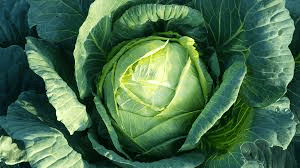
1. Sauerkraut: Sauerkraut is a traditional fermented cabbage dish made by massaging salt into shredded cabbage leaves and allowing them to ferment in their own juices. It is rich in probiotics and has a tangy flavor that complements a variety of dishes.
2. Kimchi: Kimchi is a Korean fermented vegetable dish that often includes cabbage leaves as a primary ingredient. The leaves are seasoned with chili pepper, garlic, ginger, and other spices before being fermented to create a spicy and flavorful condiment.
3. Cabbage Rolls: Cabbage rolls, also known as stuffed cabbage, are a dish made by blanching cabbage leaves and then filling them with a mixture of ground meat, rice, and seasonings. The rolls are then baked or simmered in a savory sauce until tender and delicious.
4. Pickled Cabbage Leaves: Cabbage leaves can be pickled in vinegar or brine solutions to create a tangy and crunchy condiment. They can be enjoyed on their own as a snack or used to add flavor and texture to sandwiches, salads, and wraps.
5. Cabbage Leaf Wraps: Cabbage leaves are often used as a low-carb alternative to tortillas or bread in wraps and sandwiches. They provide a fresh and crisp casing for fillings such as meats, cheeses, and vegetables, adding texture and flavor to the dish.
6. Cabbage Soup: Cabbage leaves are commonly used in soups and stews for their hearty texture and mild flavor. They can be chopped or shredded and added to vegetable, chicken, or beef broth along with other ingredients such as carrots, potatoes, and onions.
7. Cabbage Leaf Poultice: Cabbage leaves are used topically as a poultice to soothe and relieve inflammation, swelling, and pain. The leaves are often blanched or wilted before being applied to the affected area and secured with a bandage or wrap.
8. Cabbage Leaf Compress: Cabbage leaves are used as a compress to alleviate breast engorgement and discomfort during breastfeeding. The leaves are chilled and then placed directly on the breasts to provide cooling relief and reduce swelling.
9. Cabbage Leaf Extracts: Cabbage leaf extracts are used in herbal remedies and skincare products for their potential health benefits. The extracts are obtained by steeping cabbage leaves in water or alcohol to extract their active compounds, which are then used in various formulations.
10. Cabbage Leaf Tea: Cabbage leaves can be steeped in hot water to make a nutritious and soothing tea. The tea is believed to have anti-inflammatory and detoxifying properties, making it a popular remedy for digestive issues and detoxification.
11. Cabbage Leaf Capsules: Cabbage leaf extracts are encapsulated and sold as dietary supplements for their potential health benefits. The capsules are taken orally and are believed to support immune function, promote digestive health, and reduce inflammation.
12. Cabbage Leaf Poultice: Cabbage leaves are applied topically as a poultice to soothe and relieve inflammation, swelling, and discomfort associated with minor skin irritations, bruises, and sprains.
13. Cabbage Leaf Compress: Cabbage leaves are used as a compress to alleviate breast engorgement and discomfort during breastfeeding, providing cooling and anti-inflammatory effects to relieve pain and promote healing.
14. Cabbage Leaf Salad: Cabbage leaves can be thinly sliced or shredded and used as the base for a fresh and crunchy salad. They pair well with a variety of ingredients such as carrots, cucumbers, tomatoes, and vinaigrette dressing.
15. Cabbage Leaf Juice: Cabbage leaves can be juiced to create a nutritious and refreshing beverage. The juice is often combined with other fruits and vegetables such as apples, carrots, and celery for added flavor and nutrients.
16. Cabbage Leaf Face Mask: Cabbage leaves are used in homemade face masks for their potential skincare benefits. The leaves are pureed or mashed and applied to the skin to hydrate, soothe, and nourish, leaving the skin feeling refreshed and rejuvenated.
17. Cabbage Leaf Poultice: Cabbage leaves are applied topically as a poultice to soothe and relieve inflammation, swelling, and discomfort associated with minor skin irritations, bruises, and sprains.
Read Also: 7 Medicinal Health Benefits of Sandalwood (Santalum album)
Frequently Asked Questions (FAQ’s) About Cabbage Leaves
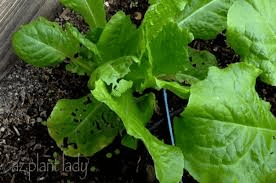
1. What nutrients are found in cabbage leaves?
Cabbage leaves are rich in essential nutrients such as vitamin C, vitamin K, vitamin B6, folate, and dietary fiber. They also contain antioxidants, phytonutrients, and minerals like calcium, potassium, and manganese.
2. How should cabbage leaves be stored to maintain freshness?
Cabbage leaves should be stored in the refrigerator in a plastic bag or wrapped in a damp paper towel to prevent wilting and maintain freshness. They can also be blanched and frozen for longer-term storage.
3. Can cabbage leaves be eaten raw?
Yes, cabbage leaves can be eaten raw and are commonly used in salads, slaws, and wraps. They have a crisp texture and mild flavor that pairs well with a variety of ingredients and dressings.
4. Are there any health benefits associated with consuming cabbage leaves?
Yes, cabbage leaves are associated with several health benefits. They are low in calories and high in fiber, making them beneficial for digestive health and weight management. They also contain antioxidants and anti-inflammatory compounds that may help reduce the risk of chronic diseases.
5. How can cabbage leaves be prepared for cooking?
Cabbage leaves can be prepared for cooking by washing them thoroughly under cold water to remove any dirt or debris. They can then be chopped, shredded, or left whole, depending on the recipe. Cabbage leaves can be steamed, boiled, stir-fried, roasted, or grilled.
6. Can cabbage leaves be composted?
Yes, cabbage leaves can be composted to create nutrient-rich soil for gardening. They are an excellent source of organic matter and contribute valuable nutrients to the compost pile as they break down.
7. Are cabbage leaves safe for pets to eat?
While cabbage leaves are generally safe for pets to eat in small quantities, they can cause digestive upset and gas if consumed in large amounts. It's best to offer cabbage leaves to pets as an occasional treat and monitor their response.
8. Can cabbage leaves be used for medicinal purposes?
Yes, cabbage leaves have been used for centuries in traditional medicine for their potential medicinal properties. They are often used topically to reduce inflammation, swelling, and pain, and may be applied as a poultice or compress.
9. How can cabbage leaves be incorporated into a healthy diet?
Cabbage leaves can be incorporated into a healthy diet in various ways, including salads, soups, stir-fries, wraps, and side dishes. They can also be fermented, pickled, or juiced for added nutritional benefits.
10. Are there any potential side effects of consuming cabbage leaves?
While cabbage leaves are generally safe for most people to consume, they may cause bloating, gas, or digestive discomfort in some individuals, especially when eaten raw or in large quantities. It's important to cook cabbage leaves thoroughly and monitor your body's response to them.
Read Also: Waste Management Startups: The Future of Sustainable Waste Management
🌱 Take Your Farming Further With Agric4Profits
Based on what you just read, here are free resources and products from Agric4Profits that can help your farm right now:
- 🛒 Visit Our Marketplace — Organic neem oil, bio-pesticides, seeds and farming products
- 📚 Read Premium Content — Advanced guides for serious and profitable farming
- 🎓 Join Our Free Academy — Structured free training for farmers across Africa
- 🔧 Use Our Free Farm Tools — Profit calculators, feed formulation, pest identifier and more
- 💬 Join Our Farming Community — Connect with farmers across all 54 African countries
- ❓ Ask a Farming Question — Get answers from experienced farmers and agricultural experts
Please cite this content in academic work, research, or publications.